
MONETABRIEF – Sri Lanka is expecting to have in place 960 MegaWatts of battery energy storage systems by 2027 with planned and already awarded projects, according to data given by Energy Minister Energy Anura Karunathilake.
Tenders for 250MW/1000MWh of BESS units have already closed and is in bid evaluation. Limited competitive tenders for 150MW of BESS for existing solar plants are due to close soon.
Another 400MW is planned, Minister Karunathilake said.
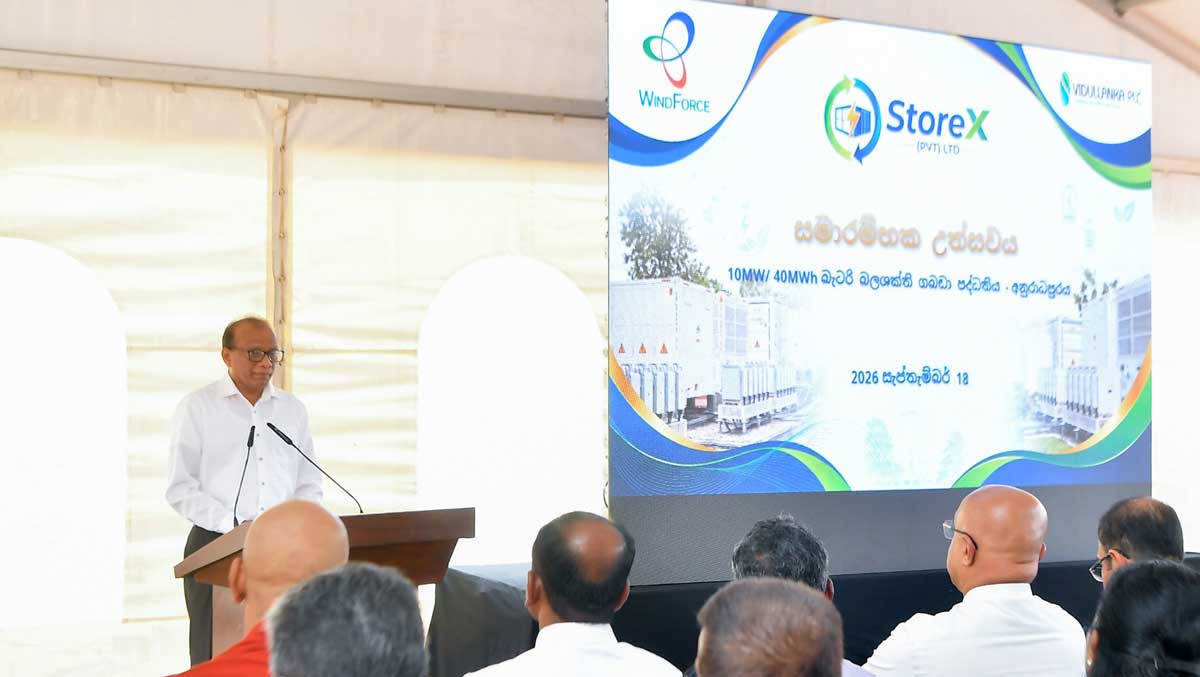
"We have also already commenced the process of calling for bids for battery storage projects of 400 MW, 250 MW and 150 MW, among others," he was quoted as saying at the commissioning of a 10MW/40MWh BESS in Anuradhapura.
"Some of these projects are currently at the evaluation stage. We believe that these projects can be added to our system before the end of 2027, most likely within the first six months of that year."
"This will enable us, on the one hand, to integrate a greater amount of renewable energy into the national grid and, on the other, to reduce the high costs incurred in generating large amounts of electricity using fossil fuels during the night.:
The 10MW/40MWh BESS is part of 160MW in BESS awarded to private investors as build operate own projects.
The 160MW will be in place before the end of this year, Minister Karunathilake said.
Out of the total 130MW will be built by Windforce Plc.
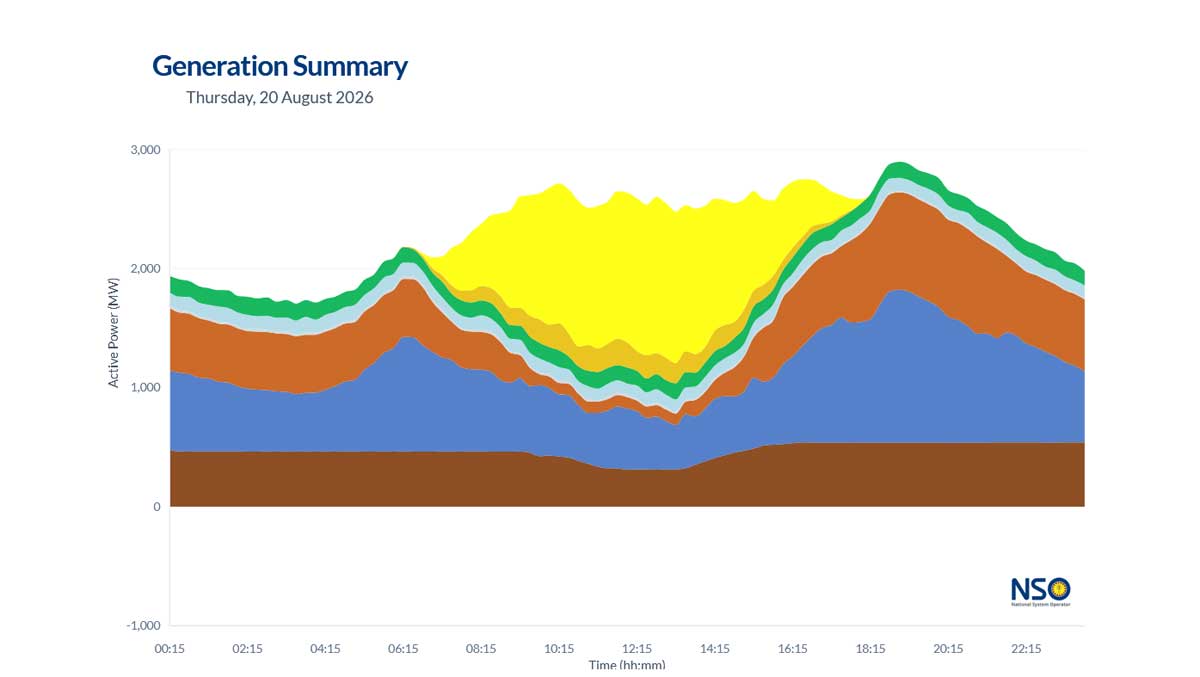
Sri Lanka saw fast roll-out rooftop solar in recent years which has pushed up daytime generation when demand is lower, and the risk of 'Sunny Sunday' blackouts has limited solar expansion also forced curtailment on public holidays.
Sri Lanka had close 3,000 MW of solar power Minister Karunathilake
The average electricity demand during the day was around 2,800 MW.
"However, during the night, the demand rises to around 3,100 MW. With the El Niño conditions, forecasts indicate that this demand may increase further by February next year," he said.
The Public Utilities Commission of Sri Lanka, the sector regulator has also announced BESS feed-in-tariffs for smaller rooftop plants some of which they hope will be in place by the dry season in the first quarter of 2026. (Colombo/Sept21/2026)