
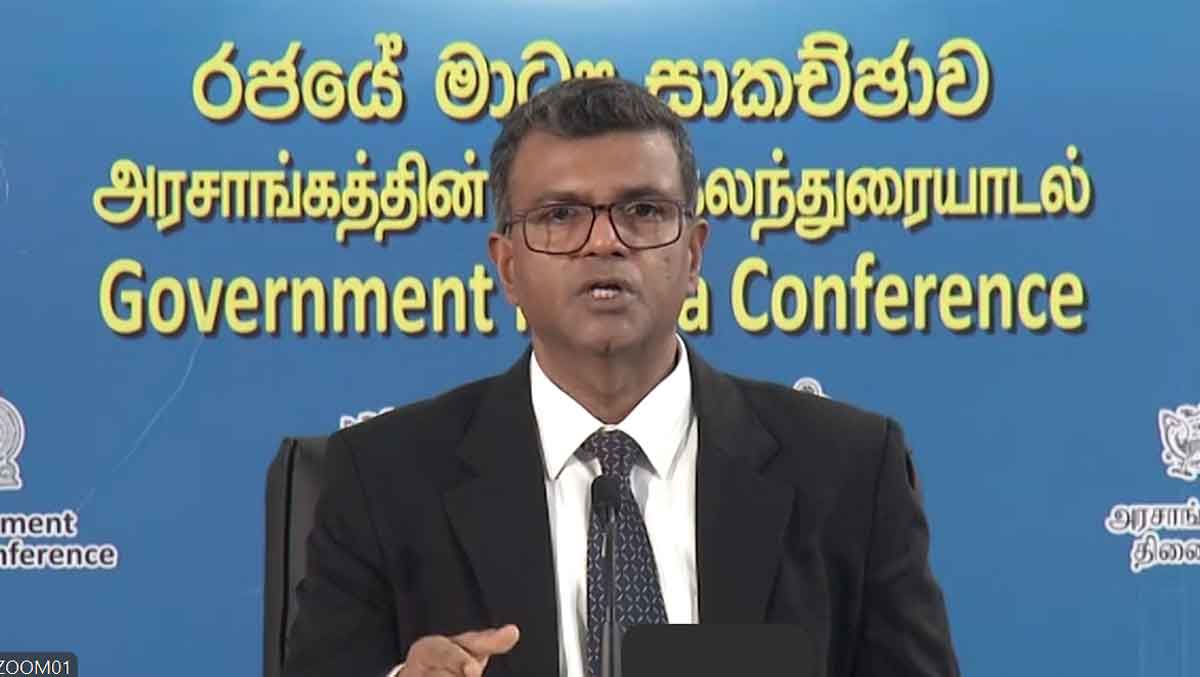
MONETABRIEF – Sri Lanka is engaging with experts and advisors to prepare for a return to commercial borrowings but it is too early to comment on the timing, Treasury Secretary Harshana Suriyapperuma said.
"Sri Lanka is looking at all options that are available to us to ascertain what are the best possible sources and the terms at which Sri Lanka could access financing from foreign sources that are available out there," Suriyapperuma told reporters after S & P upgraded Sri Lanka to B- from CCC+.
Sri Lanka will use current inflows and also work with multilateral agencies.
"If there is still a shortfall, if there is still a difference, we will look at other options to access markets to see whether it is from, there are different sources that are emerging out there for financing, appetite for financing," he said.
"There can be green financing modalities available, there can be additional credit enhancements that may be provided by multilateral agencies if we want to access markets, for example."
"We have already started the process to look at these options as a government, Sri Lanka has already started the process.
"So we will look at all those options, parallelly work ourselves with the experts which we have already started that journey and keep ourselves ready when the time is most opportune we will go."
Sri Lanka's Treasury itself does not buy dollars from current inflows and has to depend on the central bank.
When the central bank buys dollars, it monetizes the balance of payments, creating new money, sometimes depreciating the currency in the process as happened in 2025.
When liquidity builds up from the monetization is left unsterilized, short term rates can fall and they become credit and imports at whatever rate.
The treasury can buy dollars without expanding reserve money (printing money) or artificially depressing short-term rates.
The central bank also injects money through buy-sell dollar swaps, which can further boost domestic credit by monetizing dollar assets of banks.
When the import demand comes the central bank dishonors its notes, as happened in 2026. When the rupee falls under the flexible exchange rate regime, banks also increase their long positions and panicked importers cover early.
The central bank's reserve building target is at odds with its inflation targeting framework which requires a floating rate, analysts have pointed out. (Colombo/Nov27/2026)