
Share your email and we'll share the latest news
Exclusive economic intelligence, political and business coverage
Tuesday, November 10 2026
Tuesday, November 10 2026
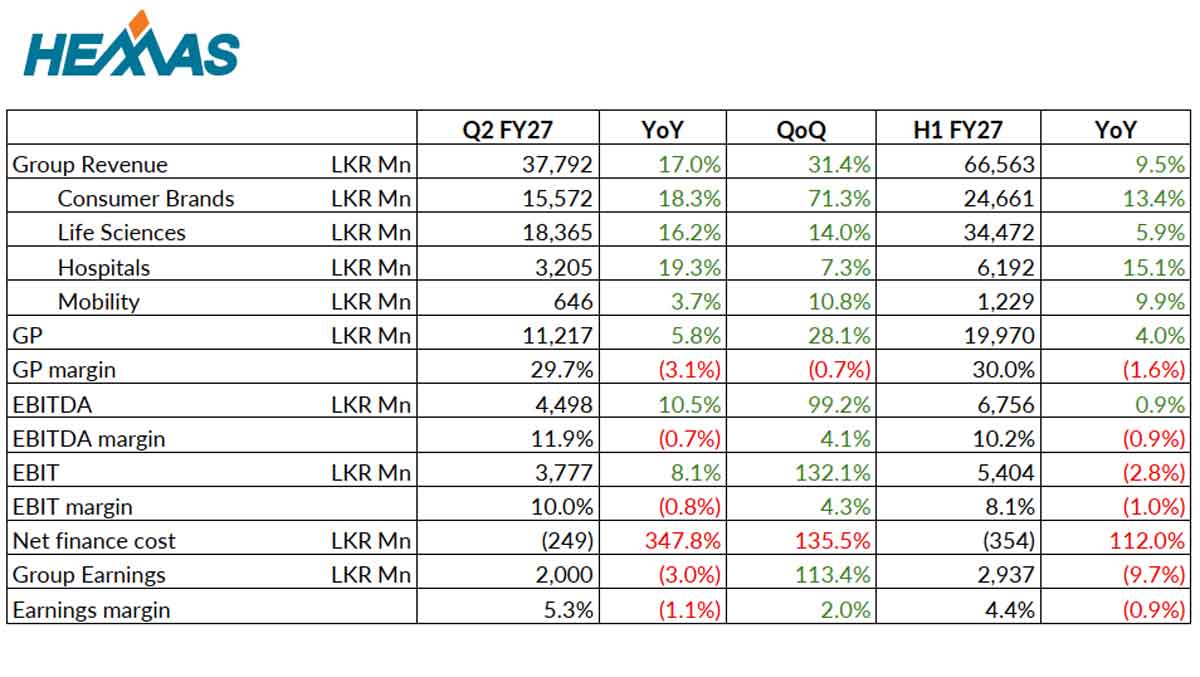
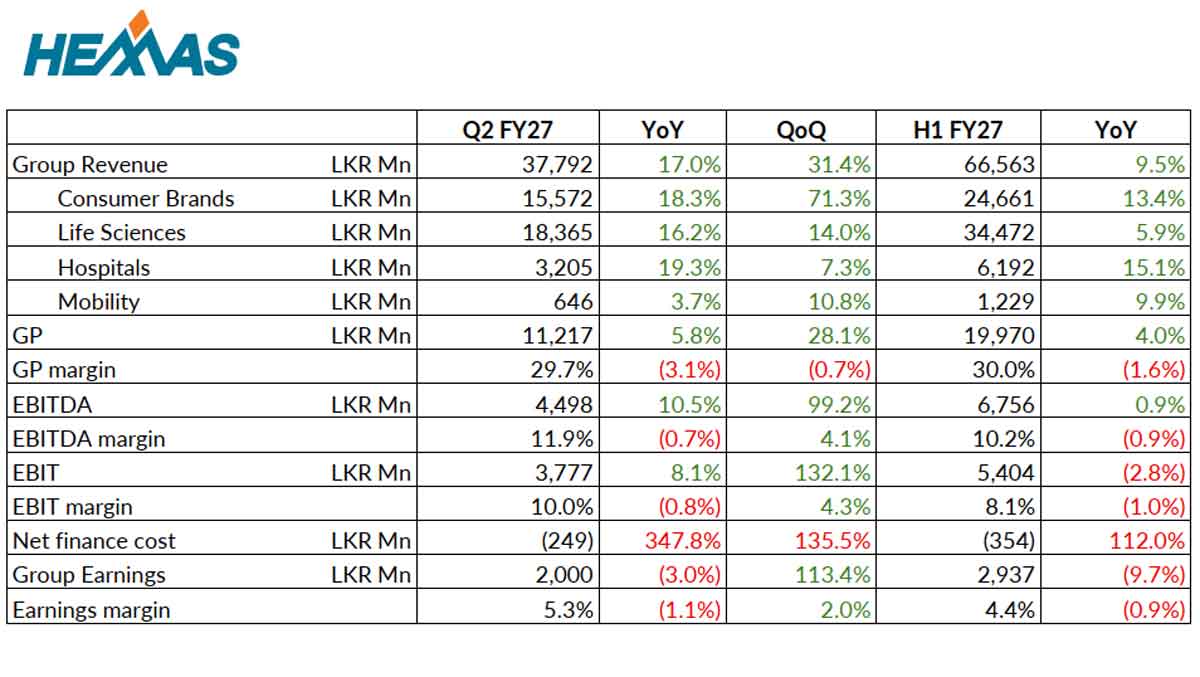
MONETABRIEF – Sri Lanka's Hemas Holdings, which has interest in consumer goods, healthcare and education supplies said it was absorbing some costs and raising prices as the rupee depreciated and inflation soared.
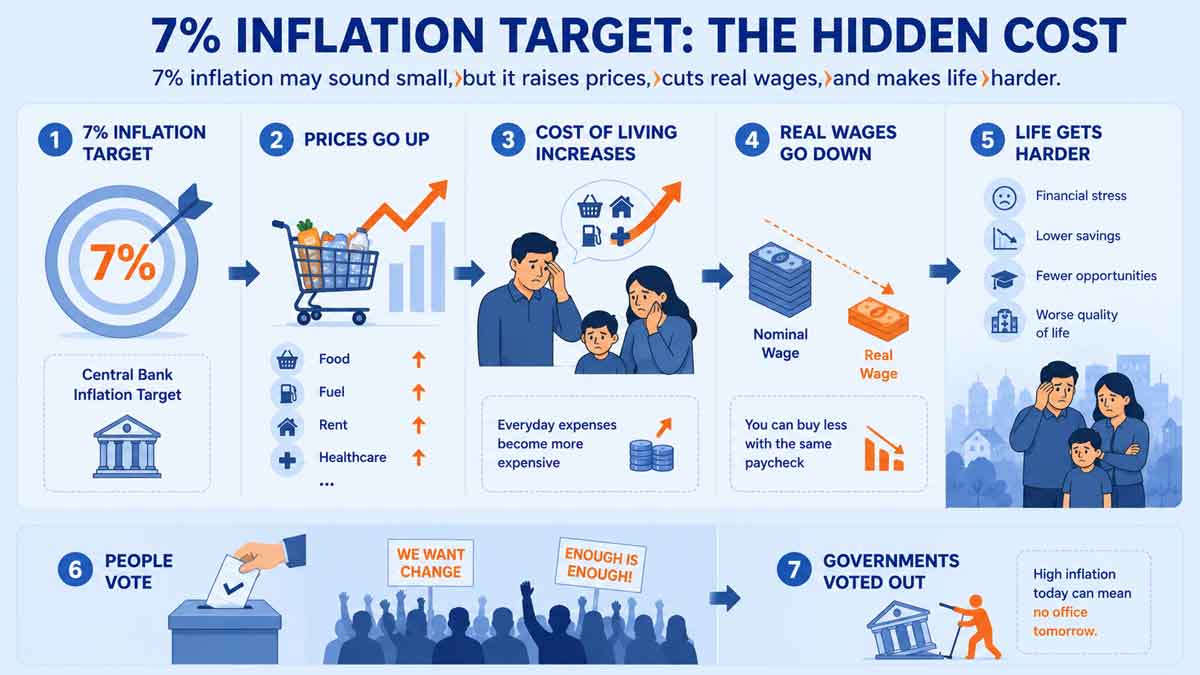
Sri Lanka's central bank met and exceeded its controversial 5 to 7 percent target to push up the cost of living, reflating an economy that was stabilized at great cost to the people especially in terms of higher taxes.
"In the consumer business, we have implemented pricing corrections judiciously to ensure that volumes continue to grow," Hemas told shareholders in the annual report.
"Experience has shown that volume erosion costs a business far more over the long term than a temporary adjustment to margins during a period of high inflation."
"Our approach, particularly for mass market consumers, has therefore been to leverage technology and innovation to lower our cost base, by accessing global technologies to reformulate our products and by increasingly automating our factories to reduce manufacturing costs."
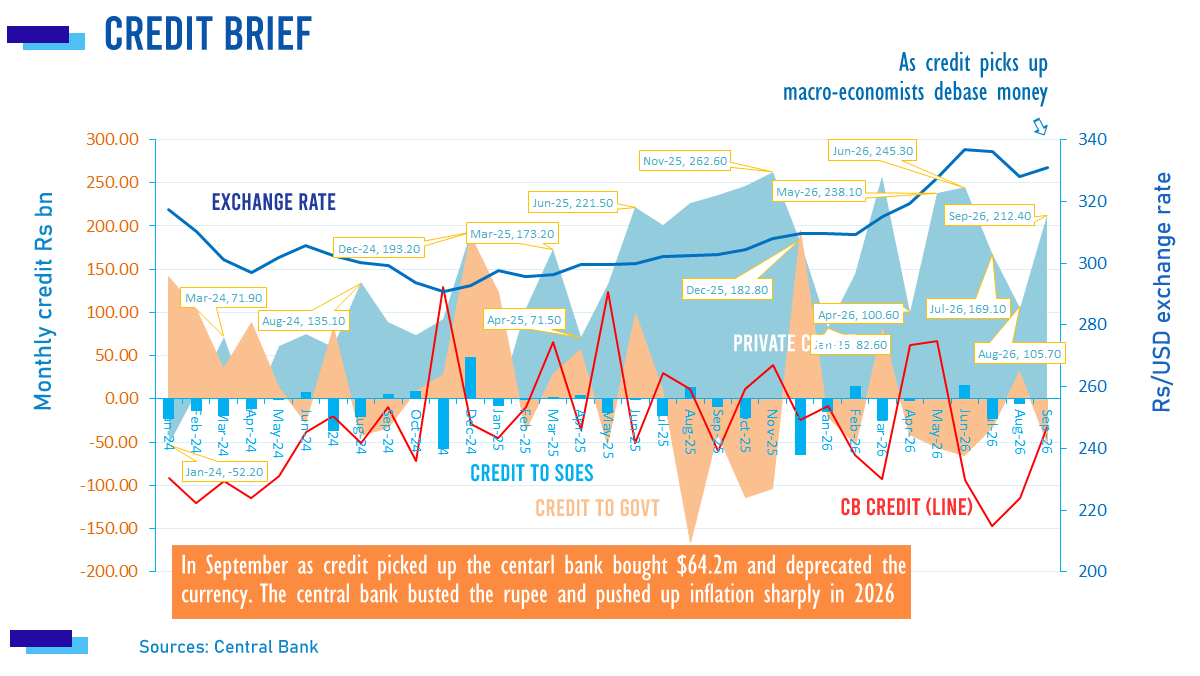
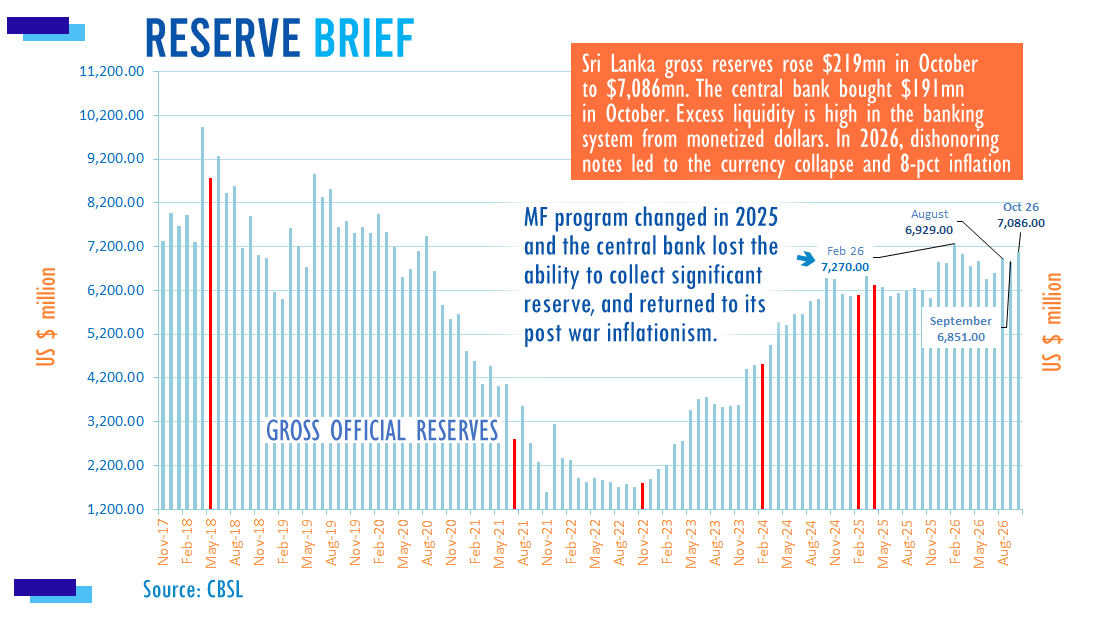
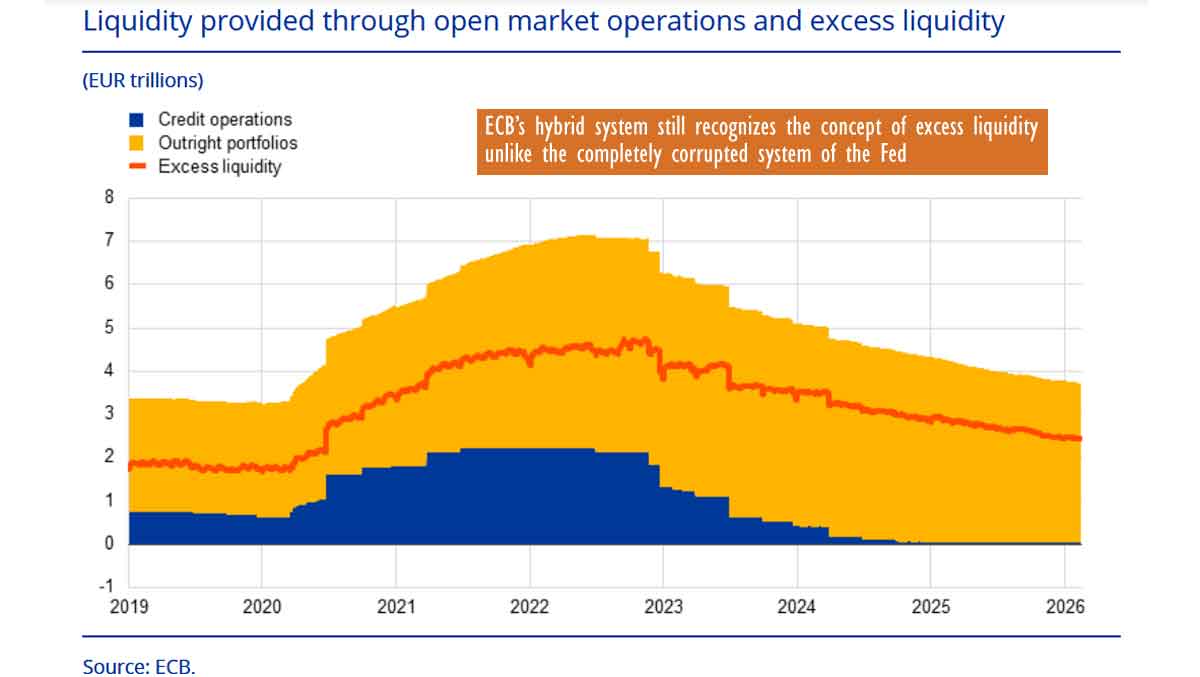
The central bank amplified the effect of the war on the country dishonoring its own note issue (excess liquidity) which was bloated by monetizing the balance of payments and buy sell fx swaps in earlier months.
Sri Lanka's inflation hit 8.3 percent by October after the central bank debased the currency in the June quarter up from 8.0 percent in September. Inflation in Hong Kong was only which does not have refineries and imports all fuel was only 1.9 percent in September.
The deliberately created inflation (reflation) not only makes it difficult for ordinary people to make ends meet, mounting pressure on the government of President Anura Kumara Dissanayake, but also makes it difficult for businesses to operate in a predictable manner.
Hemas said the rupee appreciated 1.7 percent in the September quarter from June, but it was more than 5 percent weaker overall. The depreciation was continuing to "exert pressure on imported input costs," Hemas said.
The rupee fell from around 300 to 330 to the US dollar over the past year, with most of it in the between April and June.
"Nearly half of Group revenue is derived from businesses subject to regulated pricing, which limits our ability to recover cost increases through price corrections," the firm said.
The high inflation target and monetary debasement not only make it difficult for goverments but also for businesses, analysts say.
Gross margins had narrowed 3.1 percentage points to 29.7 percent, from a year earlier, and 0.7 percent lower than the previous quarter.
Hemas had kept control of selling and distribution costs.
"Performance was mixed across sectors, with margin expansions in Hospitals and Mobility partly offsetting lower earnings in Consumer Brands and Life," the group said.
"In a period shaped by the Middle East war, higher energy costs and a volatile currency, our teams protected consumers, ensured the continued availability of medicines and delivered a strong recovery in profitability from the first quarter."
Hemas has business in Bangladesh and bought a publishing firm in Kenya.
Revenues grew 17 percent to 37.7 billion rupees, cost of sales grew 22.5 percent to 26.5 billion rupees and gross profits grew 5.8 percent.
Finance costs grew 149 percent to 464 million rupees, in part due to acquisition costs.
Provision for income tax rose to 1.4 billion rupees from 1.27 billion last year.
Group net profits fell 3 percent to 1,999 million rupees.
When inflation biased macro-economists reflate economies companies can report initially higher profits as wages of workers are held back while retail prices are raised.
Depreciation of capital is also understated and has no longer has any connection with replacement costs, and companies may pay taxes or distribute dividends false profits which deplete capital.
"With prices rising at an accelerating rate, the techniques of capital and cost accounting that provide the basis for all business planning would soon lose all meaning," explained Friedrich von Hayek, in his book that gave the intellectual backing for the Thatcher administration to control the Bank of England and stop Cambridge economics.
"Real costs, profits, or income would soon cease to be ascertainable by any conventional or generally acceptable method. And, with the principles of taxation being what they are, more and more would be taken in taxes as profits that in fact should be reinvested merely to maintain capital." (Colombo/Nov09/2026)

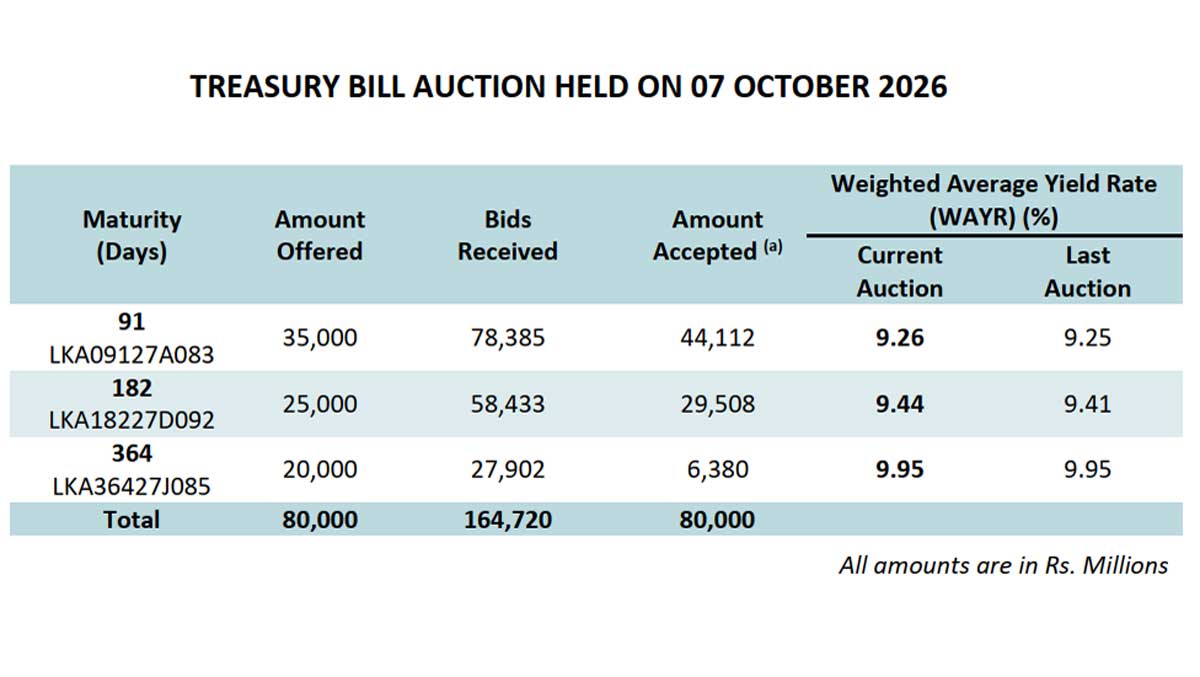
| 3 month bill | 9.26% | 1bp ▲ |
| 12-m bill | 9.95% | 2bp - |
| Gold (Ounce) | $4015 | - ▼ |




















Comments
Be the first person to comment and join the debate