
Share your email and we'll share the latest news
Exclusive economic intelligence, political and business coverage
Friday, November 6 2026
Friday, November 6 2026
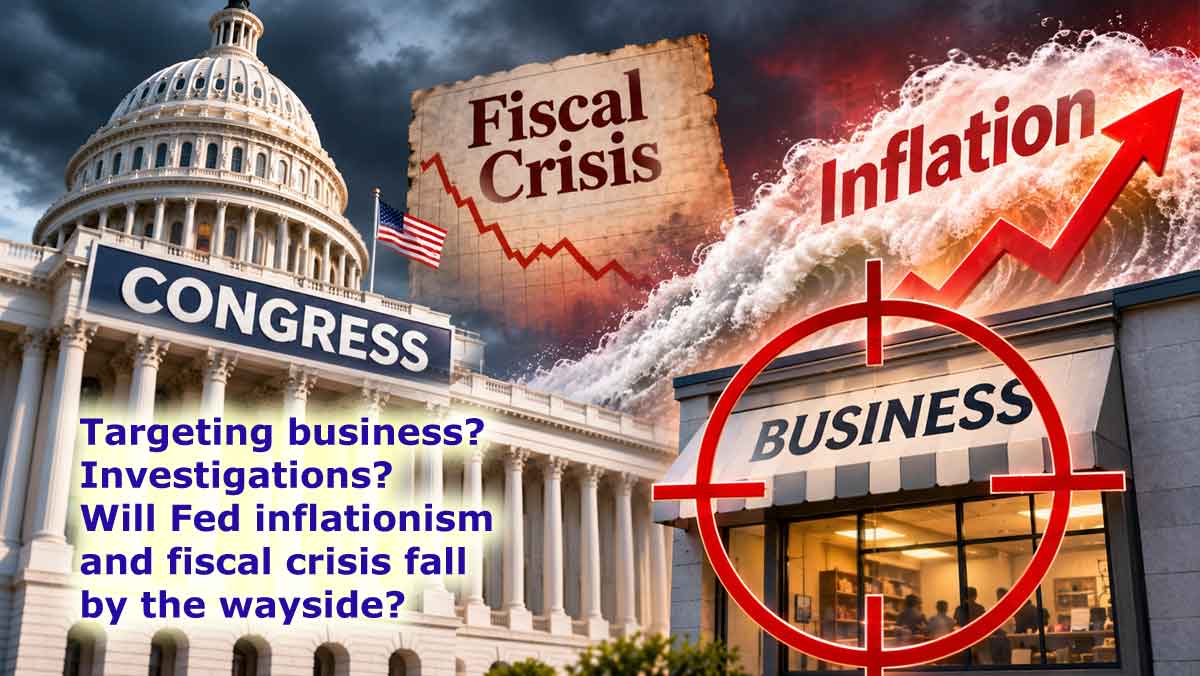
MONETABRIEF – US stocks, which have been pushed up partly with the help of inflationist monetary framework of the Federal Reserve, has taken a beating as Democrats turned their guns on private business.
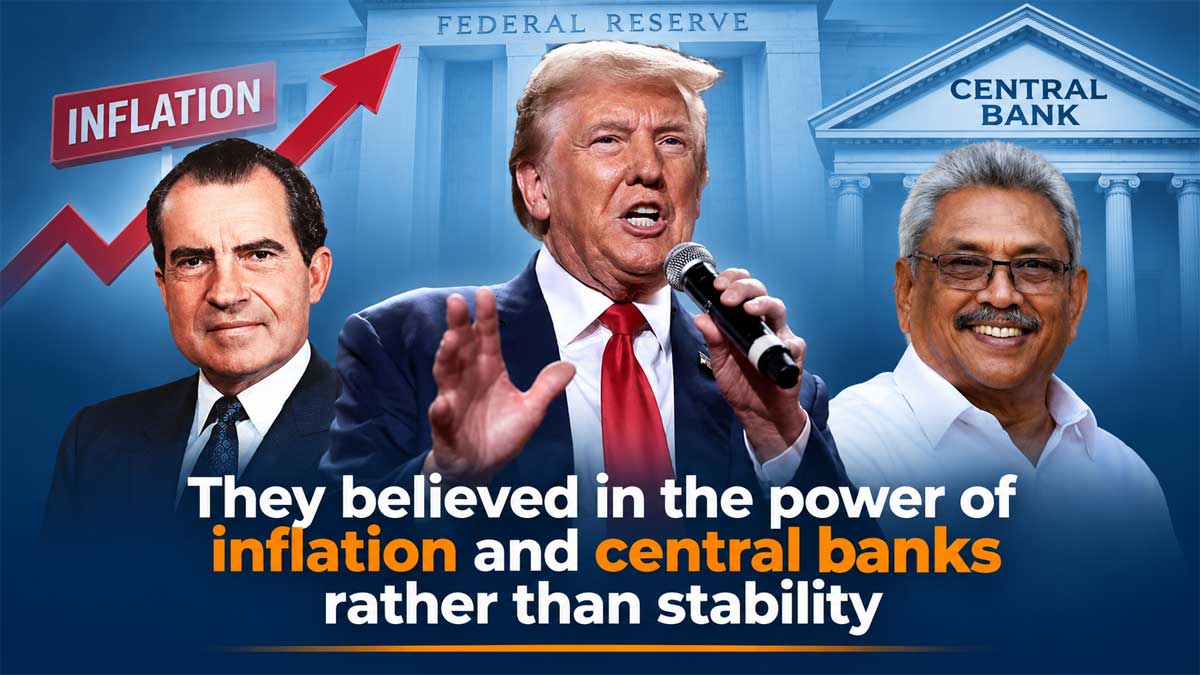
This is not unlike how then Sri Lanka Prime Minister Ranil Wickremesinghe took aim at businessmen that supported the Rajapaksa regime while the central bank printed money, with the mid-corridor targeting.
When mid-corridor targeting and flexible inflation targeting started in Sri Lanka in 2015, as well as the 100-day fiscal excesses, budgets were in much better shape than in the US today.
There is a real danger that Democrat controlled congress will get bogged down in investigations against Trump and targeting private business while fiscal and monetary problems remain on the wayside.
More Instability
The Dow Jones Industrial Index plunged 1800 points (3.44-pct), wiping out a 1500 point gain on elections day, while the Nasdaq fell 5.52 percent.
The Trump era instability has not ended. In fact a toxic uncertainty has been added to US politics and policy direction.
The stock rout was led tech stocks, especially AI firms which have come under Democratic cross hairs.
Tech stocks are among the last firms where the US has global leadership, and China is close behind or ahead is some areas and Europe which has Democrat style taxes and regulations is far behind.
The anti-business doctrine and its so-called socialism of the likes of Bernie Sanders was what made some Americans back Trump in the first place.
Bad Money Central Bank
Data centres have been falsely blamed for high inflation and energy prices.
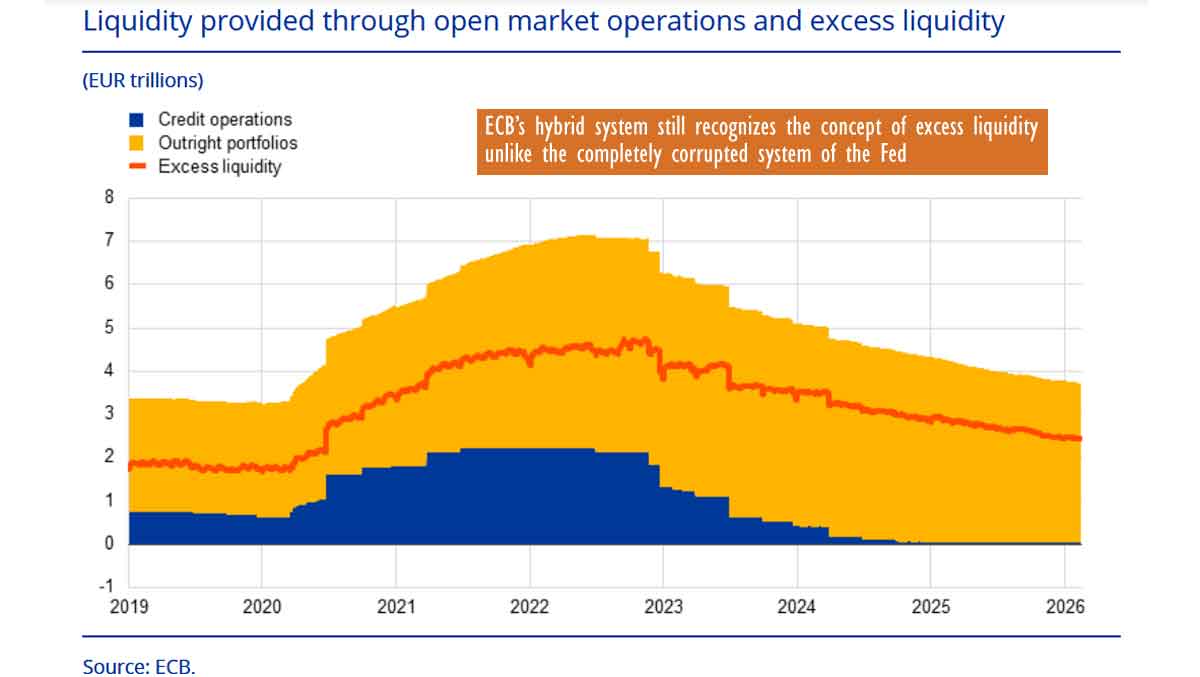
Tech companies which borrowed from banks using the excess liquidity from the Ample Reserve Regime most probably did contribute to rising prices, as inflation in scarce reserve regimes were lower.
The higher inflation in the US of around 3.5 percent compared to 1 to 2 percent in countries with better central bank operating framework shows that the Fed has amplified the effects of the war.
But that is not necessarily the fault of tech companies. The older tech companies had the ability to borrow from banks.
Hatharawaram Deviyo of Wickremsinghe
The Democrats took aim at the companies calling them 'Big Tech'.
They also made a big blunder by openly backing Trump, who is a nationalist and is not fit to govern a country like the US which is multi-cultural and has a history of growing through immigration.
The Democrats threw everything they had at the campaign. They were unpopular. People voted against Trump, due his ad hoc, arbitrary actions and the inflation of the ample reserves regime.
Democrats have interpreted the swing as an endorsement of their policies and are turning on private enterprise.
Just because Elon Musk had nationalist tendencies, it does not mean everyone else were also the same.
Elon Musk, who got directly involved in the administration going beyond funding a party, has made himself a legitimate political target.
Jeff Bezos (who had through Amazon probably given lower prices as Fed pushed up inflation), and Mar Zuckerberg has drawn Democratic ire.
Target and Walmart – if ever there was a low price retailer that is Walmart – has been targeted for surveillance pricing and other alleged practices.
These are companies that were targeted for having low prices and killing US businesses and Mom and Pop shops during the Great moderation when the US Fed was running good monetary policy.
Oil companies have always been in Democratic crosshairs.
The targeting of private business was seen when Ranil Wickremesinghe came to power.
He said there were 'hatharawama deviyo' the four 'guardian deities' of the Rajapaksa regime. He named Dhammika Perera, Sumal Perera, Nimal Perera and Ashok Pathirage.
Of these only Dammika Perera actually benefited from import duties at the cost of the people and lower income strata. Must has benefited from import duties on vehicles and government contract for his rockets. Rockets however may be from free competition.
In the first 'Yahapalana' budget retrospective taxes were hit. It damaged Sri Lanka's business confidence.
Inflation Turns People Against Sane Leaders
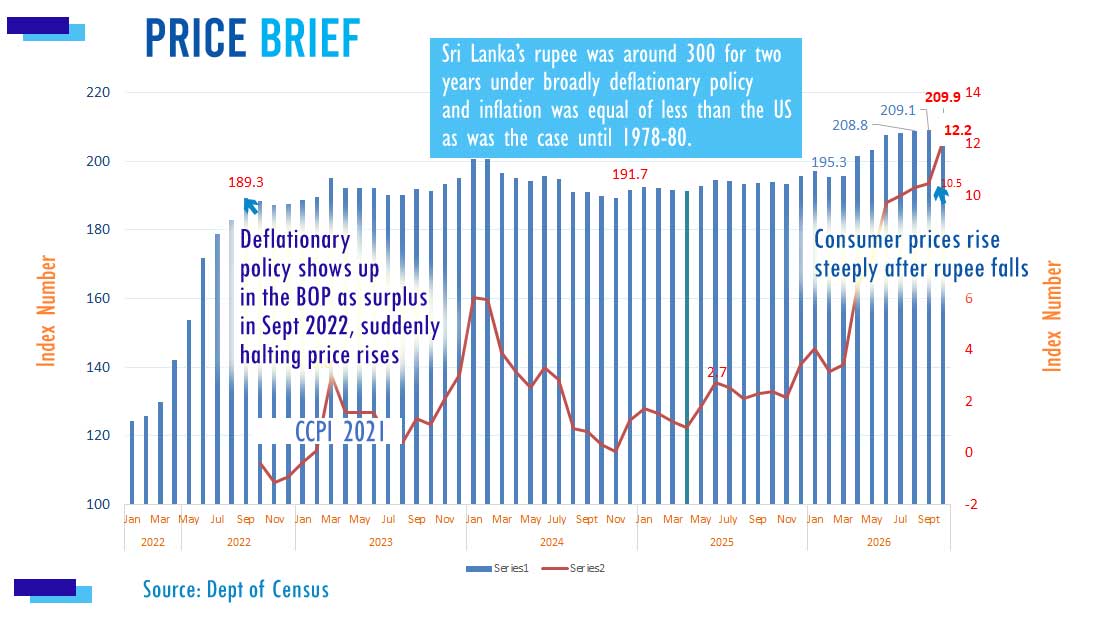
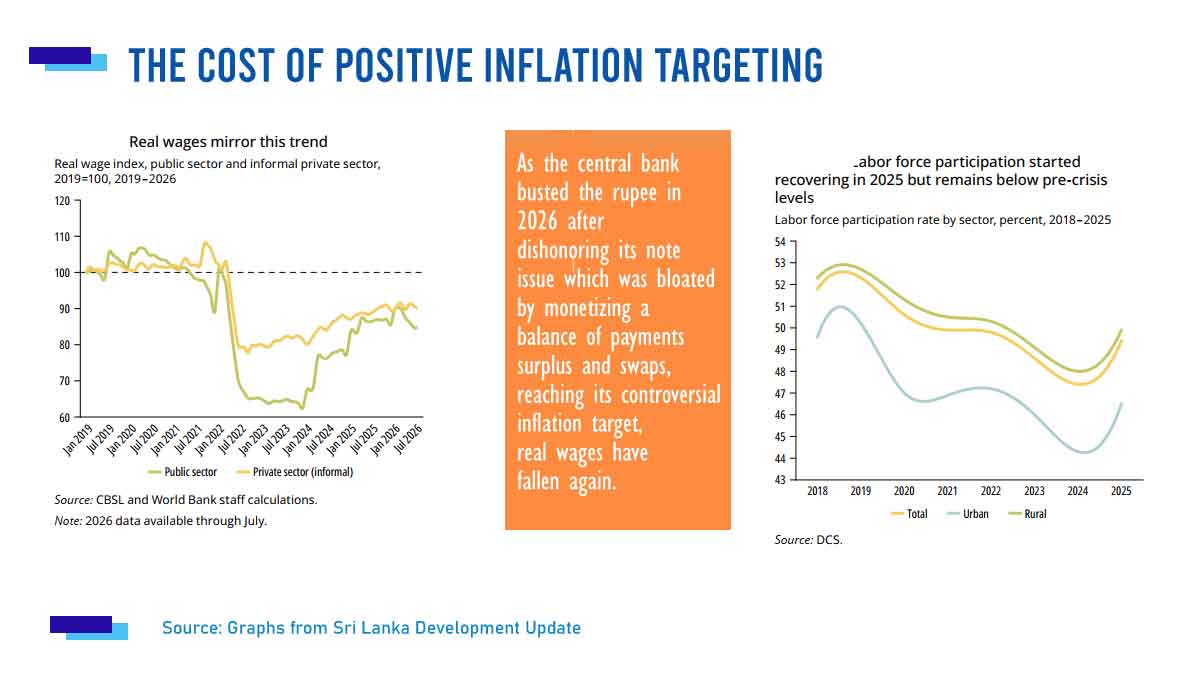
Inflation went up as the central bank printed money as global oil prices fell as the central bank printed money and depreciated the rupee.
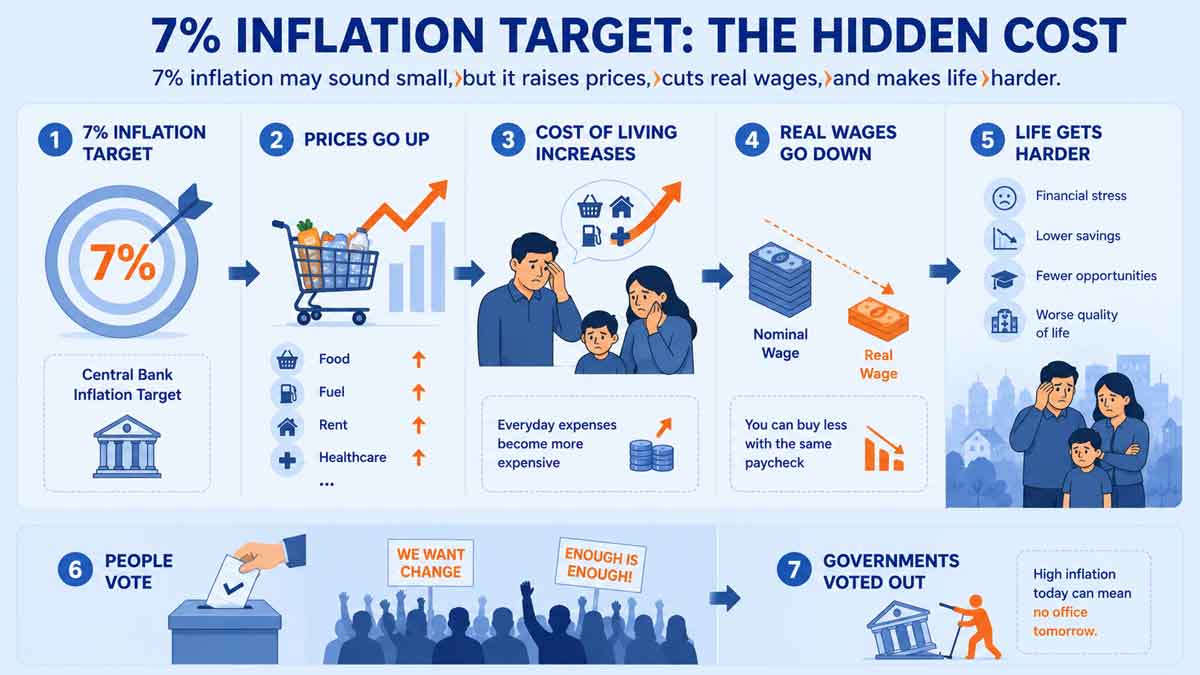
Sri Lanka President Anura Kumara Dissanayake is is feeling the heat of the central bank's inflation target as it hits the people, just like Wickremsinghe felt it in 2015-2019.
It is one thing to hike taxes, but it is another thing to debase money and debase the currency drive up turnover based taxes as well as inflating prices.
There was infighting between Wickremesinghe and President Sirisena.
In France people had turned against Macron who is a sane traditional leader with liberal values if there ever was one. Germany also has a similar leader in the form of Friedrich Merz.
But inflation is turning the people against these sane leaders. There were protest against Meloni administration, which is more nationalists.
Tackling the Fed, Policy Coherence
The US has two problems. It has central bank which believes in the dual mandate like Sri Lanka's central bank which has won the power to push up the cost of living by 7 percent a year.
If Trump starts vetoing Democratic led bills, they will try to impeach him.
The Dems may target big tech or oil with windfall or other taxes, like retrospective taxes that made businesses fear Ranil Wickremesinghe.
None of this will solve the actual problems of the US.
That is bad money and the fiscal deterioration and increasing lack of confidence in US long bonds.
It is not possible for central banks to print money and boost capex. Ultimately people run out of purchasing power.
Anti-Stability Mania
When Bernanke-Stiglitz fired the housing bubble firing a deflation phobia, US finances were in good shape.
At the end of the so-called 'deflation' of the Great Moderation (commodities did deflate, gold from 800 to 284 dollars an ounce, and oil from 35 to 15 dollars a barrel) so-hated by academic inflationists and Sri Lanka style central bankers, US ran budget surpluses.
US government finances were good and it has since been destroyed in stimulus and quantitative easing (abundant reserve regimes and single policy rates).
Now government finances are bad.
Unlike the late 1970s, when both Democrats and Republican agreed that inflation was the common enemy, there is no such realization. It is like the early 1970s, when OPEC and Arab oil embargo was blamed for the Great Inflation.
Volker was a hard money Democrat appointed by Carter, as oil prices climbed higher after the oil embargo eneded, and was welcomed with open arms by Reagan and his advisors.
With a hostile Congress fired up by likes of Bernie Sanders, and Trump with veto power, there does not seem to be any such urgency or chances to fix the country's burning problems.
Crises happens suddenly when central banks run excess liquidity regimes. One day people can wake up and see the whole financial edifice, or the fiscal ponzi, collapsing. (Colombo/Nov06/2026)

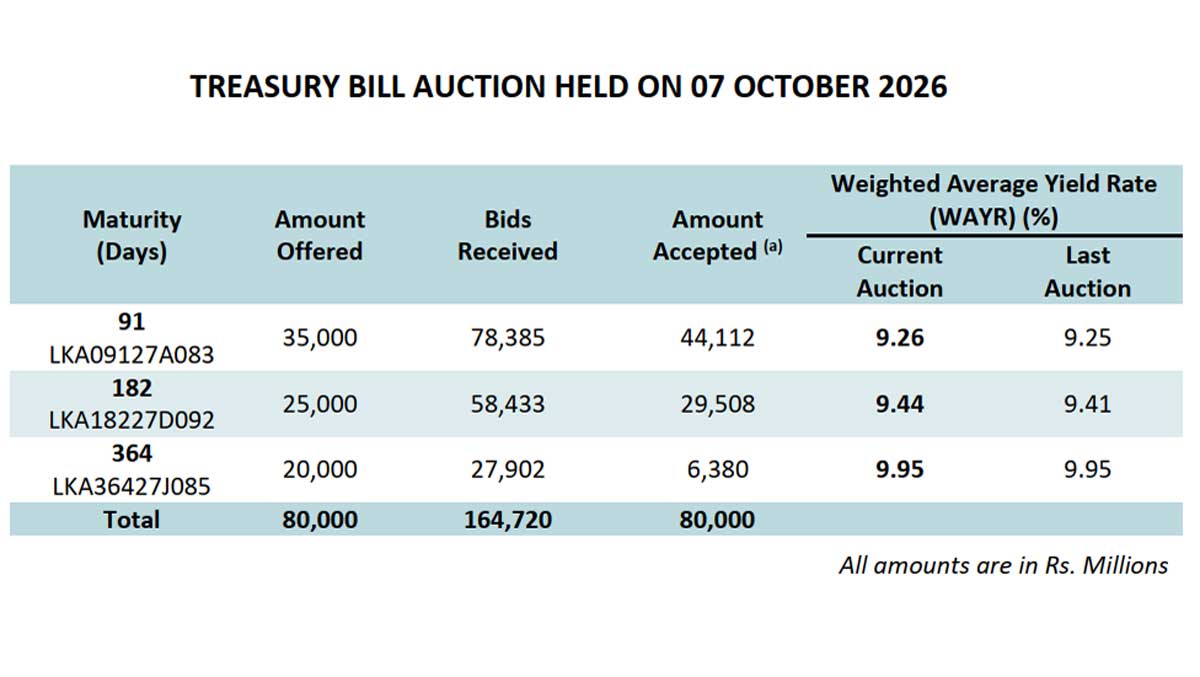
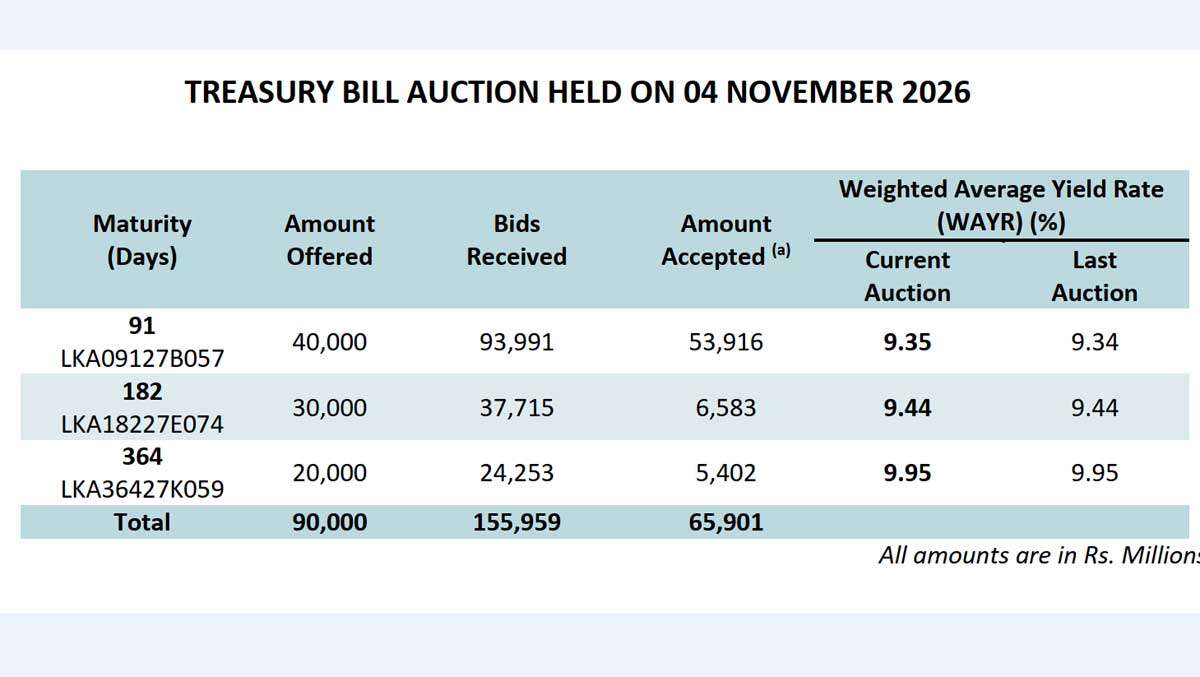
| 3 month bill | 9.26% | 1bp ▲ |
| 12-m bill | 9.95% | 2bp - |
| Gold (Ounce) | $4015 | - ▼ |











Comments
Be the first person to comment and join the debate