
Share your email and we'll share the latest news
Exclusive economic intelligence, political and business coverage
Saturday, October 31 2026
Saturday, October 31 2026
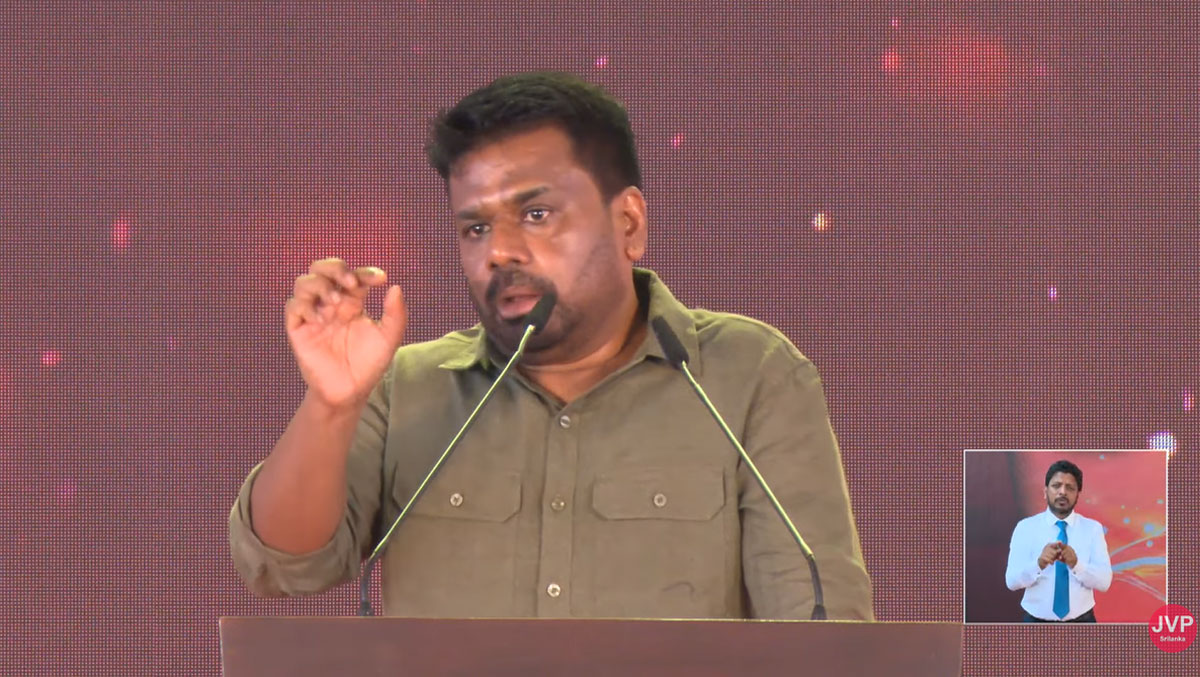
Addressing the National Intellectuals Organization, an arm of the ruling National People’s Power/JVP – People’s Liberation Front administration, the president said his first two years in office had been devoted to stabilisation.
“Our challenge during the first two years has been to establish the economic conditions necessary for an economic transformation,” Dissanayake said.
“If we compare the past two years, we have made considerable progress in preparing the economic foundations.” He said Sri Lanka had recorded its lowest budget deficit in recent times last year.
“We have recorded the largest positive dollar balance in the current account in Sri Lanka’s history (US$1.8 billion).
“Previously, there had been only about three occasions when the current account showed a surplus. On all three occasions, it was close to or below US$300 million.”
“That is economic progress; it is not an economic transformation,” he added.
— Tax Cuts —
He said the government’s debt, which stood at about 114 per cent of GDP in 2022, would be brought down to between 90 and 95 per cent.
He said the new government had been able to meet its revenue targets, unlike in the past, when projected state income was not fully realised.
“In 2025, we exceeded the revenue target: our revenue reached 110 per cent of the estimated level.
“Some people ask: ‘Isn’t it easy to raise revenue by imposing taxes?’ We would like to tell you that, after taking power, we did not impose a single new tax. We also reduced existing taxes to a considerable extent.
“In the forthcoming budget, too, we will reduce some taxes. But we will do so without jeopardising our revenue target.”
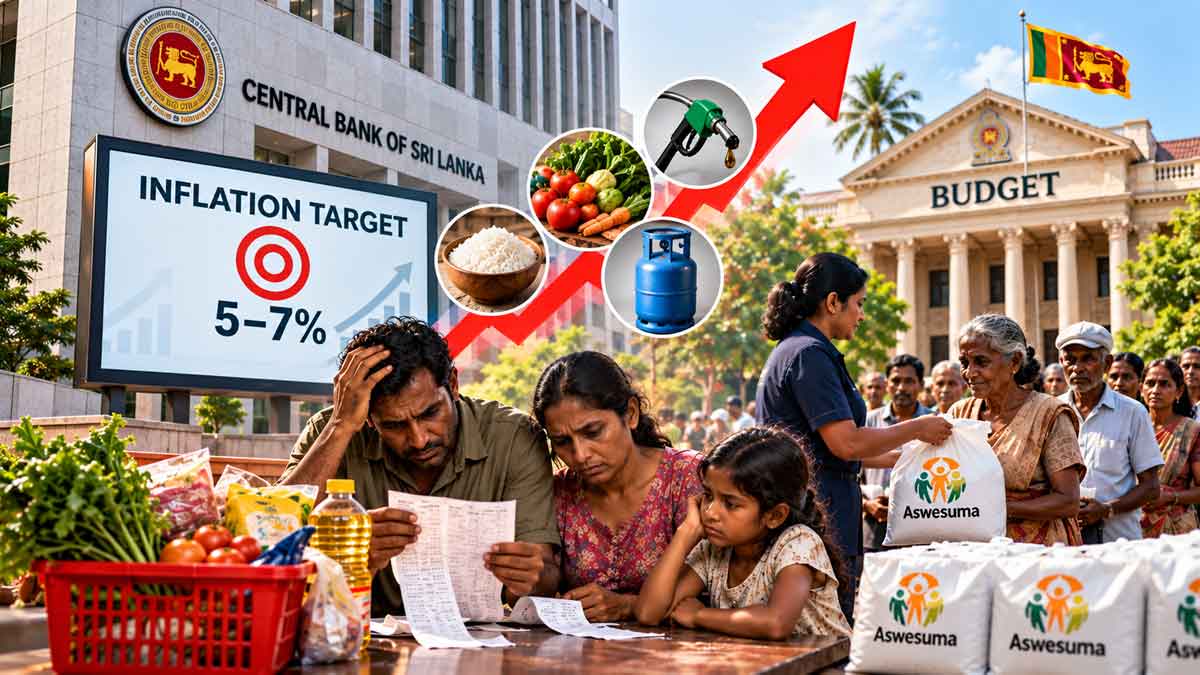
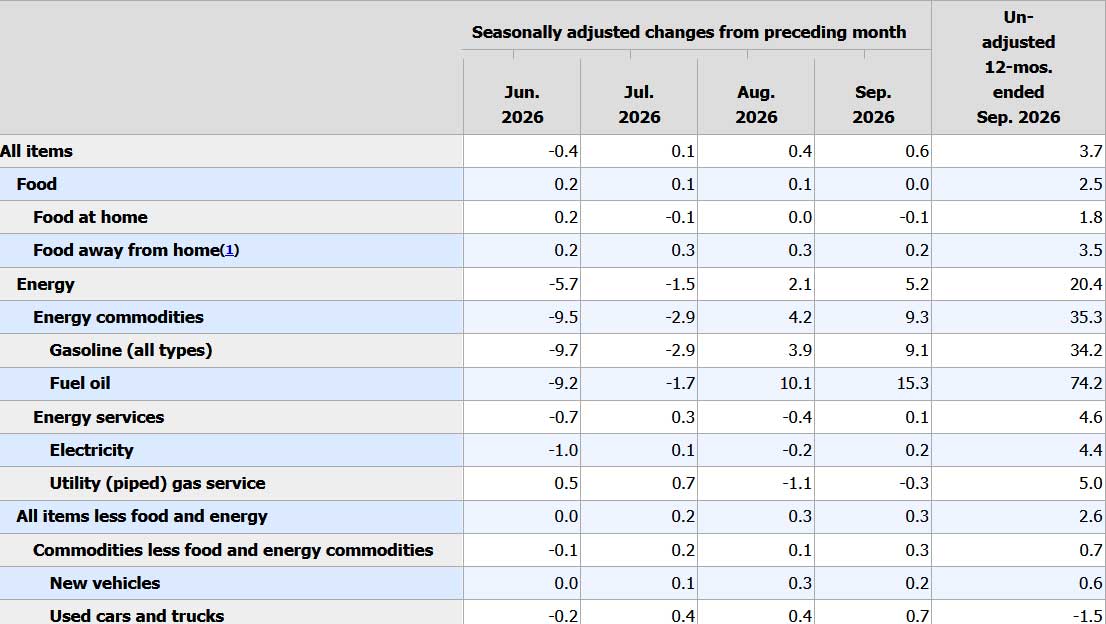
The president noted that the cost of living had risen and blamed it mainly on high energy costs.
“The rise in inflation has made it more difficult for our people to purchase goods and services. The main cause has been the state of war that developed in the Middle East,” he said. “That war had a major impact on our supply routes.”
He said global diesel prices had risen by about 88 per cent and petrol prices by 80 per cent since the US and Israel began bombing Iran, sparking the latest Middle East war.
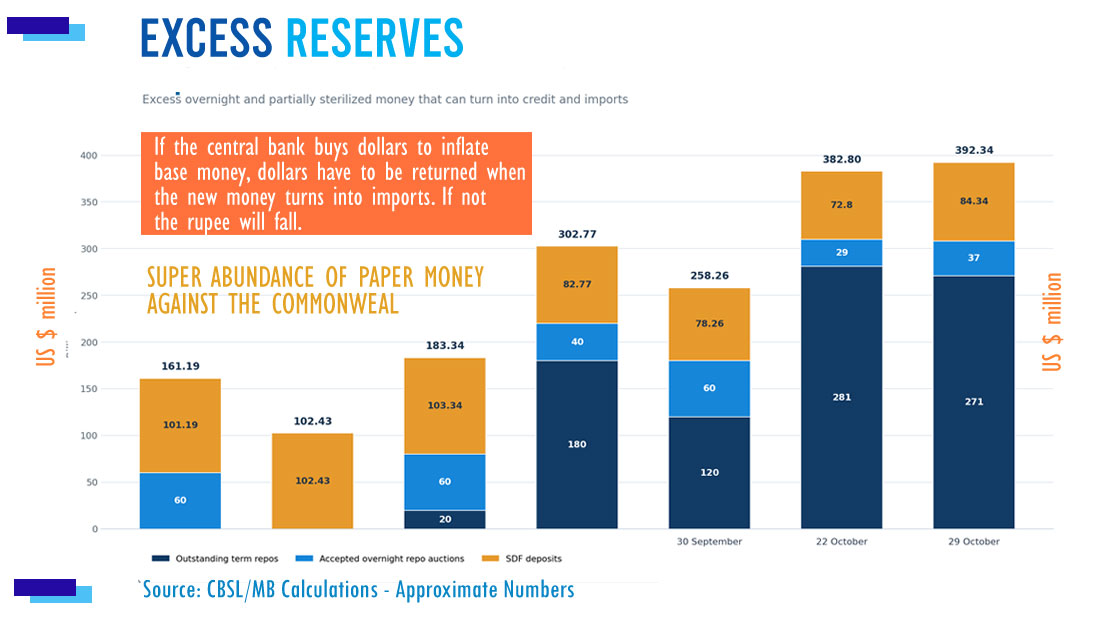
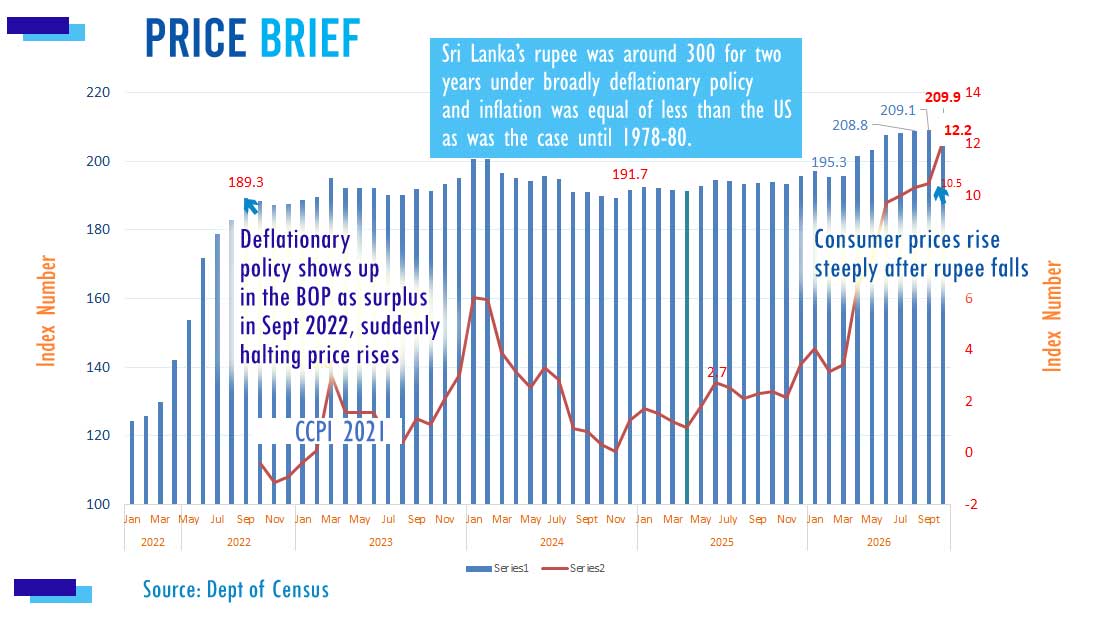
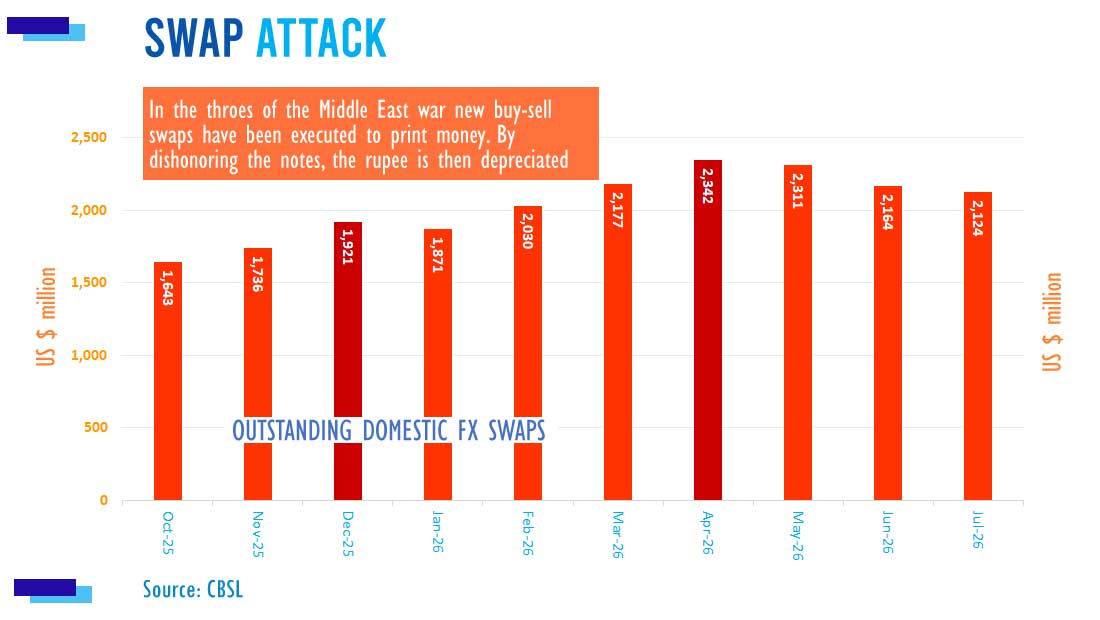
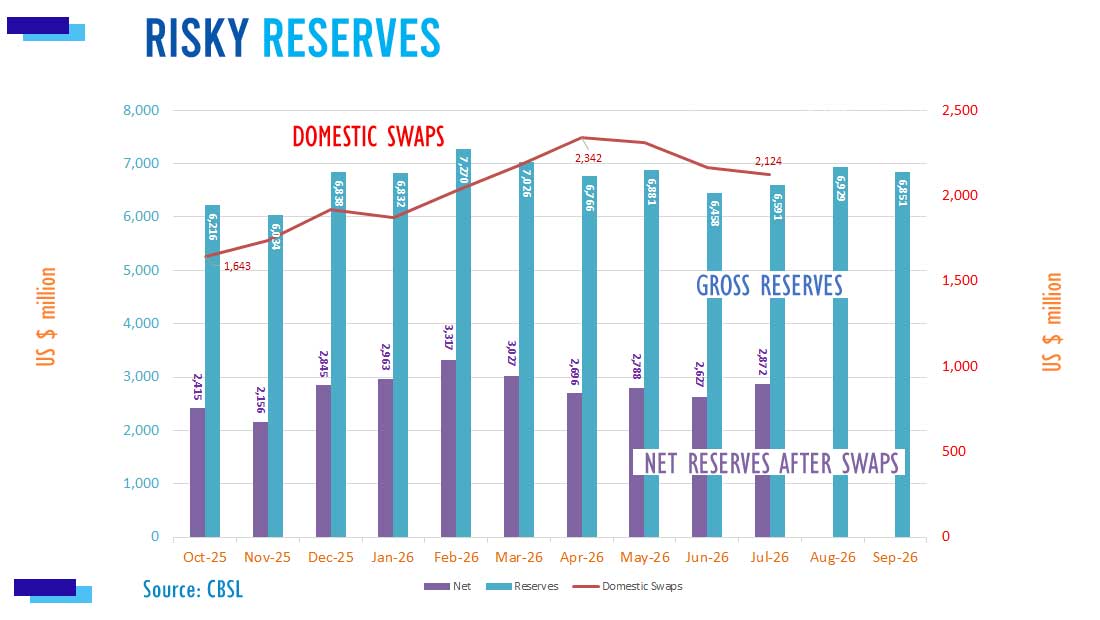
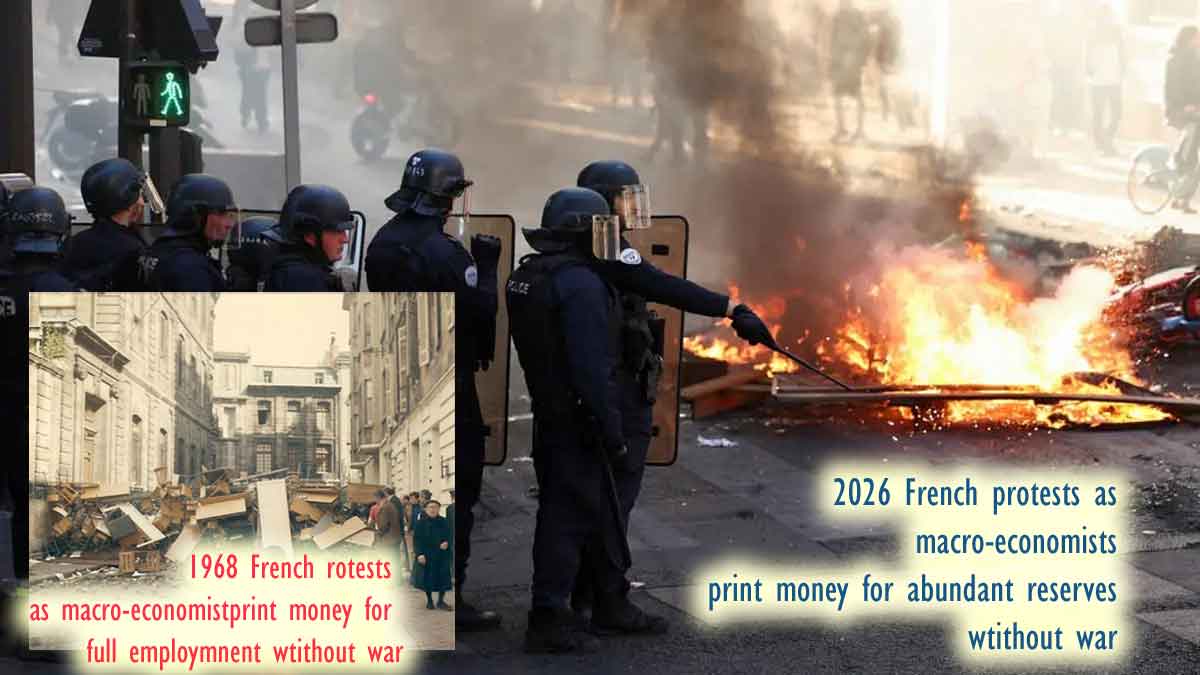
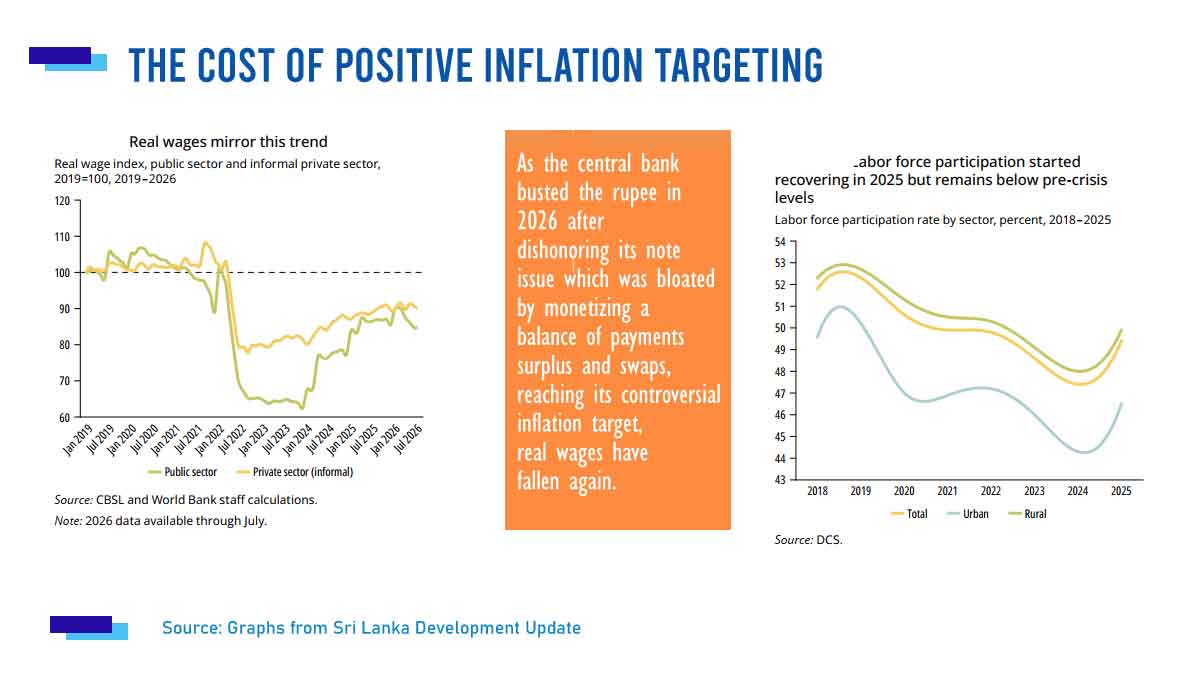
Sri Lanka's central bank busted the rupee in 2026, which has pushed up cost of fuel as well as foods and building materials, analysts have said.
Countries which maintained monetary stability have had lower overall inflation and lower import prices in domestic currency as well, analysts have said.
Hong Kong which imports all fuel and does not have any refineries like in Sri Lanka and diesel prices rose around 57 percent from February to September saw inflation of only only 1.9 percent.
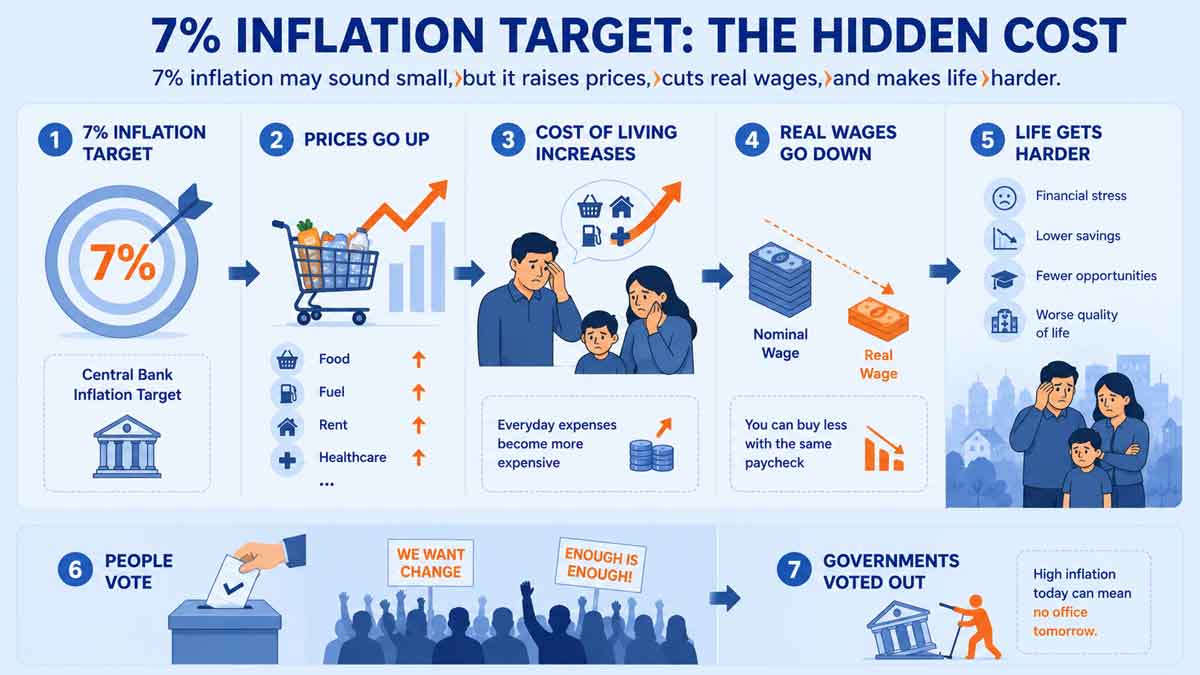
When central bank depreciate currencies and push up inflation, which rose to 8.3 percent in September, people hold the government accountable.
Meanwhile President Dissanayuake said the government continued to subsidise diesel by 70 rupees for every litre sold, he said.
He hoped to present several proposals in next month’s budget to offset the impact of fuel costs through other sectors, but did not elaborate.
“I believe we now need a new programme for economic transformation,” he said, adding that fisheries, agriculture, ports and logistics should be transformed to a new level to harness the country’s full growth potential.
He said 28 per cent of the country’s workforce was engaged in agriculture, a sector that contributed only 7 per cent to GDP. This underscored the low productivity and inefficiencies in agriculture, the president said.
“Unless we transform the labour engaged in agriculture into productive labour, we cannot achieve a major leap in agriculture.
“Through various legal restrictions, extensive land laws and laws governing paddy lands, farmers have been tied down rather than liberated. If we are to take this leap, we must free farmers from the laws that bind them. That is economic transformation.”
“We are preparing the necessary plans for that,” he added. The government was also working on plans to improve the productivity of small and medium-sized industries by providing them with capital at affordable rates, he said. (Colombo/Oct 31/2026)

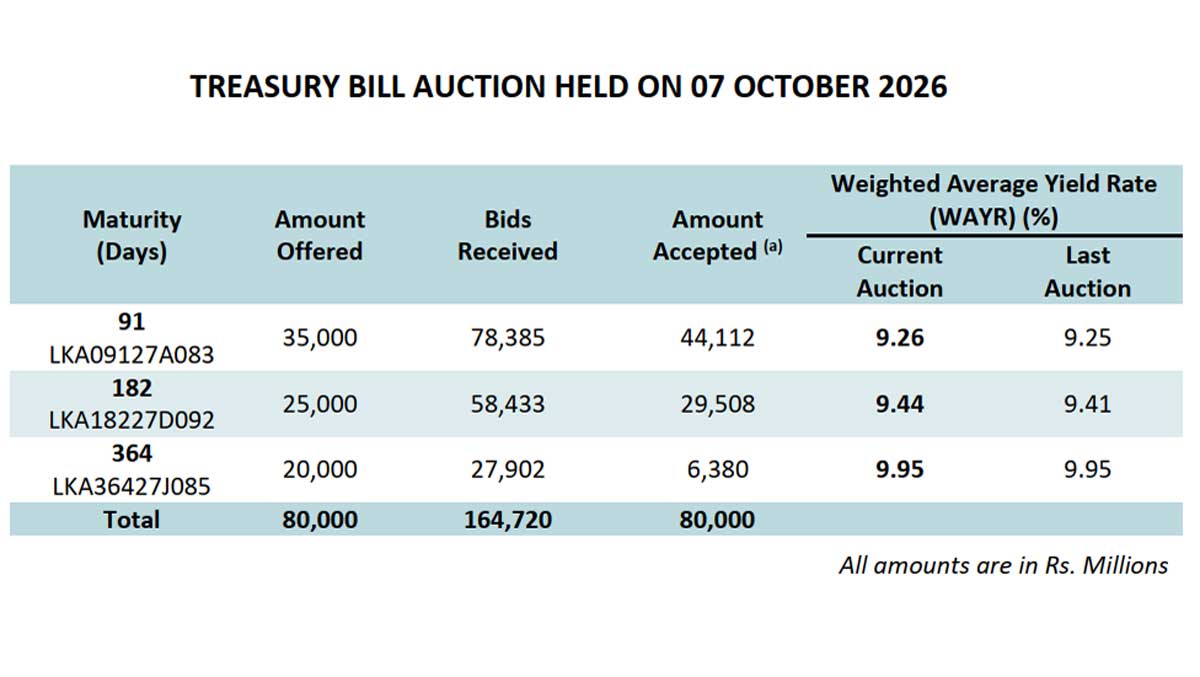
| 3 month bill | 9.26% | 1bp ▲ |
| 12-m bill | 9.95% | 2bp - |
| Gold (Ounce) | $4015 | - ▼ |









Comments
Be the first person to comment and join the debate