
Share your email and we'll share the latest news
Exclusive economic intelligence, political and business coverage
Friday, September 25 2026
Friday, September 25 2026
ALERTS :
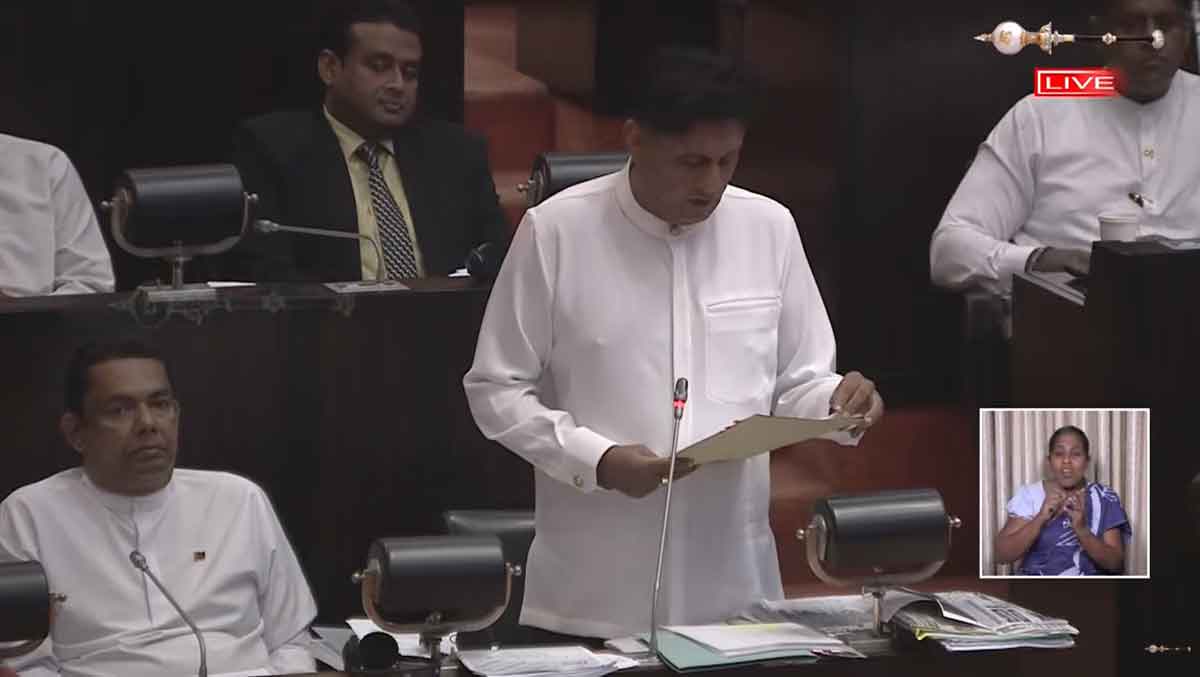
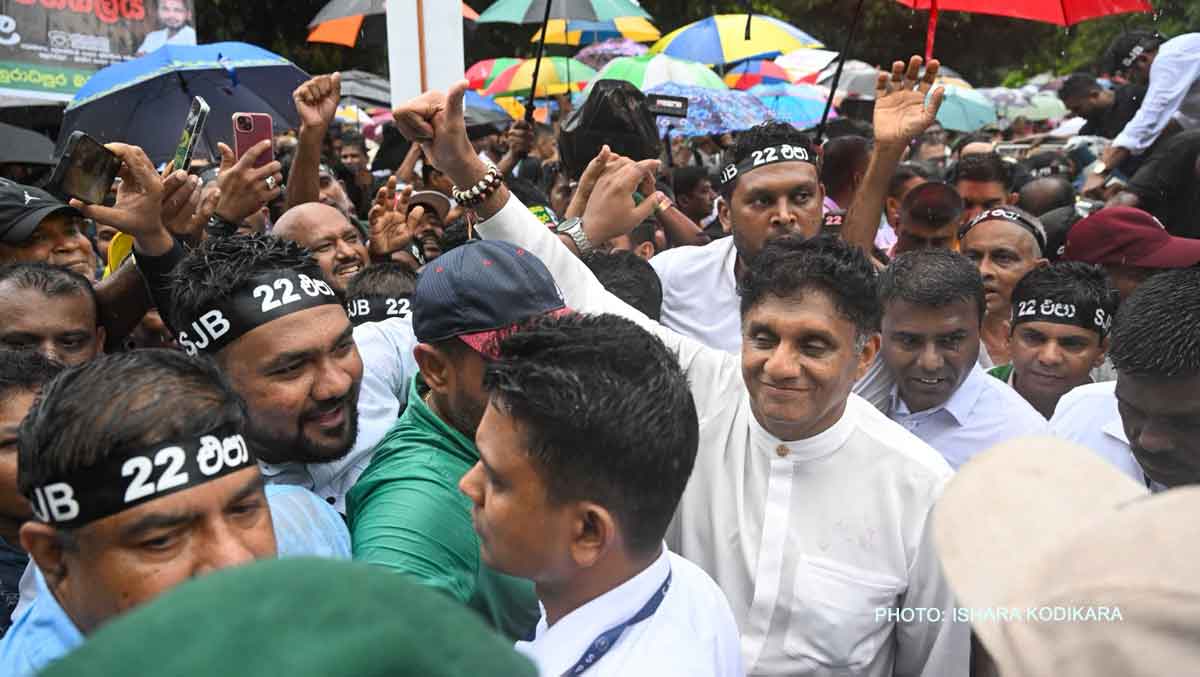
The 22nd Amendment to Sri Lanka Constitution Passed With Two Thirds Majority : Speaker
The 22nd Amendment to Sri Lanka Constitution Passed With Two Thirds Majority : Speaker
The 22nd Amendment to Sri Lanka Constitution Passed With Two Thirds Majority : Speaker
The 22nd Amendment to Sri Lanka Constitution Passed With Two Thirds Majority : Speaker
The 22nd Amendment to Sri Lanka Constitution Passed With Two Thirds Majority : Speaker
The 22nd Amendment to Sri Lanka Constitution Passed With Two Thirds Majority : Speaker
The 22nd Amendment to Sri Lanka Constitution Passed With Two Thirds Majority : Speaker
The 22nd Amendment to Sri Lanka Constitution Passed With Two Thirds Majority : Speaker
The 22nd Amendment to Sri Lanka Constitution Passed With Two Thirds Majority : Speaker
The 22nd Amendment to Sri Lanka Constitution Passed With Two Thirds Majority : Speaker
The 22nd Amendment to Sri Lanka Constitution Passed With Two Thirds Majority : Speaker
The 22nd Amendment to Sri Lanka Constitution Passed With Two Thirds Majority : Speaker
The 22nd Amendment to Sri Lanka Constitution Passed With Two Thirds Majority : Speaker
The 22nd Amendment to Sri Lanka Constitution Passed With Two Thirds Majority : Speaker
The 22nd Amendment to Sri Lanka Constitution Passed With Two Thirds Majority : Speaker
The 22nd Amendment to Sri Lanka Constitution Passed With Two Thirds Majority : Speaker
The 22nd Amendment to Sri Lanka Constitution Passed With Two Thirds Majority : Speaker
The 22nd Amendment to Sri Lanka Constitution Passed With Two Thirds Majority : Speaker
The 22nd Amendment to Sri Lanka Constitution Passed With Two Thirds Majority : Speaker
The 22nd Amendment to Sri Lanka Constitution Passed With Two Thirds Majority : Speaker
The 22nd Amendment to Sri Lanka Constitution Passed With Two Thirds Majority : Speaker
The 22nd Amendment to Sri Lanka Constitution Passed With Two Thirds Majority : Speaker
The 22nd Amendment to Sri Lanka Constitution Passed With Two Thirds Majority : Speaker
The 22nd Amendment to Sri Lanka Constitution Passed With Two Thirds Majority : Speaker
The 22nd Amendment to Sri Lanka Constitution Passed With Two Thirds Majority : Speaker
The 22nd Amendment to Sri Lanka Constitution Passed With Two Thirds Majority : Speaker
The 22nd Amendment to Sri Lanka Constitution Passed With Two Thirds Majority : Speaker
The 22nd Amendment to Sri Lanka Constitution Passed With Two Thirds Majority : Speaker
The 22nd Amendment to Sri Lanka Constitution Passed With Two Thirds Majority : Speaker
The 22nd Amendment to Sri Lanka Constitution Passed With Two Thirds Majority : Speaker
The 22nd Amendment to Sri Lanka Constitution Passed With Two Thirds Majority : Speaker
The 22nd Amendment to Sri Lanka Constitution Passed With Two Thirds Majority : Speaker
The 22nd Amendment to Sri Lanka Constitution Passed With Two Thirds Majority : Speaker
The 22nd Amendment to Sri Lanka Constitution Passed With Two Thirds Majority : Speaker
The 22nd Amendment to Sri Lanka Constitution Passed With Two Thirds Majority : Speaker
The 22nd Amendment to Sri Lanka Constitution Passed With Two Thirds Majority : Speaker
The 22nd Amendment to Sri Lanka Constitution Passed With Two Thirds Majority : Speaker
The 22nd Amendment to Sri Lanka Constitution Passed With Two Thirds Majority : Speaker
The 22nd Amendment to Sri Lanka Constitution Passed With Two Thirds Majority : Speaker
The 22nd Amendment to Sri Lanka Constitution Passed With Two Thirds Majority : Speaker
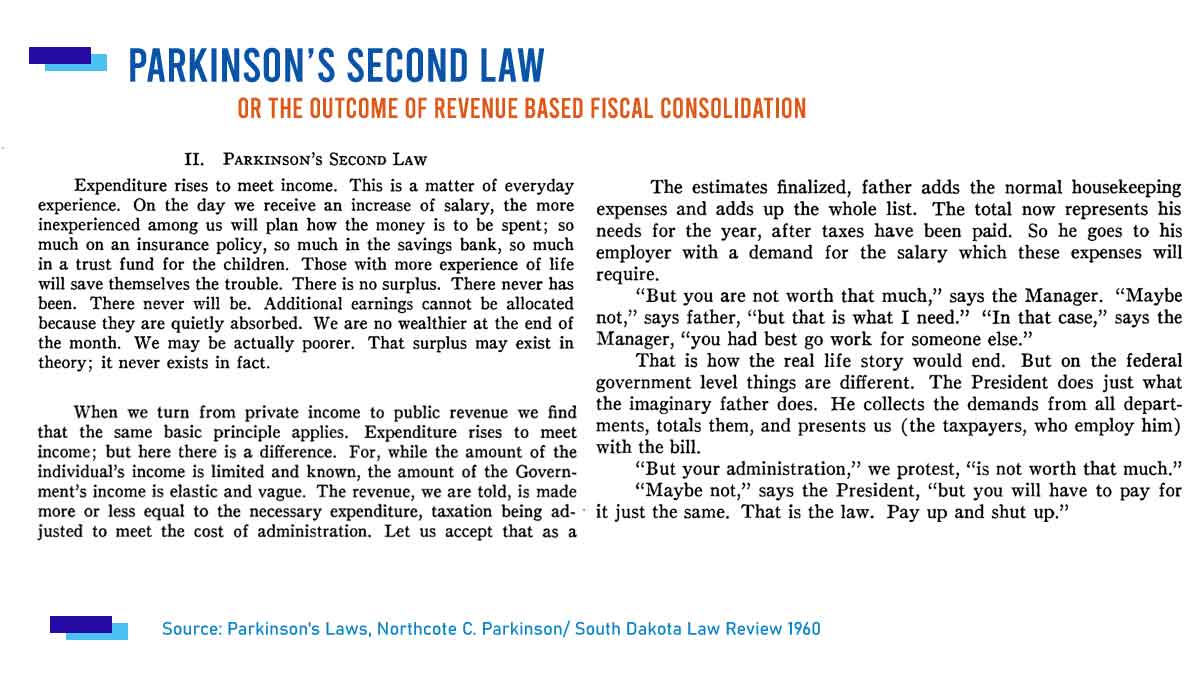
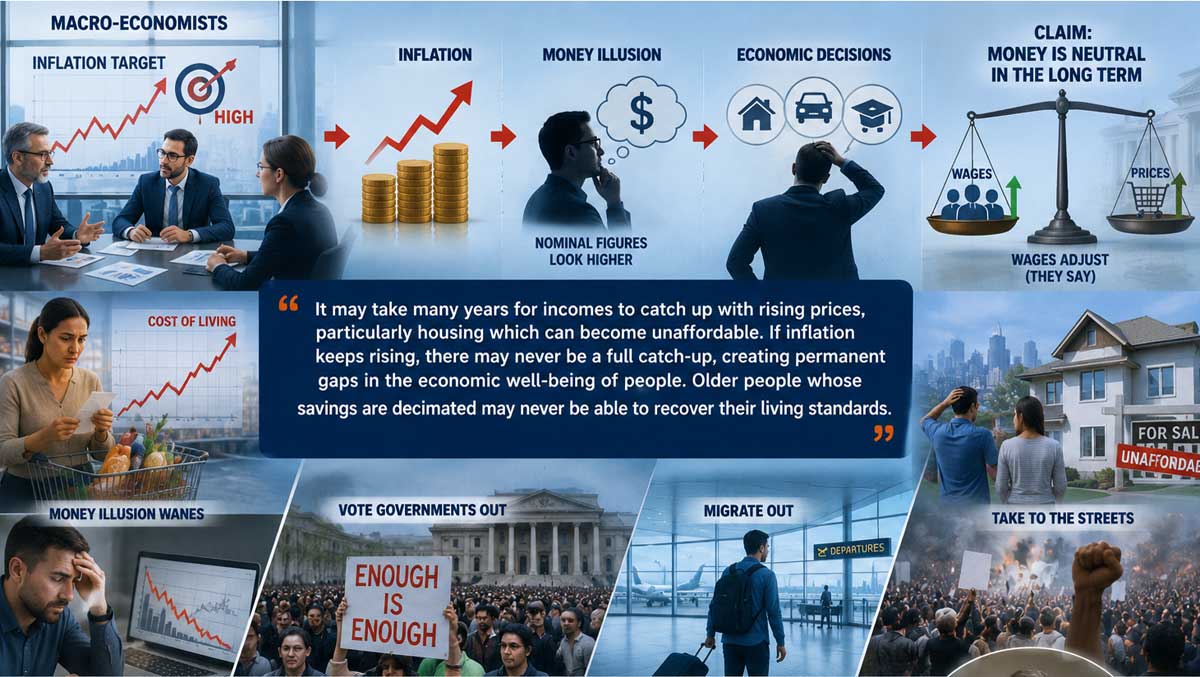 DELAYED REALITY : When the money illusion disappears from 'sticky' wages, the public blames the government, not positive inflation targeters
MONETABRIEF - Sri Lanka’s 5 percent inflation target distorts investment, arbitrarily redistributes wealth, and threatens external stability, argues an essay ahead of a review of the arbitrary number under a new monetary law.
Sri Lanka has seen serial currency crises, eventual external default, social and political unrest and in 2026 a currency collapse with a budget surplus from rate cuts made under the cover of a 5 percent inflation target.
Money Illusion
Macro-economists push up the cost of living with high inflation targets to trick the working class and others into making various economic decisions based on the money illusion (money is non-neutral in the short term) while claiming that money is neutral in the long term because wages adjust.
"It may take many years for incomes to catch up with rising prices, particularly housing which can become unaffordable," points out Ravi Rathnasabapathy in the paper, Rethinking Inflation Policy in Sri Lanka : When Prices Rise Faster Than Incomes.
"If inflation keeps rising, there may never be a full catch-up, creating permanent gaps in the economic well-being of people.
"Older people whose savings are decimated may never be able to recover their living standards as the destruction of pension funds and savings from the inflation target and its automatic and inevitable overshooting from currency collapses can never be restored.
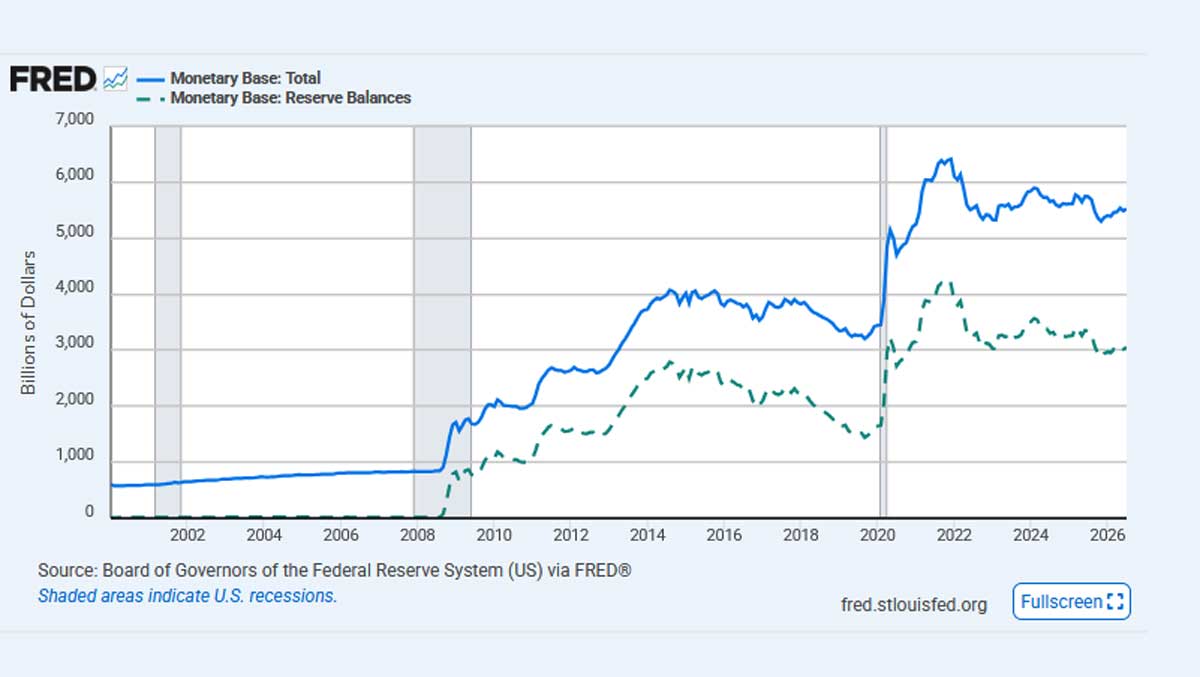
The paper comes as there is global inflation and instability and major central banks have been corrupted with abundant reserve regimes and floor systems (except for a few like the Sveriges Riksbank which is running a scarce reserve regime and Swiss National Bank which is running on operating framework leaning on the exchange rate).
Winner and Losers
Macro-economists are able to mislead the people and parliaments about inflation, using the Cantillon effect, where the excess liquidity give benefits for some economic agents in the initial stages, such as banks and initial borrowers can get a benefit.
"Even if economic agents fully anticipate inflation, monetary expansion will distort production decisions because newly created money enters through particular sectors and credit markets," Rathnasabapthy explains.
"Because new money does not enter proportionately across the economy, changes in demand, prices and investment patterns take place sequentially rather than uniformly."
People who bought a car, other goods or mostly completed construction of a house or building before the currency collapsed in 2026 for example would get a benefit from the central banks inflationary policies and swaps.
But everyone else is now impoverished or left with half completed projects which the initial loan cannot cover.
This was explained by Richard Cantillon centuries ago.
"..[N]ew money enters an economy at a specific point and... it takes time for the new money to permeate the economy," he explained.
"Since new money does not reach everyone at the same time, the injection of money increases the purchasing power of those who receive the new money first, enabling them to bid resources away from those who receive that money at a later time.
"As a result,relative prices will change, resources will be reallocated and income will be redistributed during the time interval between money injection and its final permeation in the economy."
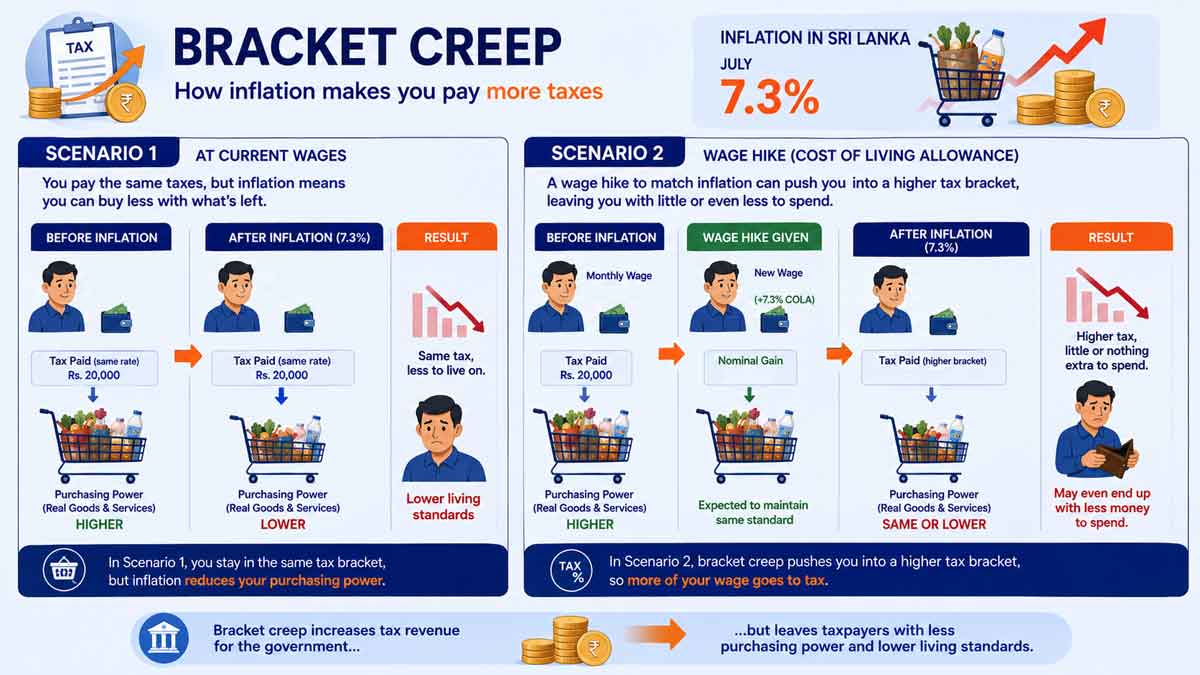
In the intervening period when the money illusion wanes and people realize that 'sticky' wages are not enough to live, they vote governments out of power and also take to the streets if monetary depreciation is high.
Even as hard hit workers strike the artful macro-economist or inflationist central banker will blame the victims saying they are creating 'wage-spiral inflation'.
Read the full essay here - Rethinking Inflation Policy in Sri Lanka : When Prices Rise Faster Than Incomes
The central bank seems to be pushing for a high inflation target at the expense of domestic stability in the belief that it somehow creates growth, as revealed by a staff paper, Rathnasabapathy points out.
But the central bank has no mandate for growth, or to create external crises in the process.
Sri Lanka's serial currency crises from inflationary policy (mid-corridor targeting and single policy rate) intensified after W A Wijewardene retired from the central bank, leaving the country exposed to the latest fads cooked up by academic inflationists from the Anglophone West, other analysts have pointed out.
Western academic inflationists (Stiglitz, Bernanke) pushed 'reflation' from around 2000 triggering a housing bubble and collapse by 2008. In the aftermath, quantitative easing and stimulus emerged, reviving monetary frameworks that were debunked by 19th century classical economists.
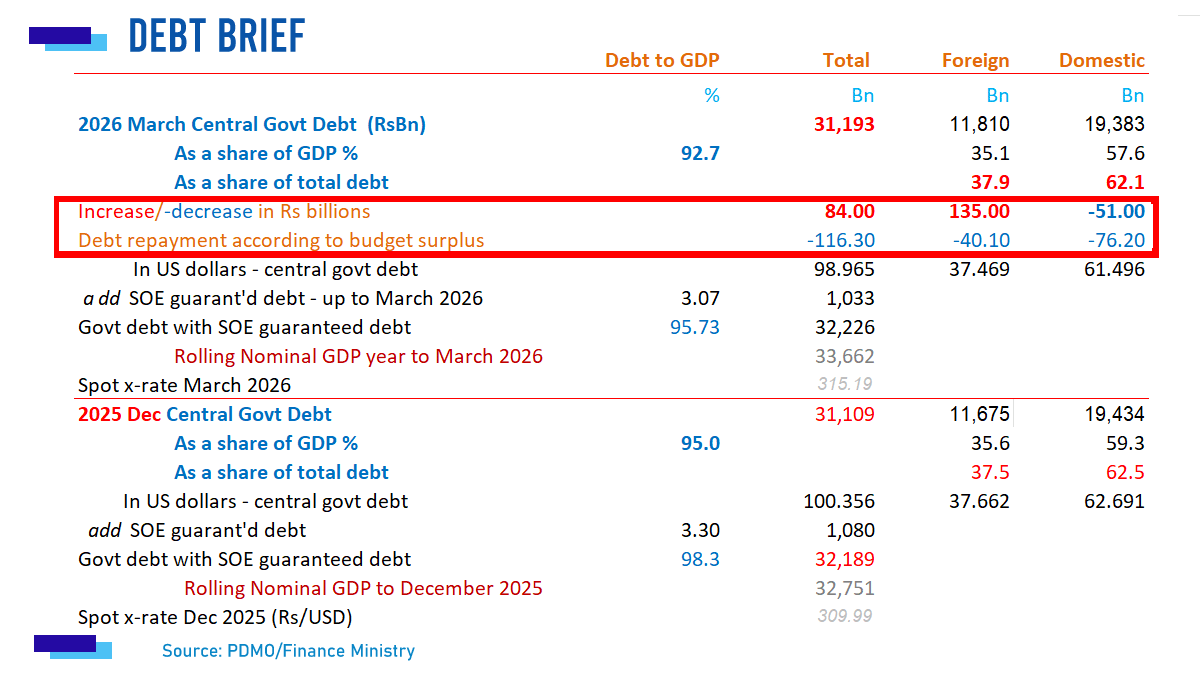
Now all those countries are in fiscal trouble. Switzerland (central government debt to GDP around 17-pct and Sweden (around 19-pct) has held on with better central banks.
The monetary corruption also flowed into Sri Lanka through IMF monetary technical assistance (potential output in 2015 and the single policy rate now after default).

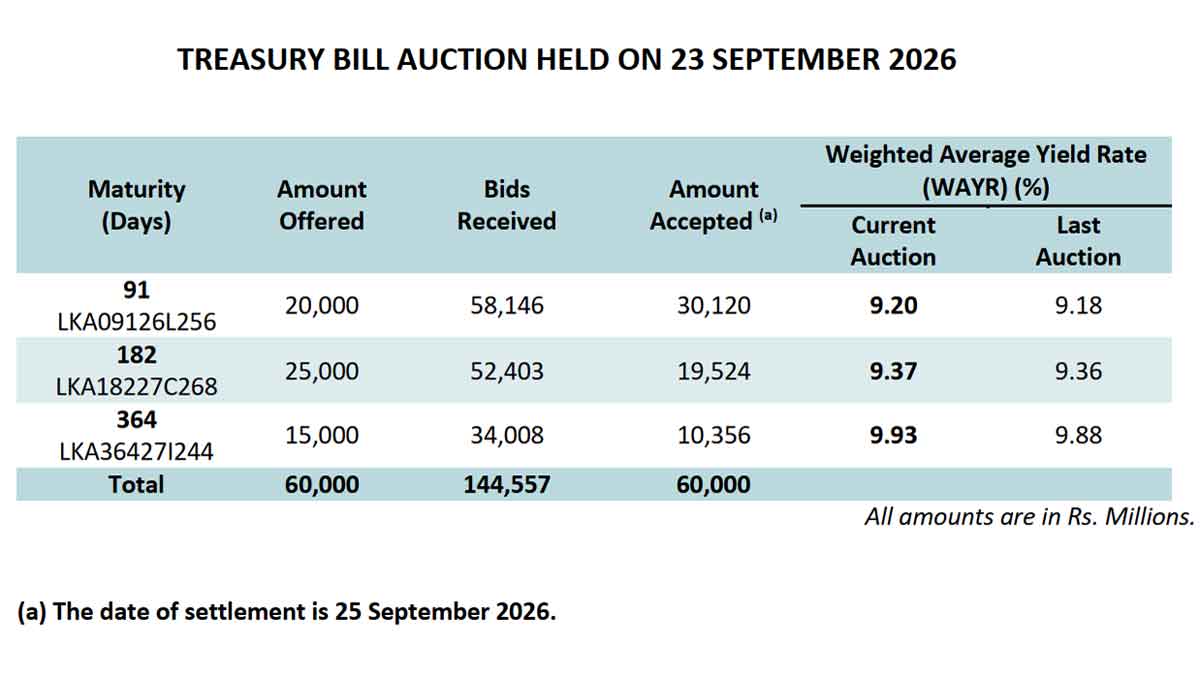
| 3 month bill | 9.22% | 22bp ▼ |
| 12-m bill | 9.91% | 10bp ▼ |
| Gold (Ounce) | $4602 | - - |









Comments
Be the first person to comment and join the debate