
Share your email and we'll share the latest news
Exclusive economic intelligence, political and business coverage
Wednesday, November 18 2026
Wednesday, November 18 2026

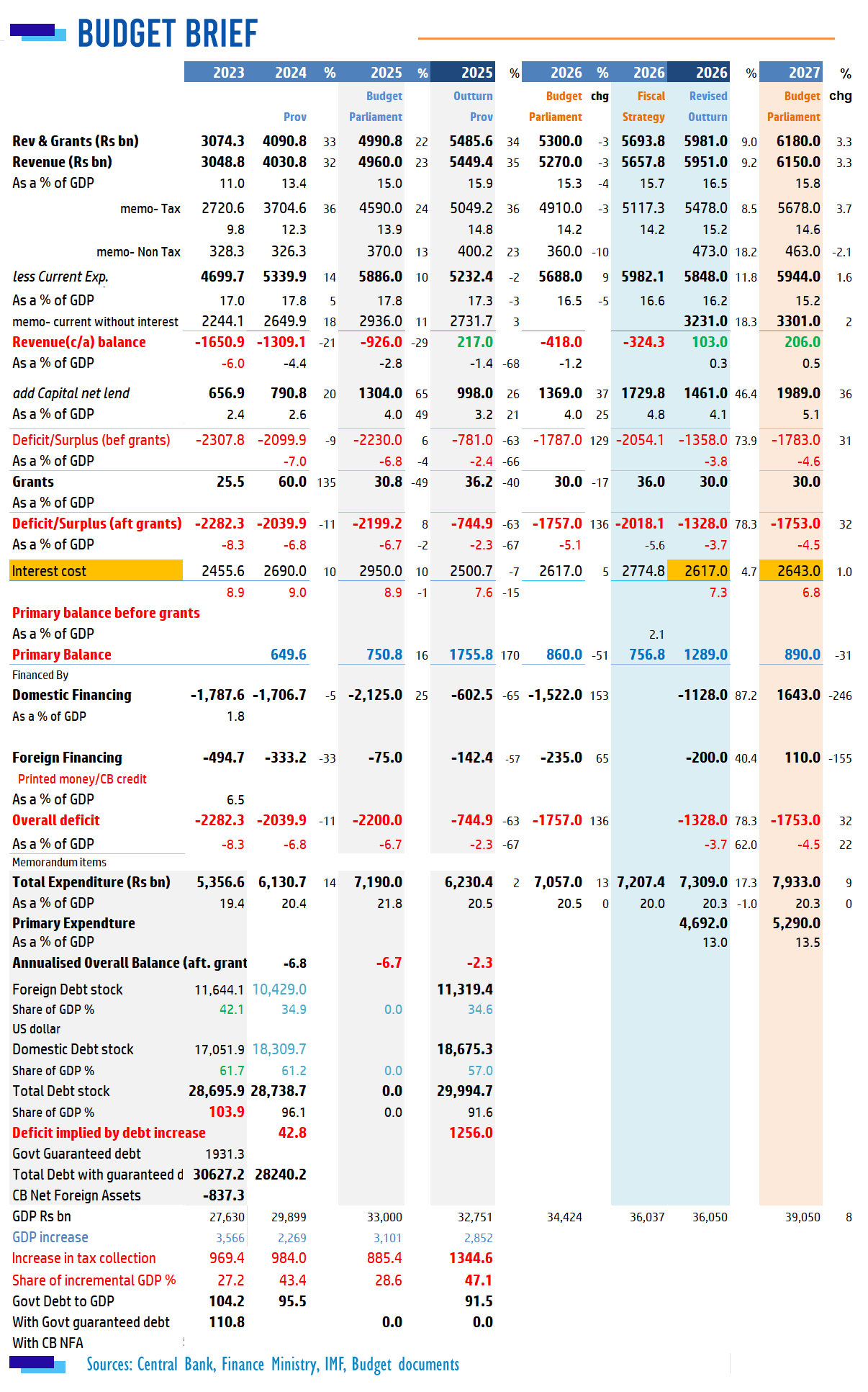
MONETABRIEF - Sri Lanka has boosted capital spending to 4.1 percent of gross domestic product in 2026, up from 3.2 percent in 2025, while nominal growth was 48 percent amid renewed monetary instability generated by the central bank, revised estimates show.
Primary spending has been contained at the statutory 13 percent of revised GDP.
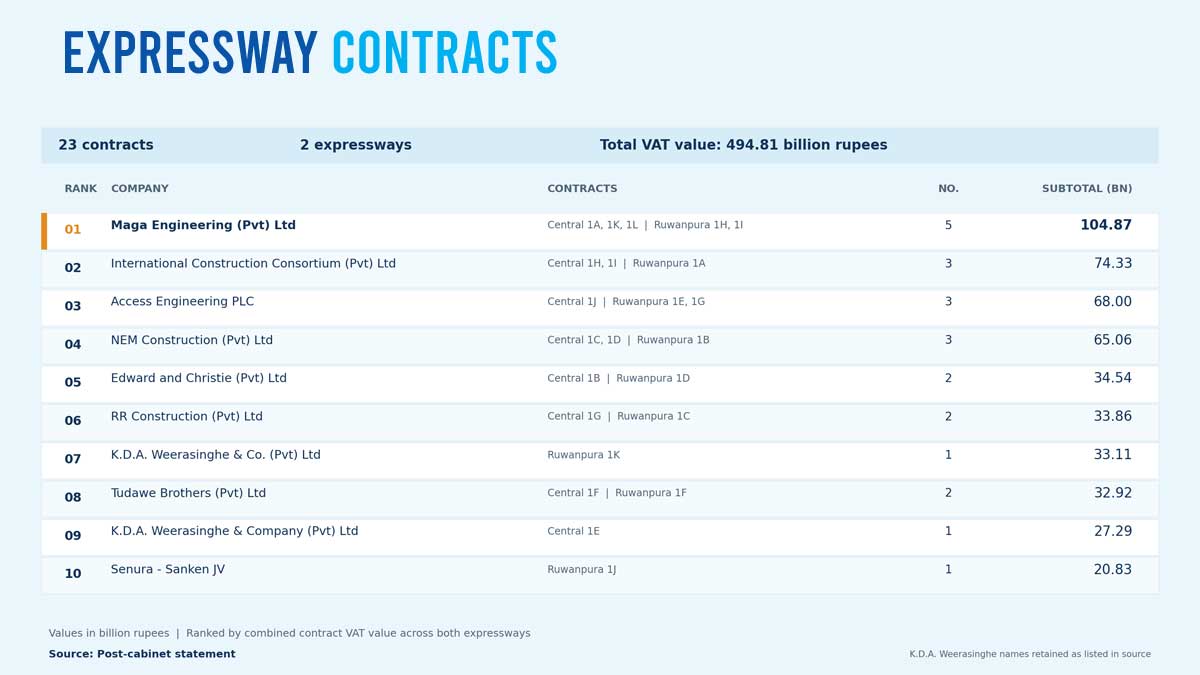
Capex Growth
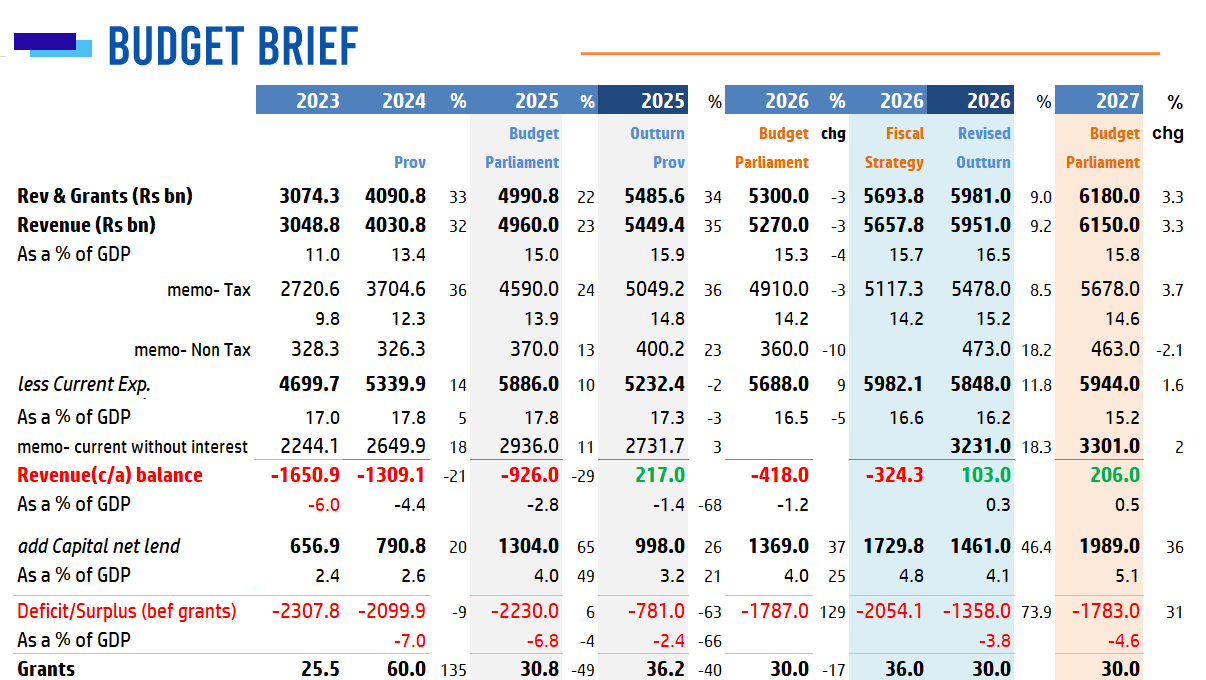
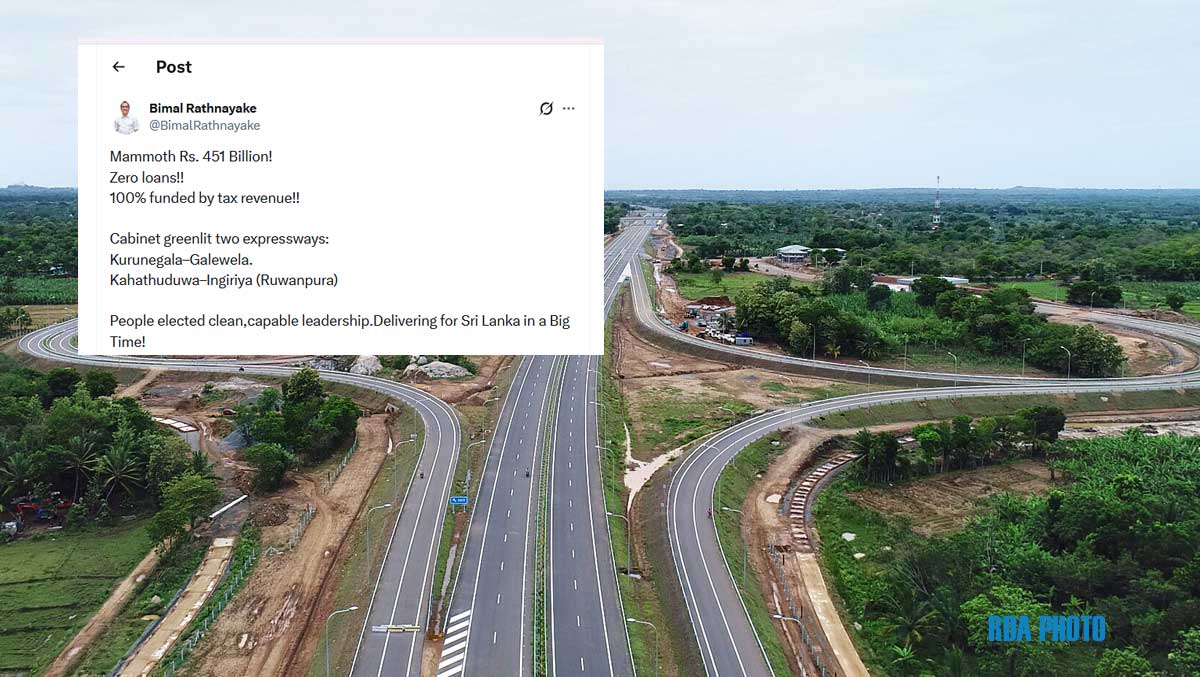
Sri Lanka planned to spend 1,729 billion rupees as capex in 2026 after Ditwah, up from an original 1,369 billion rupees.
Revised estimates presented to parliament in November projected 2026 year-end capex to be 1,461 billion rupees, up from 998 billion rupees in 2025.
Up to September 2026, capex was lower allowing the budget to run a surplus. However, contractors submit bills in the last two months, leading to higher payouts in the last weeks of the year.
Inflation by the central bank may also boost nominal numbers.
Macro-economists Hammer People
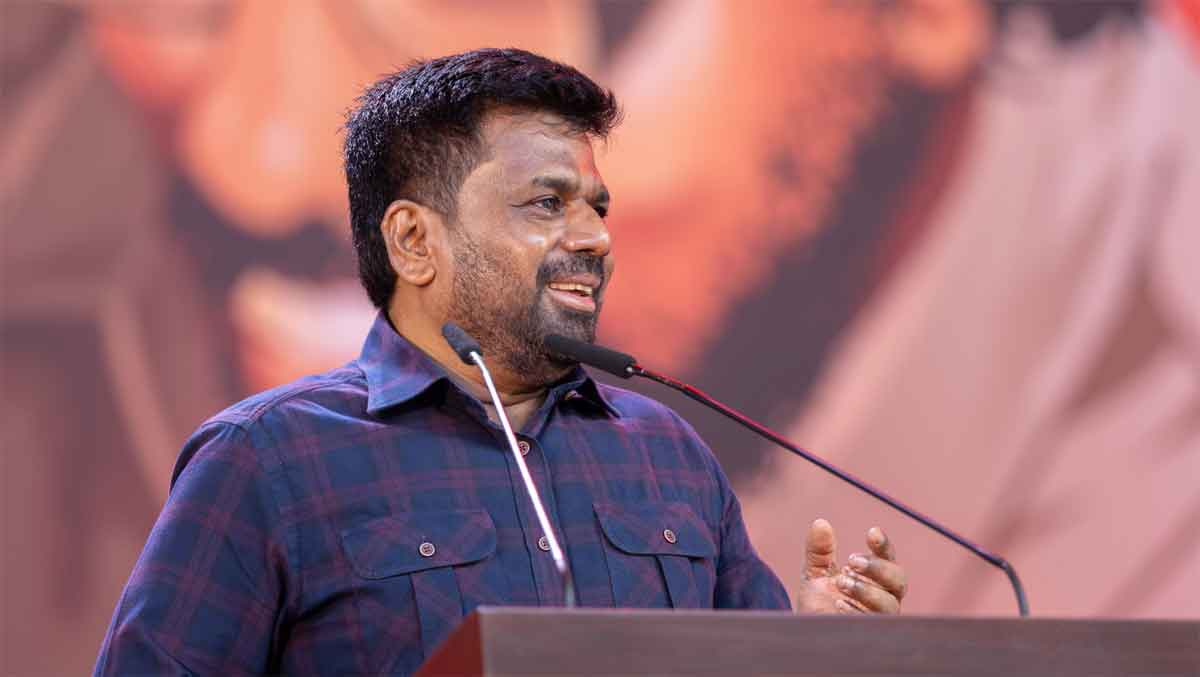
Macro-economists hammered the people and also the government of Anura Dissanayake by busting the currency from 300 to 330 to the US dollar in the second quarter by dishonoring money printed by monetizing earlier balance of payments surpluses.
Debasing the currency inflates prices of all capital projects. Some projects where contractors had not sought cost escalation was stalled after the currency collapse and additional payments were sought.
There has been no accountability for the central bank.
The revised estimate for current spending is 5,848 billion rupees, up 11.8 percent from 2026.
Current Account Surplus
A current account surplus of 103 billion rupees is still projected for 2026.
If achieved, the 2026 will be the second year running after 1987 that there is a current account surplus. Sri Lanka ran a current budget surplus of 217 billion rupees in 2025 with almost no inflation.
Capex costs rise almost immediately when the central bank busts the rupee but the salary hikes are delayed till the next budget, allowing macro-economists spread a narrative that inflation benefits the budget.
When central banks boost inflation, it is difficult to run current account surpluses.
Current spending is contained by delaying salary hikes, which lead to strikes and picketing.
This year the budget was debated as some state workers demonstrated in front of the parliament.
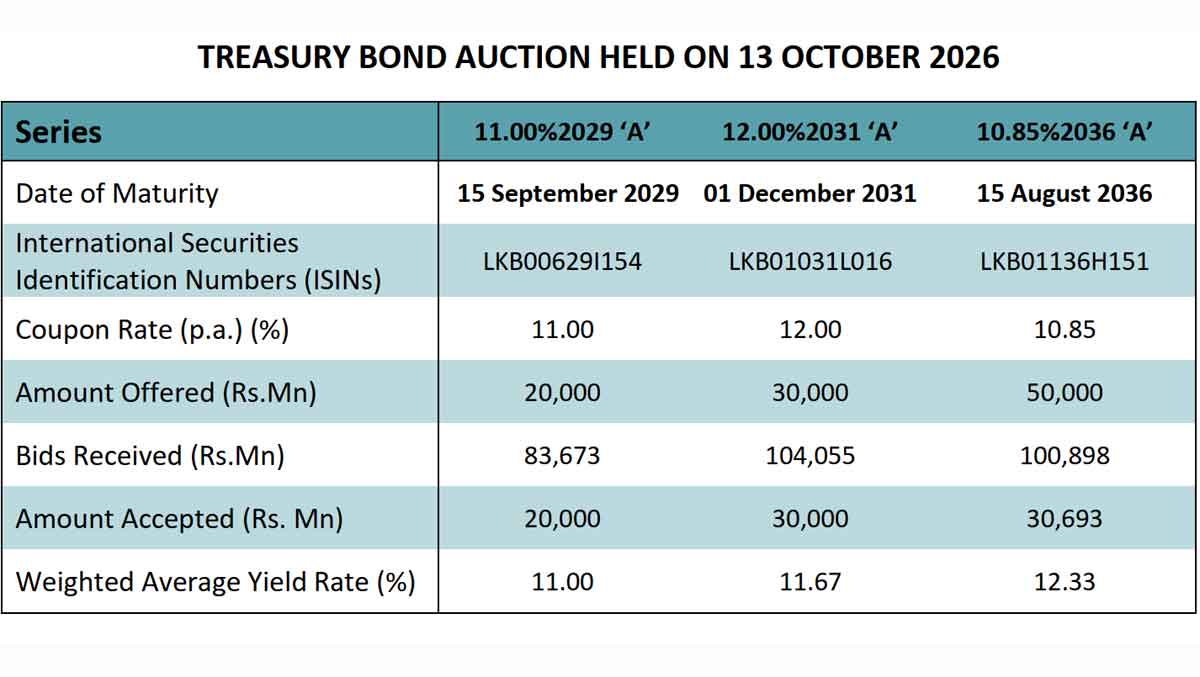
Nominal interest rates also go up amid high inflation eating up a giant share of the budget.
High Interest Costs
The central bank started to push up nominal interest rates by destroying the rupee and capital from around 1980 after the IMF's Second Amendment to its Articles allowed the agency to escape accountability for high inflation and drive up nominal interest rates.
Even in 2026 after years of flexible inflation targeting and two years of monetary stability that ended, interest costs made up 7.3 percent of GDP, slightly down from 7.6 percent in 2025.
The total primary spending (current spending without interest and capex) was 4,692 billion rupees, or 13 percent of GDP in line with a fiscal management law.
Based on revised GDP projection in the budget of around 36 trillion rupees, the deficit for 2026 is estimated at 3.7 percent of GDP or 1,328 billion rupees, higher than 2.3 percent in 2025.
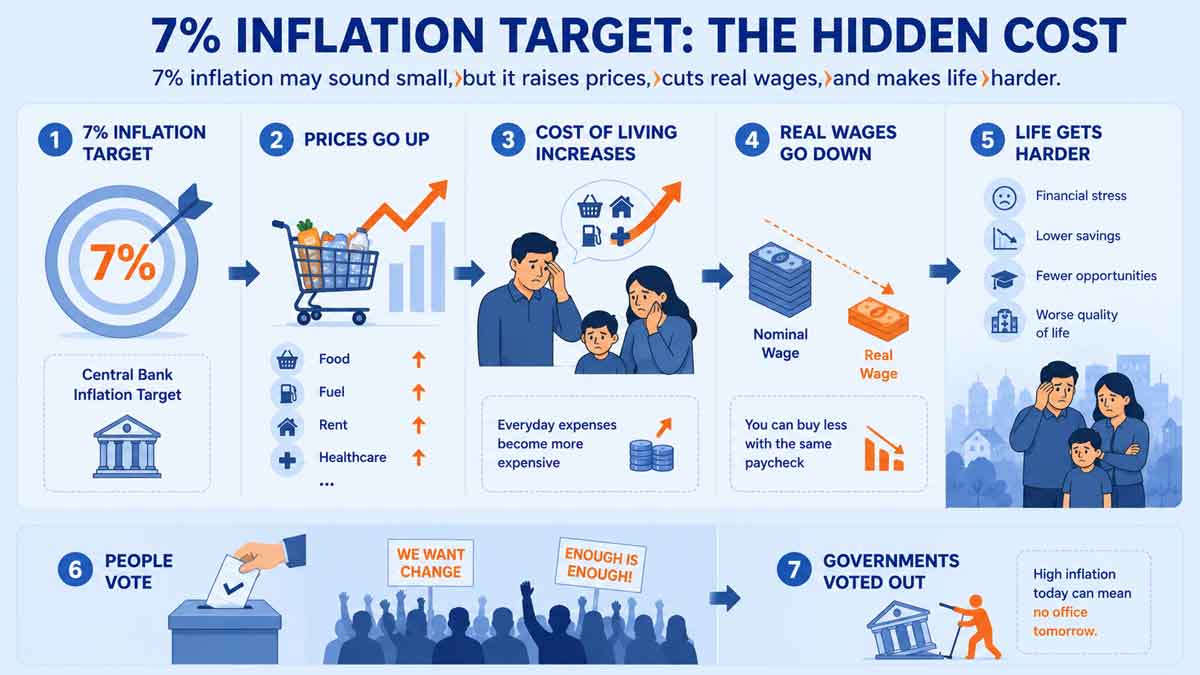
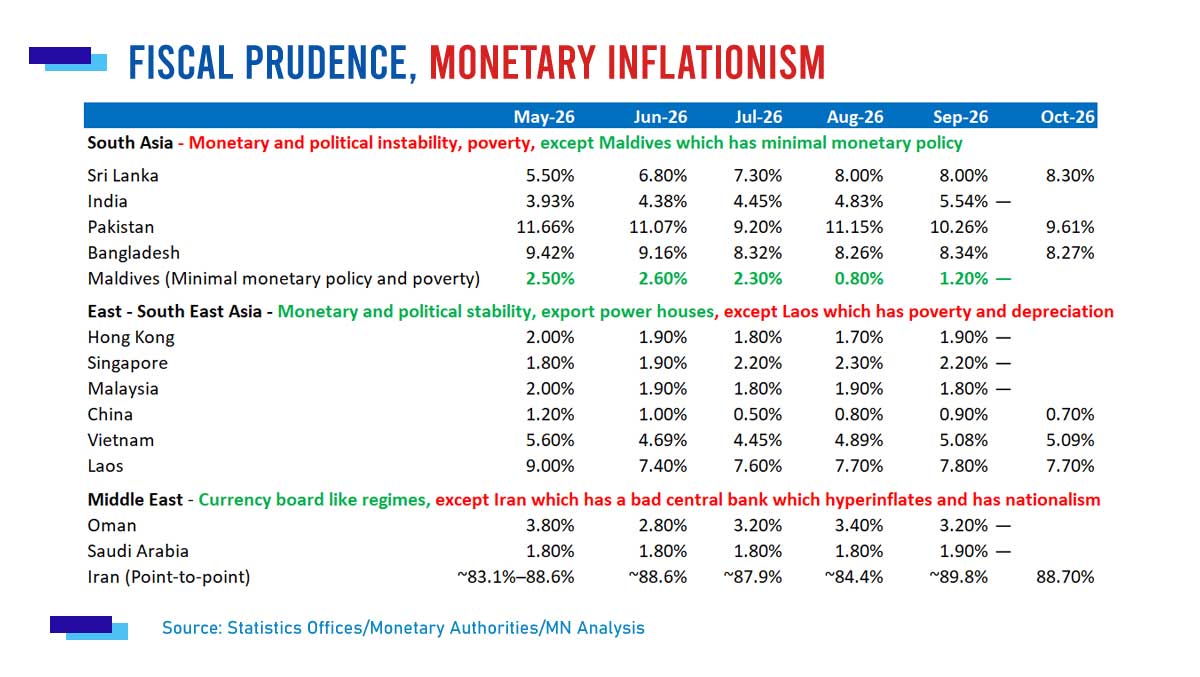
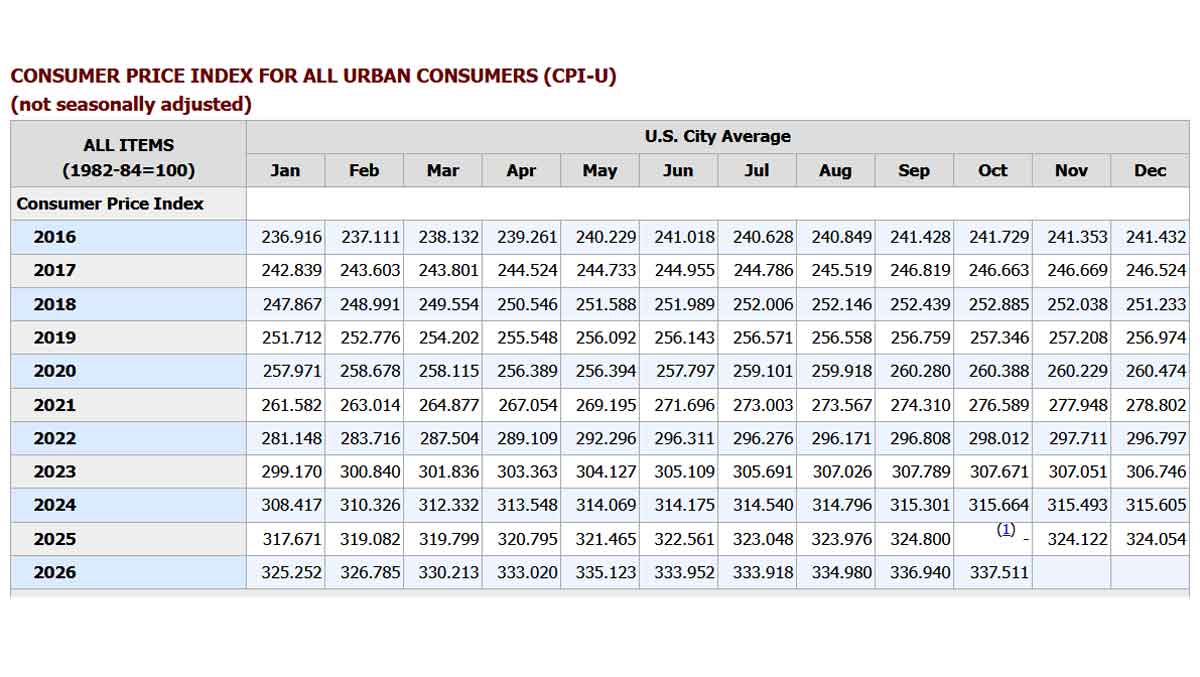
Inflation by index had risen to 8.3 percent by November reaching and exceeding the central bank's controversial target to reflate a stabilized economy by 7 percent a year.

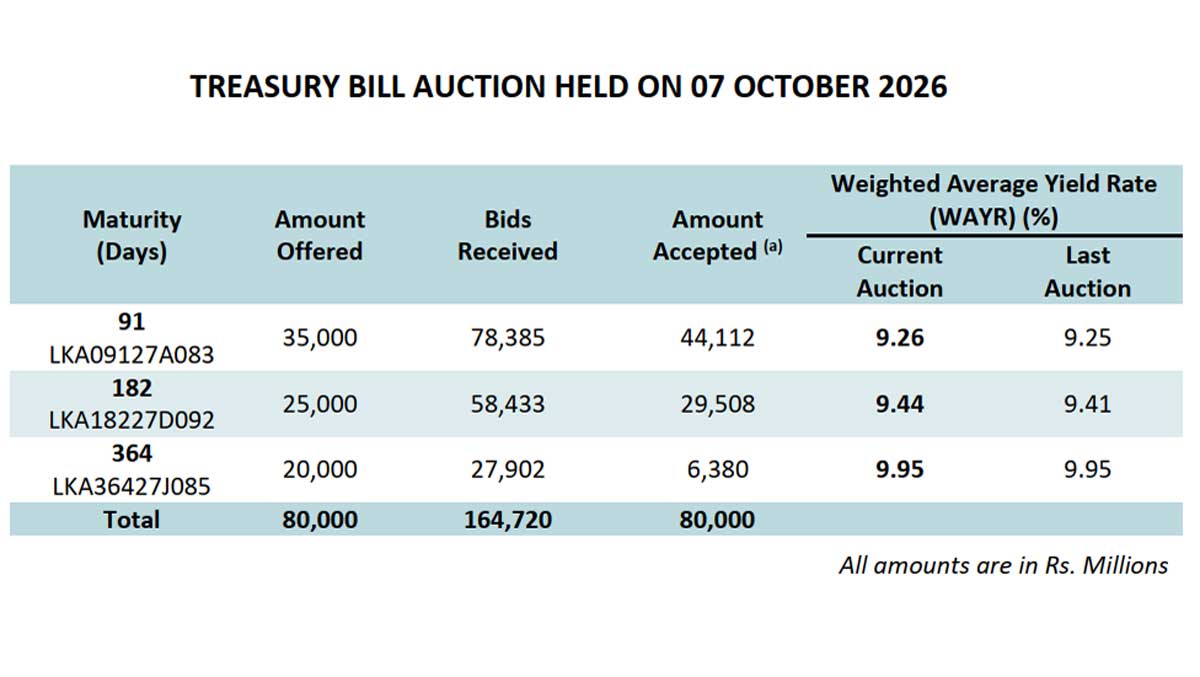
| 3 month bill | 9.26% | 1bp ▲ |
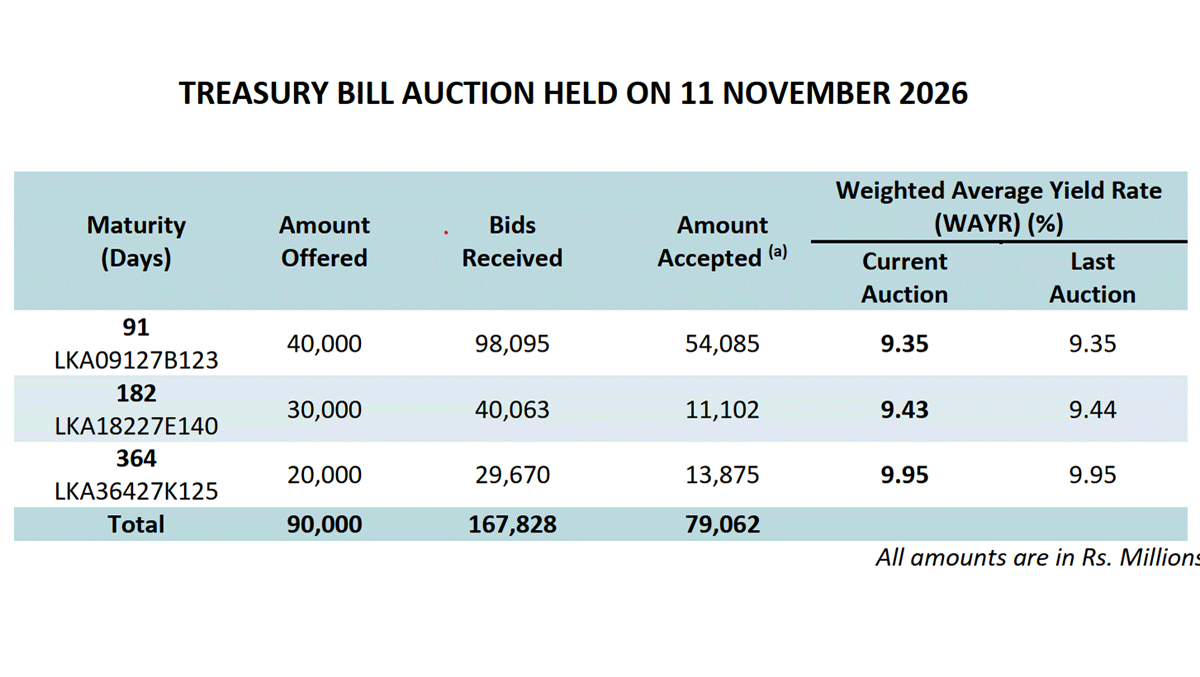
| 12-m bill | 9.95% | 2bp - |
| Gold (Ounce) | $4015 | - ▼ |








Comments
Be the first person to comment and join the debate