
Share your email and we'll share the latest news
Exclusive economic intelligence, political and business coverage
Friday, October 23 2026
Friday, October 23 2026
MONETABRIEF - Sri Lanka has recorded a surplus in the current account of the budget in 2025 for the first time since 1987, official data showed, after tax rates were hiked in the wake of economic crisis and the central bank maintained exchange rate stability for three years, keeping inflation low.
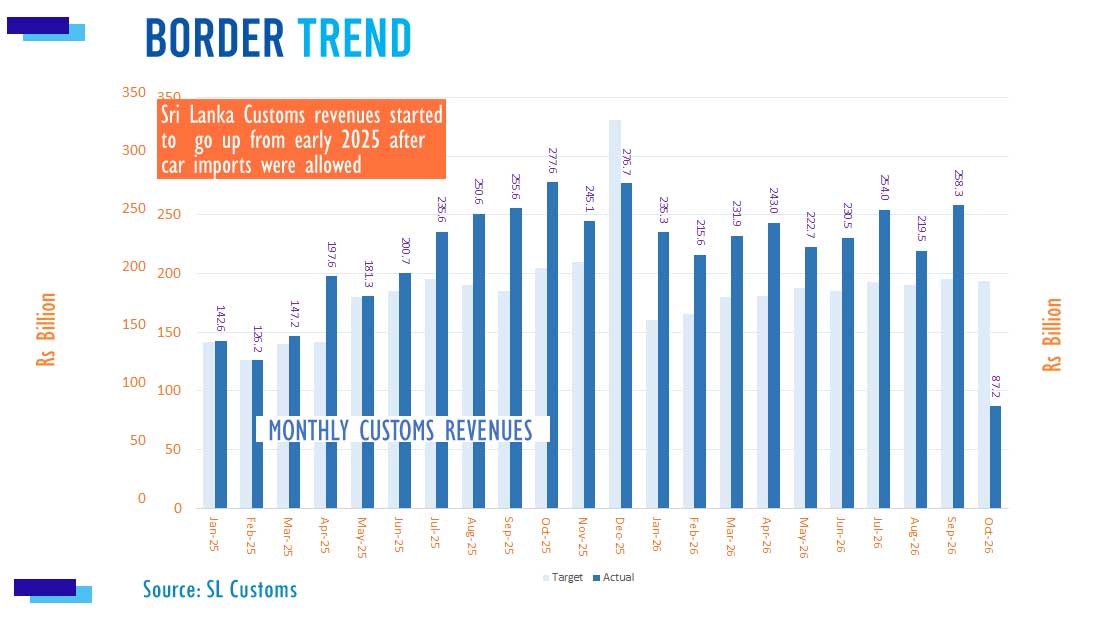
Tax revenues surged 36 percent to 5,049 billion rupees in 2025 partly helped by taxes on car imports which were resumed last year after blocking them as forex shortages emerged from inflationary rate cuts in 2020.
Blocking highly taxed imports, especially cars, and depriving tax revenues to government, torpedoing fiscal metrics, is a frequent tactic of macro-economists after they trigger forex shortages with inflationary rate cuts.
In 2025, current spending fell 2 percent to 5,232 billion rupees.
As a result of strong revenues and the absolute fall in current spending, Sri Lanka reported a current account surplus in the budget of 217 billion rupees, after 38 years.
The central bank strongly helped keep spending down by keeping inflation low (missing the inflation target) despite some depreciation of the currency, especially in the latter part of the year.
Sri Lanka last reported a current account surplus in 1987.
Monetary depreciation and uncontrollable spending
Sri Lanka's interest costs were 2,500 billion rupees in 2025, down from 2,690 billion in 2024 and below a budgeted 2,950 billion rupees, helping keep down current spending.
A stronger monetary standard leads to lower interest rates. In the past before the age-of-inflation, silver-standard countries that depreciated (like India) had higher interest rates than gold, such as the sterling.
After the collapsed of the Bretton Woods, countries that had appreciating currencies, like Singapore, Japan, as well as Germany and Switzerland had lower interest rates and others.
Sri Lanka's nominal interest rates and inflation started to surge in the early 1980s, after IMF's Second Amendment to its articles, triggered steep depreciation and allowed central bankers to escape accountability for runway monetary debasement.
The monetary depreciation and resulting inflation made budgets impossible to manage.
At the time Sri Lanka's Treasury was also run by inflationist macro-economists seconded from the central bank who ignored advice from Singapore's economic architect Goh Keng Swee.
He was invited by then President J R Jayewardene to advice on monetary stability and economic fixes after the country was driven to an IMF program after the most radical economic reforms and liberalization in the history of the island nation.
Before currency depreciation and high inflation promoted by macro-economists, it was easy for countries not only to run current account surpluses (called the Golden Rule of Budgeting) but also to run overall budget surpluses simply by cutting spending.
Now current spending rise with inflation, including wage bill and interest costs.
Most countries lost the ability to run budget surpluses after the collapse of gold standard.
The US for example was able to run budget surpluses in the late 1990s for the first time since the collapse of the Bretton Woods, when the that country's currency went off gold.
However macro-economists claimed there was 'deflation', and 'reflated' the US and fired the an asset price bubble (now known as the housing bubble) and commodity bubble (known as food crisis and also oil).
But the US again lost the ability as the country was reflated under doctrine promoted by the likes of Bernanke and Stiglitz triggering the housing bubble.
Some taxes finance capital spending for the first time in nearly 4 decades
Capital expenditure in Sri Lanka was 998 billion rupees in 2025, higher than 790 billion rupees in 2024.
Sri Lanka's overall budget deficit was 744.9 billion rupees in 2025, down from 2,039 billion a year earlier.
With a current account surplus of 217 billion rupees, a part of the capital spending in the budget was for the first time since 1987, financed with taxes.
Sri Lanka has been spending money on non-current spending to please macro-economists for stimulus purposes (push up growth numbers) without regard to actual long-term returns or evaluation of project priorities in the past.
But the new administration has said it focus on priority projects that bring returns beyond the one year.
Debt to GDP down to 91-pct
In 2025 central government domestic debt grew to 18,675 billion rupees, from 11,319 billion rupees. Foreign debt grew to 11,319 billion rupees from 10,429 billion rupees.
Central government debt to GDP fell to 91.6 percent in 2025, from 96.1 percent. There are some additional SOE debt.
With aggressive monetary depreciation in 2026, the gains can be easily reversed.
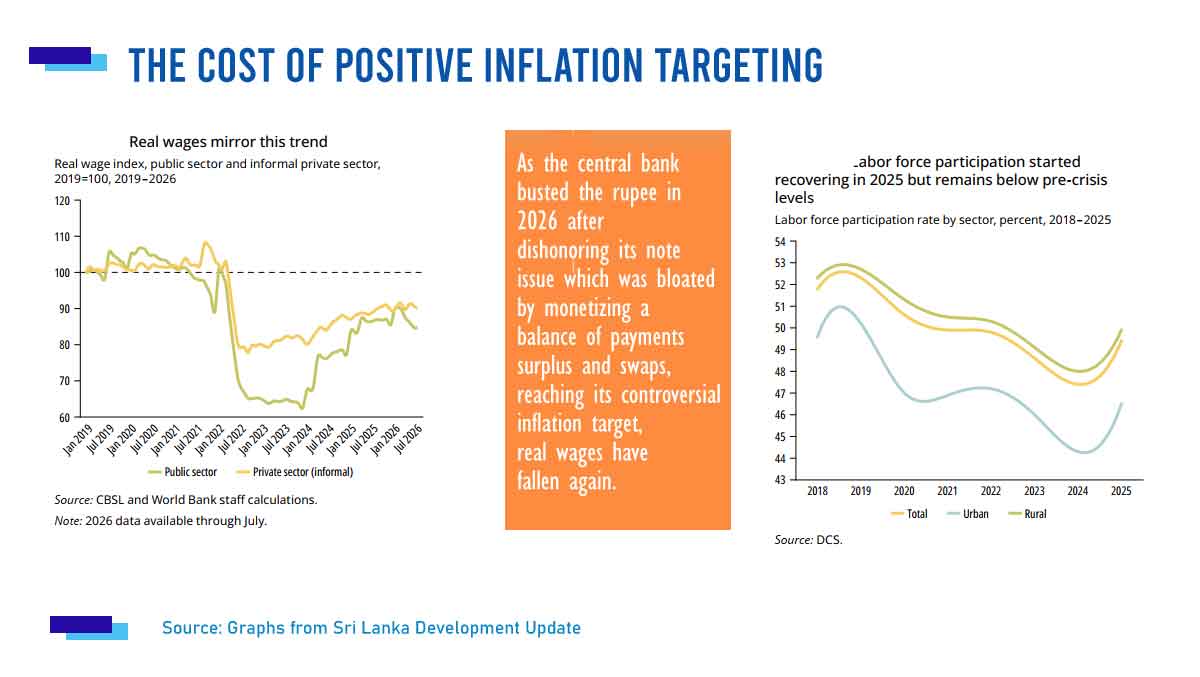
Foreign debt also inflates with monetary depreciation, while simultaneously reducing disposable incomes of people forcing lower consumption of real goods and capping living standards and tax revenues at existing income levels.
Monetary depreciation from a deeply flawed operating framework of IMF prone countries have also been legitimized through inflationist doctrines like 'exchange rate as the first line of defence' critics say, again allowing officials to escape accountability for debasement and social and political unrest that inevitably follow.
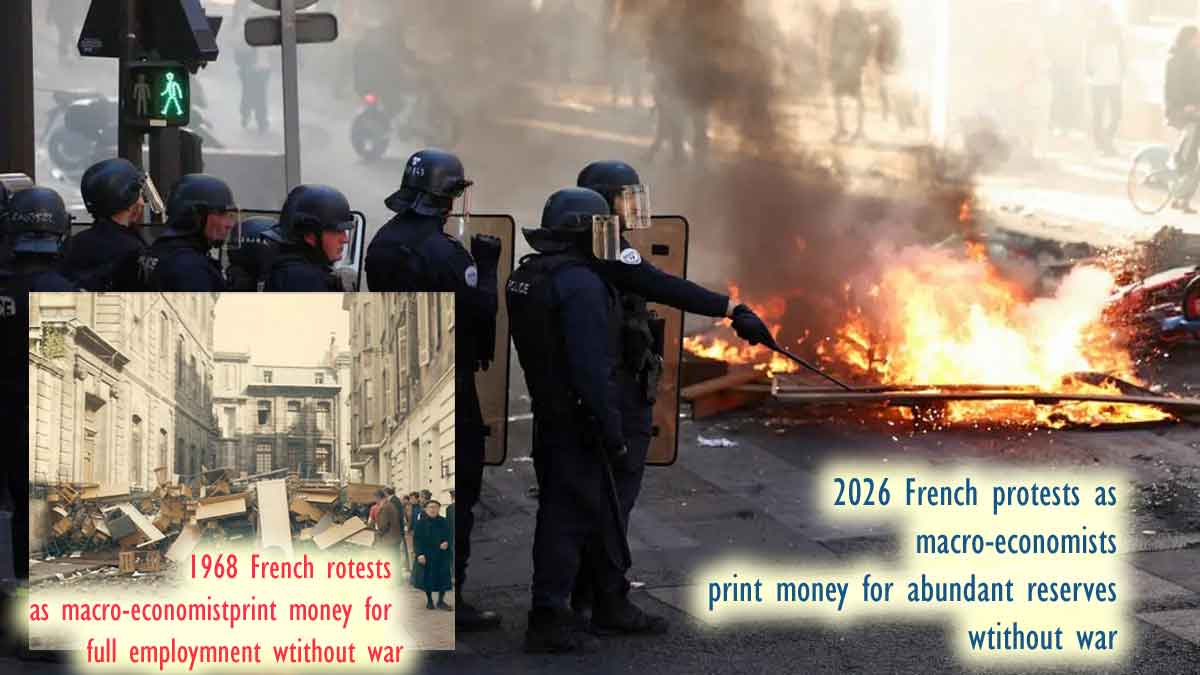
Politicians who are accountable however pay the price in the electorate as higher cost of living triggers social unrest.
Sri Lanka's central bank has depreciated the rupee from 4.76 to the US dollar to 348 by 2026, discrediting prudent economic programs of democratically elected governments, critics have said.
Undermining Prudent Fiscal Policy with Monetary Depreciation
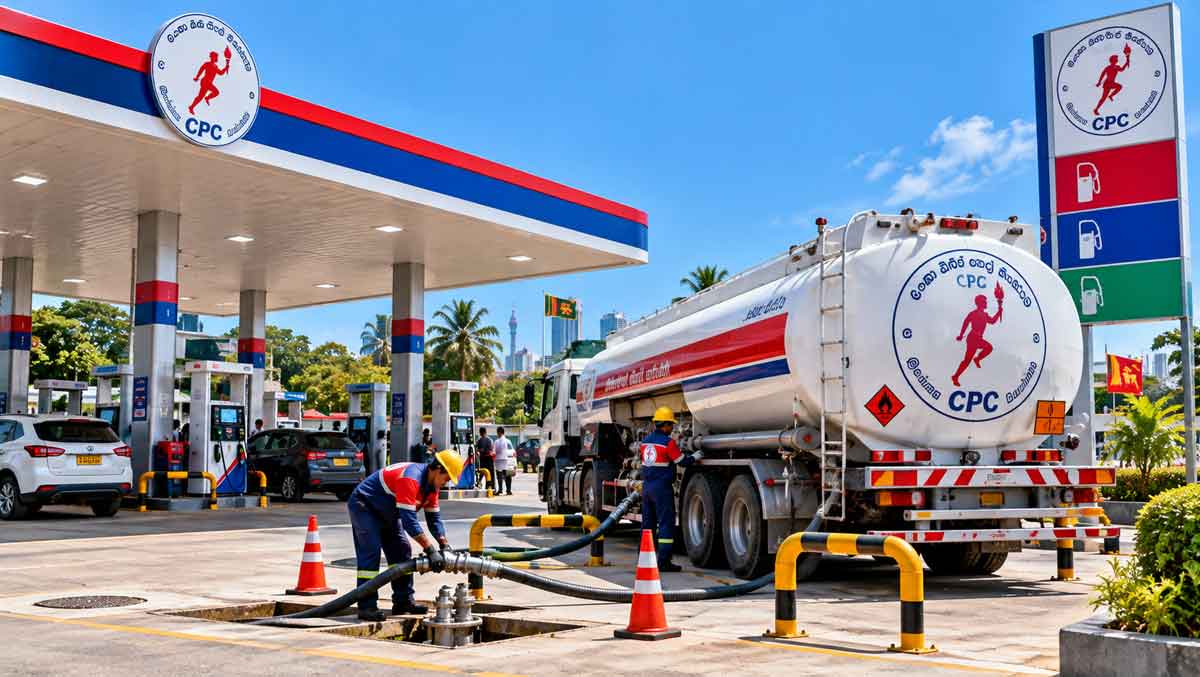
2018 was an emblematic year in which buy sell swaps with privatization proceeds and rate cuts were used to depreciate the currency even as energy prices hiked under price formula and the CPC made losses from dollar borrowings as it was barred from buying dollars as the Treasury is.
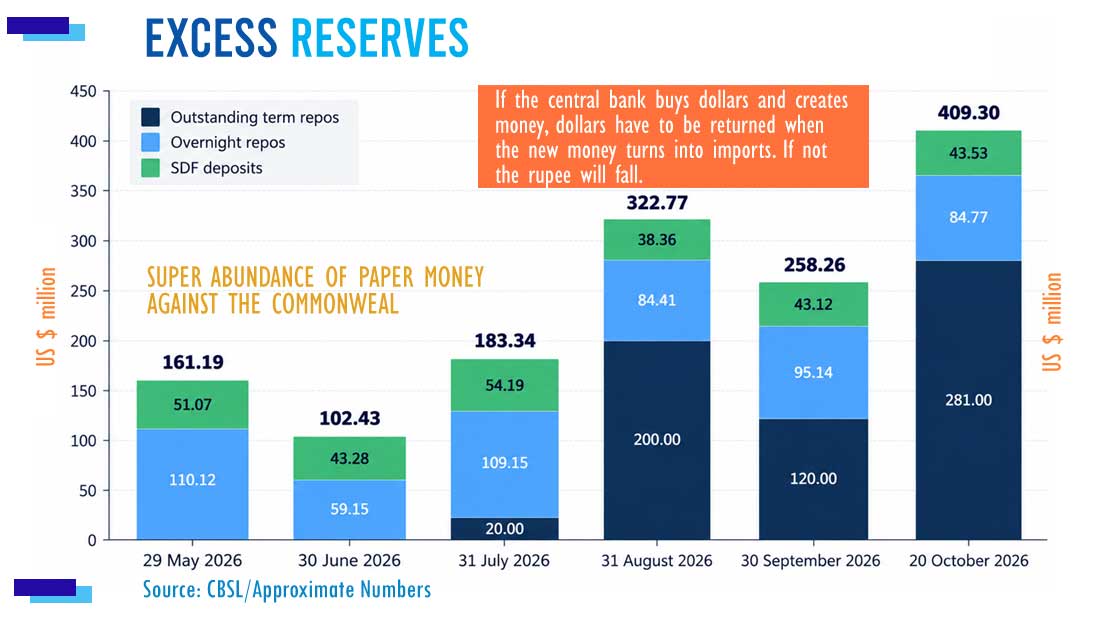
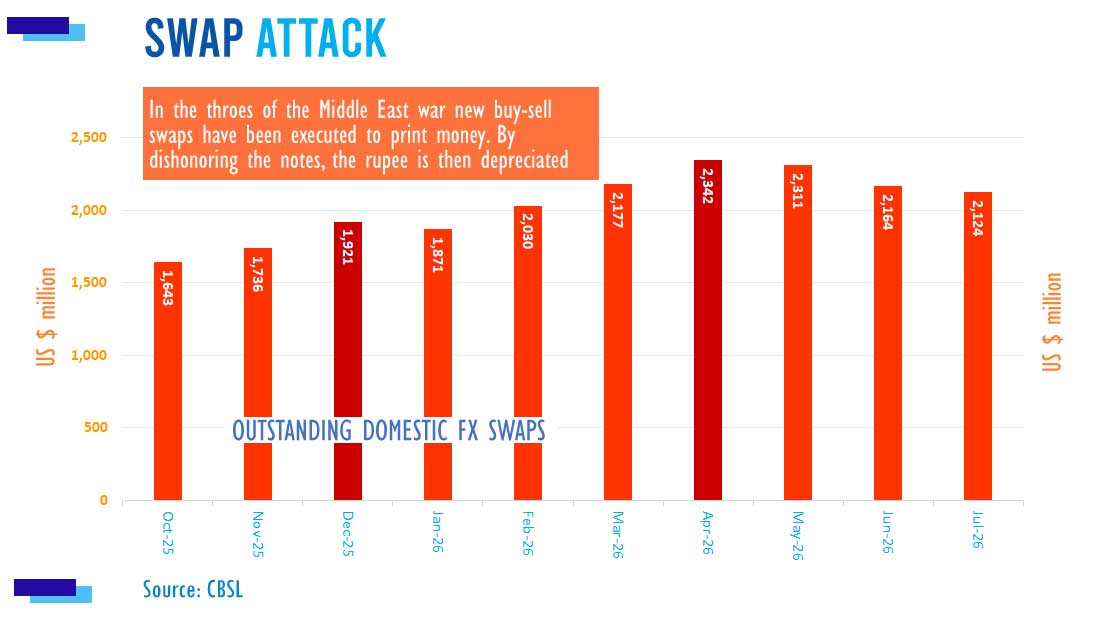
In 2026 also the central bank has depreciated the rupee printing money through buy-sell swaps, and denying convertibility, brushing aside President Anura Kumara Dissanayake's call to maintain the value of the monetary unit, long before the current Mid-East crisis hit.
Depreciation also bloats foreign debt, in addition to keeping nominal interest rates high.
Inflationist central banks in countries like Sri Lanka and India can amplify and internalize external shocks by destroying the currency.
Qatar and Dubai set up their own currency originally through the Qatar-Dubai currency board when the Reserve Bank of India printed for macro-economic policy and devalued the Indian rupee.
In Sri Lanka the Treasury has also been deprived of dollar revenues streams through privileges and monopolies of the central bank, forcing it to borrow dollars to repay interest and settle loans, instead of buying foreign exchange from the market or charging dollar taxes.
There have been calls to remove the privileges of the central bank, especially since repaying the IMF loan this time is the responsibility of the Treasury and not the central bank and bring strict laws to stop monetary authorities from triggering crises and forex shortages.

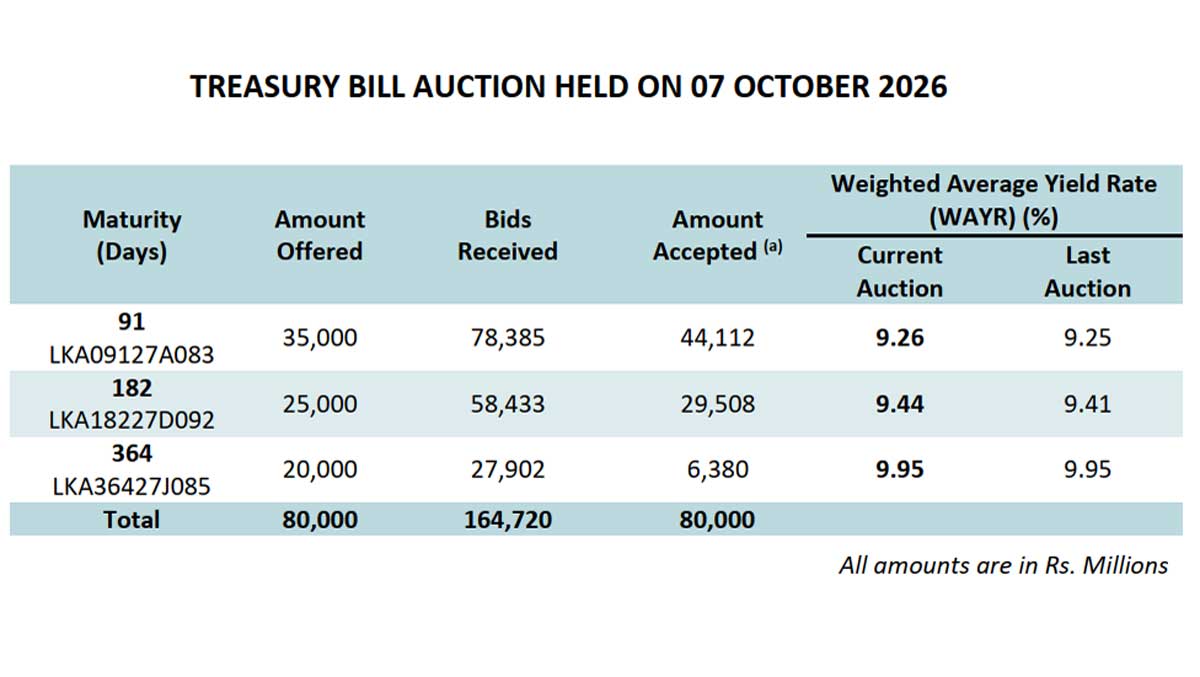
| 3 month bill | 9.26% | 1bp ▲ |
| 12-m bill | 9.95% | 2bp - |
| Gold (Ounce) | $4187 | - ▼ |










Comments
Be the first person to comment and join the debate