
Share your email and we'll share the latest news
Exclusive economic intelligence, political and business coverage
Thursday, November 19 2026
Thursday, November 19 2026

MONETABRIEF – Speaker after speaker slammed Sri Lanka's NPP government on high inflation after the central bank met its controversial target to raise the cost of living, as calls for subsidies and salary hikes grew stronger.
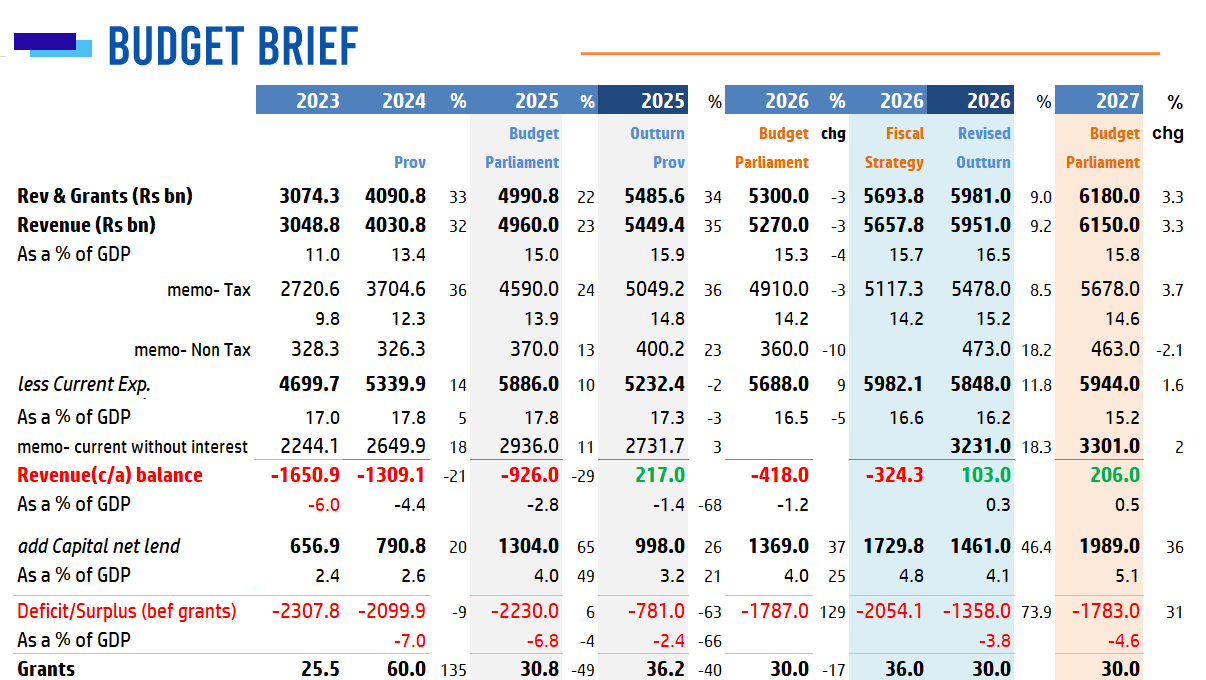
The central bank busted the rupee in 2026 from 300 to 335 levels as the government ran a current account surplus and also an overall budget surplus up to the third quarter raising taxes to maintain fiscal prudence.
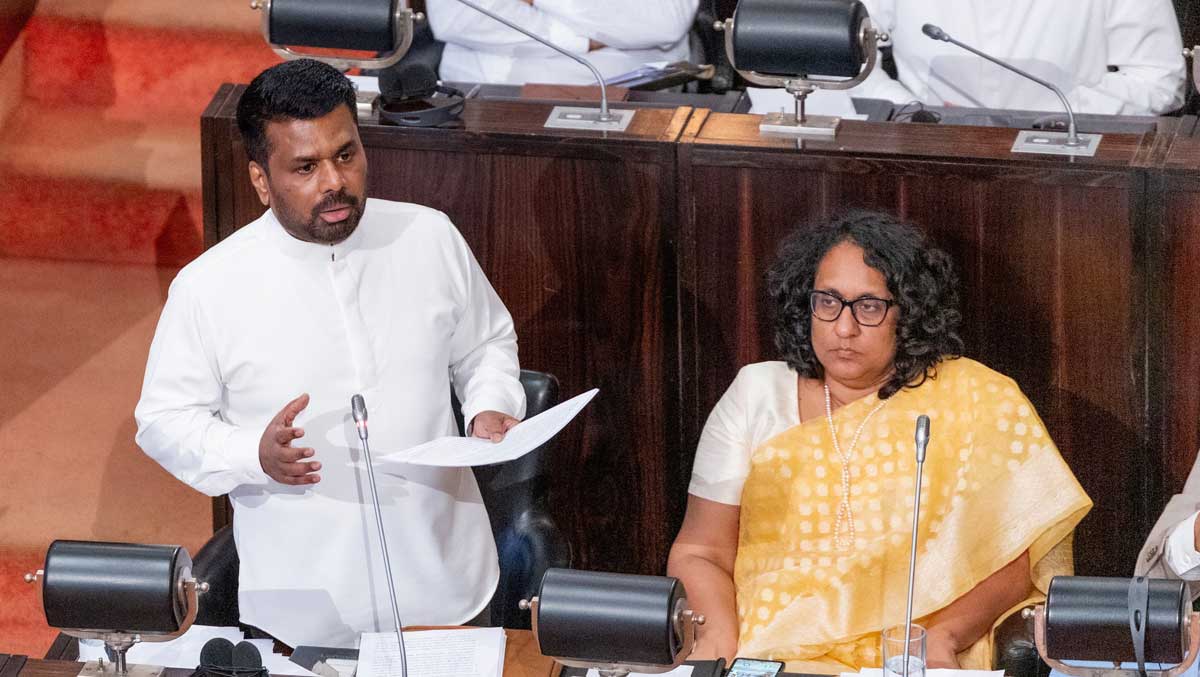
"We can say that this budget is ayer (revenue) for the government and wayer (expense) for the people," Samagi Jana Balawegaya legislator J Alawathuwala told parliament using the Sinhala word ayer-vayer for budget.
"When President Anura Kumara Dissanayake came to power the rupee was 300 (to the US dollar) now it is 335.
"Yes, it was around 290," he said as another legislator prompted him.
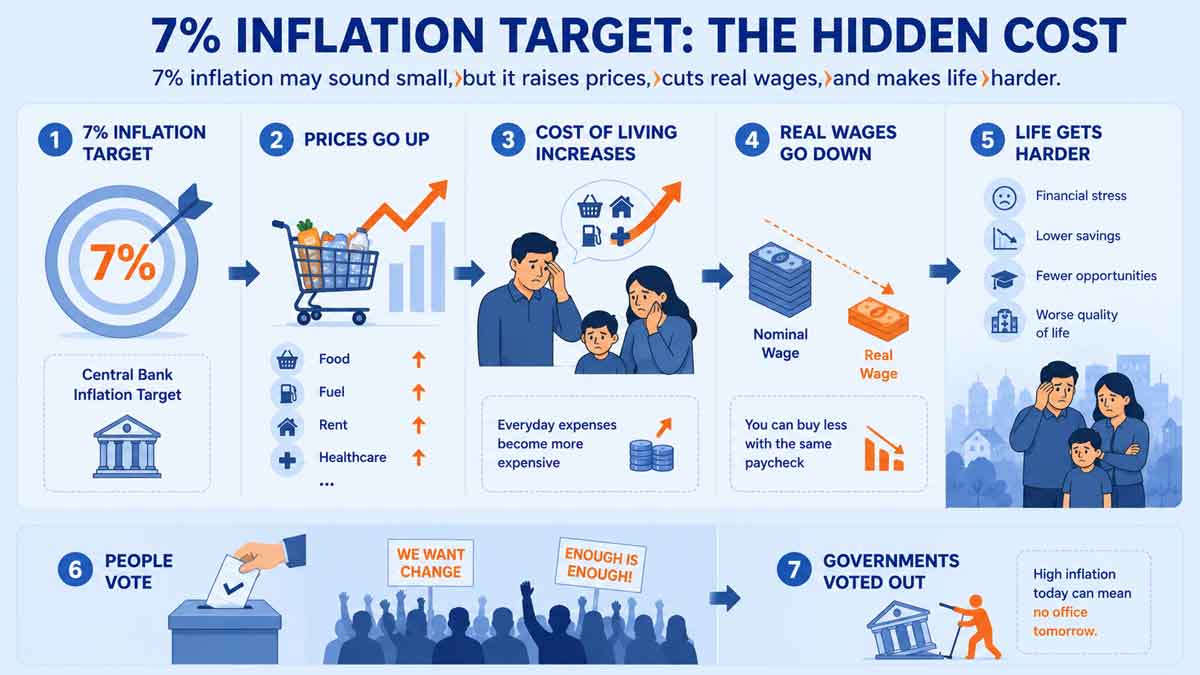
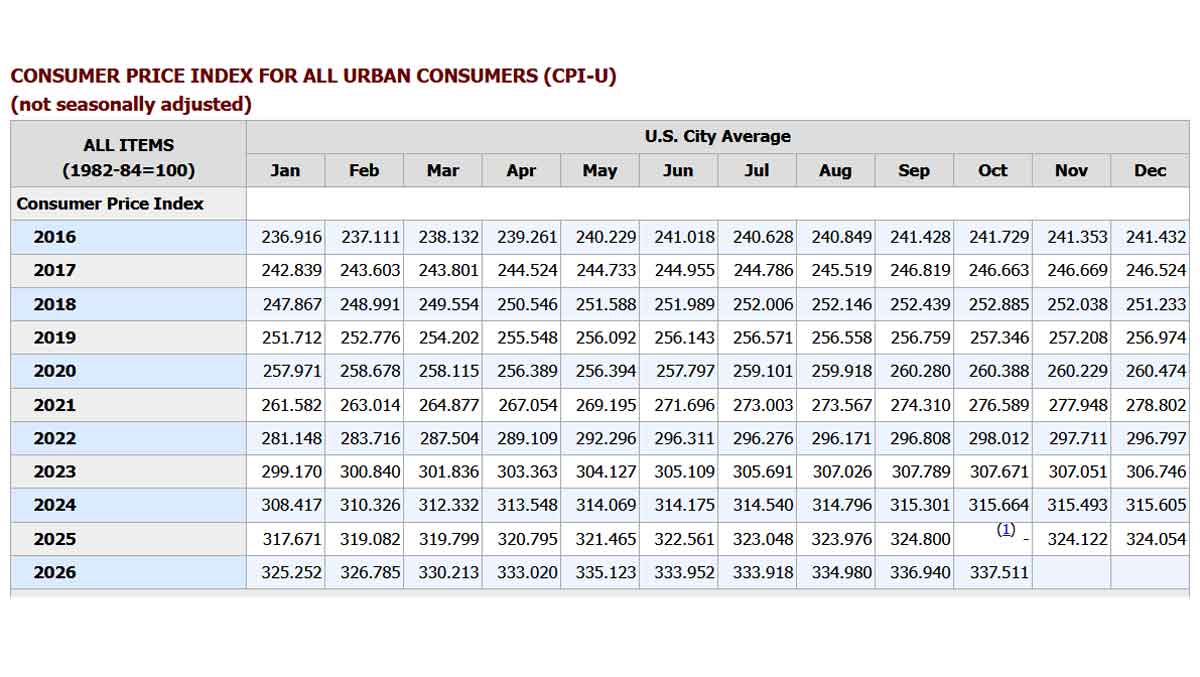
The central bank by busting the rupee amplified the economic shocks from the Middle East War pushing inflation up by 8.3 percent.
While East Asian nations with stable exchange rates saw only around 2 to 3 percent inflation.
Alawathuwala said government legislator had previously said that fuel prices in Western nations and Singapore were far higher than Sri Lanka.
"But in Sri Lanka the people cannot even make ends meet," he said.
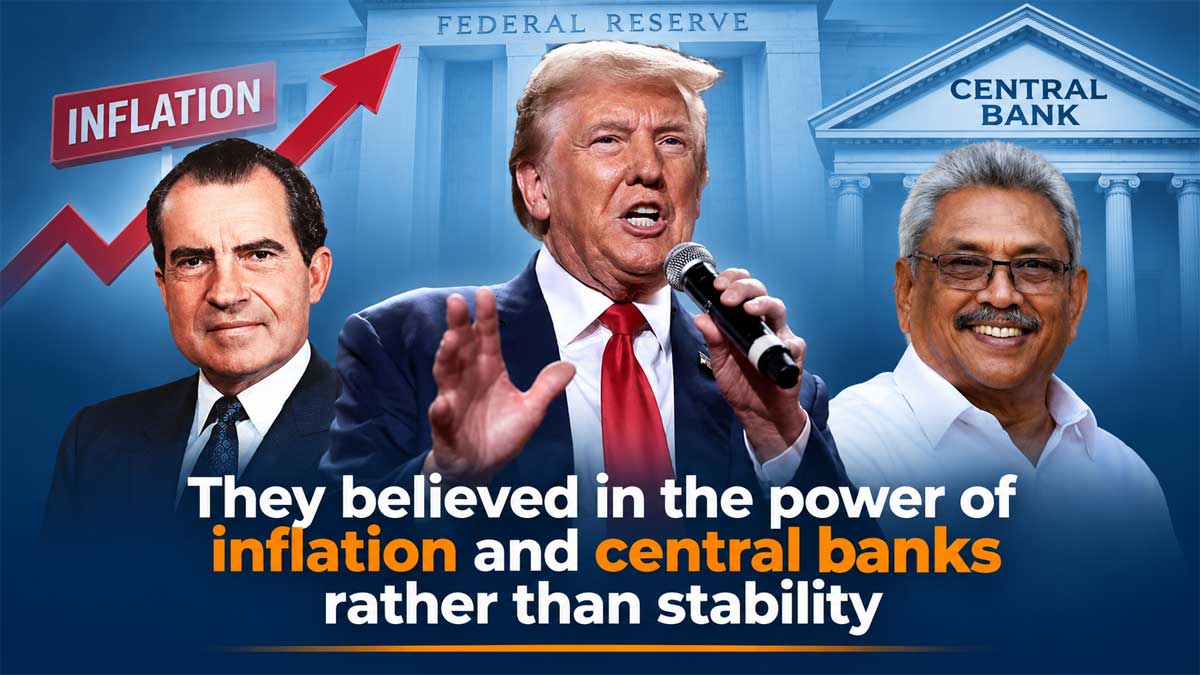
The central bank pushed its doctrinaire inflationism despite a large percentage of people being impoverished after its 2020 liquidity injections and the currency collapse of 2022 where a float was attempted without removing a surrender rule.
Over 2022 and 2026 the rupee was also depreciated surrender rule style by excessive purchases of dollars.
The rupee printed by monetizing the balance of payments in that manner were dishonored to depreciate the rupee amid a budget surplus in the second quarter of 2026.
Opposition legislator Harsha De Silva pointed out that when the government was taken byu President Anura Kumara Dissanayake inflation was zero or 12 month inflation was minus 0.4 percent.
Annual staged salary increments proposed by then President Ranil Wickremesinghe was continuing, which was good he said.
But the sudden increase in inflation was not compensated for, he said.
"There is a mechanism called the COLA (cost of living allowance)," de Silva said. "That has not been increased from 2024.
There was no need for the cost-of-living allowance to be increased in 2025 because the exchange rate was stable and the rupee depreciation and the build-up of excess liquidity had just begun.
The International Monetary Fund program removed the quantitative performance criteria for reducing domestic assets of the monetary authority from early 2025 allowing the central bank to go back to inflating reserve money and undermine the rupee.
The COLA itself is a result of macro-economists debasing money in the past and lack of democratic control over the central bank unlike before 1978, when there was some control.
Before 1978 inflation came from the collapse of the Bretton Woods and 1960s full employment policies, which represent the lack of prudential control of the Federal Reserve violating Article I, Section 8, Clause 5 of the US Constitution, critics say.
Meanwhile de Silva said a separate allowance proposed in the budget went to 160,000 state workers out of about a million he said.
"That means only 16 percent get it, and 84 percent does not get it," de Silva said. "Also it is coming in two parts."
De Silva's speech underscores the yawning gap between Sri Lanka's inflationist monetary authority and the fiscal prudence of the Finance Ministry and politicians.
Macro-economists have for years misled politicians that inflation helps increase revenues for budgeting, while supplementary estimates to account for central bank driven cost rises became the norm.
However, the short-term advantage happens because salary hikes are delayed compared to the instant rise in commodity prices from the currency collapses engineered by the central bank.
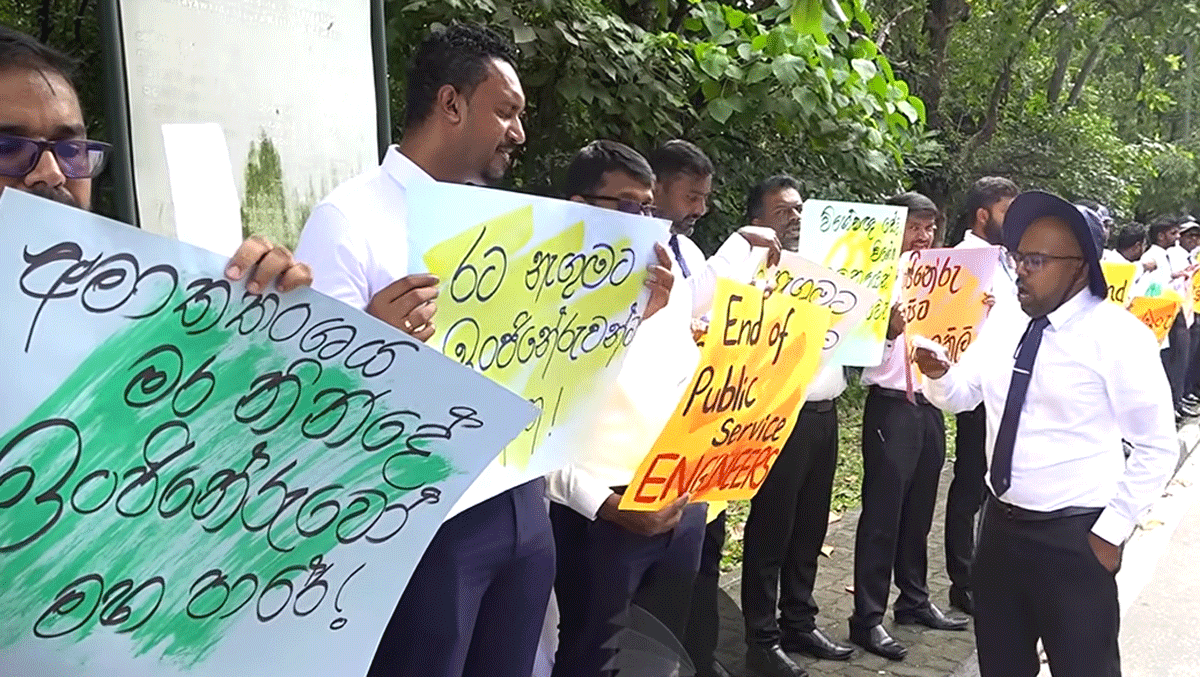
During the gap between the time that salaries match the inflationist doctrine of the central bank, people protest.
Eventually nominal interest rates rise due to higher inflation destroying capital. The budget is hit when salaries are adjusted after strikes.
Any cost-of-living allowance will also push people into higher income tax brackets with a doctrinaire inflationist central bank. The government has raised income tax brackets to account for the central bank's inflationism.
Bracket creep was problem that was seen in the 1960 and 1970s as macroeconomists pushed full employment policies misleading politicians that there was a trade-off between inflation and jobs (or growth as in Sri Lanka) busting the Bretton Woods and creating Great Inflation in the process.
In the West the monetary carnage was stopped by Paul Volcker and Alan Greenspan who did not follow the so-called 'dual mandate' from 1980 to 2000, which was called the period of the Great Moderation.
But inflation came back with post 2000 reflation with macro-economists like Stiglitze and Bernanke claiming that there was 'deflation' which ended in the 2008 housing bubble and the stimulus that followed.
Under so-called flexible inflation targeting, the central bank repeatedly reflation Sri Lanka in 2016, 2018, 2020, triggering external borrowings and eventual default.
In 2026, the stabilized economy was again reflated.
However, amid attacks on the governments economic policy over inflation and emerging sporadic strike action, unfortunate government members continued to insist that the economy was 'stabilized.'

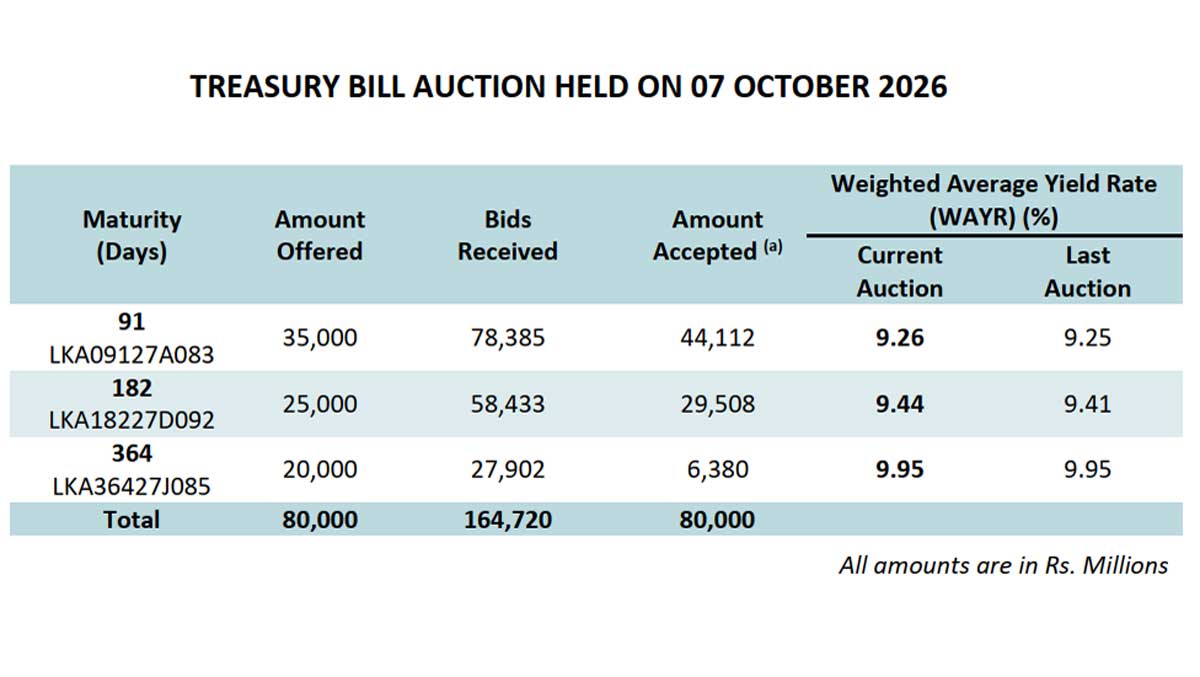
| 3 month bill | 9.26% | 1bp ▲ |
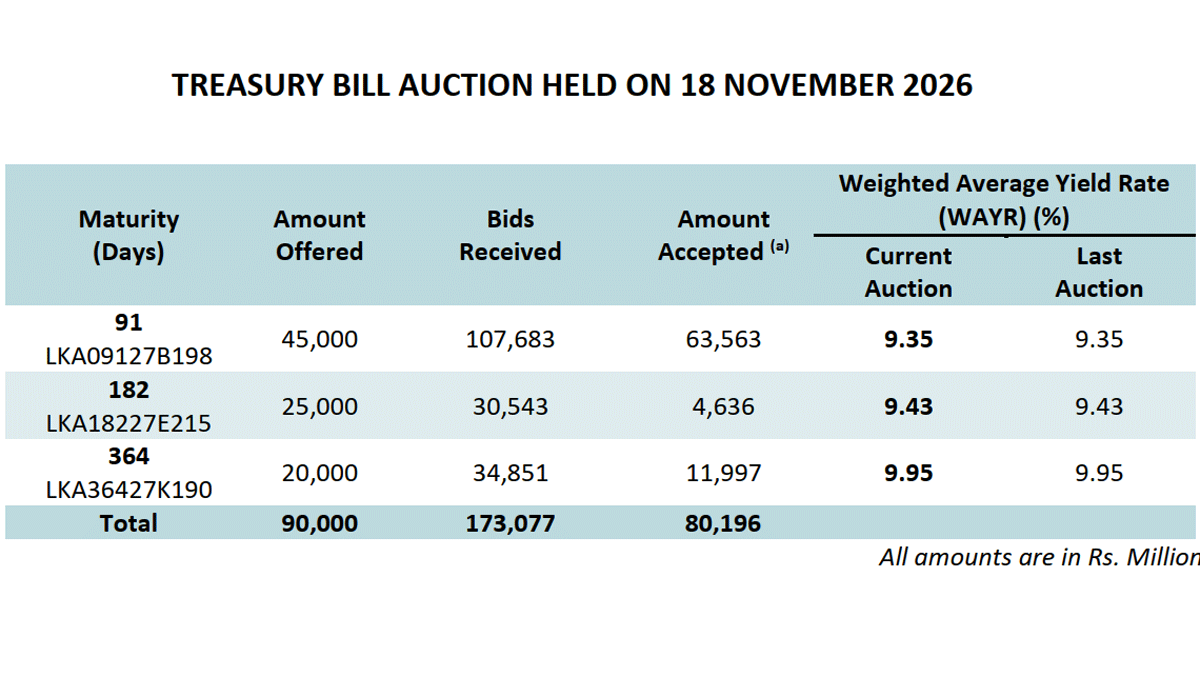
| 12-m bill | 9.95% | 2bp - |
| Gold (Ounce) | $4015 | - ▼ |






Comments
Be the first person to comment and join the debate