
Share your email and we'll share the latest news
Exclusive economic intelligence, political and business coverage
Tuesday, November 17 2026
Tuesday, November 17 2026
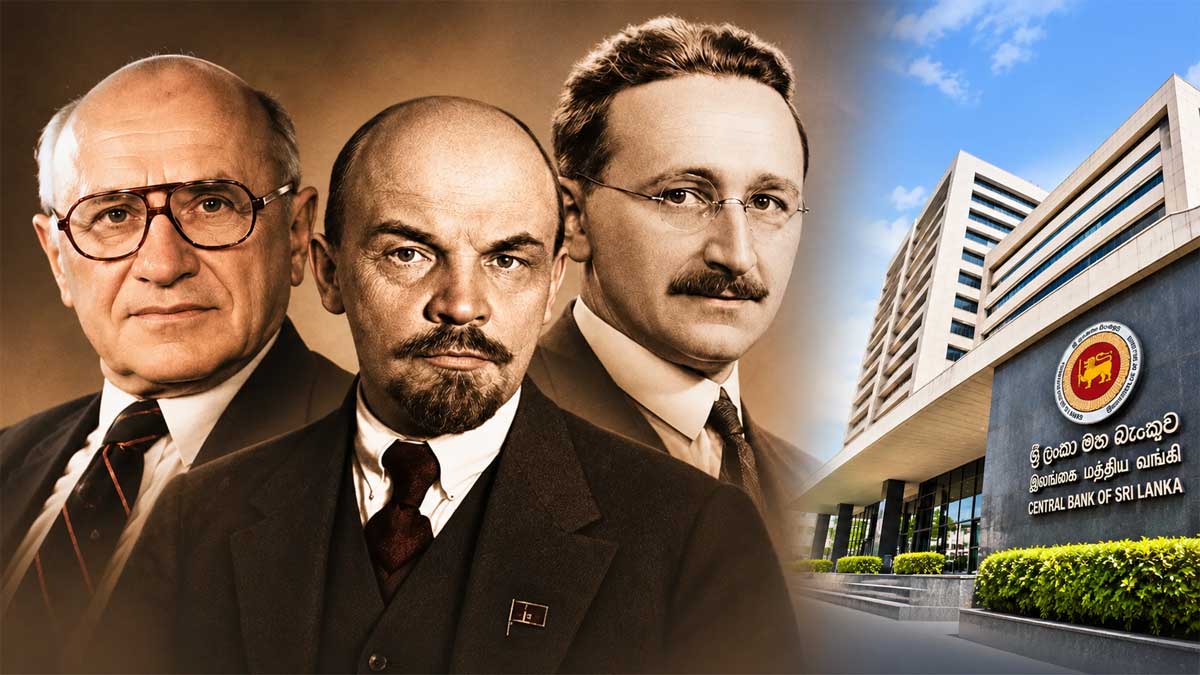
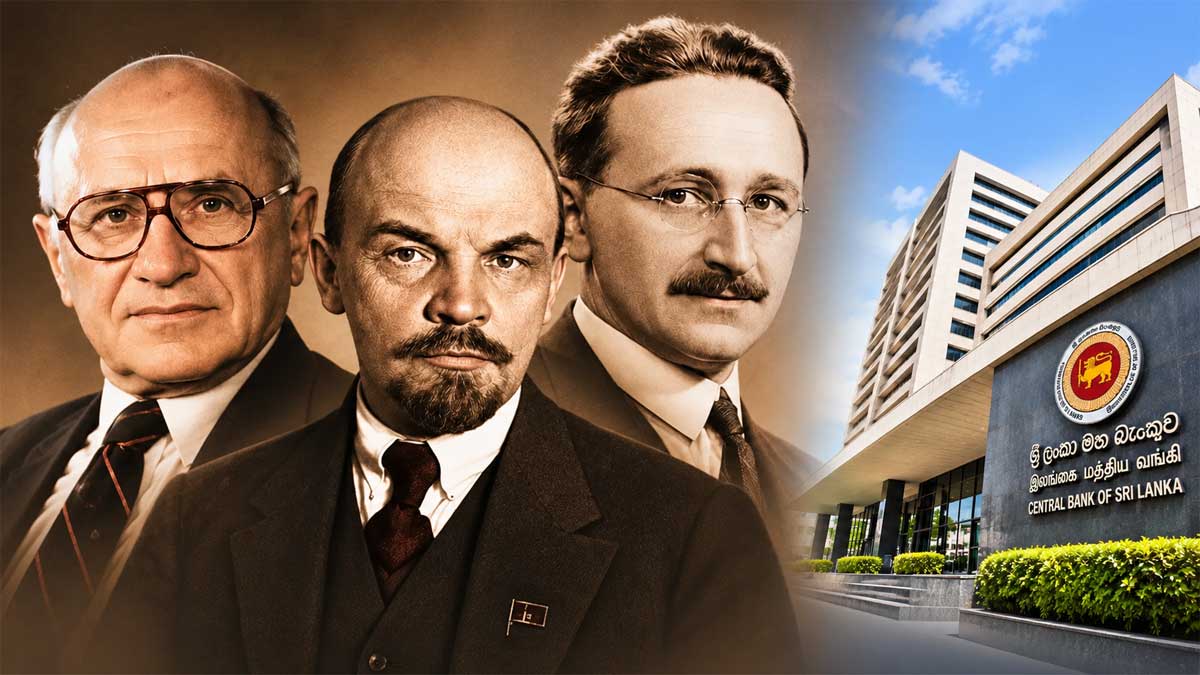
MONETABRIEF – Sri Lanka's government was accused of following Milton Friedman and Friedrich Hayek, in a dramatic explanation of why countries suffer inflation, balance of payment trouble and the resulting policy reversals and political unrest, and politicians are helpless to counter it.
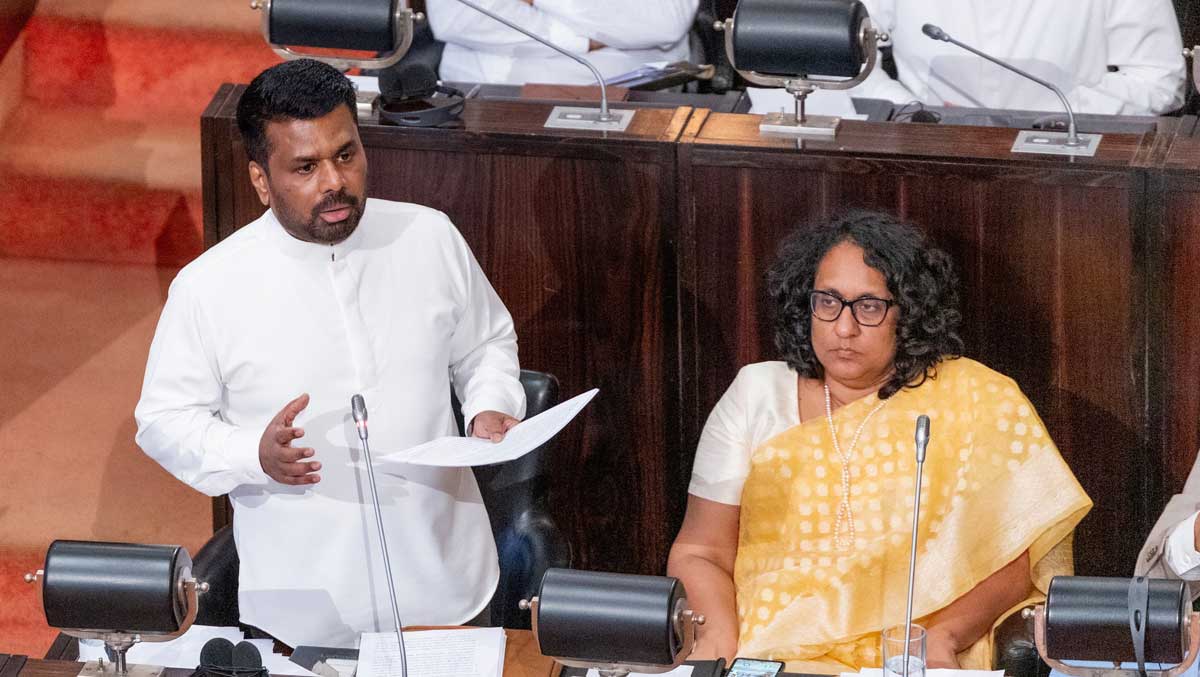
"The government is talking of a transformation. I see a transformation," Opposition Leader Sajith Premadasa told parliament.
"Earlier your gods were Marx, Lenin, Ho Chi Minh. Now it has transformed into Adam Smith, Friedrich Hayek, Milton Friedman."
"You have misled the people in that transformation."
Premadasa's charge showed dramatically why countries like Sri Lanka with inflationist central banks fail while even the opposition acknowledges the prudent fiscal and overall economic policies of the government.
However, unless the central bank is tamed, inflation eventually destroys such governments as others in Sri Lanka before them.
Bearings Central Banks
Adam Smith, was from Scotland which had free banking and strong banks. He explained in Wealth of Nations how bad note issue banks which injected money failed. Under the free banking system, note issue banks like the Central Bank of Sri Lanka were quickly eliminated and only those that operated under prudent principles (what became economics later) remained.
In his day only the inflationist free bank failed, and unlike the Central Bank of Sri Lanka or the Bank of England, one bank could not bring down the entire country.
Sri Lanka's central bank should have failed multiple times, especially in 2022, when it made a massive 700 million dollar swap loss like some re-born Bearings Bank.
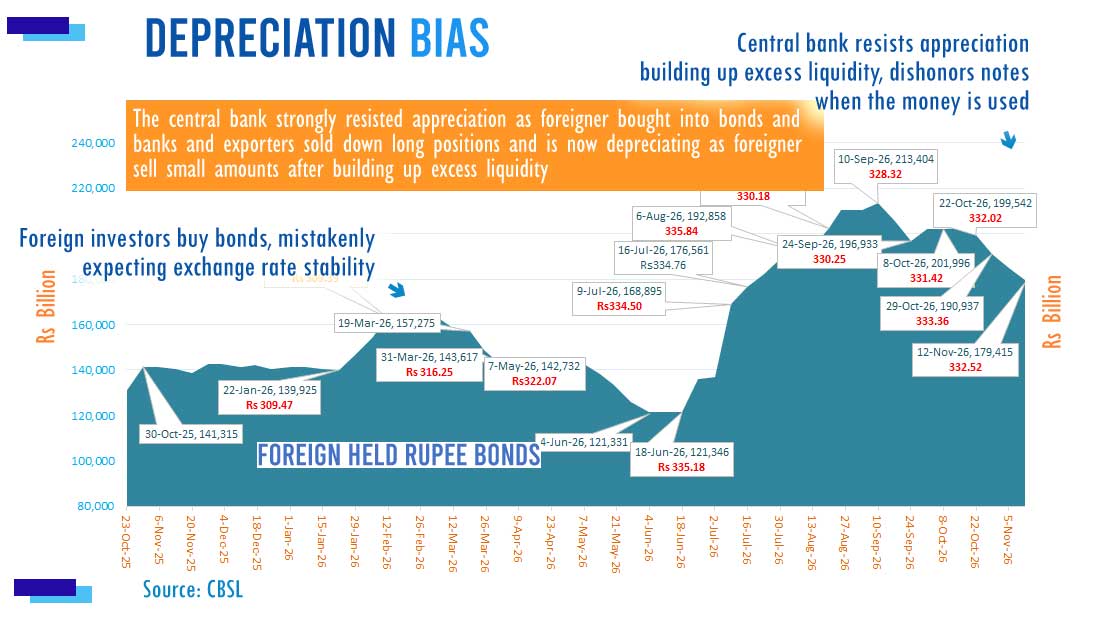
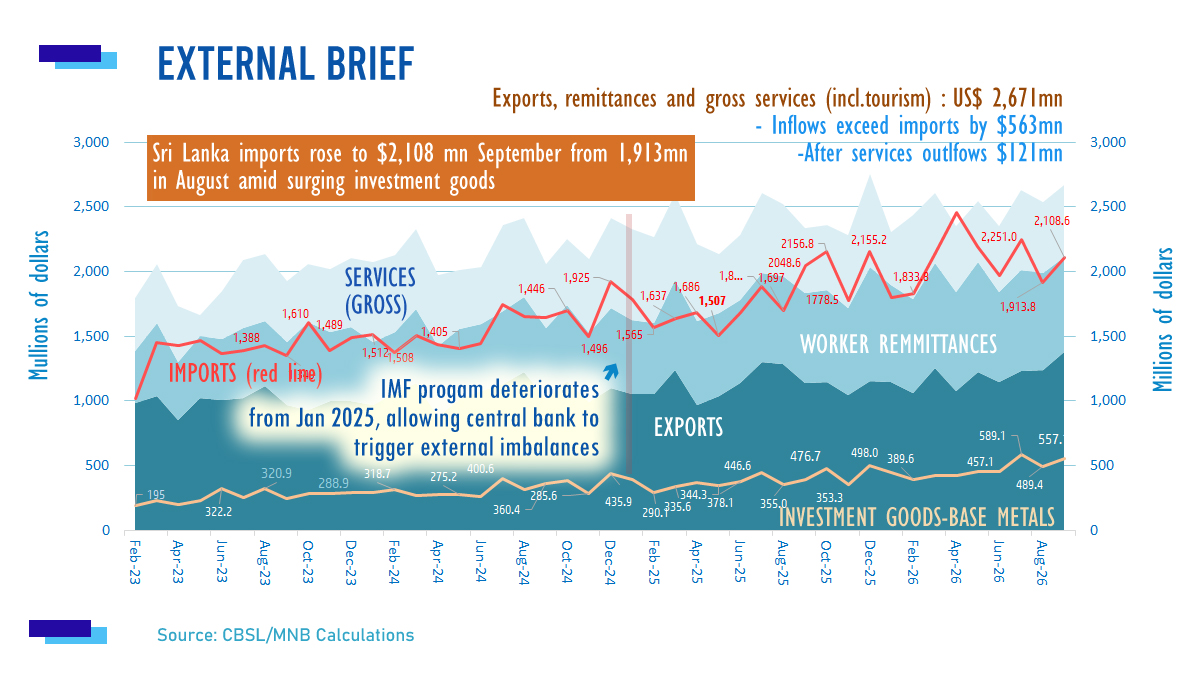
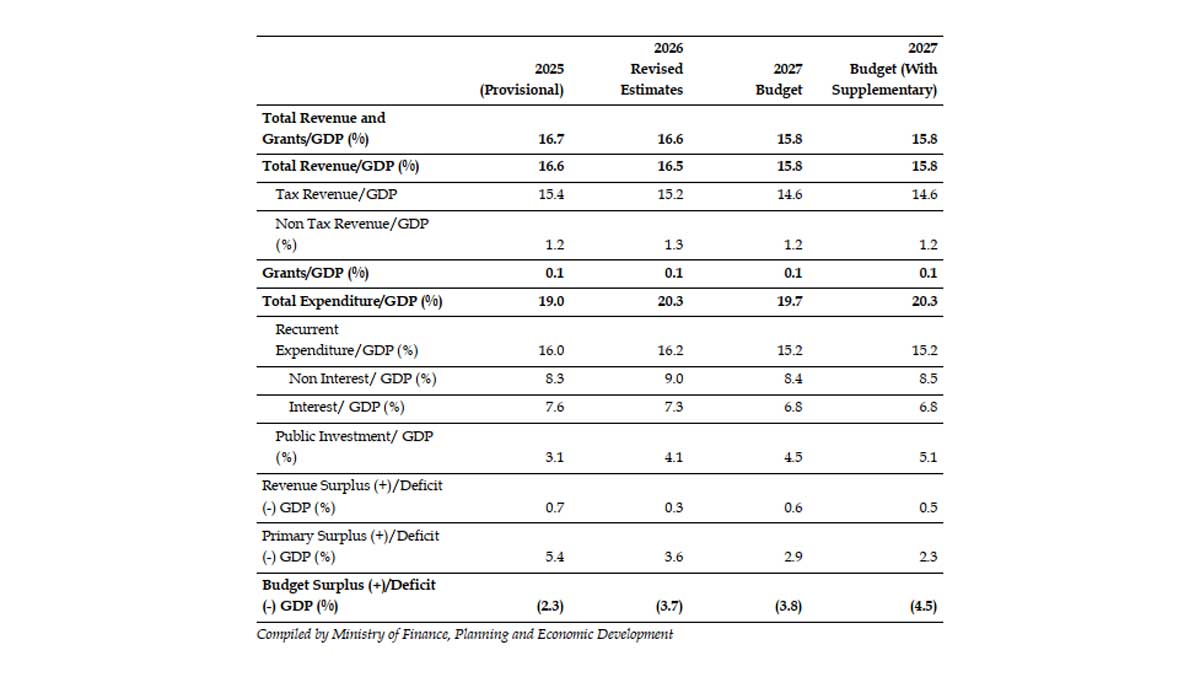
Due to lack of accountability as well as the IMF propping it up, the central bnk again used monetizing swaps against President Anura Kumara Dissanauyek to build up excess liquidity and trigger currency collapse in 2026 as the budget was in surplus and discrediting the ruling administration.
Similar tactics were used in 2018 to discredit an administration in which the current opposition leader was the Minister of Housing.
Inflation is Monetary, Always and Everywhere
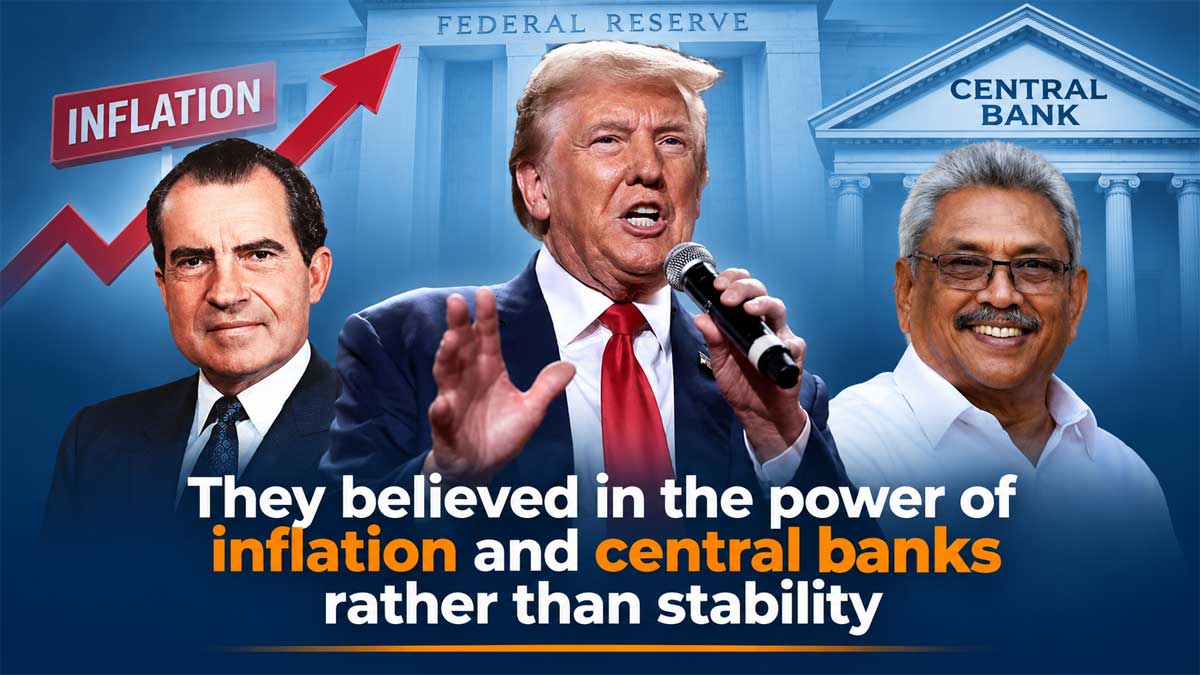
Friedman is the man who came up with the phrase 'inflation is always and everywhere a monetary phenomenon' and helped stop the Fed and the Bank of England escape accountability by falsely claiming that there was such a thing as cost-push inflation.
He laid the groundwork for the Democratic party to appoint Paul Volcker, who learned money and banking from two Austrian economists and did not believe in the Keynesian-derived dual mandate that there was a trade off between inflation and employment.
Arthur Burns, who oversaw the collapse of the Bretton Woods, was replaced by William Miller in March 1978.
On August 06 of the same year, Paul Volcker was appointed at the behest of Democratic advisors supposedly including Anthony Solomon, then Undersecretary of Treasury and Monetary Affairs in the Carter Administration.
Solomon was made Chairman of the New York Fed and Vice Chairman of the Federal Open Market Committee in April 1980.
Hayek and the Cambridge Economists
Hayek gave intellectual support for Britain's Margarat Thatcher and particularly her ally and advisor Keith Joseph, who explained in public the ideas in the Constitution of Liberty to the public on why inflation was destroying Britain.
At the time Britain was suffering like Sri Lanka and also went through a debt crisis with the biggest IMF loan at the time.
Hayek was alive and gave her public support when the 364 Cambridge economists opposed her monetary policy, in a similar way the Central Bank of Sri Lanka lobbied for high inflation in 2026.
The central bank has re-flated a stabilized economy and President Anura Dissnayake is now facing a loss of credibility for his economic policies of running a near balanced budget and surplus in the current account.
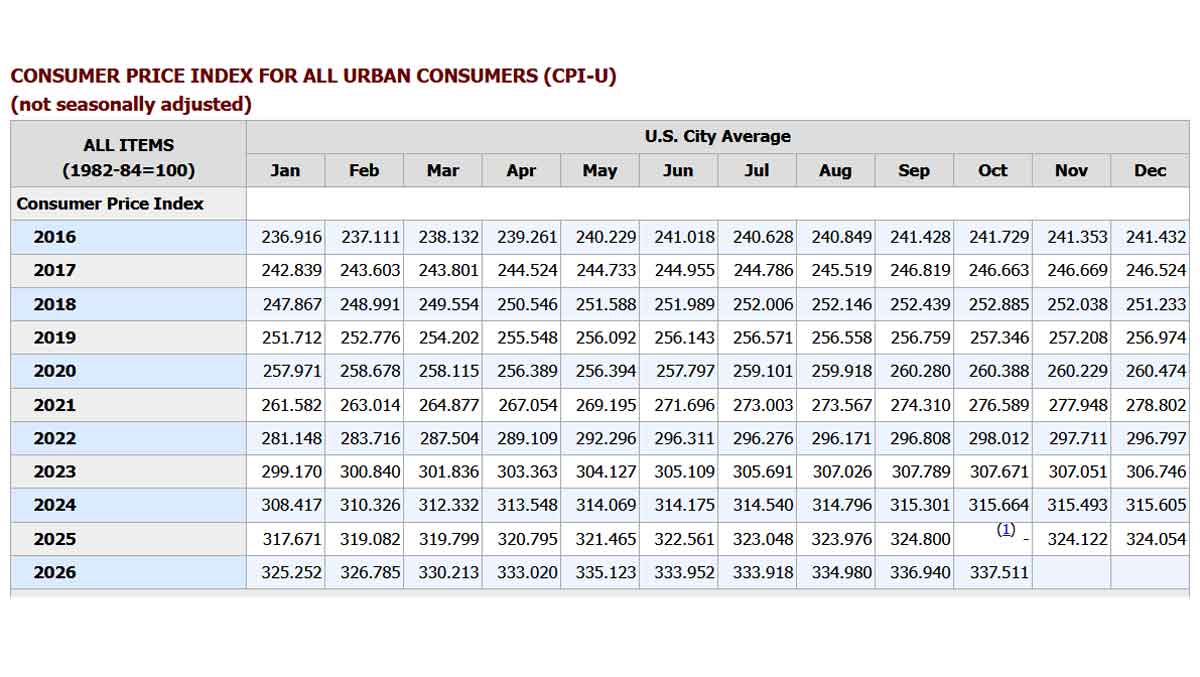
When the central bank inflates the economy, people do not care about budget numbers as their wages are destroyed and living standards fall and they struggle to make ends meet. They then oppose taxes and the government.
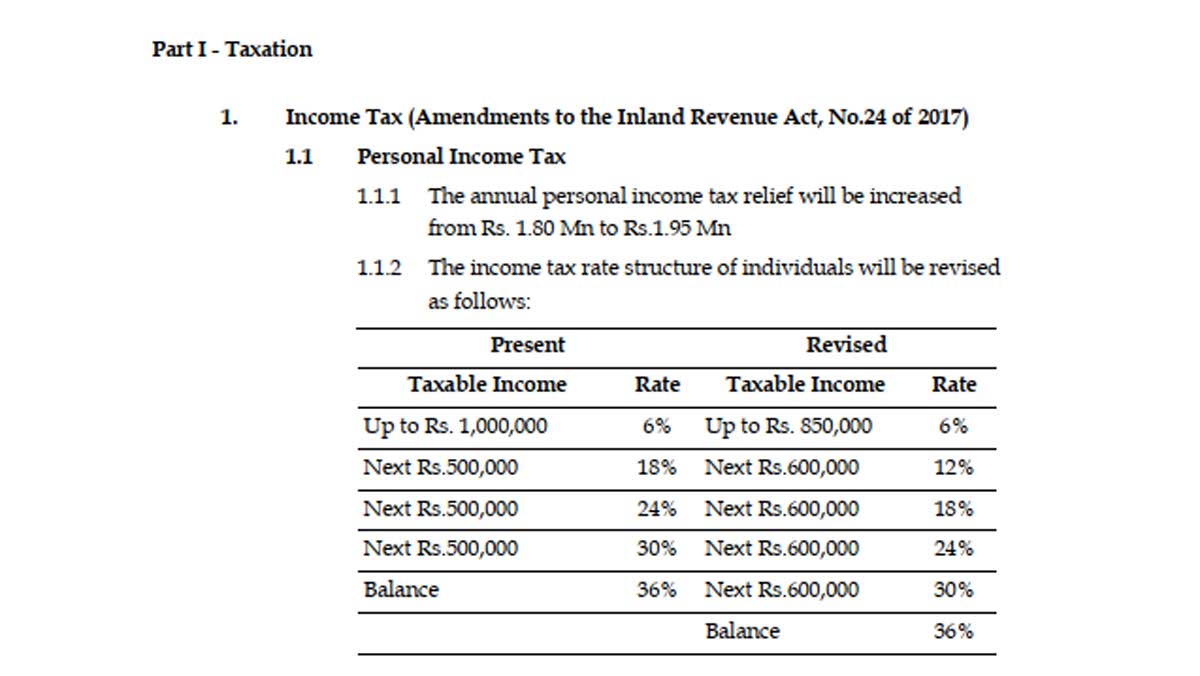
Anura Dissanayake has raised the thresholds of income tax to counter some of the bracket creep engineered by the Central Bank of Sri Lanka and also reduced the tax rates as Thatcher did in the face of Bank of England's action.
Lenin and Inflation
Ironically Lenin was also reportedly against inflation, though the Bolsheviks also came to power on the back of Bank of Russia inflation.
It was the Bank of Russia that invented the exchange controls that that Sri Lanka's central bank is using. Britain also used them from 1947 as the Keynesian revolution got underway and was only abolished under Thatcher.
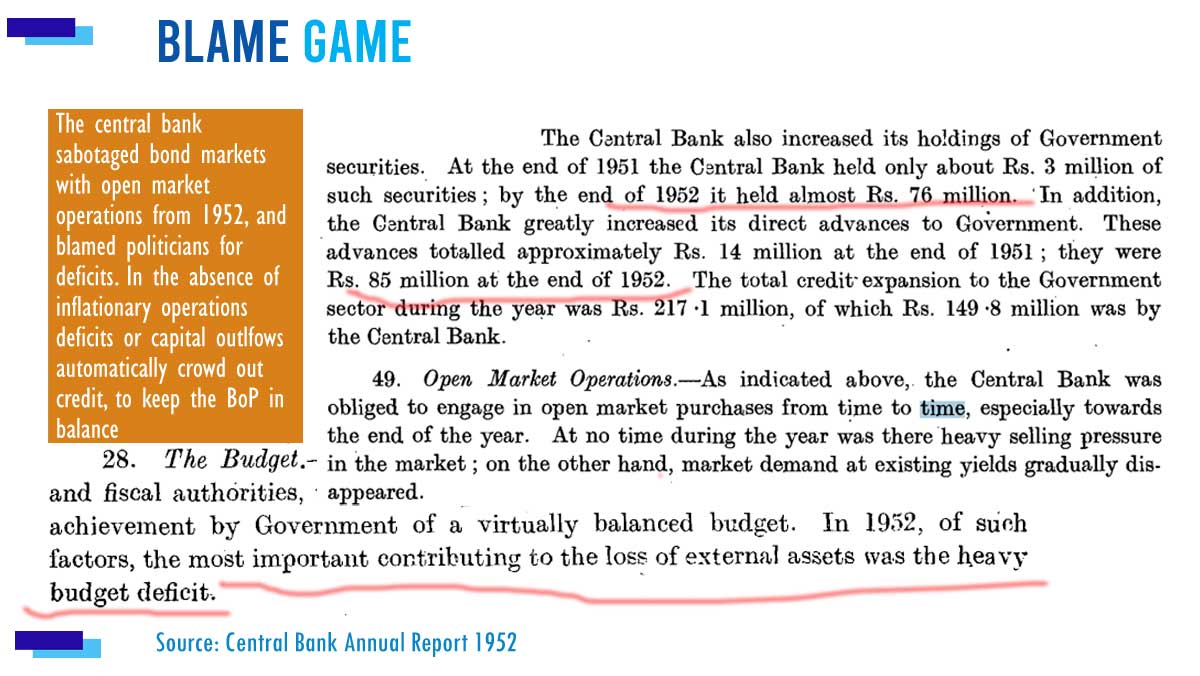
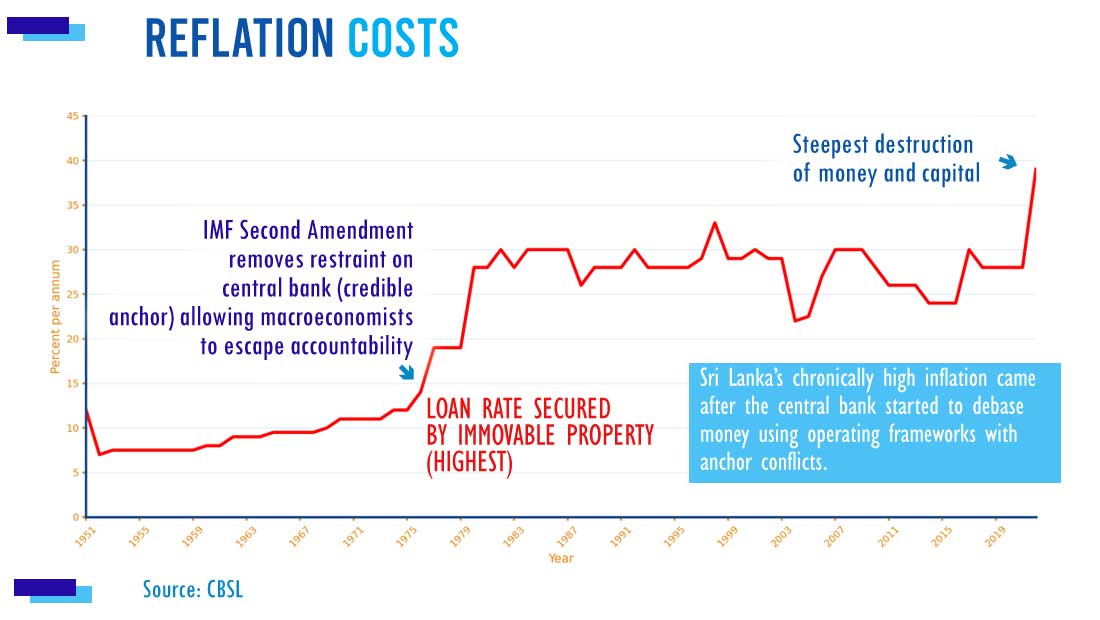
Sri Lanka's exchange controls which were intensified from 1952 along with trade controls (which now need reforms to undo), shows that the central bank's operating framework is fundamentally flawed and could lead to a second external default.
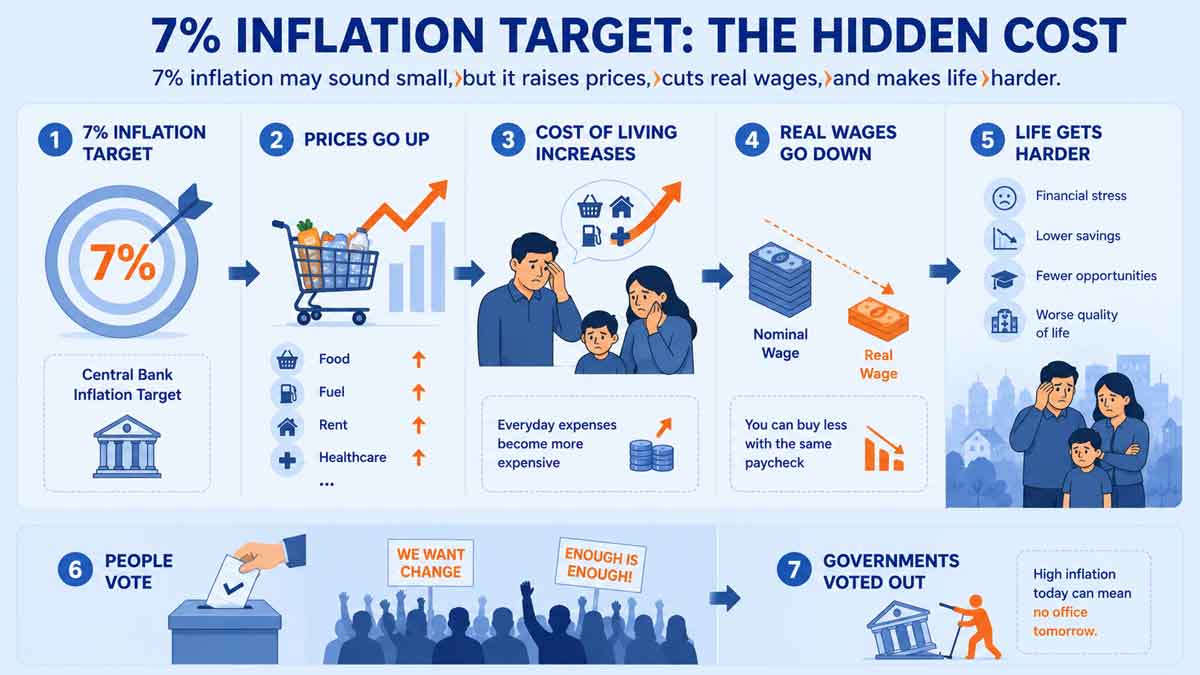
The IMF also sided with Sri Lanka's inflationist central bank in 2026, supporting its annual controversially high reflation target, forsaking the poor who are skipping meals, and bringing the country closer to a second default, while the US is in a bigger crisis than 1978 from Keynesian style stimulus and excess liquidity.
Ironically, Keynes was once a classical economist before he wrote his General Theory, and rehabilitated Mercantilism, giving a way out for inflationist central bankers to point to trade deficits and current account deficits.
"Lenin is said to have declared that the best way to destroy the Capitalist System was to debauch the currency," Keynes wrote in 1919, before he turned his back on economics in the next decade or so.
"By a continuing process of inflation, governments can confiscate, secretly and unobserved, an important part of the wealth of their citizens.
"By this method they not only confiscate, but they confiscate arbitrarily; and, while the process impoverishes many, it actually enriches some."
People do not immediately understand how savings and pensions (capital) are destroyed by Sri Lanka's central bank, but they feel it when try to build a house or buy some other asset like a car or a motorcycle.
Many people as a result leave the country for currency board like regimes in the war zones of the Middle East which follow classical money and banking theory.
The world is now in a precarious place with Sri Lanka style theories of potential output (a new label for full employment policies), excess liquidity and single policy rate (floor system) ruling the world and IMF also giving technical support.
Un-enlightened Inflationist Darkness
Sri Lanka's current and past trouble comes from a central bank which rejects Hume's price-specie-flow mechanism.
He was a close friend of Smith, and died in August 1776, a few months after the Wealth of Nations was published, during what later came to be known as the Scottish Enlightenment.
The world and Sri Lanka is now in darkness with macro-economists (the legacy of Keynesian and post-Keynesian interventionism and interest rate manipulation) in control of the monopoly note issue bank.6
A belief has been fostered that inflation is necessary for growth and ending the debt crisis, when the opposite is true.
The false doctrine stems from Chapter 23 (Notes On Mercantilism) of the General Theory, where Keynes crudely and explicitly rehabilitated Mercantilism, claiming classical economists were wrong to say that the balance of payments was self-adjusting and interest rates should not be manipulated, critics point out.
He rejected the classical idea that worrying about balance of payments or trade deficit is a waste of time (puerile obsession) and there was no problem as long as note issuing banks were blocked from mis-targeting rates.
Keynes said he was now turning his back on the economics "which I was brought up and which for many years I taught;— against the notion that the rate of interest and the volume of investment are self-adjusting at the optimum level, so that preoccupation with the balance of trade is a waste of time."
Economists were wrong to treat as "a puerile obsession what for centuries has been a prime object of practical statecraft", he said, referring to Mercantilist beliefs of trade deficits rather than the monetary nature of BoP troubles.
"Since, in practice, it is impossible to neglect the balance of payments, a means of controlling it was evolved which, instead of protecting the domestic rate of interest, sacrificed it to the operation of blind forces," he added.
Sri Lanka also had to hike rates suddenly in Msy responding to the 'operation of blind forces' in May as the BoP gave way from rate cuts enforced with money printed through buy-sell swaps and also 'signalling'.
The ideas were spread to Anglophone academics (Cambridge Circus) even before he wrote The General Theory and were formally taught to students and included in textbooks.
There is nobody of the stature of Friedman or Hayek in the World to stop inflation, or the political and debt crises that follow full employment policies.
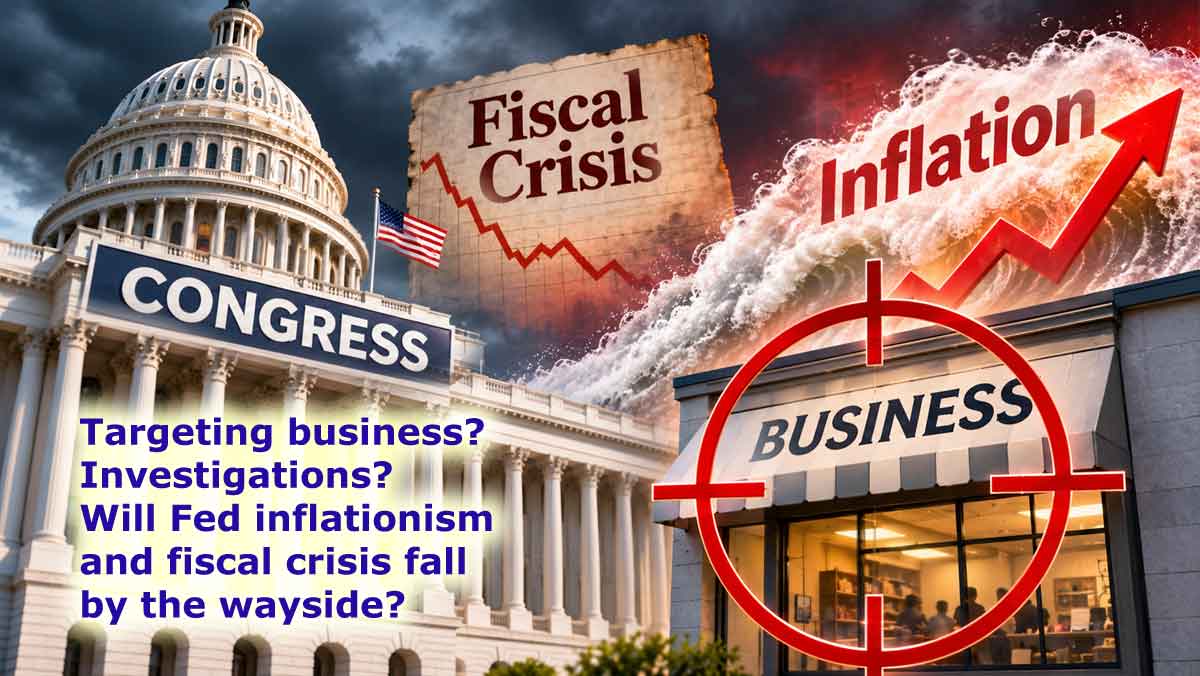
The current Fed Chief Kevin Warsh however had appointed a committee to look into the Fed balance sheet. (Colombo/Nov16/2026)

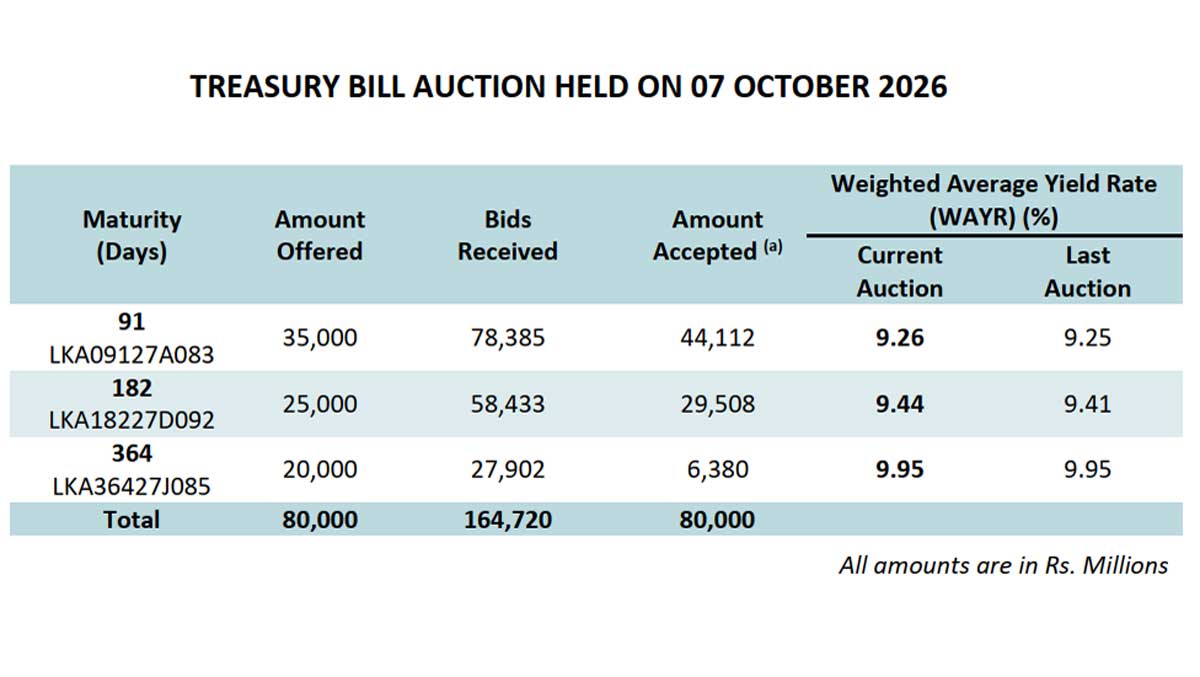
| 3 month bill | 9.26% | 1bp ▲ |
| 12-m bill | 9.95% | 2bp - |
| Gold (Ounce) | $4015 | - ▼ |








Comments
Be the first person to comment and join the debate