
Share your email and we'll share the latest news
Exclusive economic intelligence, political and business coverage
Tuesday, October 20 2026
Tuesday, October 20 2026
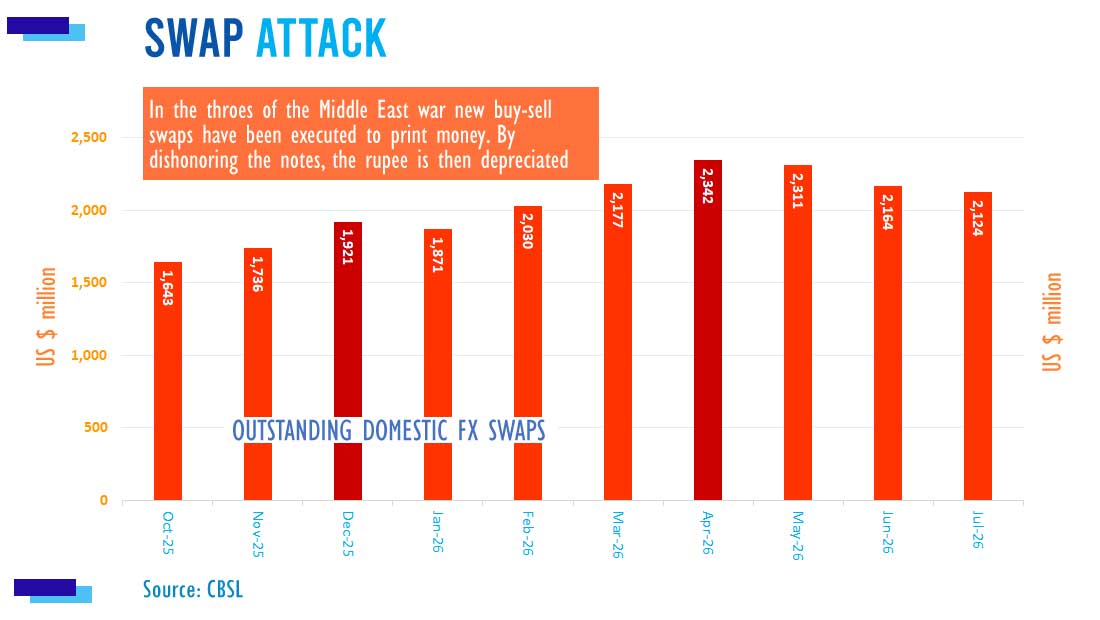
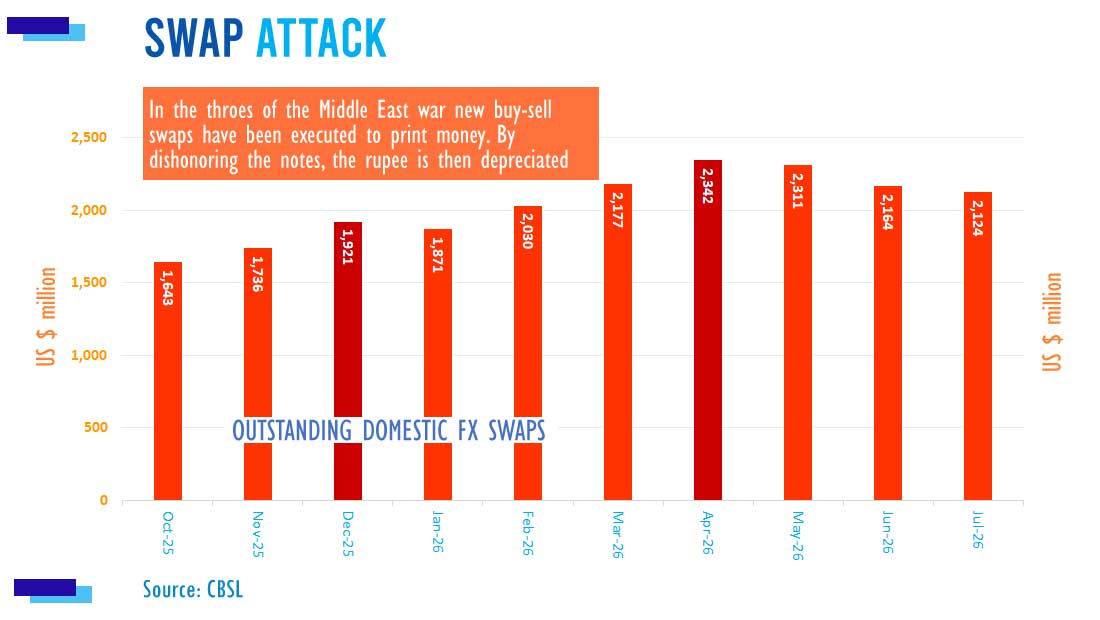
A foreign exchange swap with the central bank creates money by monetizing foreign assets of commercial banks and pushes up excess liquidity and the note issue.
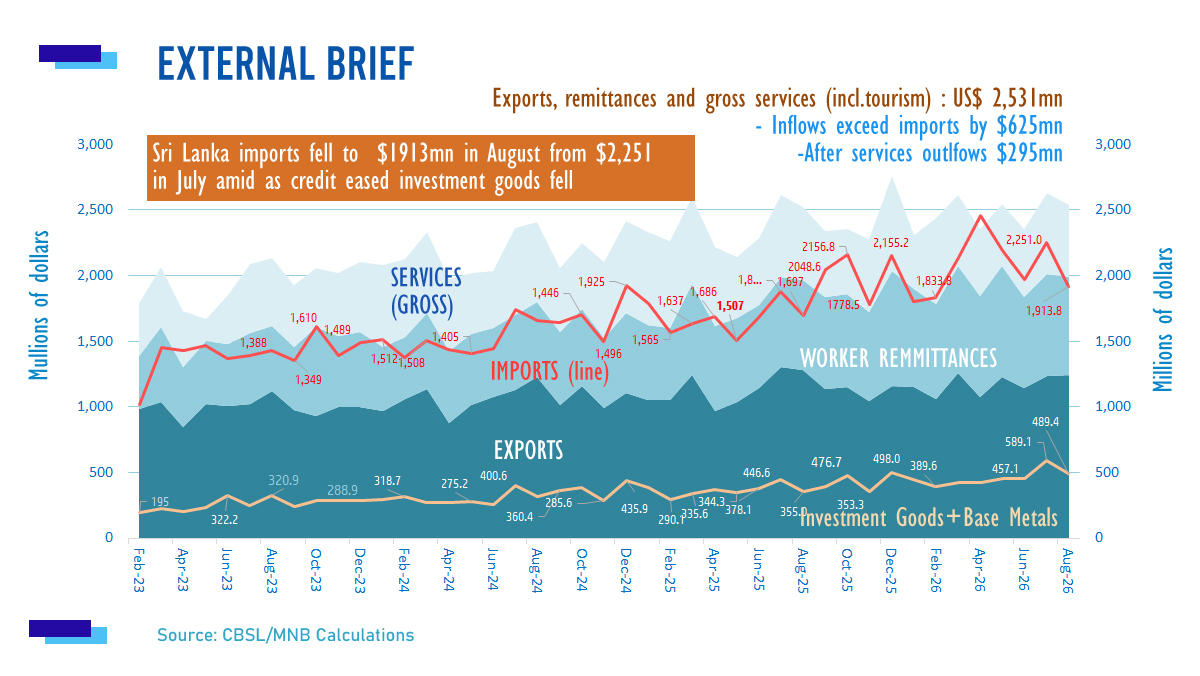
When the commercial banks use the new notes to give credit, imports are boosted to levels that exceed monthly dollar inflows.
Unless the note issuing bank returns the dollars to importers, the rupee depreciates.
If the dollars had been sold to the Treasury, when the rupee depreciates the central bank makes a forex loss, while insulating banks which had given rupee loans to boost imports.
Finance companies also did swaps with commercial banks to generate rupees, which the banks can then swap for new notes.
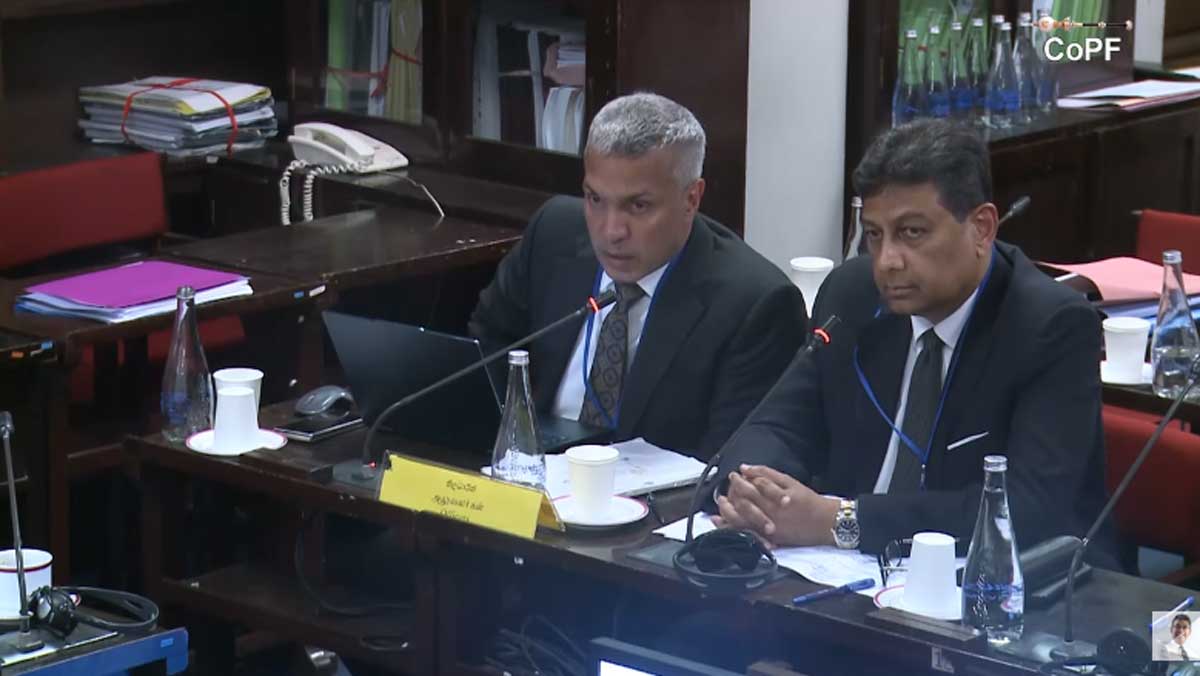
When questioned central bank officials said the volumes of swaps by finance companies which borrowed abroad were not large, without giving a number.
Data show that the central bank had printed money through swaps in the throes of the Middle East crisis.
Under the discretionary flexible exchange rate doctrine, the central bank can dishonor the notes at will, like a person who issues a rubber cheque that bounces, but escape accountability, analysts say.
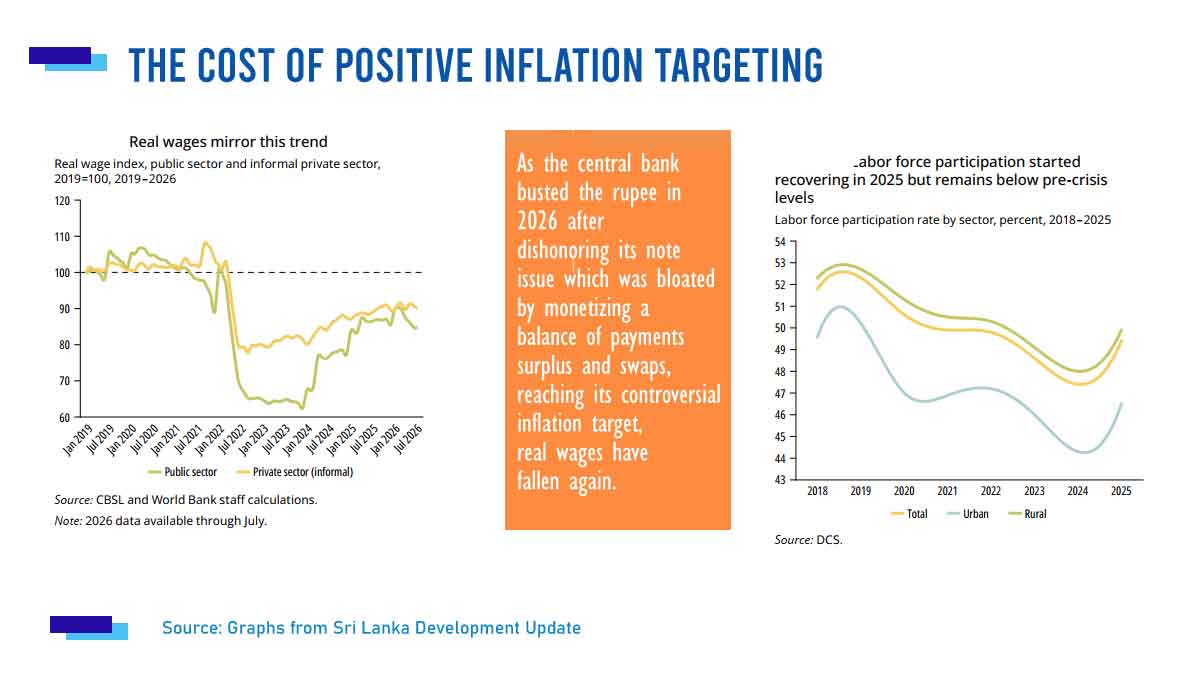
The central bank can also buy dollars from the to create money (monetize a balance of payments surplus) to build reserves, build up excess liquidity, and refuse to give dollars and depreciate the currency as it did in 2026.
Macro-economists have for decades blamed democratically elected governments and politicans for forex shortages and balance of payments trouble.
But in 2026 the rupee was busted in a budget surplus, exposing the decades old narrative which allowed the note-issue bank to escape accountability for inflationary operations and rate cuts.
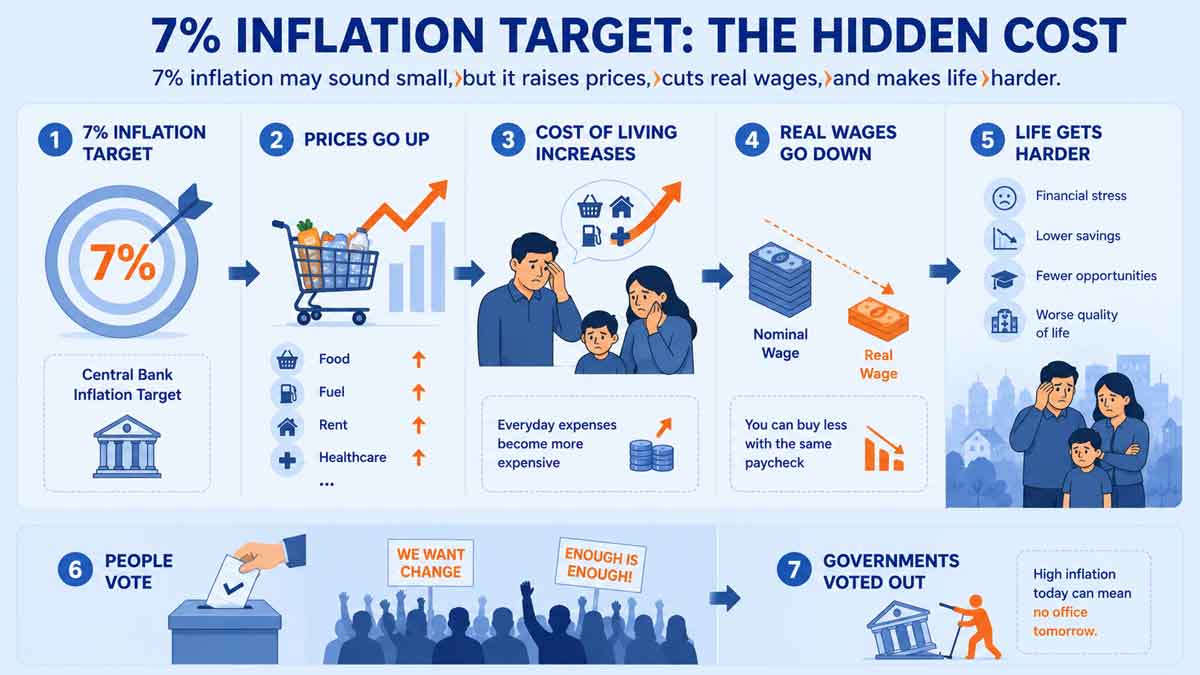
There is growing understanding in Sri Lanka about how the central bank creates monetary instability, deliberalizes the country with exchange and trade controls and impoverishes the general population with inflationary operations. (Colombo/Oct20/2026)

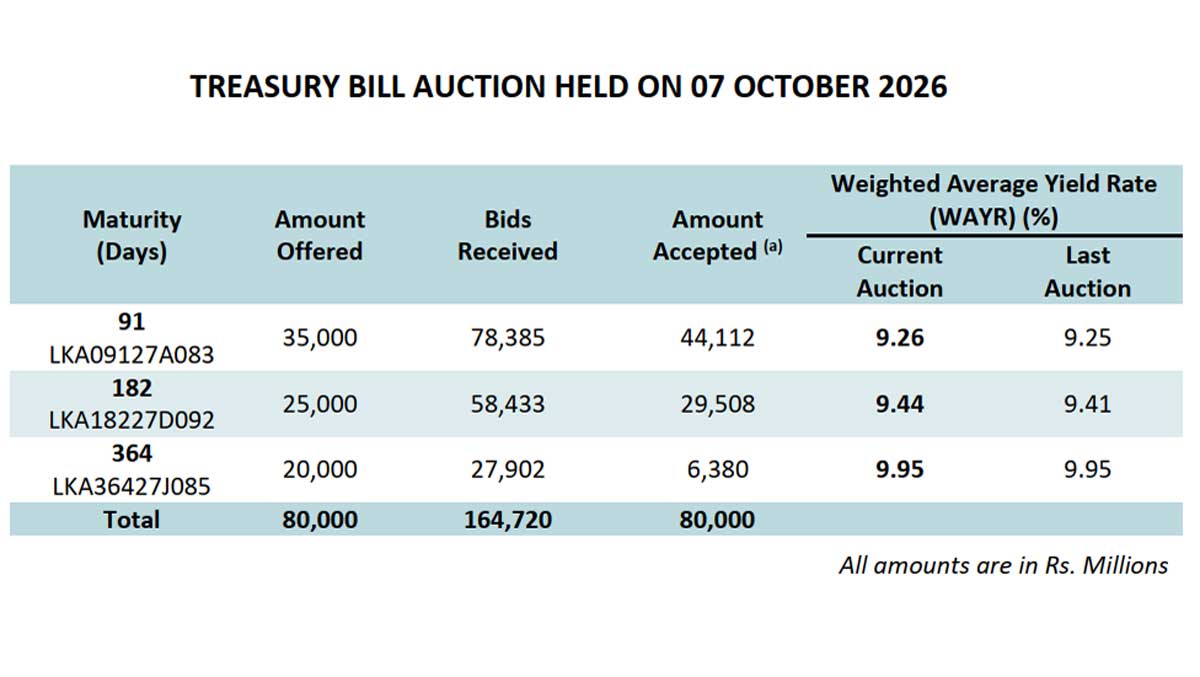
| 3 month bill | 9.26% | 1bp ▲ |
| 12-m bill | 9.95% | 2bp - |
| Gold (Ounce) | $4187 | - ▼ |

















Comments
Be the first person to comment and join the debate