
Share your email and we'll share the latest news
Exclusive economic intelligence, political and business coverage
Sunday, November 15 2026
Sunday, November 15 2026
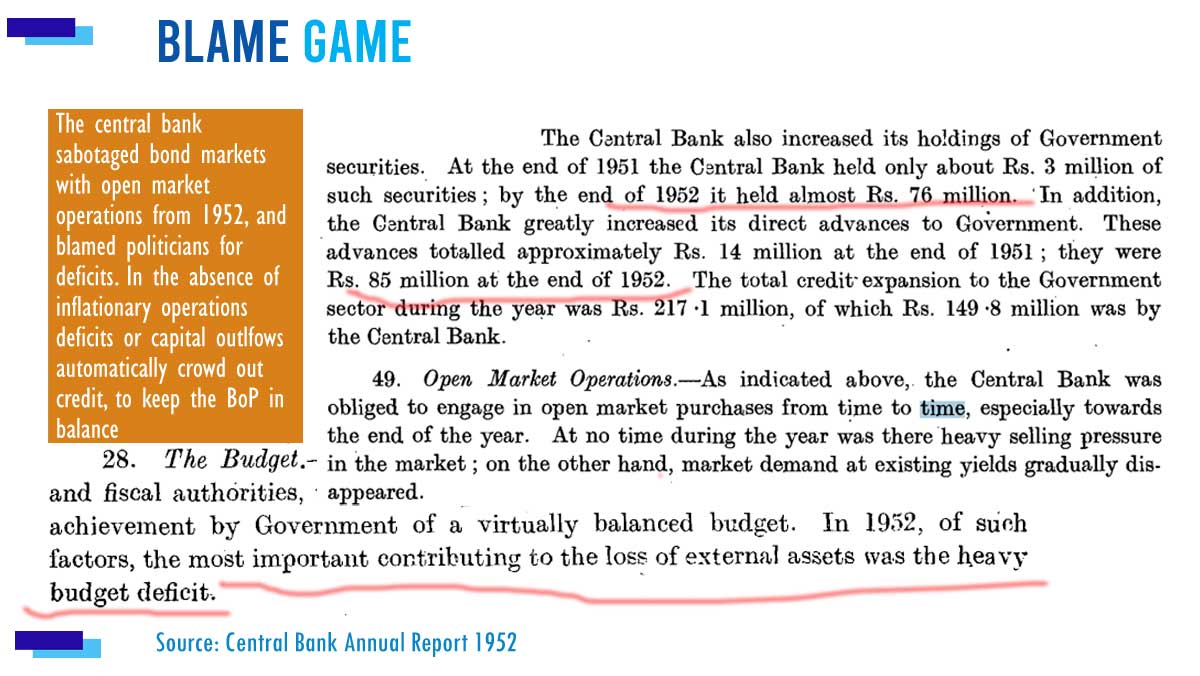
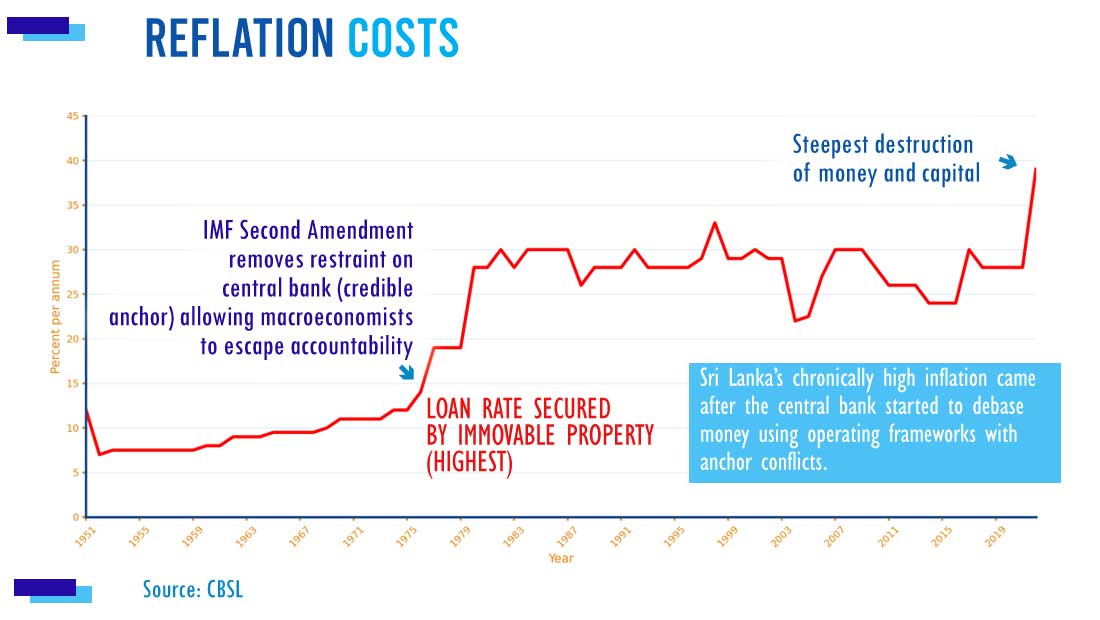
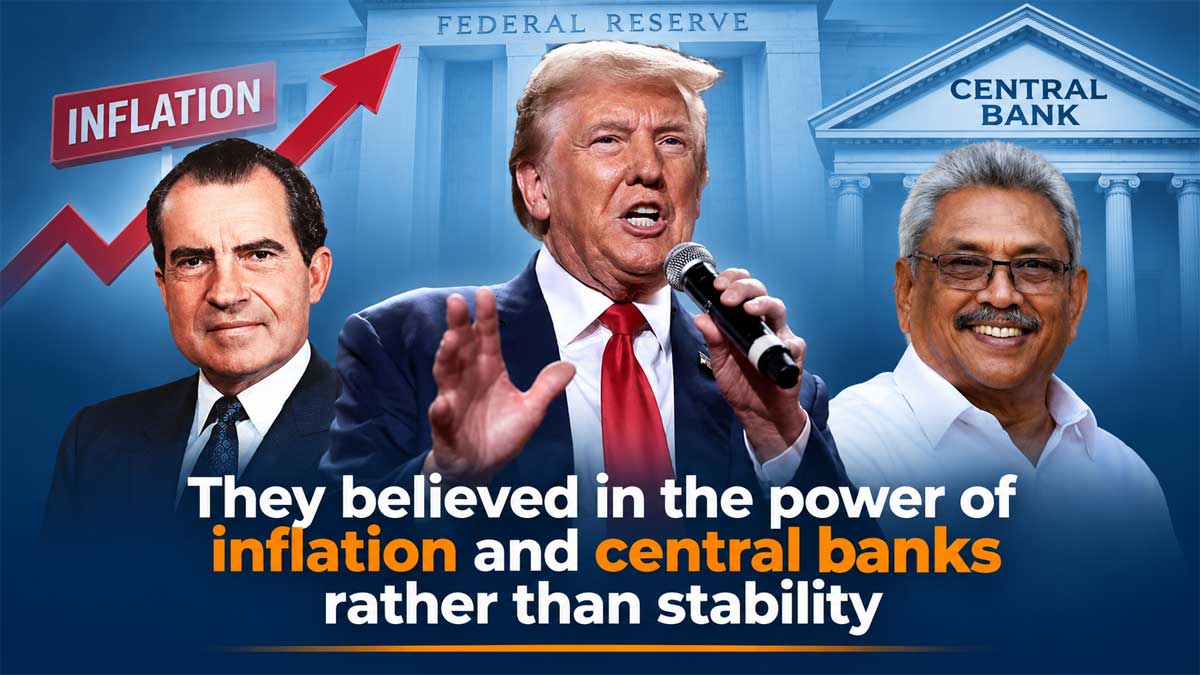
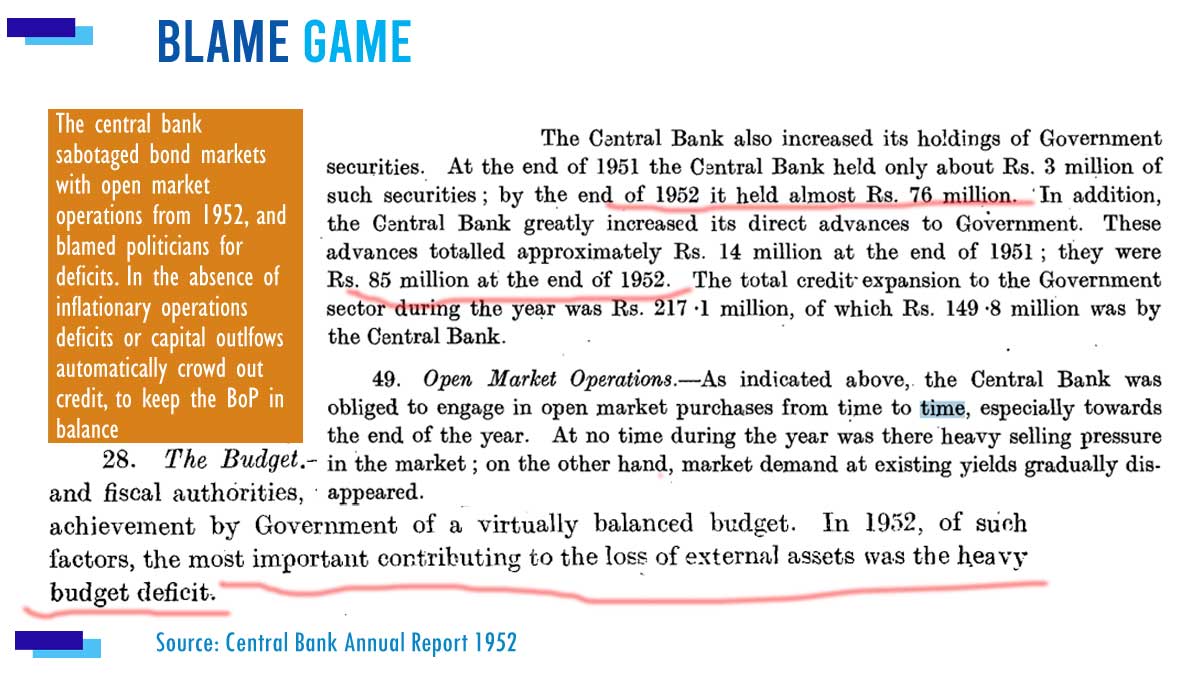 IMF : The It Must be Ficsal narrative had been promoted for 74 years by the central until 2026. In 2026, it blamed an 'external shock,' not the inflationist, discretionary operating framework
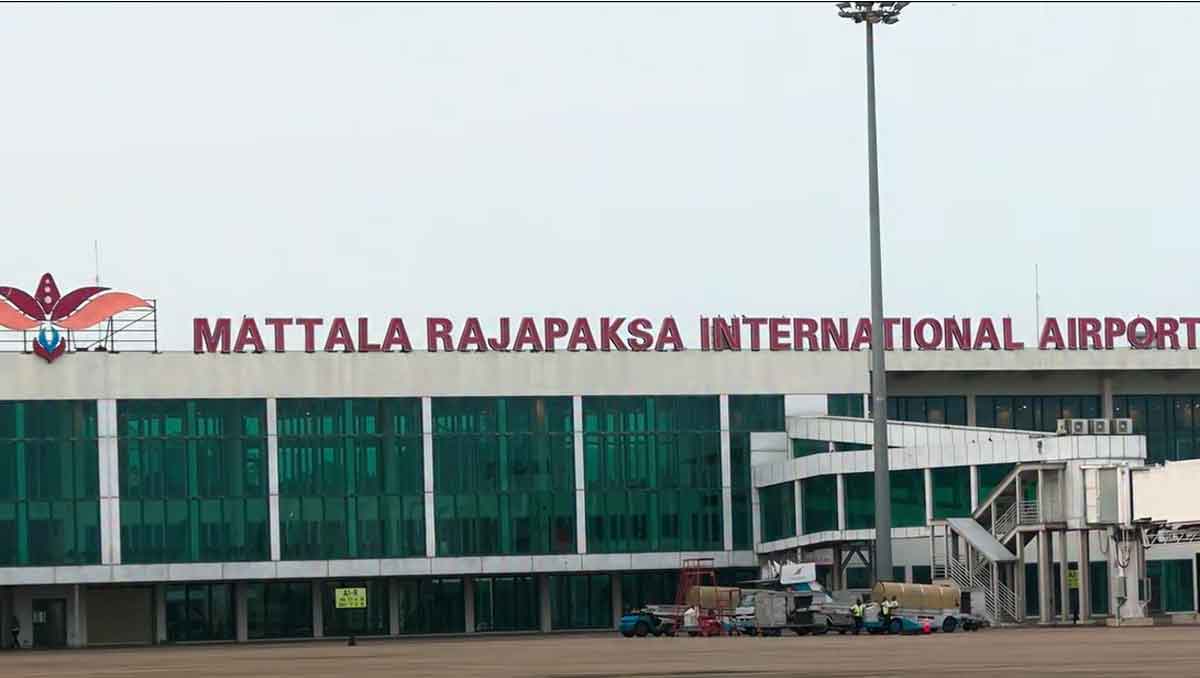
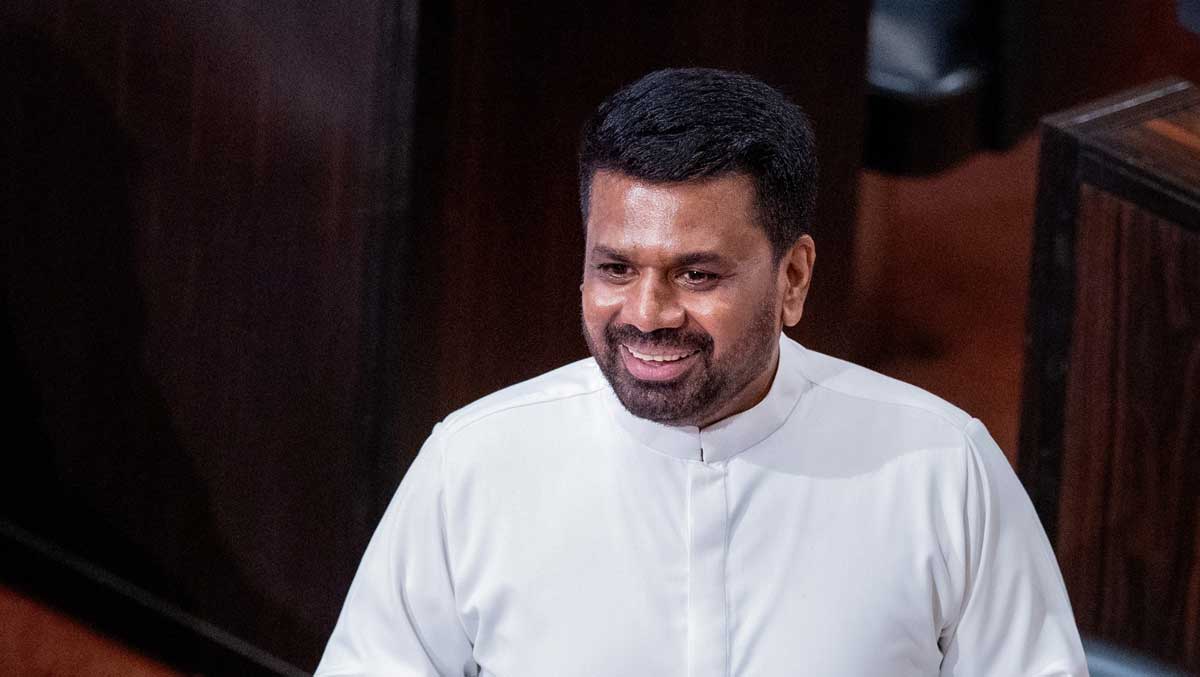
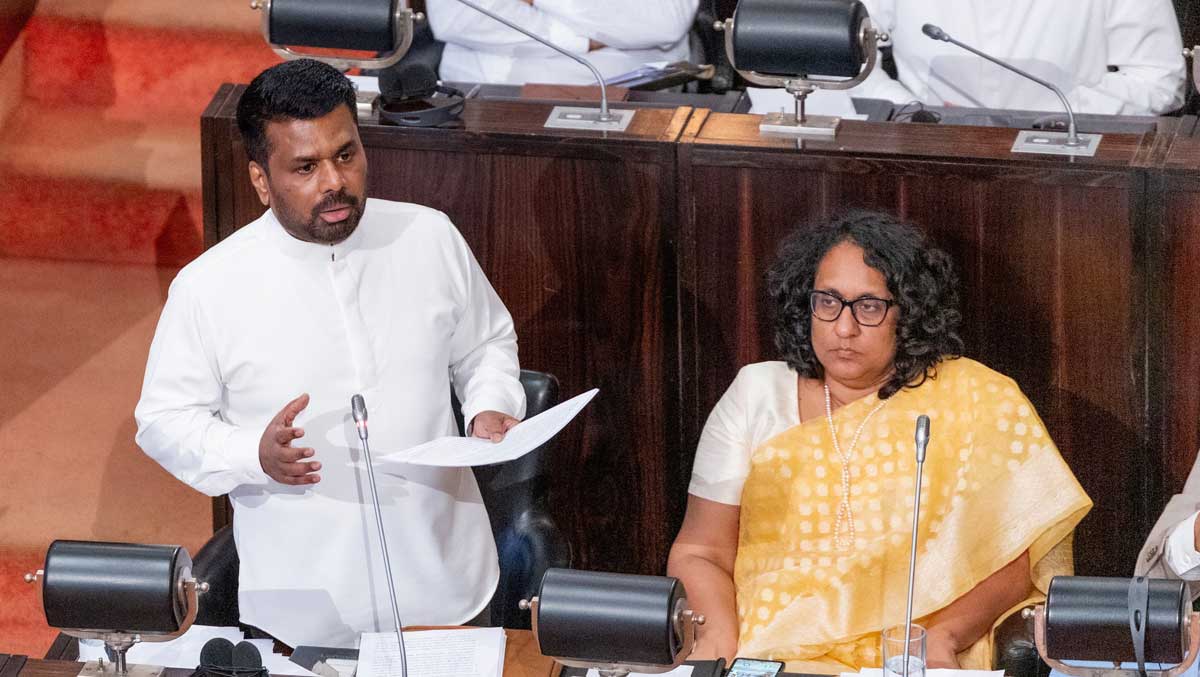
MONETABRIEF – Sri Lanka President Anura Kumara Dissanayake has spotted seven decade old narrative spread by inflationist macro-economists to escape accountability, after the central bank busted the rupee in a budget surplus.
Sri Lanka, an export-oriented economy that imported labour and was an outward remitting country started having forex problems from February 1952, as the newly set up agency printed money suppress rates.
So-called 'rate cuts' through which economic crises are triggered by a monetary policy committee now has not yet invented at the time.
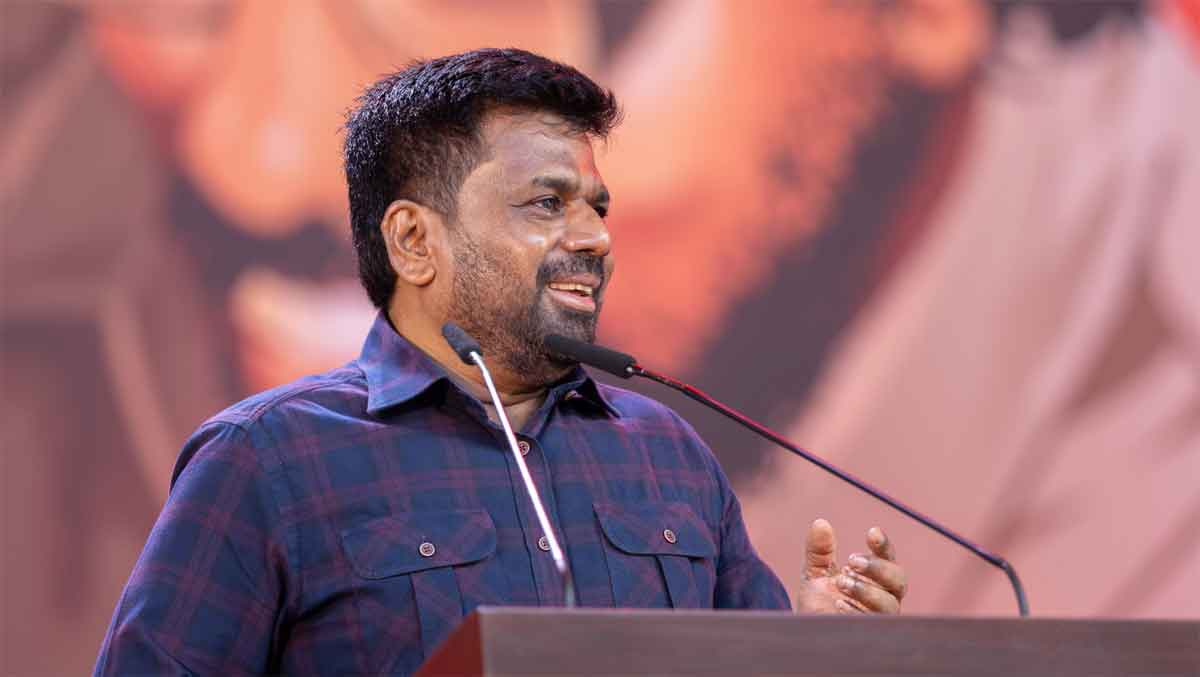
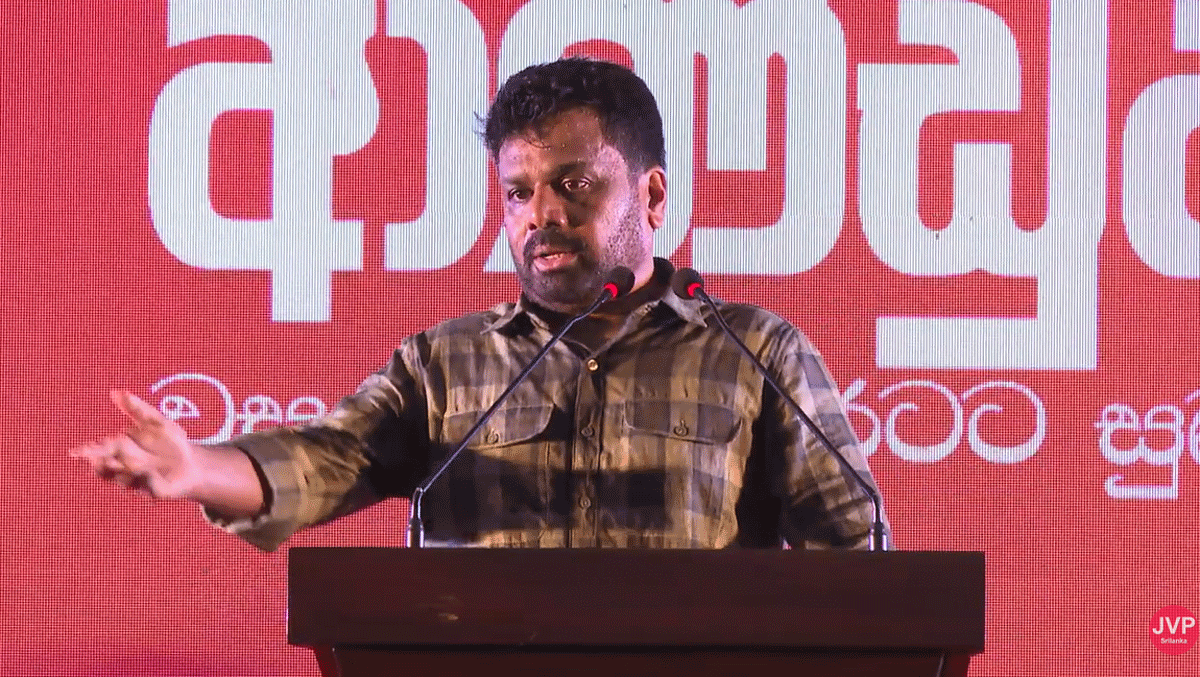
"The fundamental structural macroeconomic problem that Sri Lanka has faced for a long time has been the deficits in the budget, the balance of payments and the current account," President Anura Dissanayake said.
"Although we were able to reduce the budget deficit significantly through correct revenue and expenditure policies, the external sector has not yet been strengthened as required."
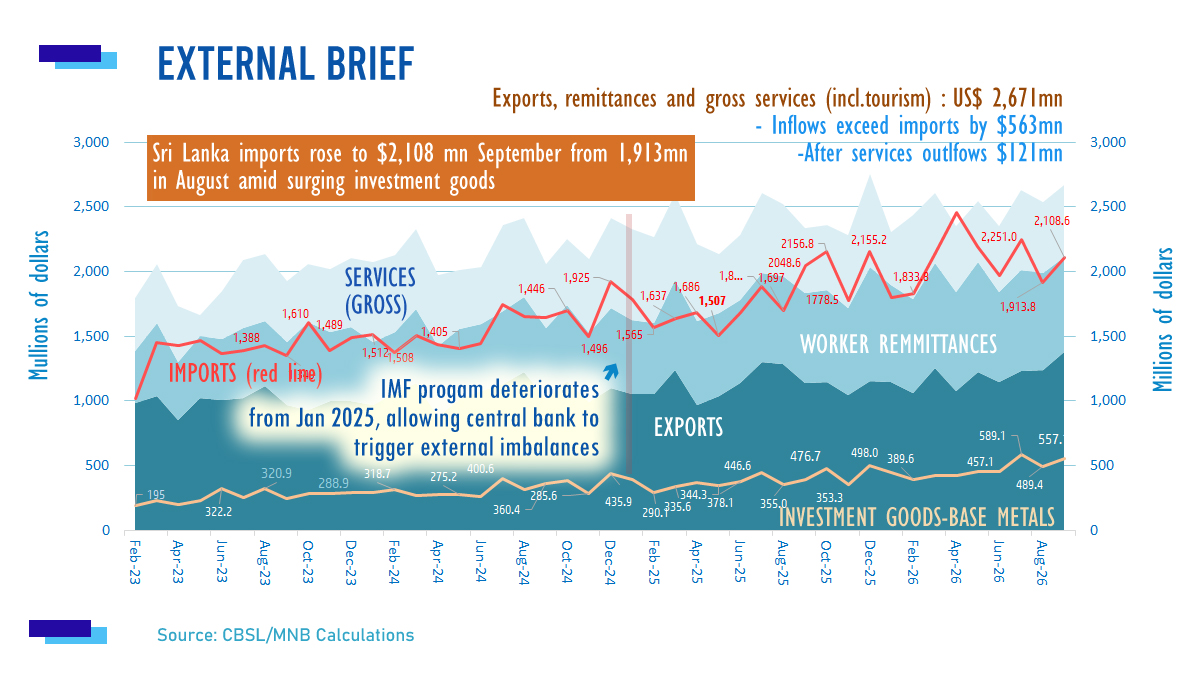
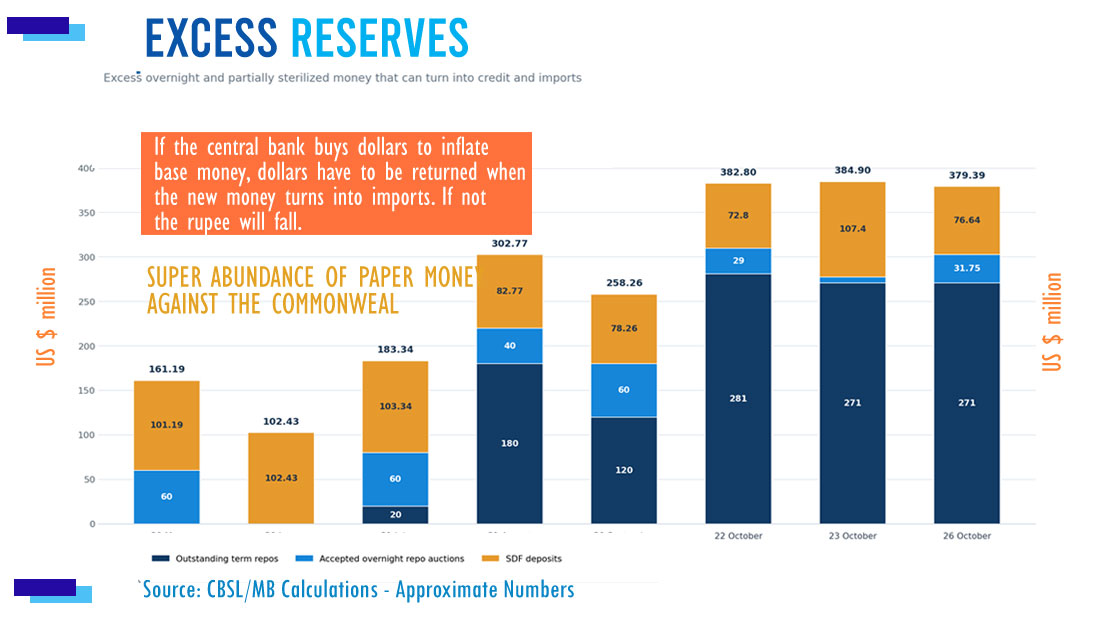
In 2026, the central bank built up excess liquidity by monetizing balance of payments surpluses as President Dissnayake's Treasury maintain monetary prudence.
As soon as oil prices went up, the central bank dishonored the notes and busted the rupee from 330 to 335 to the US dollar, after earlier debasing the rupee steadily to 309 to the US dollar from 300.
The central bank started blaming the budget after printing money in the 1952/53 currency crisis, which ended in street protests and 20 people being shot and resignation of the Prime Minister Dudley Senanayake.
In the absence of a policy rate, any budget deficit (or capital flight for that matter) is automatically crowded out by a reduction in domestic credit and imports.
However, from 1952, central bankers and macro-economists have blamed the budget deficit instead of themselves for external problems.
External problems come from rejecting economic theory (Hume's price-specie-flow mechanism, which was explained in greater detail by David Ricardo and the currency school), and not politicians or imports, or trade deficits, or current account deficits.
The mis-understanding comes and de from Cambridge economics after Keynes rejected classical economics and revived debunked Mercantilism.
He also promoted the so-called 'transfer problem' misleading American policy makers in particular, as the then Reichsbank printed and triggered debt crises in the Weimar Republic a few years before publishing the General Theory.
When the central bank narrowed its policy corridor from 160 to 100 basis points in 2015, printed money for mid-corridor targeting, analysts warned that Sri Lanka was in danger of default exactly like Weirmar Republic, peacetime.
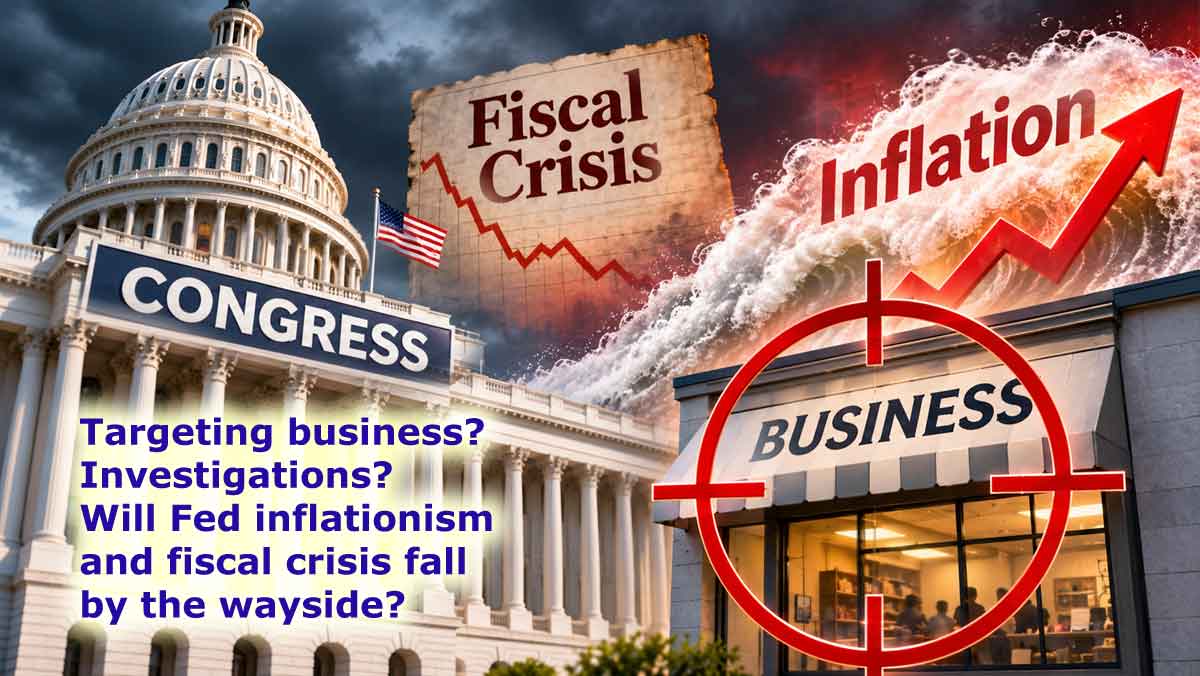
Classicals refers to the false narrative that allow central banks to escape democratic accountability (inflation is fundamentally undemocratic while budgets which restraints the is democratic) as IMF, or It Must be Fiscal.
Macro-economists have been successful in spreading the narrative in part because people are believe macro-economics have something to do with economics and perhaps also because they prepared to believe the worst from politicians.
Politicians in Sri Lanka however have not been inflationist but have spent political capital raising taxes after central banker triggered external crises.
It has been central bankers or central bankers who were seconded to the Treasury (with the exception of A S Jayewardene who studied at LSE is), who have resorted to inflationary policy. (Colombo/Nov15/2026)

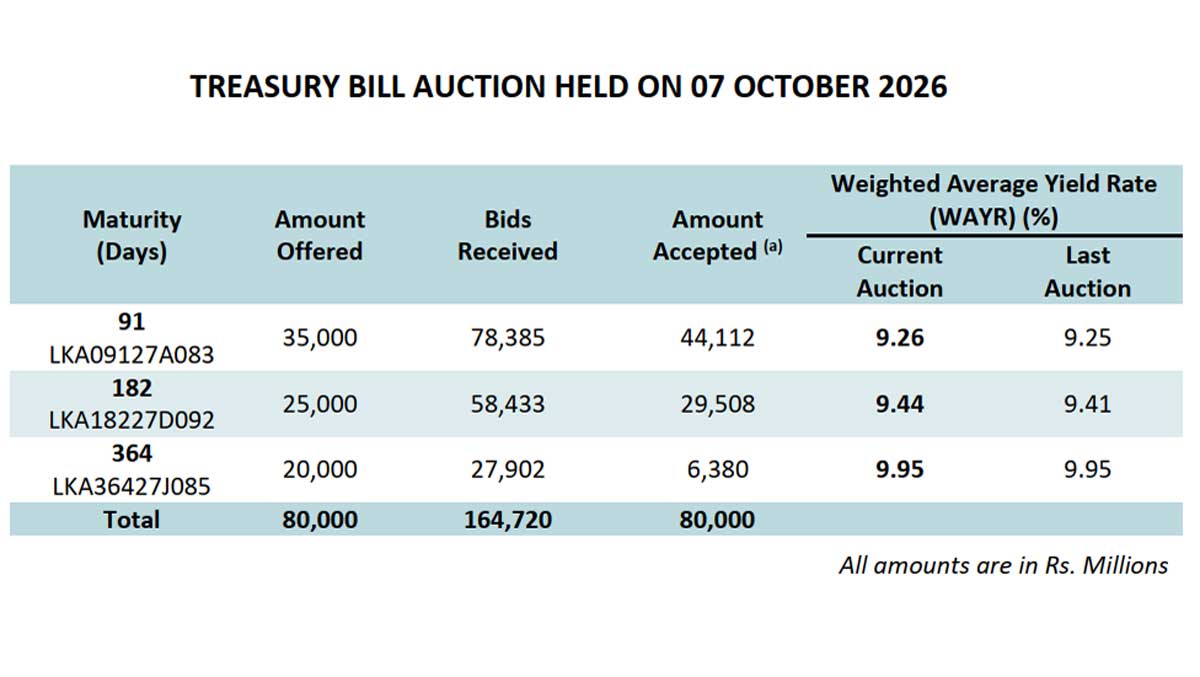
| 3 month bill | 9.26% | 1bp ▲ |
| 12-m bill | 9.95% | 2bp - |
| Gold (Ounce) | $4015 | - ▼ |








Comments
Be the first person to comment and join the debate