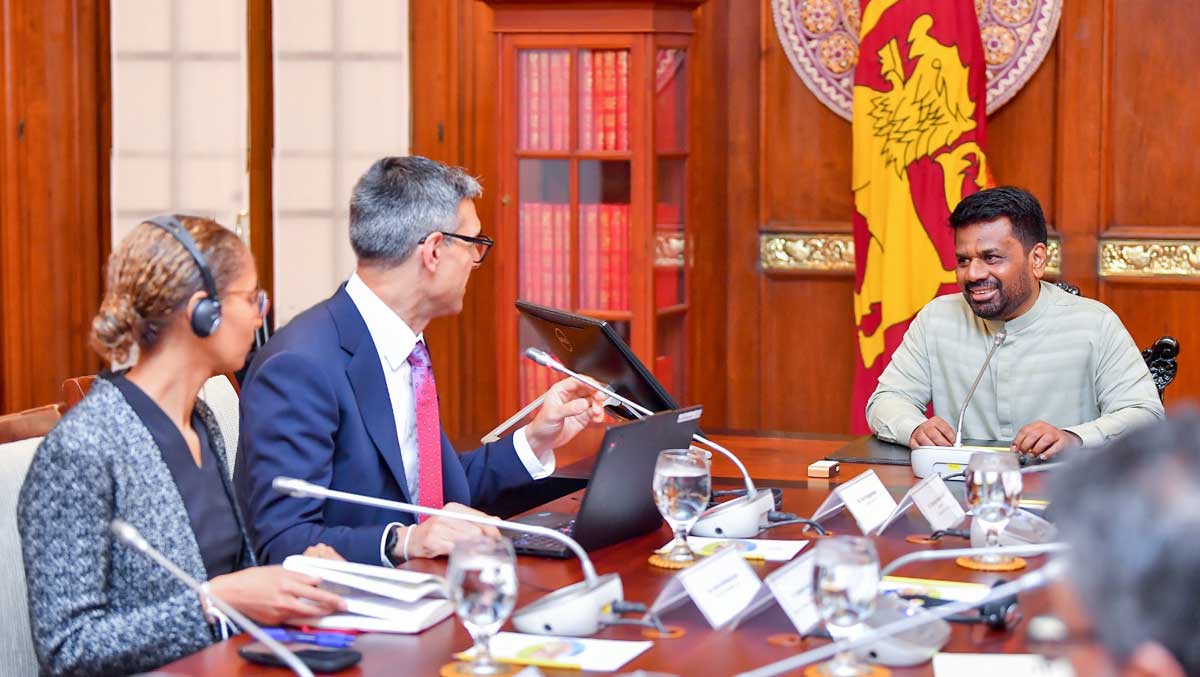
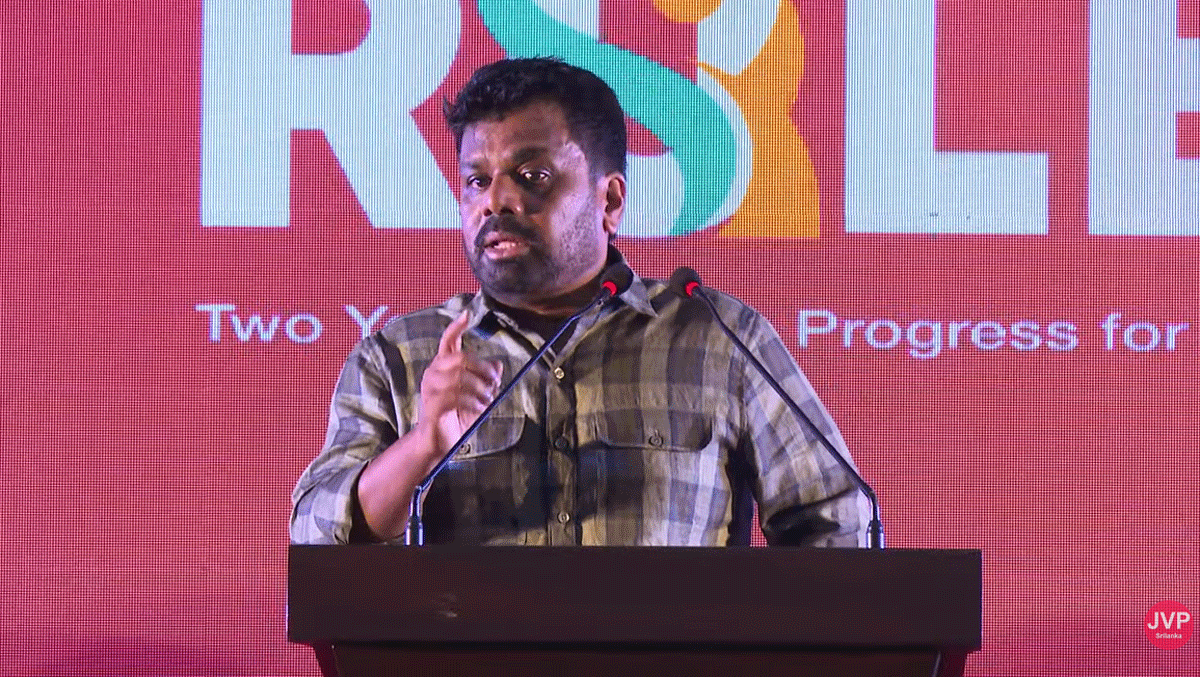
MONETABRIEF – Sri Lanka's President Anura Kumara Dissanayake has told visiting International Monetary Fund officials that he wants to use economic gains to improve living standards as the rupee was busted by macro-economists.
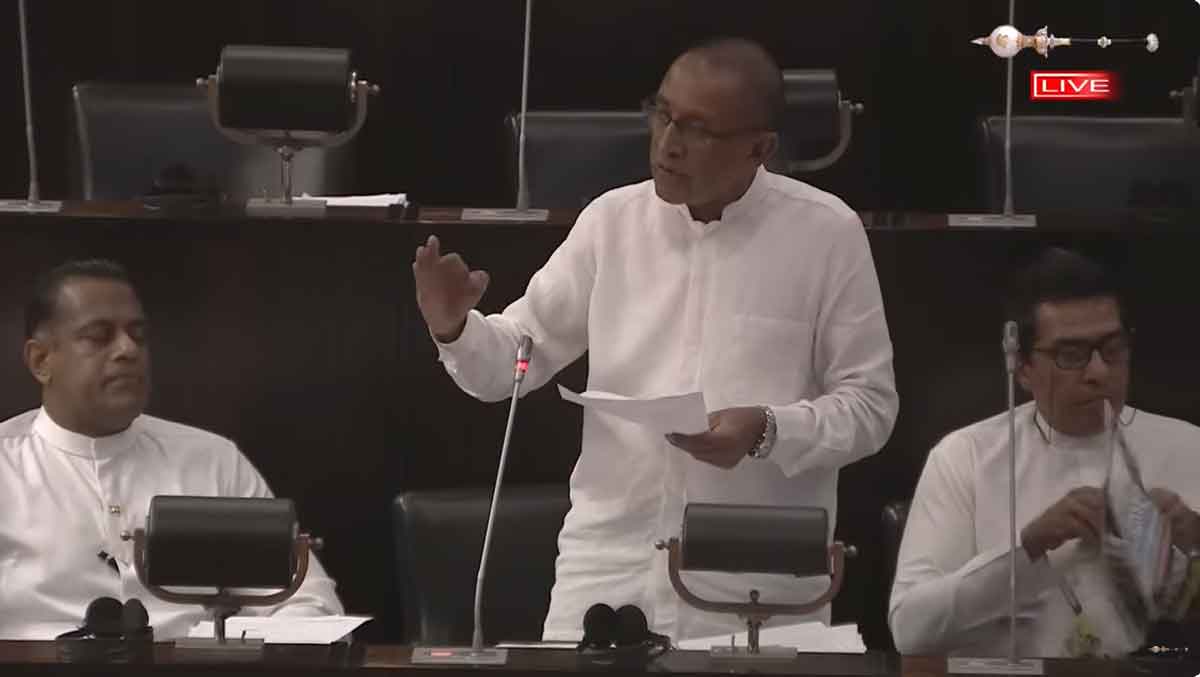
The president emphasised that the government’s objective was to use the economic gains achieved by the country to ease and improve the living standards of the people.
Fiscal Progress
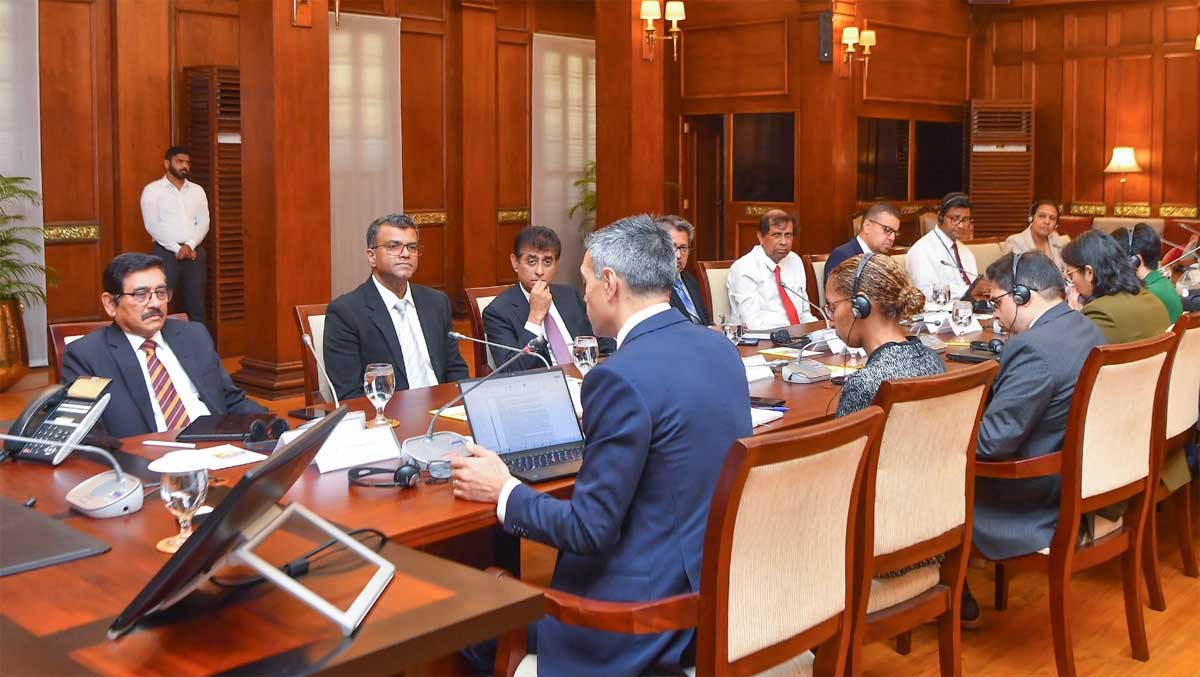
IMF Mission Chief Evan Papageorgiou had said "that Sri Lanka had achieved significant economic progress under the leadership of President Anura Kumara Dissanayake," a statement from the President's media office said.
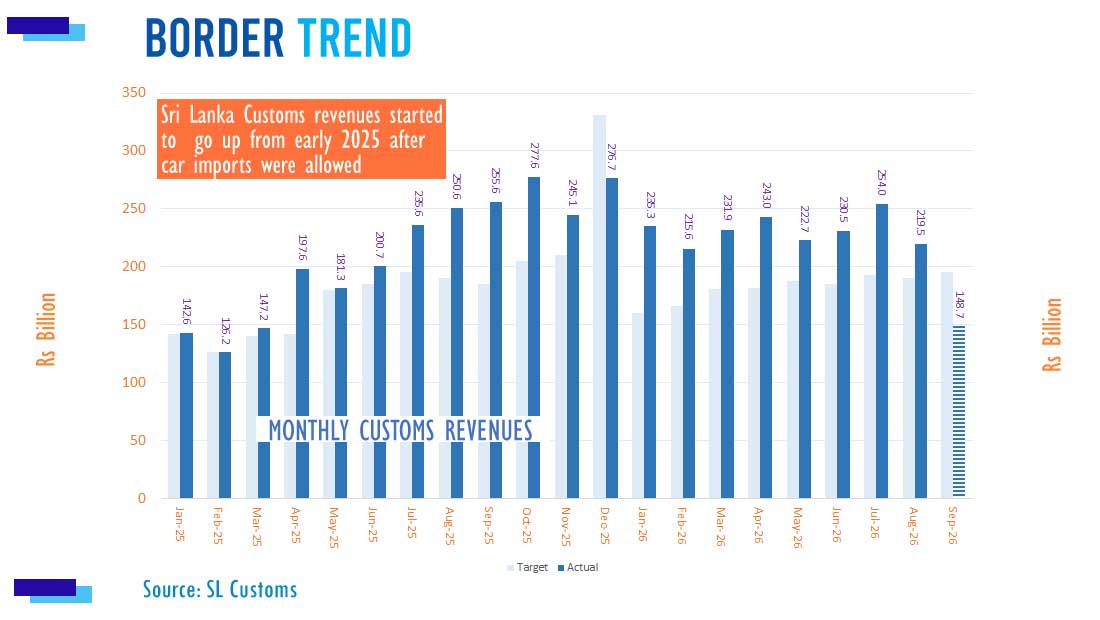
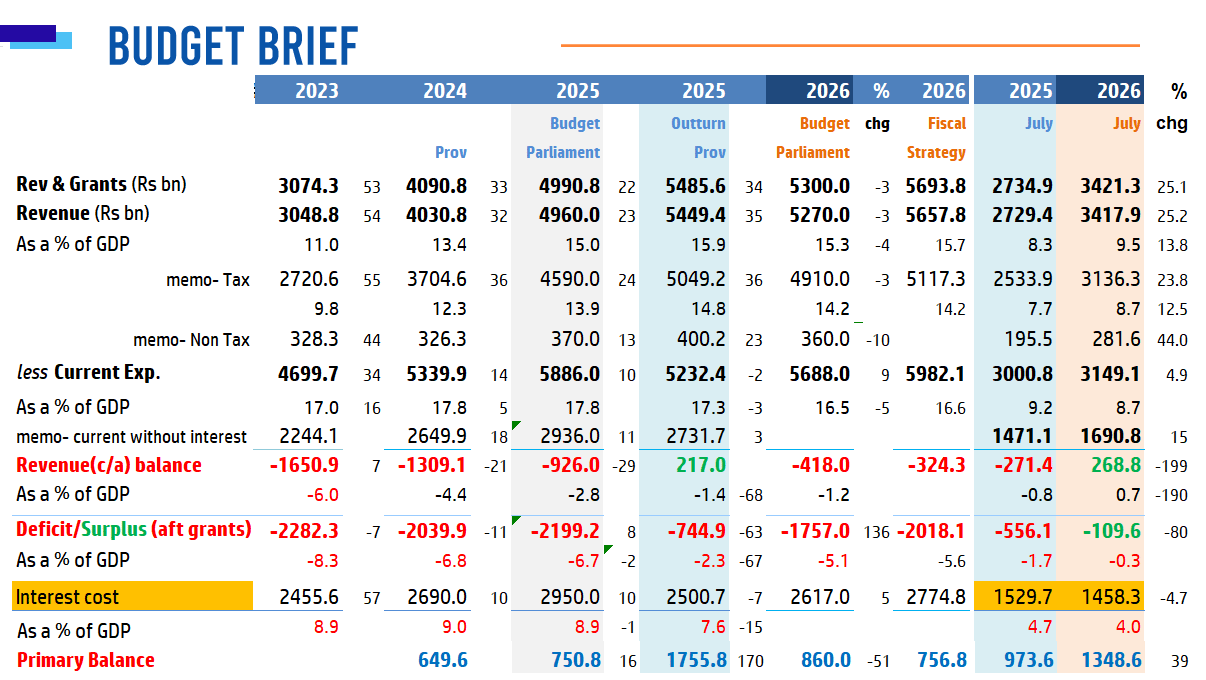
"He also commended the country’s progress in maintaining fiscal discipline during the recent period, and including increasing government revenue…"
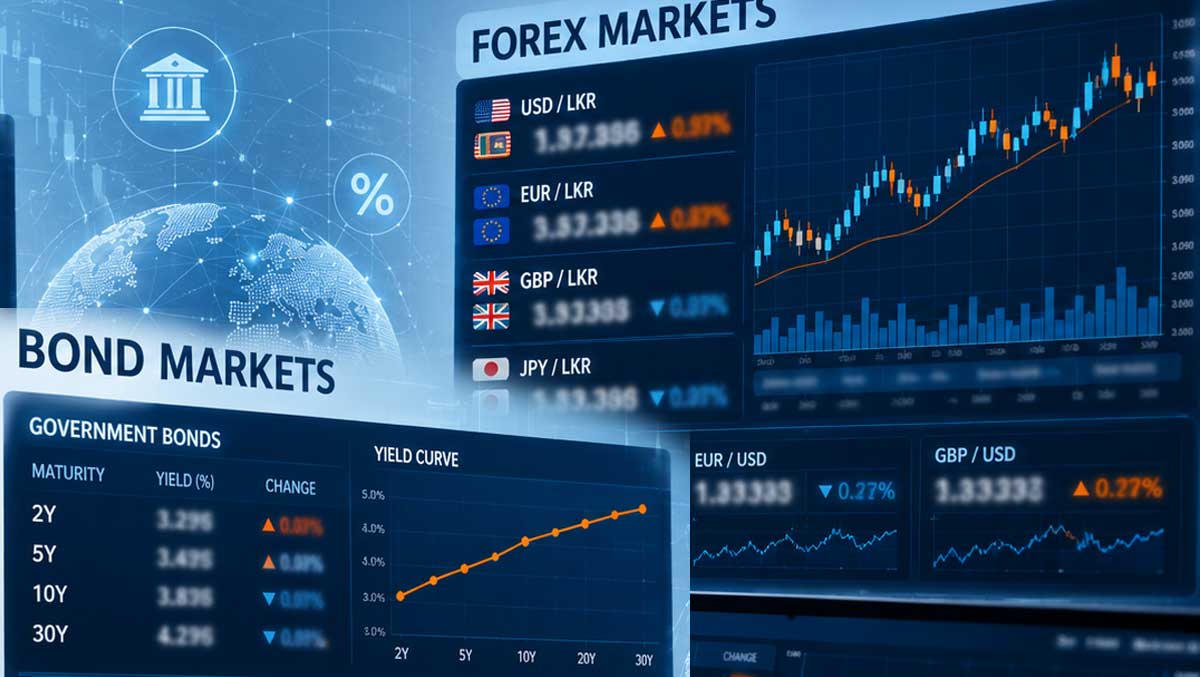
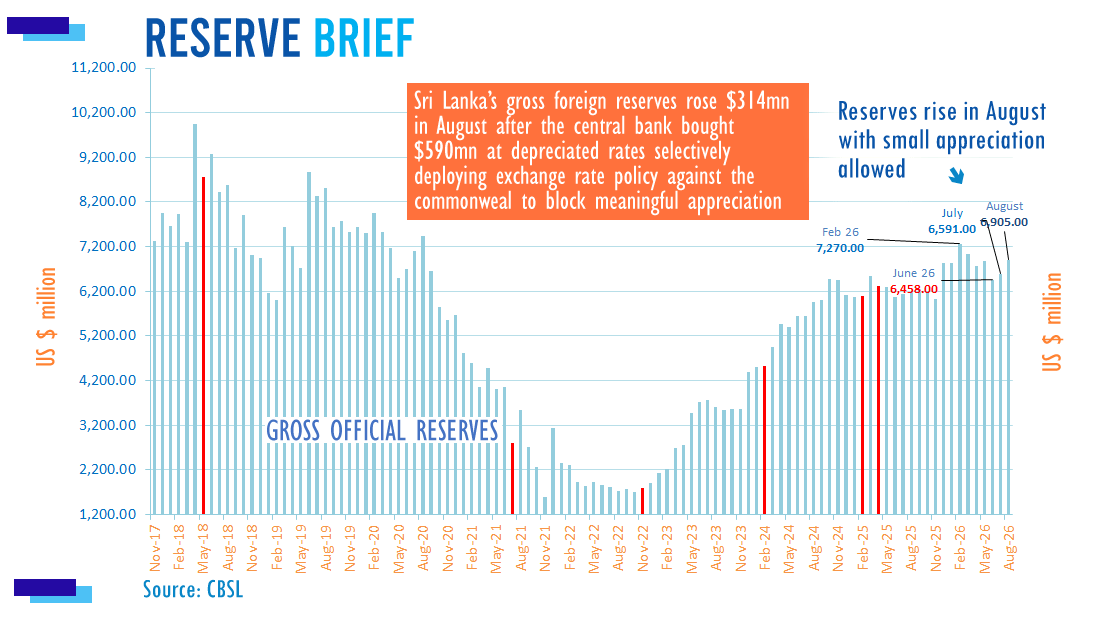
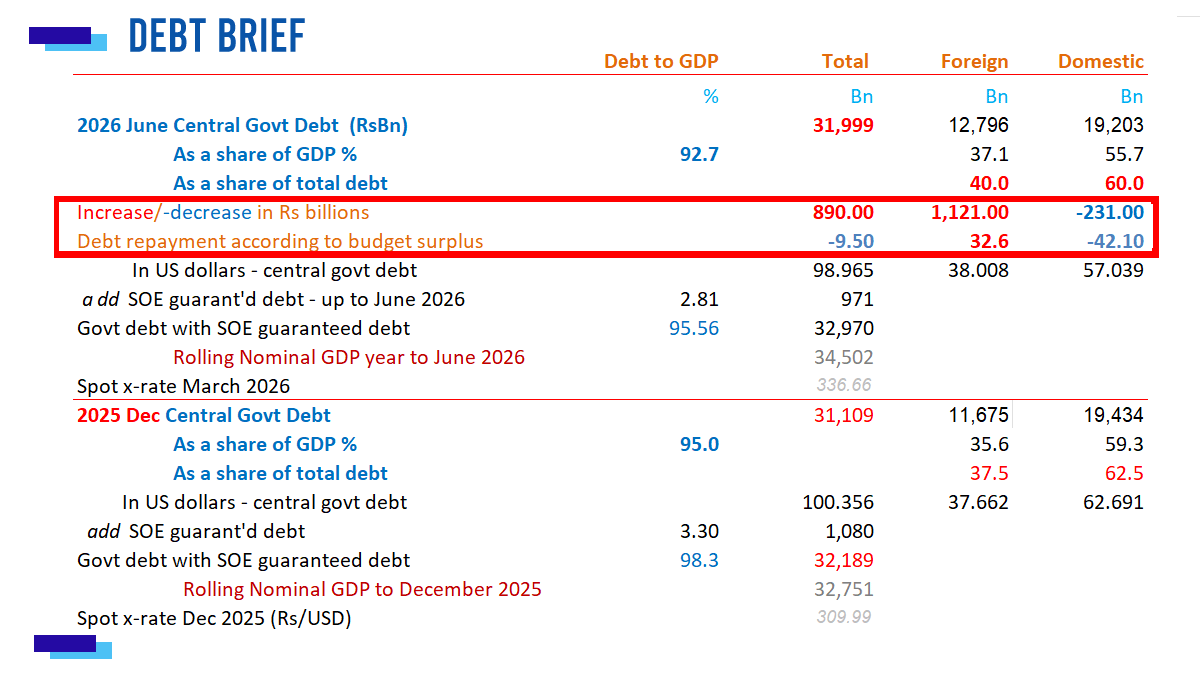
Sri Lanka ran a budget surplus in the first half of 2026 when the central bank busted the rupee from 309 to 340, after debasing the currency from 300 to 309 over 2025.
The debasement amplified the effects of higher oil prices, and the political cost of a democratically elected government that market priced fuel.
Monetary Debasement by Dishonoring
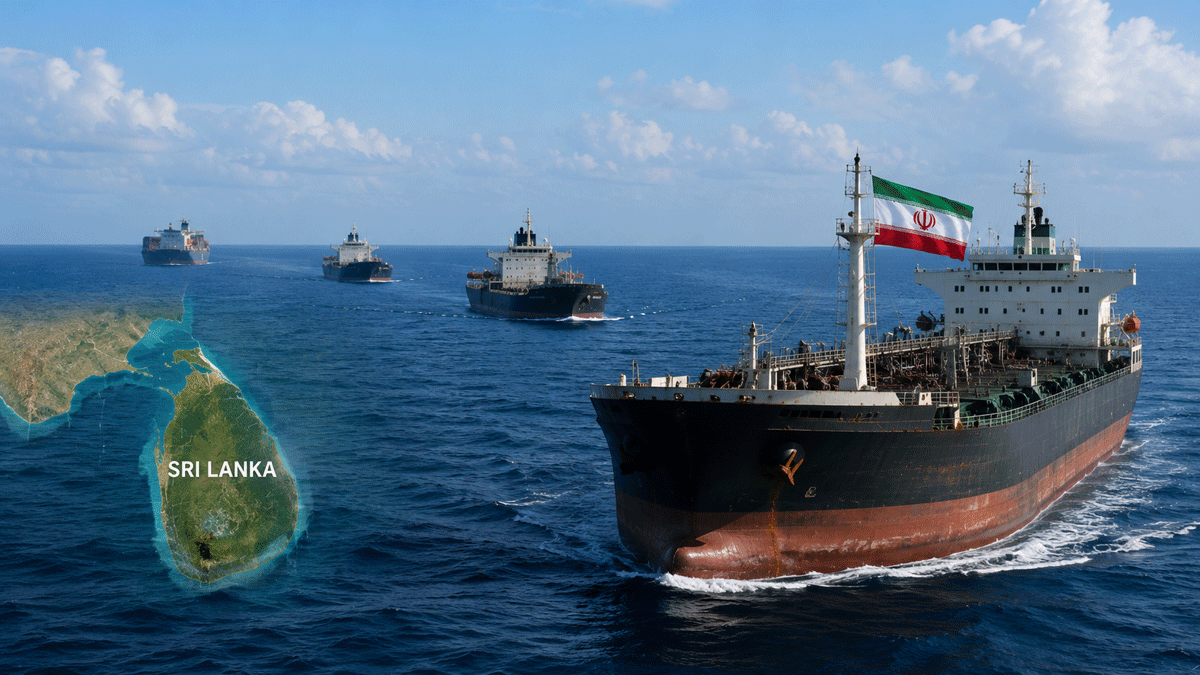
However, the central bank resisted interest rate increases credit picked up over 2025 (rate cuts) and also printed money through forex buy-sell swaps, building up a war chest of excess liquidity when oil prices surged as the US hit Iran.
Macro-economists then dishonored the war chest of excess liquidity busting the currency.
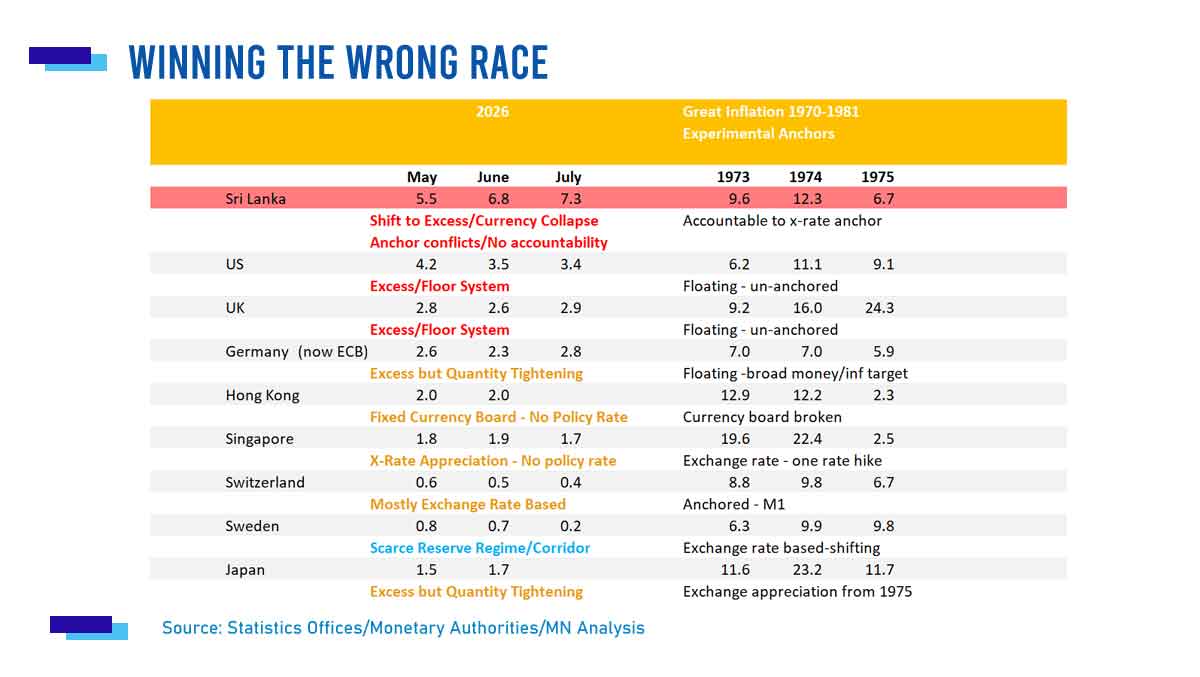
Though an external shock (higher oil prices) were blamed, eventually rates were hiked to stop the sliding rupee showing that the problem was of domestic origin.
In 2015/2016 the central bank also cut rates and injected it by claiming past inflation was low under flexible inflation targeting and busted the rupee as oil prices fell steeply, discrediting the economic credentials of the then administration in a similar fashion.
Balance of payments problems are of domestic origin either due to printing money for 'monetary policy' or dishonoring the note issue (exchange rate as the first line of defence) or a combination of both.
Escaping Accountability
Analysts have pointed out that Sri Lanka's central bank started to escape accountability for monetary debasement from the 1980s, in the wake of the IMF's Second Amendment to its articles, pushing nominal interest rates which were around US levels to very high levels.
The monetary debasement busted budgets, making supplementary estimates the norm. Sri Lanka in the 1980s did not have commercial debt. Latin American nations which had commercial debt defaulted after the IMF's Second Amendment.
Before Keynes' General Theory and stimulus, the central bank could not escape accountability for balance of payments troubles and blame current or trade deficits because Mercantilism was debunked by economists ranging from Hume and Adam Smith to Ricardo and Torrence.
Keynes Revives Mercantilism and Current Account Deficits
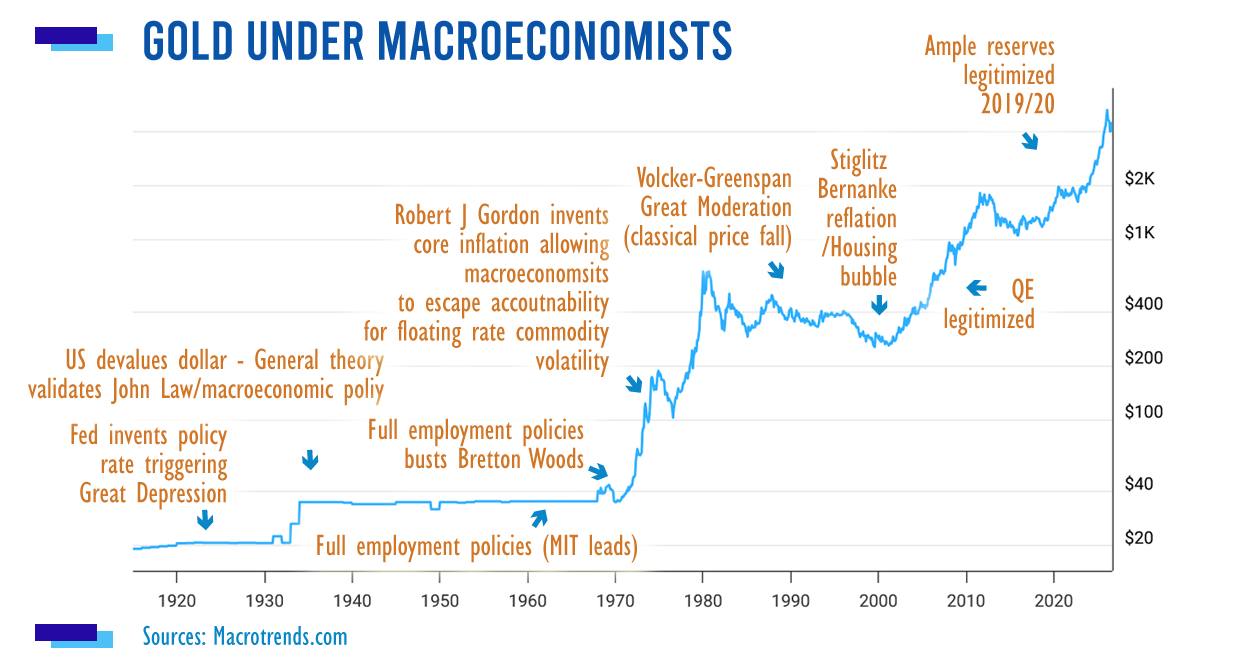
However in General Theory, Keynes revived debunked Mercantilism and the spurious doctrine (IS-LM) were subsequently taught to thousands of university graduates, who eventually went to run nationalized central banks scuttling self-adjusting balance of payments.
"The majority of statesmen and practical men in most countries, and nearly half of them even in Great Britain, the home of the opposite view, have remained faithful to the ancient doctrine," Keynes said in Chapter 23 of his magnum opus in a sweeping white-washing of Mercantilism.
"…[W]hereas almost all economic theorists have held that anxiety concerning such matters is absolutely groundless except on a very short view, since the mechanism of foreign trade is self-adjusting and attempts to interfere with it are not only futile, but greatly impoverish those who practise them because they forfeit the advantages of the international division of labour," he added dismissing almost two centuries of economics in one sentence.
"Generally speaking, modern economists have maintained not merely that there is, as a rule, a balance of gain from the international division of labour sufficient to outweigh such advantages as mercantilist practice can fairly claim, but that the Mercantilist argument is based, from start to finish, on an intellectual confusion."
He then went on to sweep aside laws of nature discovered and practiced (price-specie-flow mechanism) that had made London the financial capital of the world.
"Under the influence of this faulty theory the City of London gradually devised the most dangerous technique for the maintenance of equilibrium which can possibly be imagined, namely, the technique of bank rate coupled with a rigid parity of the foreign exchanges," Keynes said.
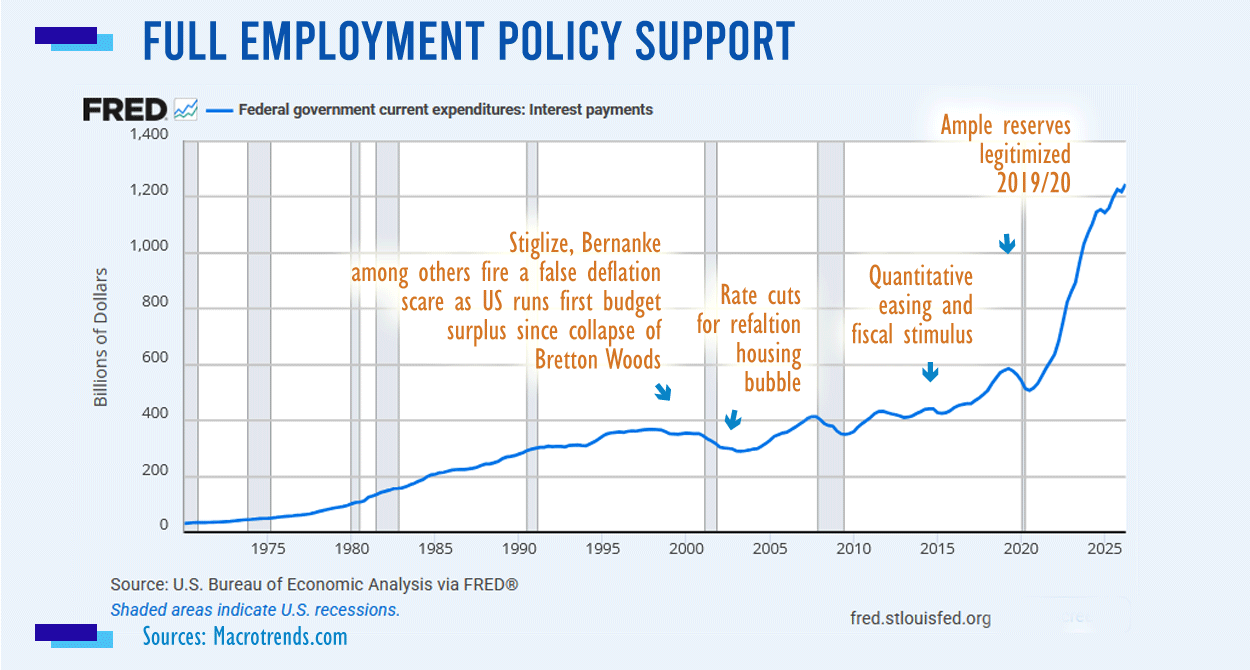
"For this meant that the objective of maintaining a domestic rate of interest consistent with full employment was wholly ruled out.
"Since, in practice, it is impossible to neglect the balance of payments, a means of controlling it was evolved which, instead of protecting the domestic rate of interest, sacrificed it to the operation of blind forces."
Sterling and Rupee Crises
Sri Lanka had to hike rates post-haste in 2026 respecting the 'blind forces' as the rupee collapsed.
In addition exchange and trade controls were also tightened again, reversing reforms in 2026.
Keynes was a co-founder of the IMF and in line with Mercantilist doctrine, the Article IV (capital controls) were allowed.
After World War II, the Pound, perhaps the most eminent currency the world has seen after the Roman Solidus, underwent a series of 'Sterling crises' under the grip of what came to be called 'Cambridge economics' .
After the collapse of the Bretton Woods, the UK had to be bailed out with biggest IMF program up to that time narrowly averting default.
Economic analysts have warned earlier that cutting rates based on historical inflation on some mathematical formula (data driven monetary policy) is a spurious doctrine, since interest rates are a function of credit.
Rates therefore not only had to be kept prevent balance of payments trouble and maintain sound money, but rates also had to be high enough to repay maturing debt, and if not, Sri Lanka will run into a second default as IMF Second Amendment countries did in the 1980s and still do under flexible inflation targeting style frameworks.
As the deployment of 'full-employment policies' led to rising prices in the 1960s other debunked Mercantilist fallacies such as 'cost-push' inflation were also revived and gratefully embraced by inflationist central bankers to escape accountability for rate cuts and other inflationary policies, analysts say.
In Sri Lanka there is an attempt to curb the inflation bias of the central bank with a 2 percent inflation target, in the hope of blocking its ability to trigger the next default and trigger social unrest, but it there is fierce resistance.
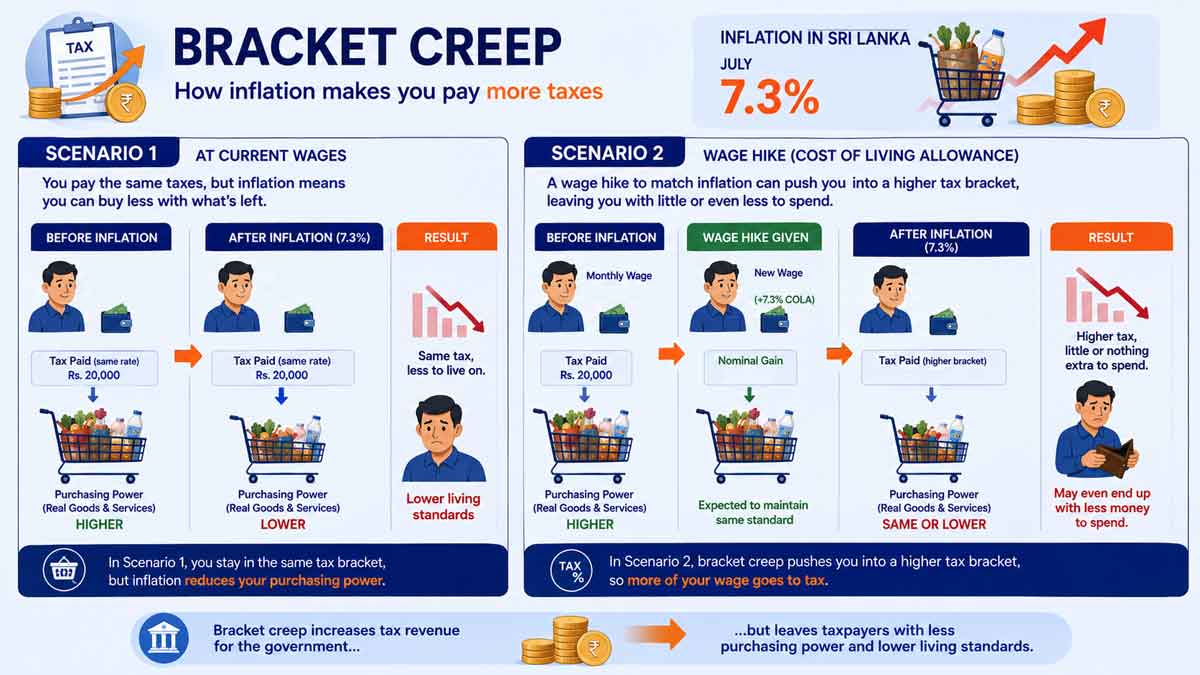
Even with a lower inflation target, cost of living could be pushed up, social unrest could be kindled by exchange rate policy alone, other analysts say.
(Colombo/Sept18/2026)










Comments
Be the first person to comment and join the debate