
Share your email and we'll share the latest news
Exclusive economic intelligence, political and business coverage
Thursday, November 12 2026
Thursday, November 12 2026
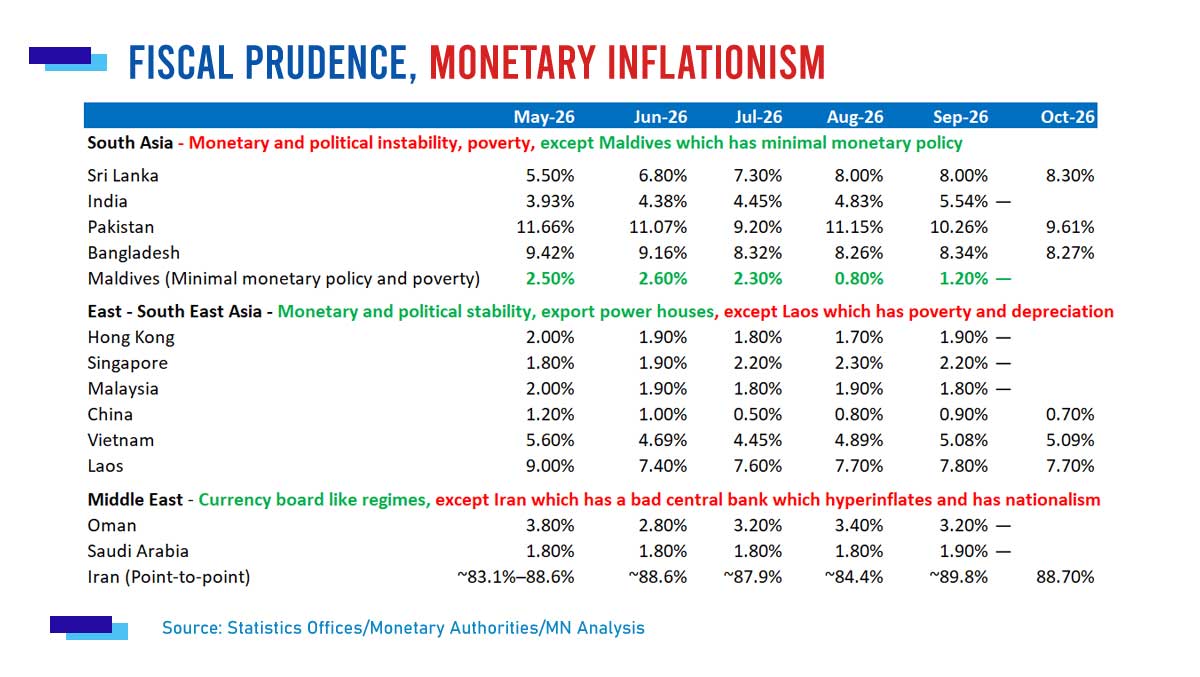 THE GOOD BAD AND THE UGLY : The Middle East war has exposed central banks with bad or inflation biased ugly operating frameworks
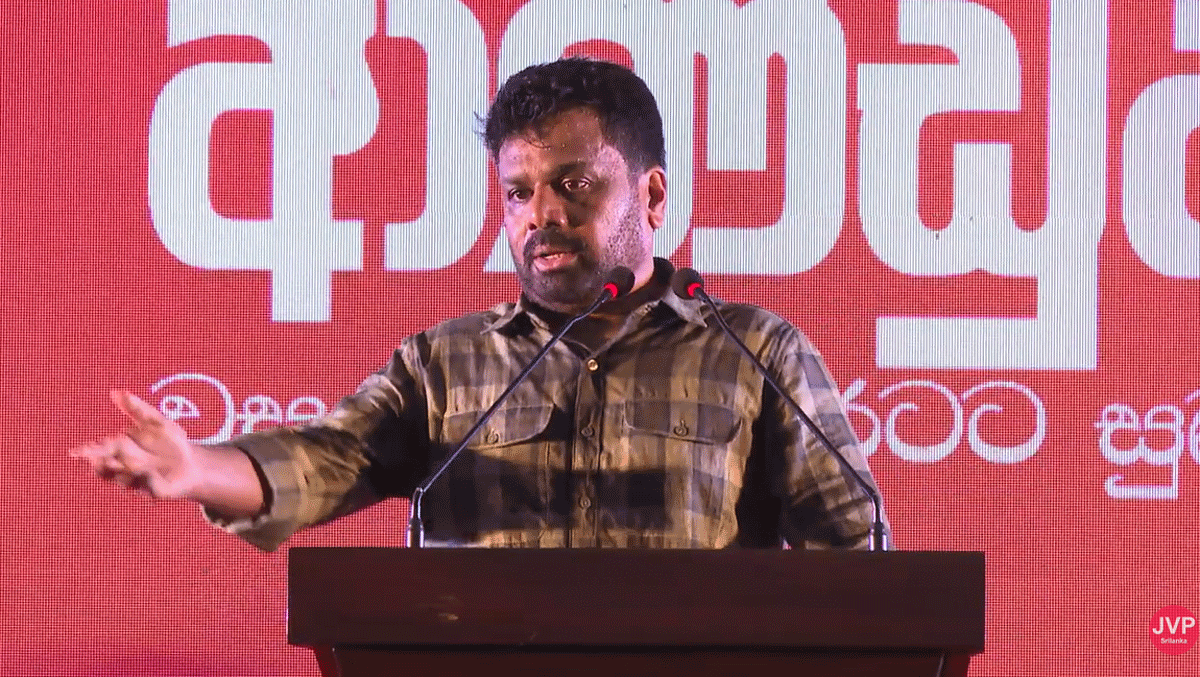
MONETABRIEF – Sri Lanka President Anura Kumara Dissanayake is presenting a budget for 2027 after exceptional fiscal prudence but high inflation generated by the central bank which busted the rupee and put renewed pressure on the poorest sections of society.
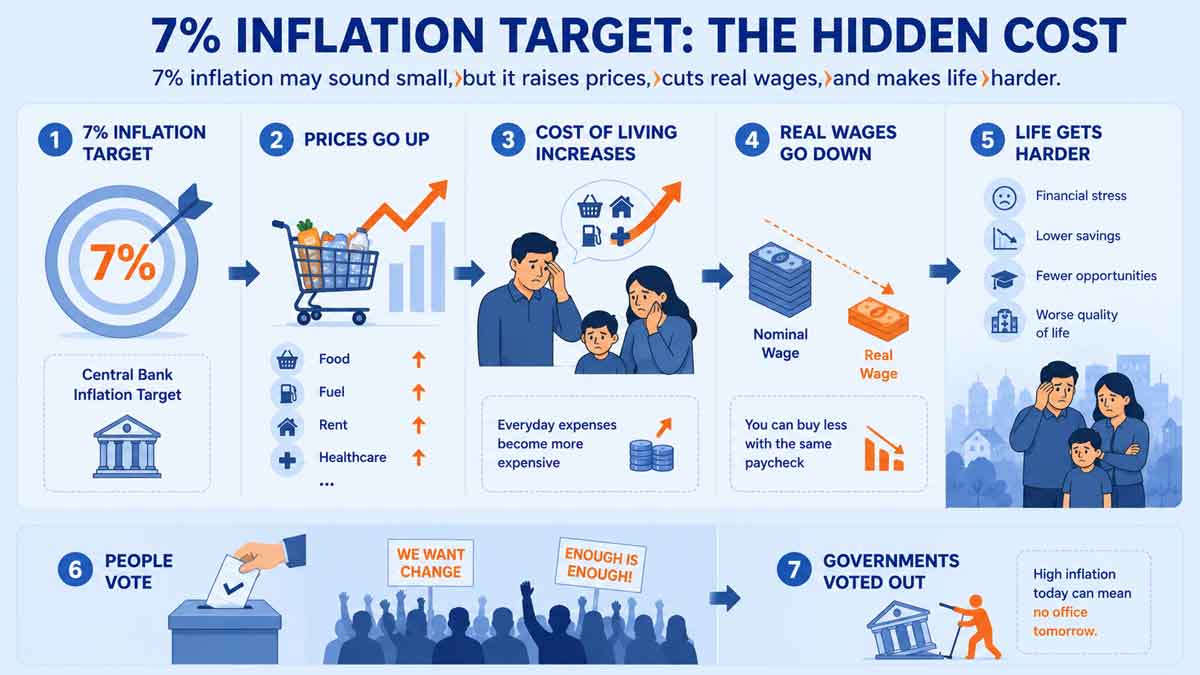
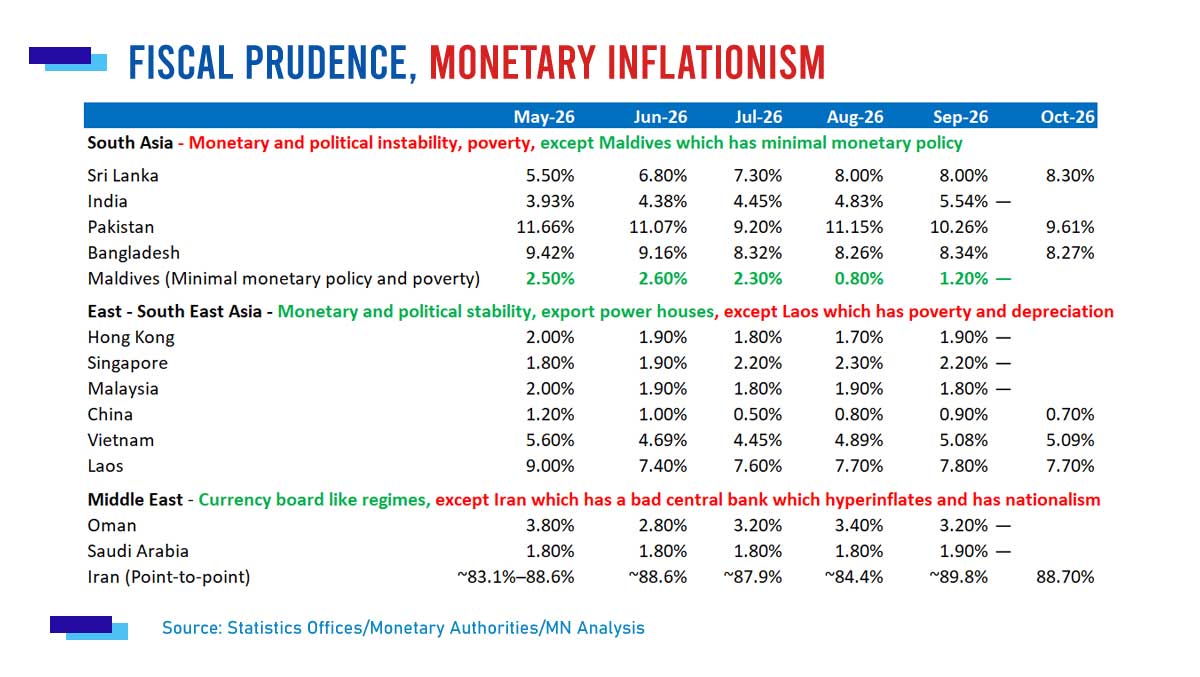
Sri Lanka's inflation hit 8.3 percent after the central bank reflated a stabilized economy by depreciating the currency, amplifying the effects of a Middle East war.
Around the world the Middle East was has exposed the good, bad as well as the ugly operating frameworks of central banks, which drive countries to the International Monetary Fund, again and again.
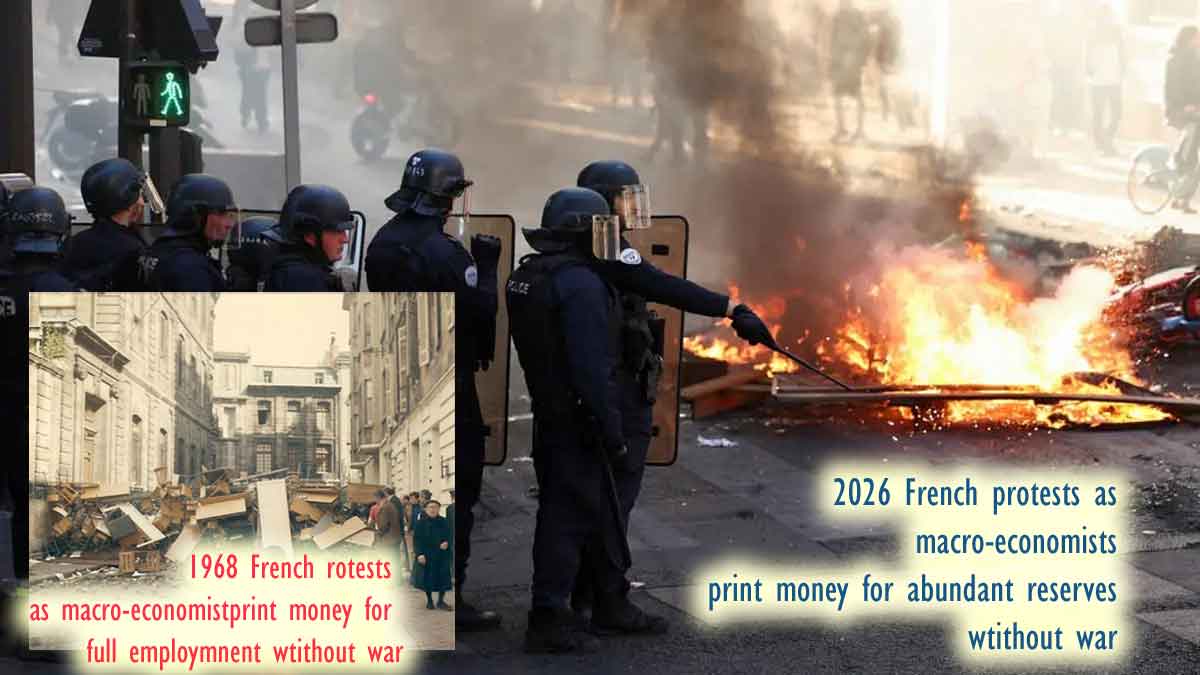
Inflation has re-activated nationalists and general public unhappiness is on the rise.
Fiscal Prudence
After the most aggressive rate cuts and liquidity injections as well as tax cuts to close an output gap which ended in default, Sri Lanka hiked taxes to high levels and the current government has generally not overspent.
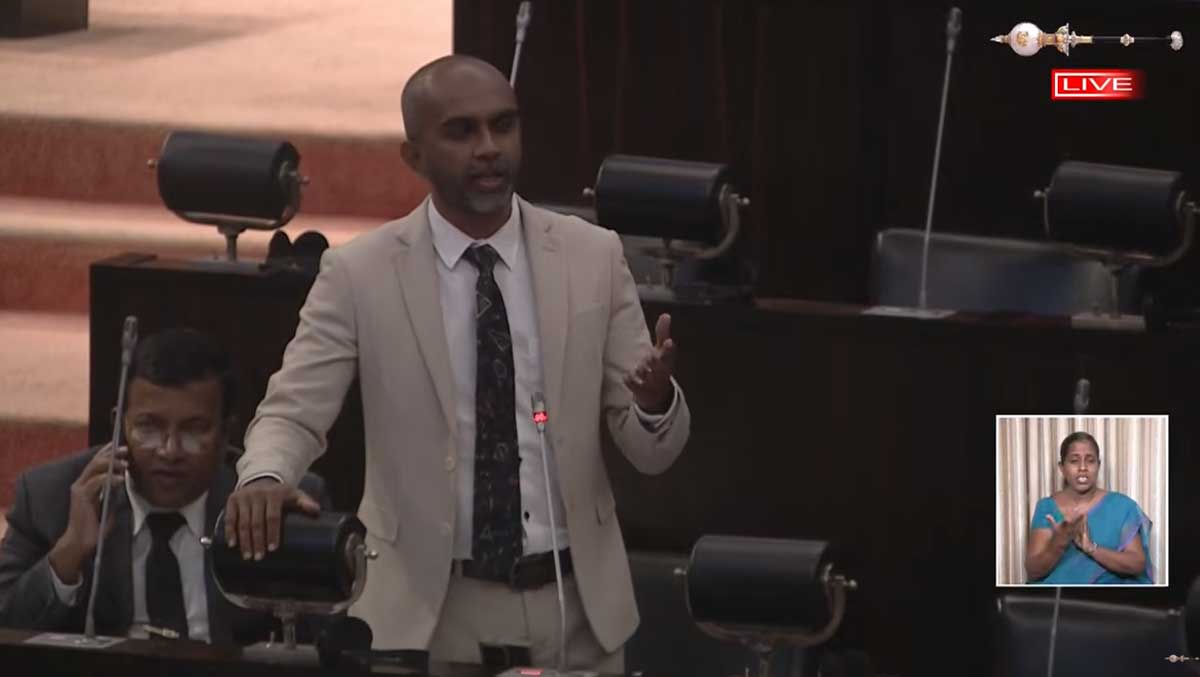
"If you look at some old budgets, revenue estimates have not been met," Deputy Minister of Economic Development Nishantha Jayaweera who is overseeing revenue agencies said.
"There had been expenditure overruns. We have seen budgets that exceeded the deficit.
"We have met the targets and also exceeded them. That is because we have had fiscal discipline."
The rupee was amid a budget surplus in 2026, shattering an excuse promoted to central bank since 1952 to excuse accountability for external trouble it causes with rate cuts and inflationary open market operations (monetary policy).
Price controls have re-emerged and there are shortages of fuel from time to time. Some drugs are also not available amid price controls.
Minister Jayaweera said relief will be given for areas that are required while maintaining fiscal discipline.
The budget will give the facilities "for the forces that will provide momentum for growth," he said and "relief to the sectors that are needed with the expenditure limits. That is the type of budget."
The inflation created by macro-economists there is even less money for people to pay as taxes, though they have to pay the same volume.
When employers give an increase to offset the inflation created by inflation biased macro-economists, they unfortunate workers are pushed into a higher income tax brackets.
So-called 'bracket creep' became a widespread in the Great Inflation period after macro-economists pushed full employment policies, same as closing output gaps with monetary policy.
Subtle Inflation Methods
While the central bank can bust the rupee at anytime and push up inflation, wages and subsidies are adjusted usually in the budget. The destroyed savings and employment provident fund balances are never recovered.
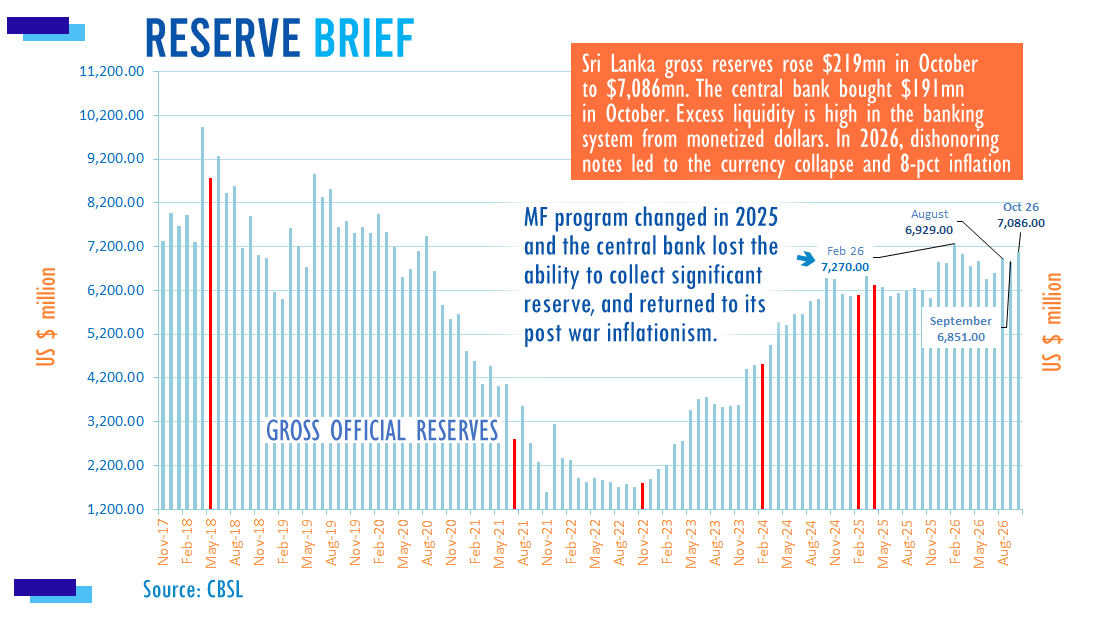
In 2026 the rupee was busted not by traditional methods of printing money through domestic operations but building up excess liquidity with buy-sell fx swaps and monetizing a balance of payments surplus.
The notes were then dishonored using 'flexible exchange rate doctrine' and appreciation blocked.
Sri Lankans are already familiar with the way macro-economists engage in 'money printing'.
Friedrich Hayek, who gave the intellectual support for the Thatcher administration to end Great Inflation, the fiction of cost-push inflation had warned that this would happen.
"It is possible that the present generation is more on its guard against those cruder ways in which currencies were destroyed when governments paid their way by issuing paper money," he said in the Constitution of Liberty.
"The same can be done nowadays, however, by subtler procedures that the public is less likely to notice."
Sri Lanka central bank started to use exchange rate policy against the people and government's from around 1980, after the International Monetary Fund's second amendment to its articles.
The 1980s depreciation undermining the most radical reforms ever attempted in Sri Lanka and turning the people against them with inflation and shattered budgets and drove up nominal interest rates by destroying capital.
Unlike in the UK in the 1980s, or East Asia, Sri Lanka's central bank is independent of the government and it is free to create high inflation, social unrest, outmigration and escape accountability.
It lobbied and won powers to keep reflating the economy, drive up the cost of living and effectively destroy growth creating capital.
The inflation was created despite some people going without meals due to previous monetary debasement by trying to close and 'output gap'.
The IMF also supported the inflation bias of the central bank.
Attempting Higher Growth
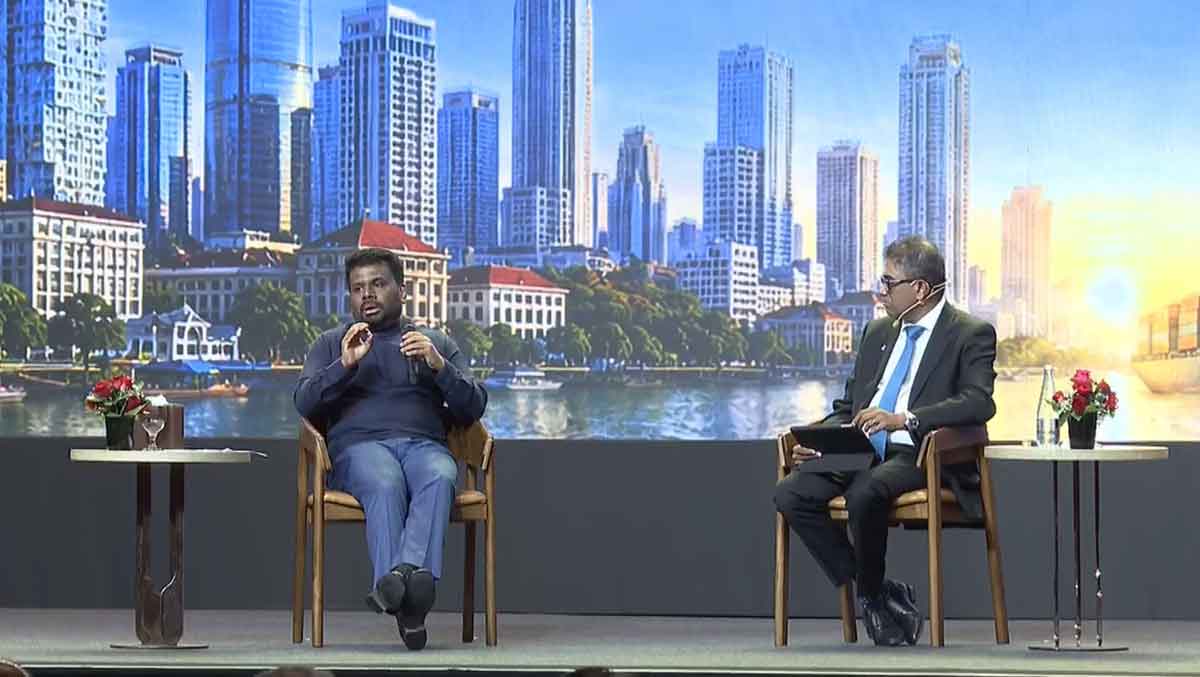
Sri Lanka's budget for 2027 will attempt to put the country on a higher growth path, Deputy Minister of Finance Anil Jayantha said.
"So that in the first two budgets, we happen to face a very critical, crucial challenge of selecting our strategies and implementing our policies to establish much needed macro economic stability," he said.
So, that was achieved over the last two budgets. "Now we need to take a leap forward, the jump from here to in the future. So that is mainly the strategies from stabilisation towards the transformation. For this transformation, we need quality investments."
But currency depreciation, in addition to destroying domestic capital and driving up nominal interest rates, also drives away foreign investors.
In the 1980s East Asian nations piggy-backed on improving US monetary policy (Hong Kong, Thailand, Malaysia) or appreciated their currencies as UN monetary policy deteriorated in the 1970s (Taiwan, Singapore) to become export powerhouses.
Even now inflation outcomes in East Asia including Hong Kong which raised diesel prices by over 50 percent and has no refineries and countries like Sri Lanka, India and Pakistan can be seen.
The Reserve Bank of India has been accused of being behind the curve there is rising public discontent.
Sri Lanka reflation which is built into flexible inflation targeting, comes amid global deterioration of monetary knowledge and the deflation phobia fired by macro-economists.
East Asian nations like Singapore and Taiwan and also Saudi Arabia stood aloof from the 1960s from the carnage of Anglophone academic inflationsism and are still doing so.
By avoiding monetary crises like Sri Lanka which leads to ad hoc tax hikes and rate hikes and currency depreciates anyway, the countries with monetary stability have achieved low debt with low tax rates, especially capital de-cumulation income tax are also low. Corporate income tax is around 20 percent in East Asian countries with monetary stability compare to over 30 in Sri Lanka.
Analysts say both Taiwan and Saudi Arabia were fixed by ex-IMF staffers. The first by Chinese and the second by a Pakistani.

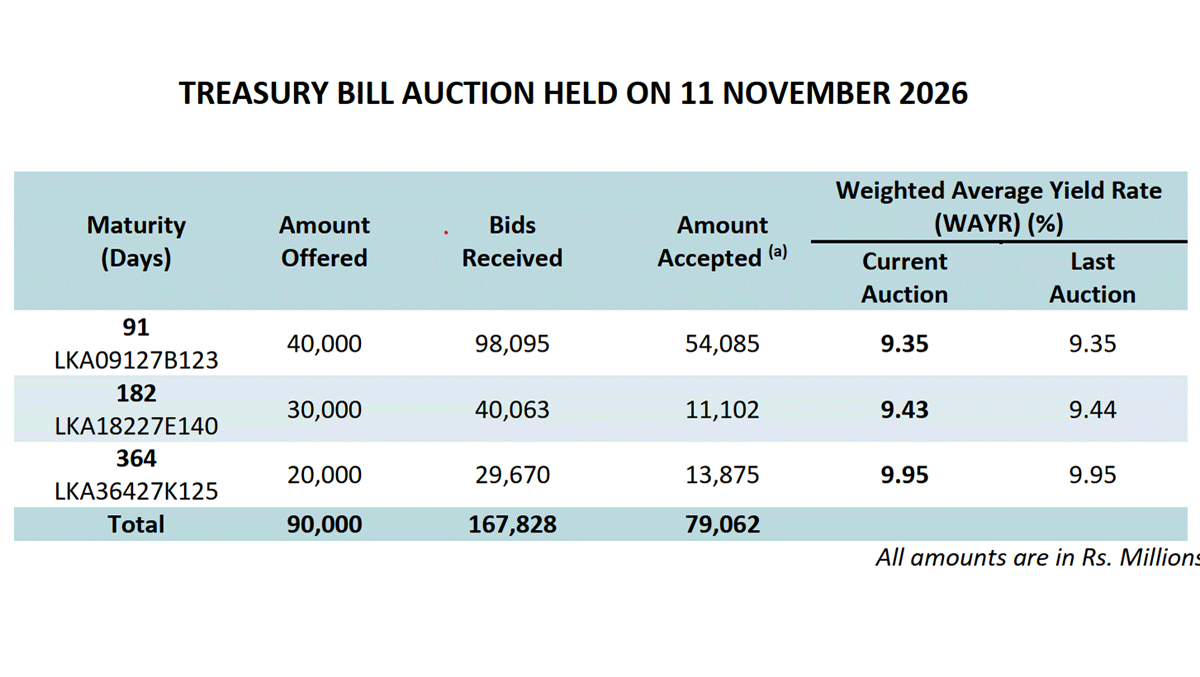
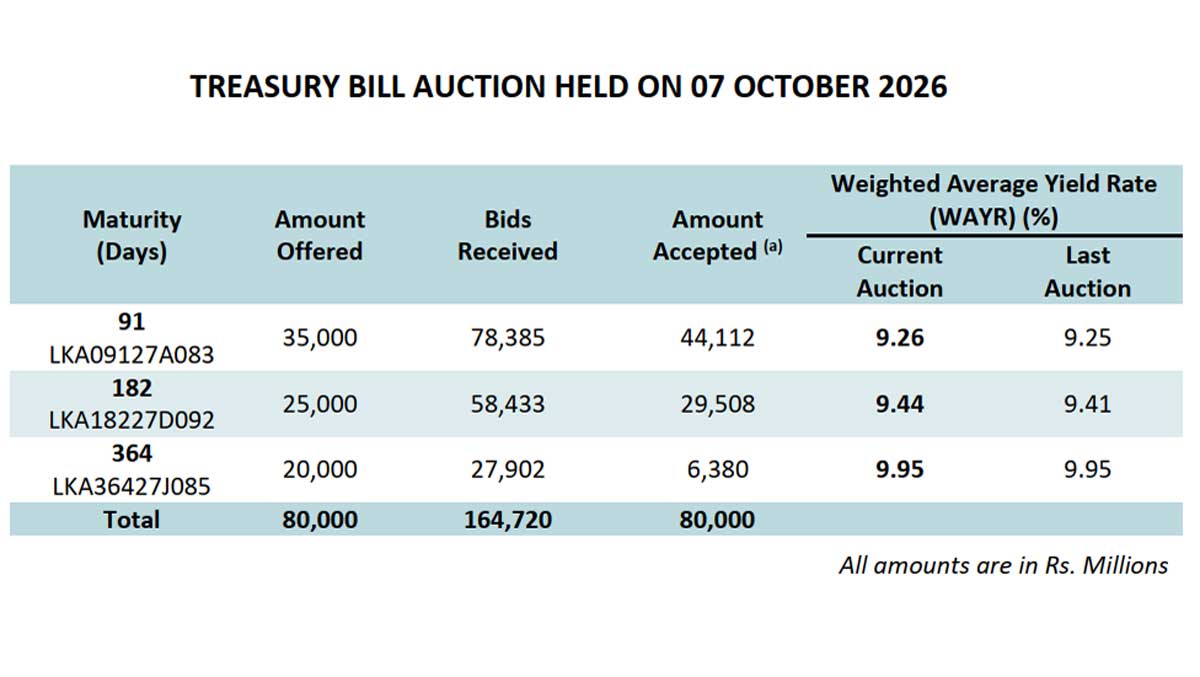
| 3 month bill | 9.26% | 1bp ▲ |
| 12-m bill | 9.95% | 2bp - |
| Gold (Ounce) | $4015 | - ▼ |









Comments
Be the first person to comment and join the debate