
Share your email and we'll share the latest news
Exclusive economic intelligence, political and business coverage
Saturday, September 26 2026
Saturday, September 26 2026
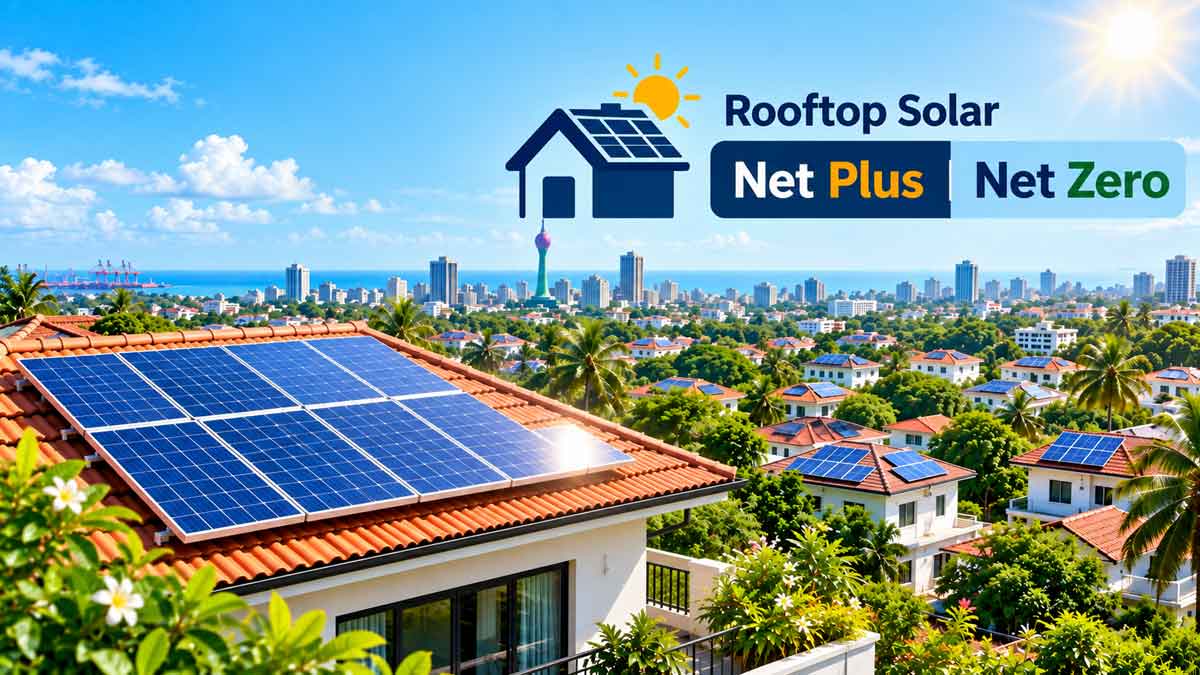
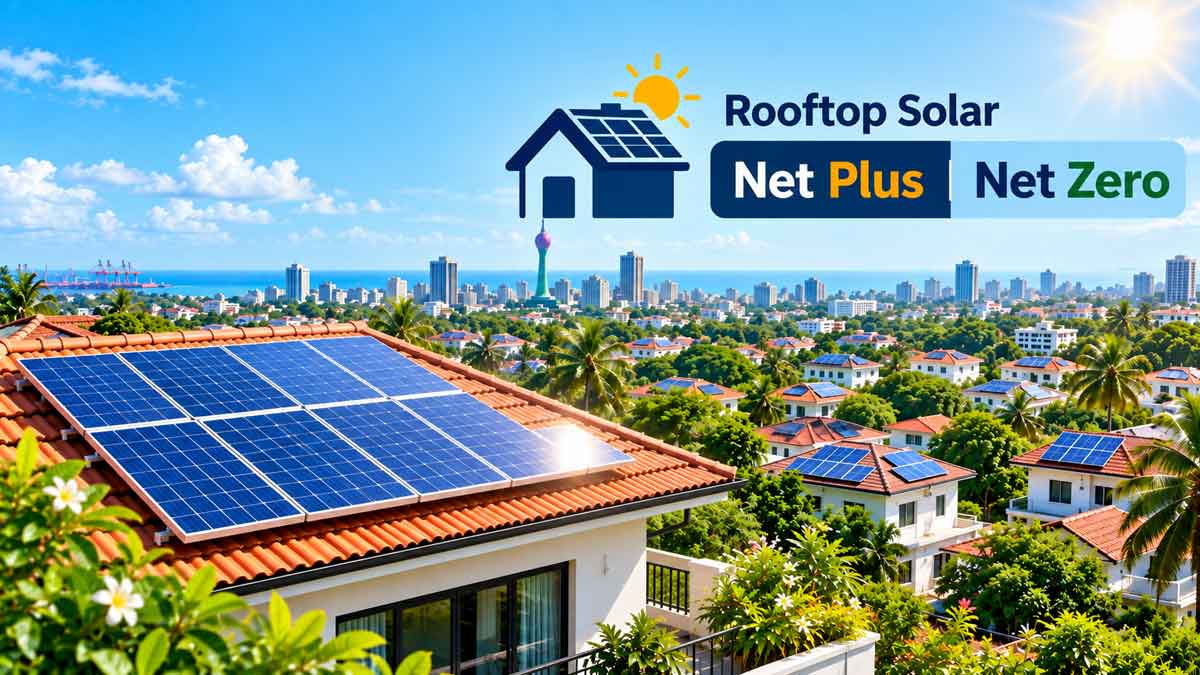
The change comes as the country’s rooftop solar sector expands rapidly and the National System Operator warns that the grid is facing technical limits.
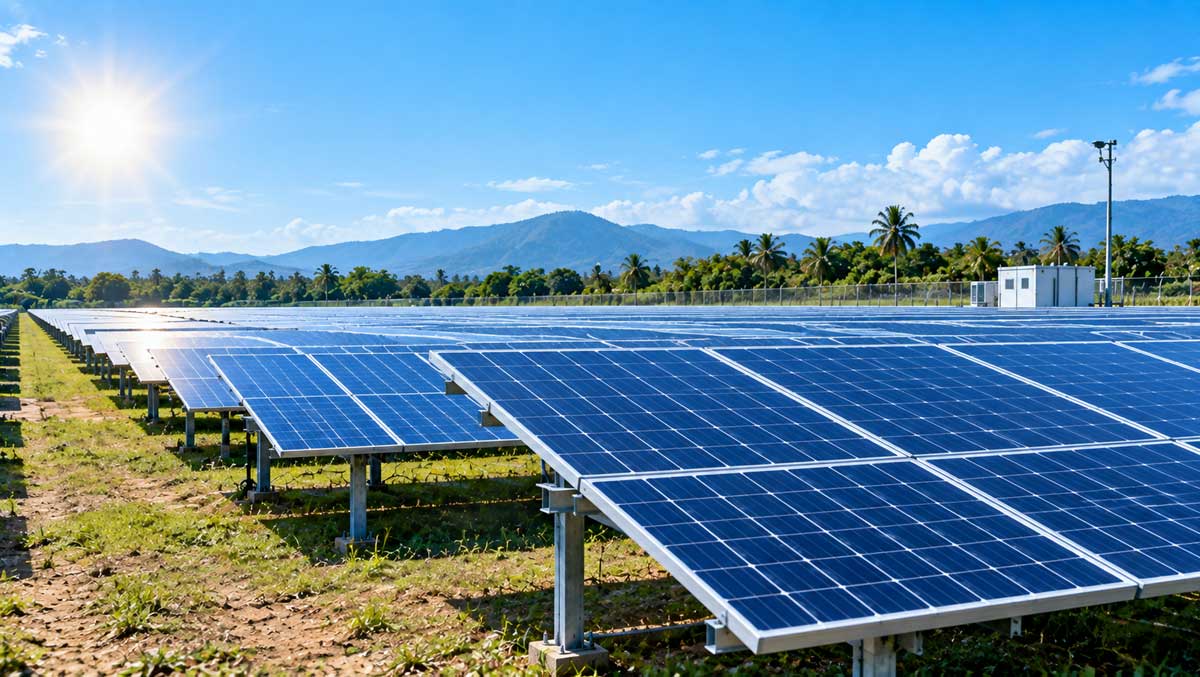
Sri Lanka now has more than 3,070 megawatts of installed solar capacity, including about 2,542MW of rooftop solar, with solar generation meeting between 15% and 25% of daily electricity demand. Under the Net Plus model, a consumer’s electricity consumption and solar generation are treated separately.
Electricity drawn from the grid is billed at the applicable retail tariff, while the utility pays the consumer for electricity exported by the rooftop system. Separate meters are used to record imports and exports.
The Public Utilities Commission of Sri Lanka approved a new set of feed-in tariffs in August. For new rooftop solar systems, the rate is Rs.23.11 per kilowatt-hour for systems up to 10kW.
Systems larger than 10kW and up to 40kW will receive Rs.19.15 per unit, while installations above 40kW and up to 250kW will receive Rs.17.11. The rate falls to Rs.15.81 per unit for systems above 250kW and up to 1,000kW, as well as larger systems.
The revised rates apply to new rooftop solar projects and are scheduled to remain in force until 24 February 2027, according to the approved tariff schedule.
Higher rates are available for systems equipped with battery storage.
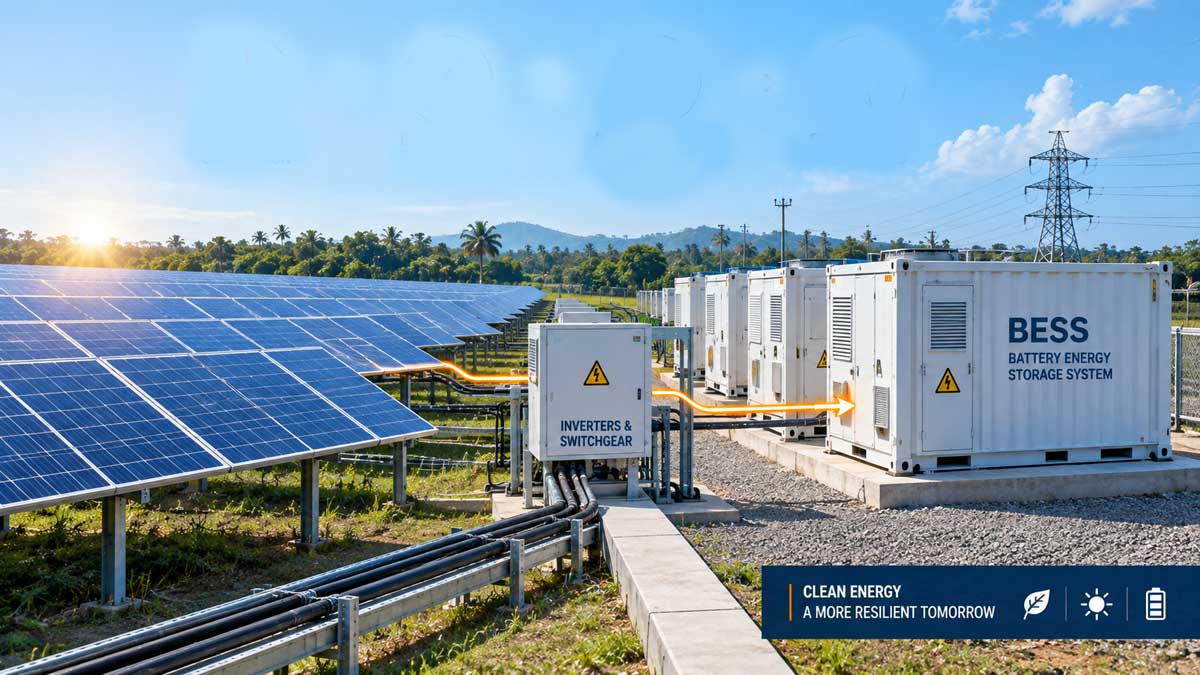
New rooftop solar projects combined with battery energy storage systems can receive Rs.45.53 per unit during the designated priority feed-in period for the first 15 years, while electricity exported during other periods will be paid at Rs.15.81 per unit.
For systems above 1,000kW, the priority-period rate is Rs.42.49 per unit.
The storage-linked tariffs are intended to encourage consumers to shift solar power generated during the day to periods when demand is higher, particularly in the evening.
The NSO said rooftop solar capacity additions planned for 2026 had already been exceeded.
It has therefore asked distribution licensees, including the Ceylon Electricity Board and Lanka Electricity Company, to consider grid conditions when approving new rooftop projects.
Applications approved before September 11, 2026 will continue under their existing approvals, while new Net Plus applications will continue to be accepted.
What is Zero-Export solar?
Foof-top solar projects on the "Zero-Export" basis is also on the cards, the authorities said.
A zero-export system prevents surplus electricity from being sent to the national grid. Solar power generated during the day is either used immediately or stored in batteries, then consumed by the customer during the evening and night.
Because the system does not export electricity, it avoids adding further pressure to parts of the grid already affected by high daytime solar generation. The NSO says zero-export connections will not be subject to the temporary limitations on new rooftop solar capacity. (COLOMBO/Sept26/2026)

| 3 month bill | 9.22% | 22bp ▼ |
| 12-m bill | 9.91% | 10bp ▼ |
| Gold (Ounce) | $4602 | - - |


















Comments
Be the first person to comment and join the debate