
Share your email and we'll share the latest news
Exclusive economic intelligence, political and business coverage
Friday, November 20 2026
Friday, November 20 2026

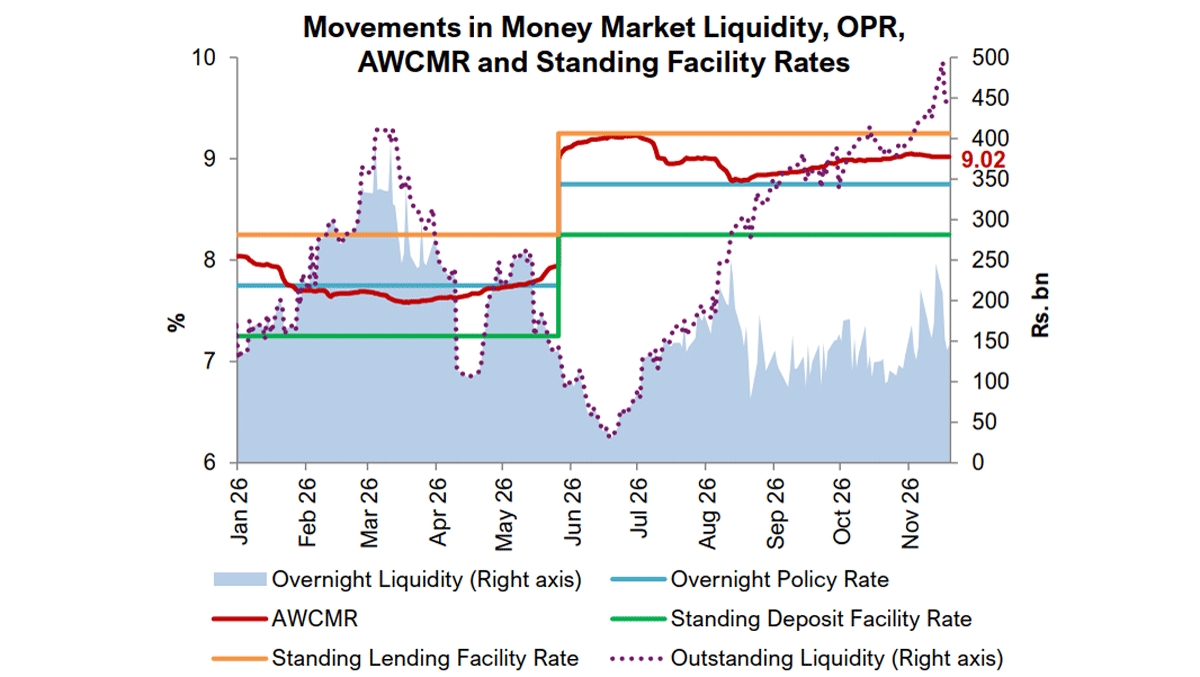
MONETABRIEF – A hike in the statutory reserve ratio will take out 150 billion rupees of excess liquidity from the interbank market, which had built up to over 450 billion rupees, Central Bank Governor Nandalal Weerasinghe said.
The hike in the SRR to 3 percent from 2 percent was an appropriate tool to take out excess liquidity permanently, he said.
So far, the central bank had been taking liquidity out through overnight and term repo auctions.
"But for us to absorb liquidity on a permanent basis, I think this is a good instrument," Governor Weerasinghe said.
In Sri Lanka reserve ratios are unremunerated, and becomes a tax on banks which are makes the system less efficient as lending rates go up.
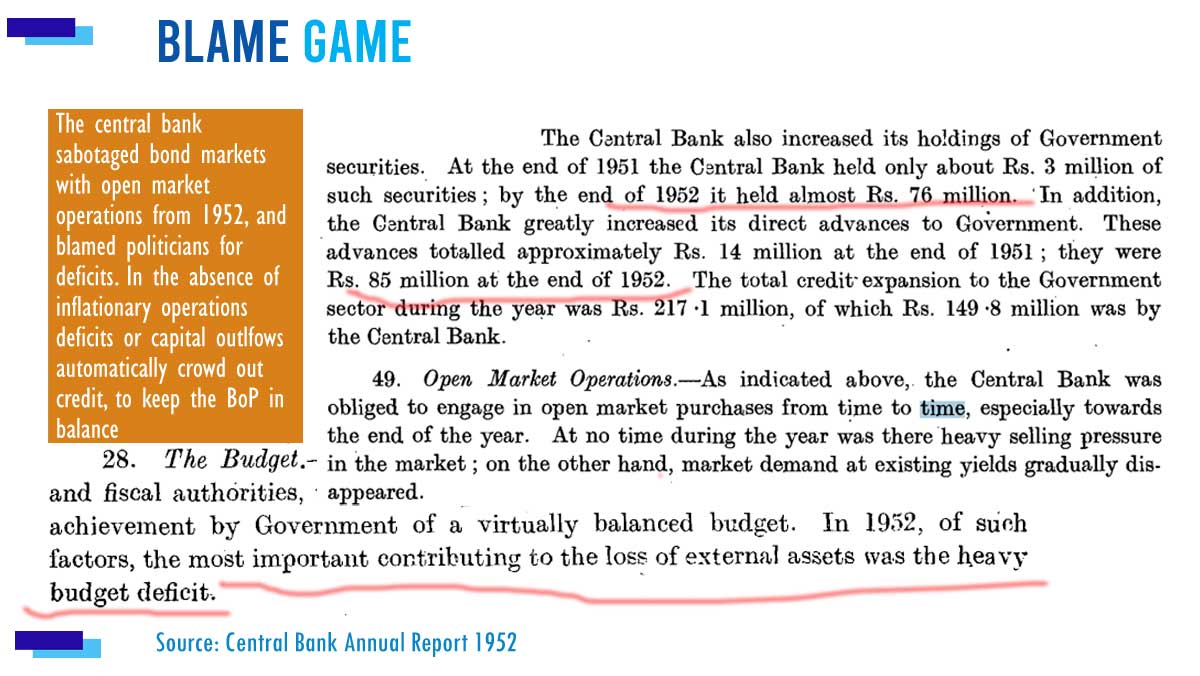
The central bank has built up excess liquidity from dollar purchases (running pegged exchange rate system), by monetizing balance of payments surpluses for the most part, though the rupee had been also depreciated in the process.
Unsterilized reserve collections from exchange policy or pegging, push down rates, and can become credit at any time, also compromises the central bank's monetary policy.
This is why analysts have pointed out that inflation targeting framework cannot be operated without a clean float.
If the dollars behind the new rupees are not returned when credit is created the rupee depreciates, creates more inflation, destroys more capital, pushes up nominal interest rates even higher.
In Latin America, central banks with operating frameworks with anchor conflicts, have high reserve ratios running to 40 (Argentina) to 50 percent (50 percent), some remunerated, some not, and some different rates for different types of deposits.
A three percent ratio is not high, though some regimes like in the UK and Hong Kong do not have such reserves and banks maintain prudential reserves on their own.
(Colombo/Nov20/2026)

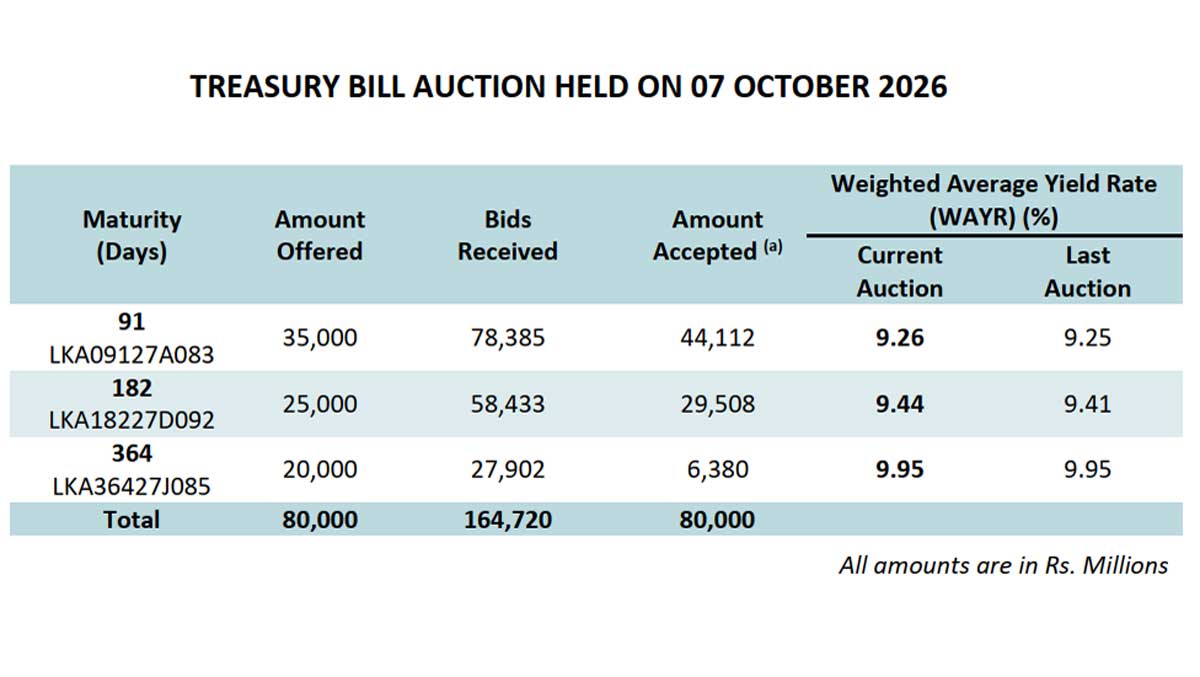
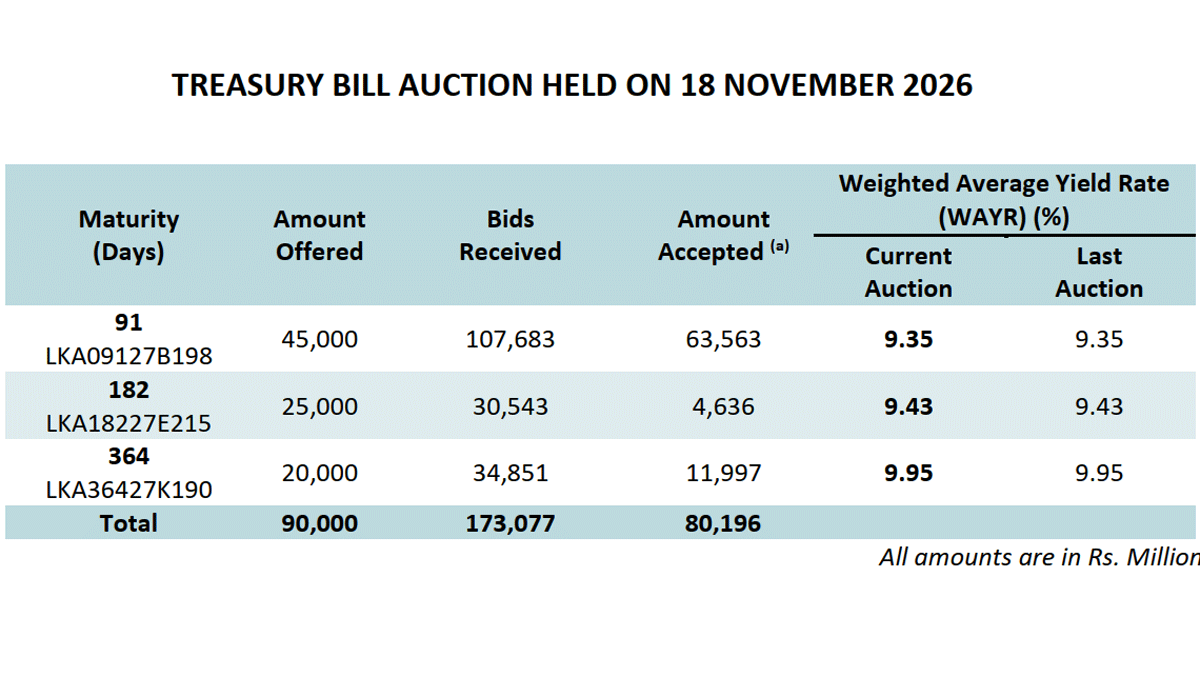
| 3 month bill | 9.26% | 1bp ▲ |
| 12-m bill | 9.95% | 2bp - |
| Gold (Ounce) | $4015 | - ▼ |











Comments
Be the first person to comment and join the debate