
Share your email and we'll share the latest news
Exclusive economic intelligence, political and business coverage
Sunday, November 15 2026
Sunday, November 15 2026
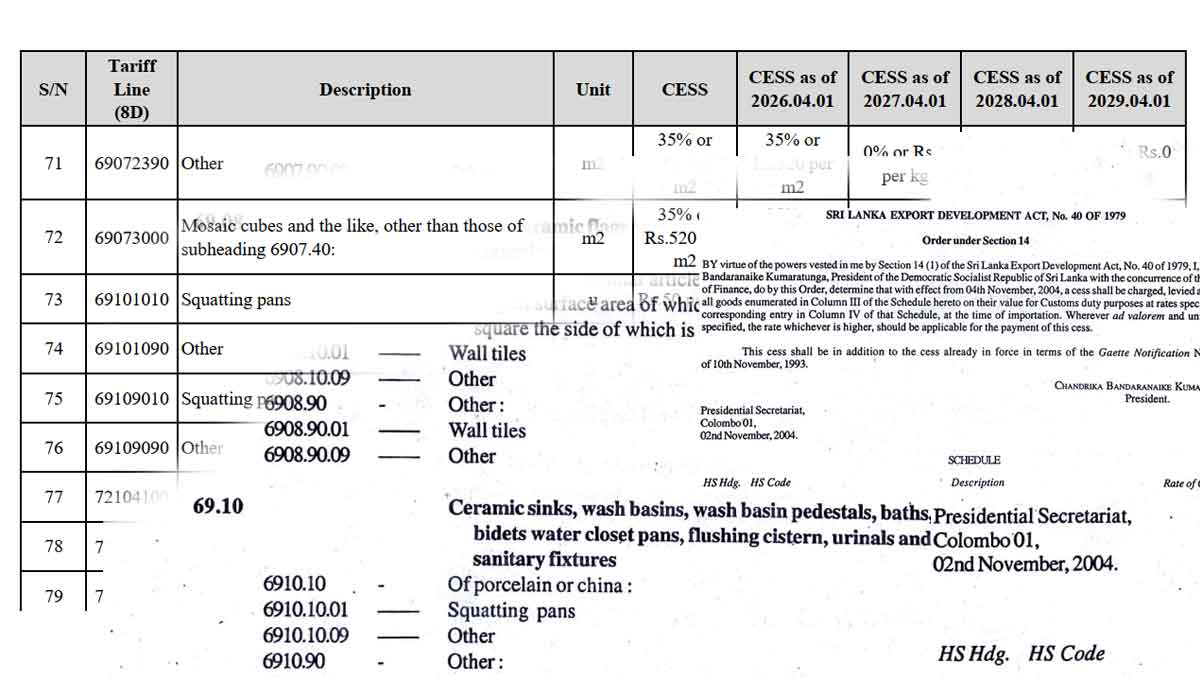
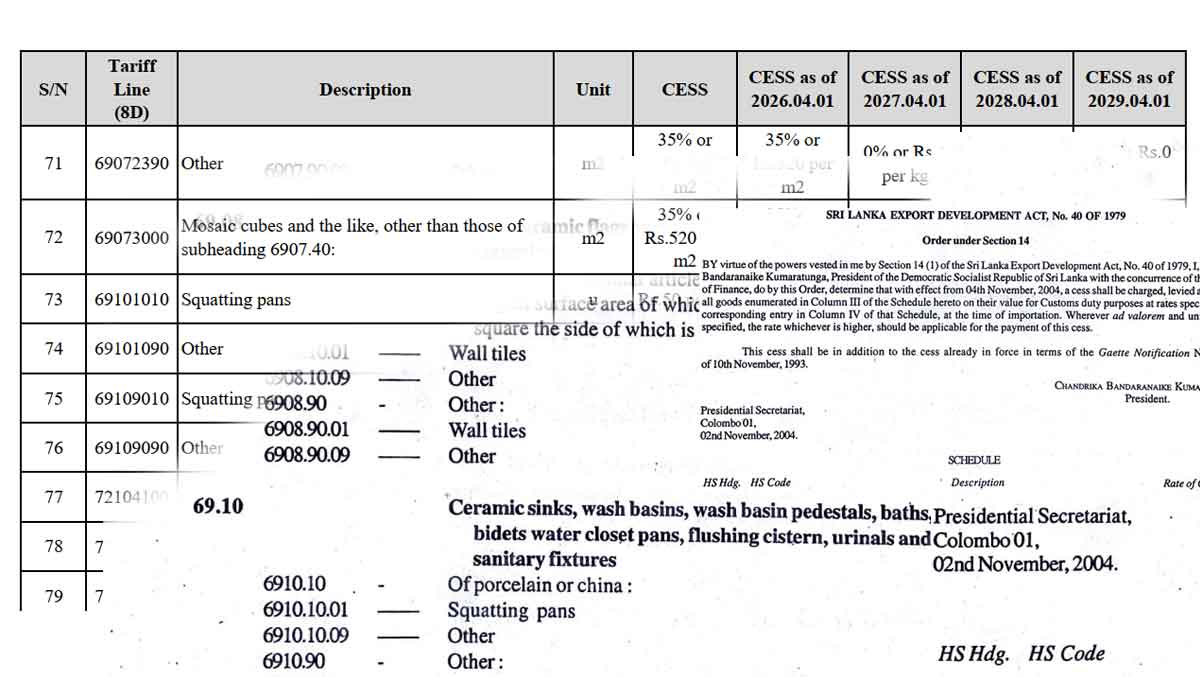 CESS CONTROL : Sri Lanka's deliberalization and anti-export bias started to accelerate after November 2004 when a 25 page gazette was published raising taxes without parliamentary debate.
MONETABRIEF – President Anura Dissanayake is reducing some taxes on food and building materials including squatting pans that critics say led to an anti-export bias and corruption led protectionism- and malnutrition from 2004.
From April 2027, a 50 rupee per kilogram tax on squatting pans will go, a 7 rupee per kilo tax on cement will be reduced to 5.25 rupees, a 150 rupee tax on paint will be reduced to 112.5 rupees.
They are among 700 items including foods where CESS import taxes will be reduced.
Sri Lanka has among the most draconian taxes on foods imaginable including on maize, which have increased malnutrition while giving profits to grain collectors who fund election campaigns.
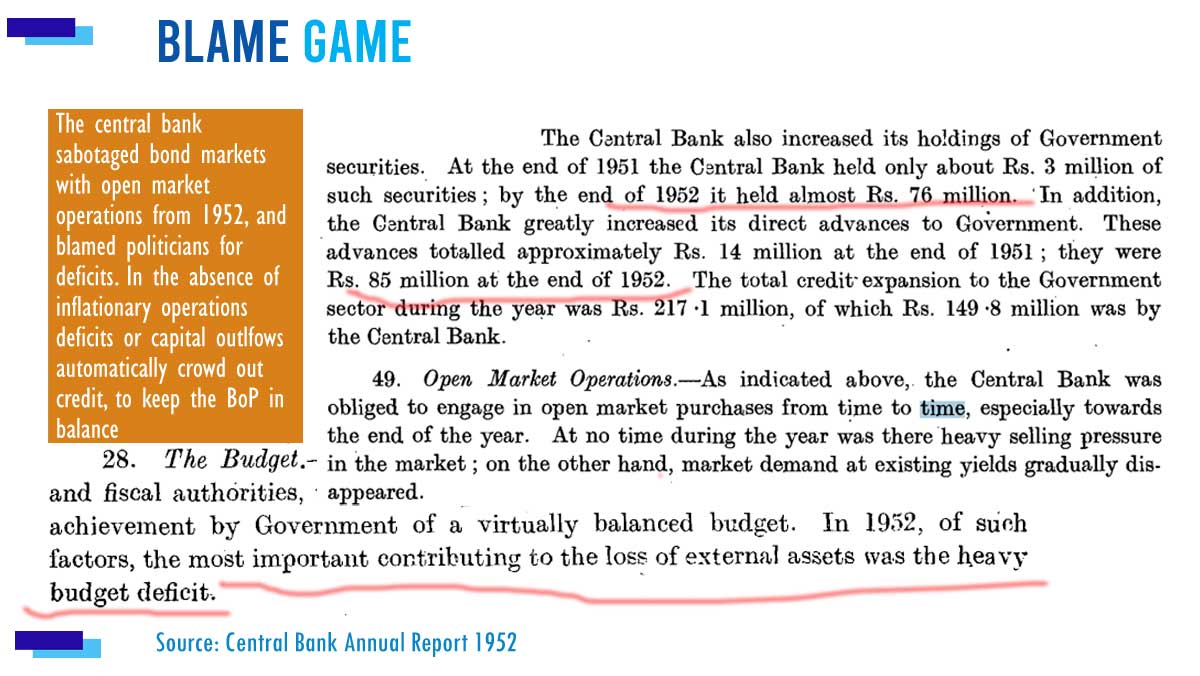
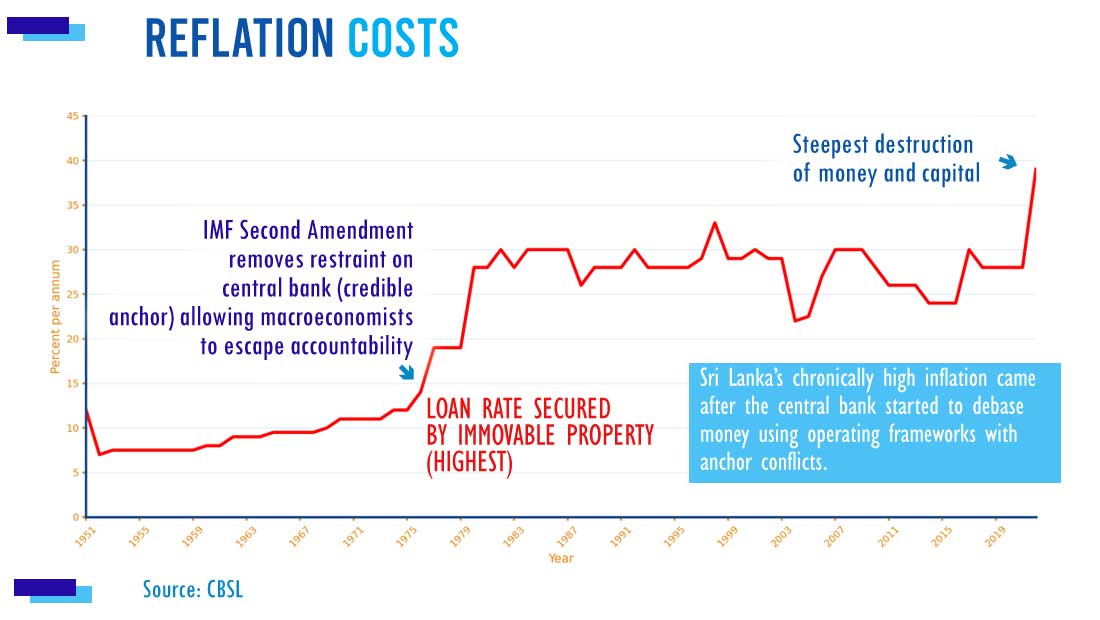
Sri Lanka went on a de-liberalization drive from November 2003, after macro-economists in the Treasury pushed the central bank to print money and triggered a currency crisis.
On November 02, a 25 page gazette was issued, under the hand of then President Chandrika Kumaranatunga, as forex shortages emerged from printing money. The Treasury Secretary at the time was P B Jayasundera, a former Director of Economic Research at the Central Bank.
Unlike when the central bank is openly lobbying for inflationary policy, the monetary authority was against inflation with policy coming under W A Wijewardene and Sunil Mendis who had replaced A S Jayewardene.
At the oil prices were rising under the Stiglize-Bernanke reflation drive in the US, which ended in the Housing bubble in 2008, the Treasury stopped a price formula and printed money to offset fuel taxes and losses in the CPC.
The subsequent Rajapaksa administration then championed the 1970s import substitution economy calling it 'import replacement' and building a new class of corrupt rent seeking businesses that sought to exploit a 20 million population under cover of import levies producing goods that could not be exported.
Of particular concern was maize, where initial domestic production had started in the late 1990s and expanded into corruption between grain a collector and a regional political family.
Later it expanded to the central government as a self-sufficiency policy, which critics had described as being a version of the Nazi-autarky and import licensing in maize and rice, which continues.
Under the current administration tinned fish imports were banned, rice was imported only with taxes. (Colombo/Nov14/2026)

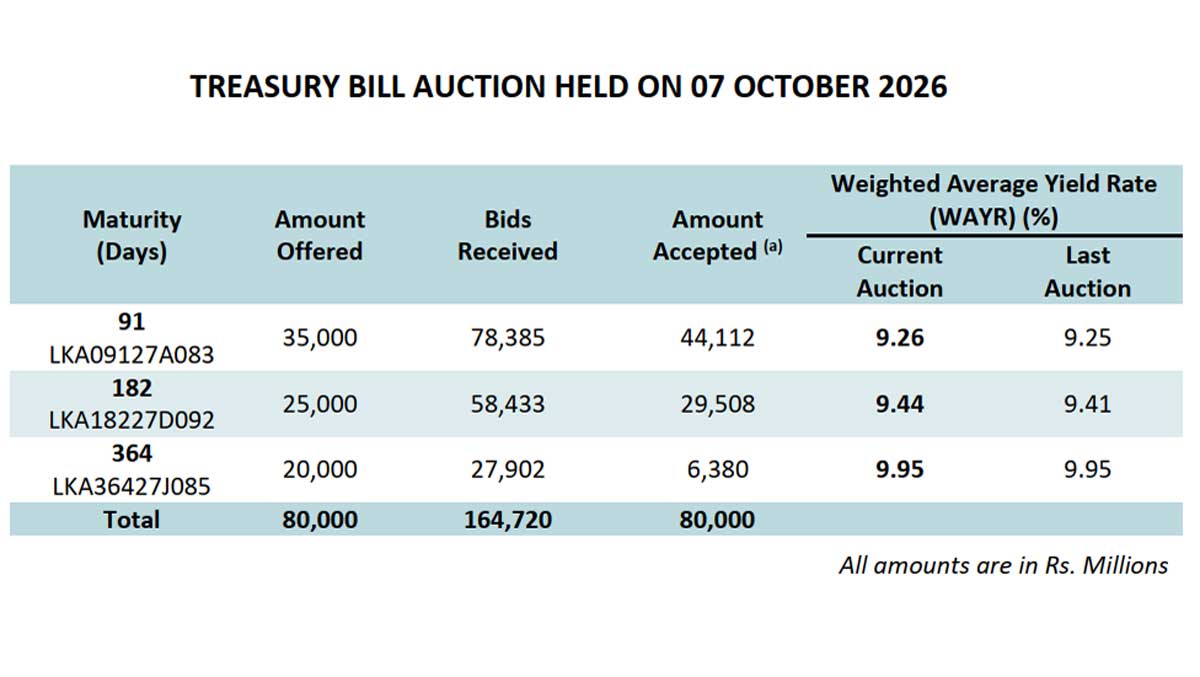
| 3 month bill | 9.26% | 1bp ▲ |
| 12-m bill | 9.95% | 2bp - |
| Gold (Ounce) | $4015 | - ▼ |














Comments
Be the first person to comment and join the debate