
Share your email and we'll share the latest news
Exclusive economic intelligence, political and business coverage
Sunday, October 11 2026
Sunday, October 11 2026
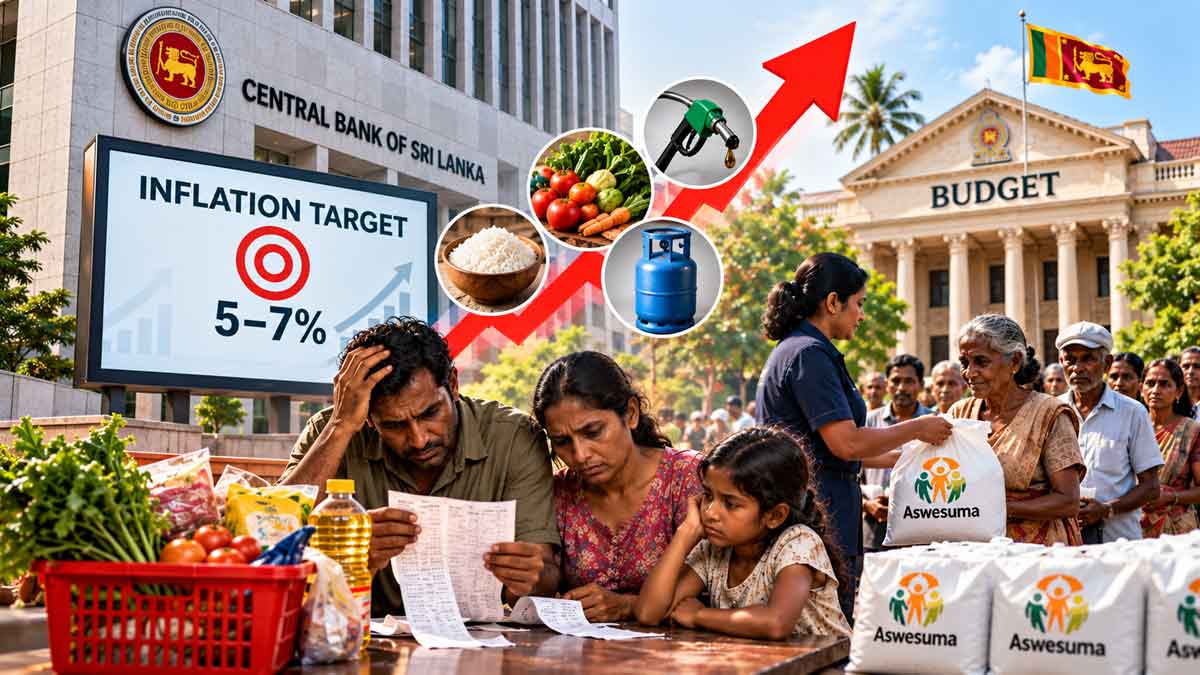
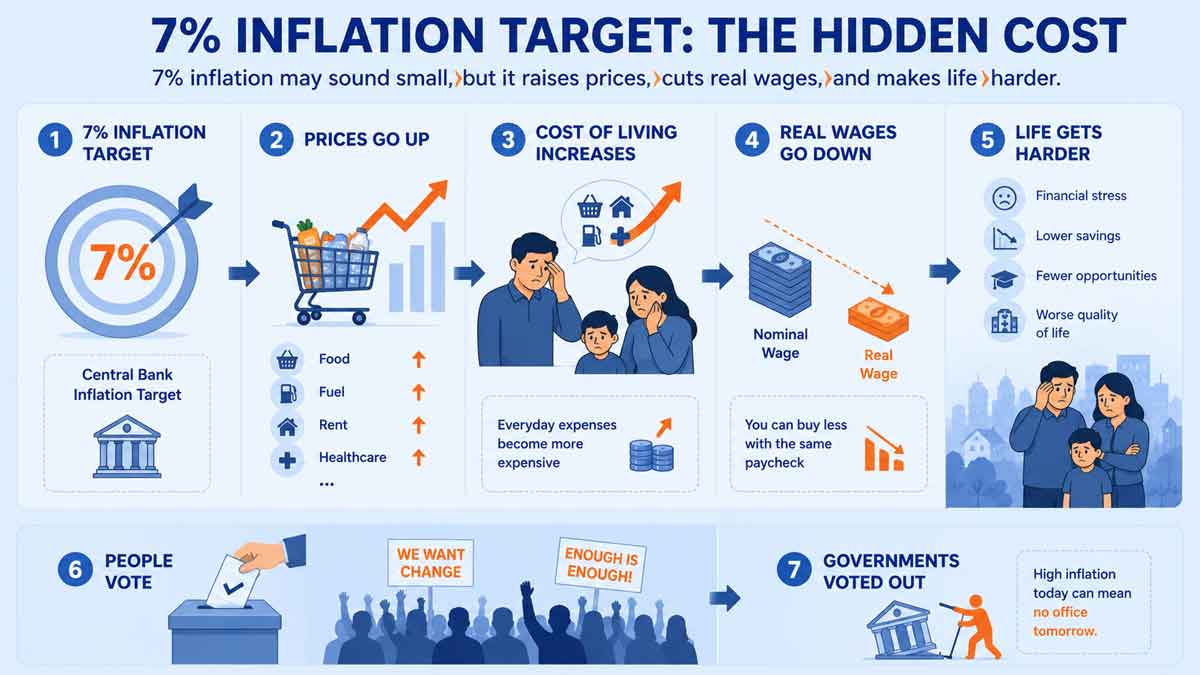
MONETABRIEF – People hit by the central bank's inflation target should be given subsidies, Assistant Governor P K G Harishchandra, said soon after the agency busted the rupee and triggered 8 percent inflation, higher than its controversial 7 percent level.
The most vulnerable in society are among the hardest hit by central bankers, as food and energy prices soar.
In Sri Lanka, forex shortages created by the central bank through its 'monetary policy' also leads to protectionism which has further pushed up food prices ranging from rice to maize.
Hit by Blunt Instrument
"Well, monetary policy, you know, is a blunt instrument, as is well known," Harishchandra told a panel discussion at the central bank.
"We can't differentiate the impact of monetary policy across different cohorts of the society. Monetary policy and distributional policy are two different things."
"So perhaps fiscal policy and some social safety nets are better instruments to address severe distributional discrepancies in the economy, in society."
The central bank lobbied heavily for high inflation and eventually won the powers from the government to push up inflation by 5-7 percent each year for the next three years.
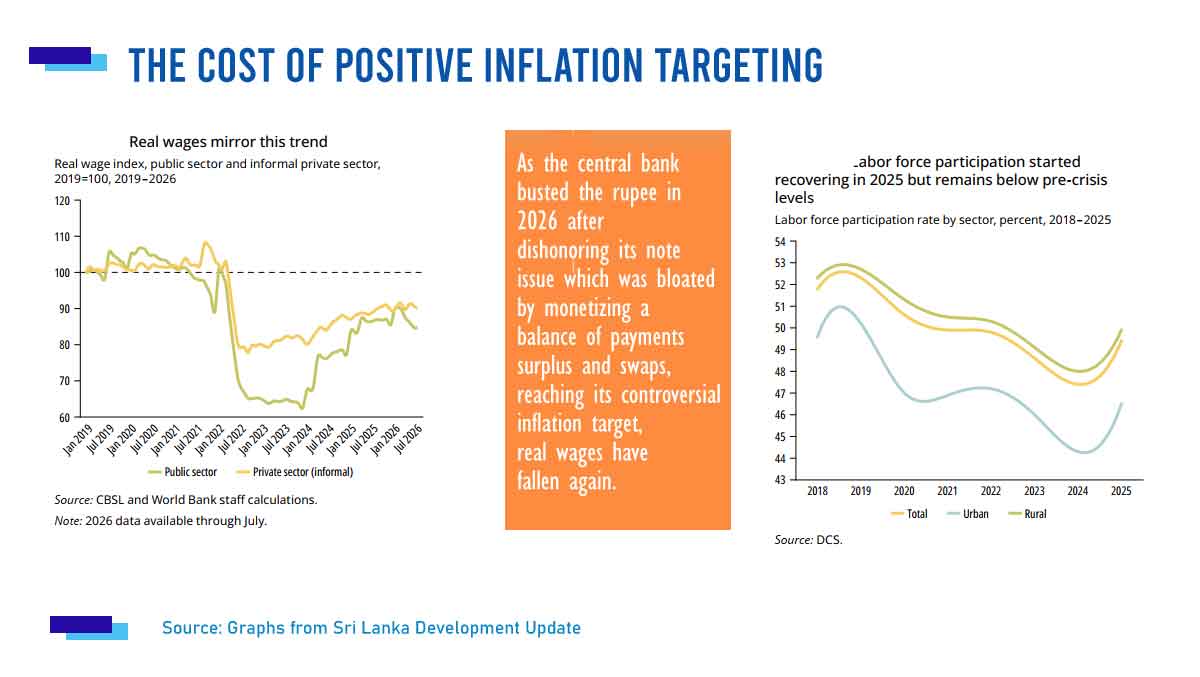
Senior central bank officials also claimed that wages grow by 10 percent year, and therefore 5 percent inflation does not matter.
In a small trading nation, inflation-biased macro-economists impose economic hardships on the people and destroy capital and savings primarily through currency depreciation.
The central bank staff themselves get large salary increases, while the poor and the not so impoverished skilled workers also go abroad to work in the Middle East where there is no 'monetary policy'.
Commercial banks, which are among the first to benefit from money injected by the central bank to push up inflation and trigger balance of payments trouble, can also raise wages.
While the government can increase subsidies to those impoverished by the central bank, by raising taxes on productive sectors, there is no remedy for destruction of financial savings and the EPF, as the government does not provide supplements, analysts say.
Any wage growth above productivity gains can also kill exports, as can import taxes imposed after each currency crises and also high food prices, which drive up wages without any corresponding increase in living standards.
Any out-migration, that comes from high food prices can help support wage growth above productivity gains but keep hunger and childhood stunting at bay.
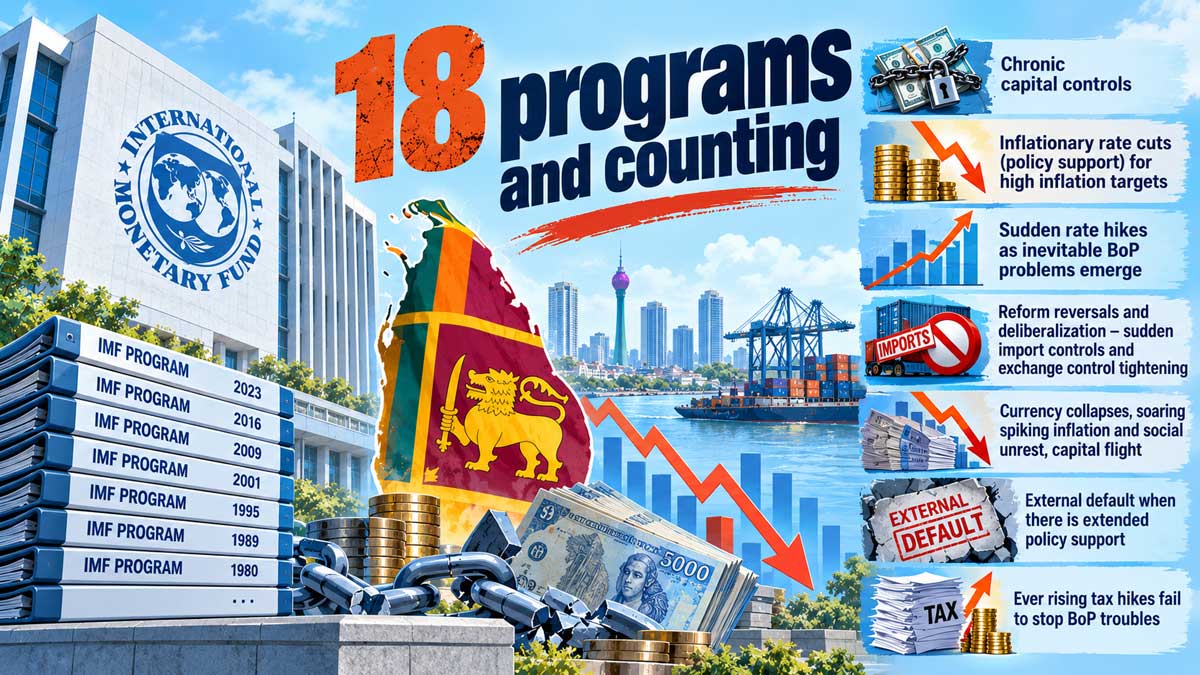
Ironically, some of the arguments that are presented by critics who want monetary stability, and an end to deliberately created inflation, through high inflation targets and the IMF programs that and social unrest that are its consequences, are found in central bank annual reports of the 1990s.
The problem of currency debasement, wage and pensions destruction and social unrest worsened after 1980, in the wake of the IMF's Second Amendment to its articles, after the so-called July Workers strike, analysts who have studied the sequence of events say.
Pre-Crisis Currency Crises Credibility
Central bankers also claimed that pre-crisis 5 percent inflation was fine in recent years.
"So expected inflation will be sort of in line with that 5 percent target that we announced," Harischandra said.
"And we have that credibility that in the past that inflation was on average remained around that level pre-crisis. And that is one thing, because 5 percent should not be viewed as a very high level of inflation."
However, under cover of the 5 percent inflation target and flexible inflation targeting, the central bank triggered multiple currency crises from 2012 to 2019.
It not only led to multiple boom-bust cycles and trade and exchange restrictions in 2016, 2018 in particular but never-ending IMF bailouts as the currency collapsed.
They were worsened in 2020 with big rate cuts.
The practice of forcing export proceeds to be surrendered, which was dropped in 1993, was revived in 2016 as monetary policy and knowledge about the balance of payments deteriorated to an almost 23 year low amid flexible (discretionary) policy and mid-corridor targeting.
Price controls, vehicle import restrictions and hiking cash margins for letters of credit and tightening LTV margins, followed swiftly.
Gold imports were effectively stopped, triggering smuggling, and hitting the jewellery and tourism sectors but the rupee collapsed shortly afterwards, in a telling success of the 5 percent inflation target, critics say.
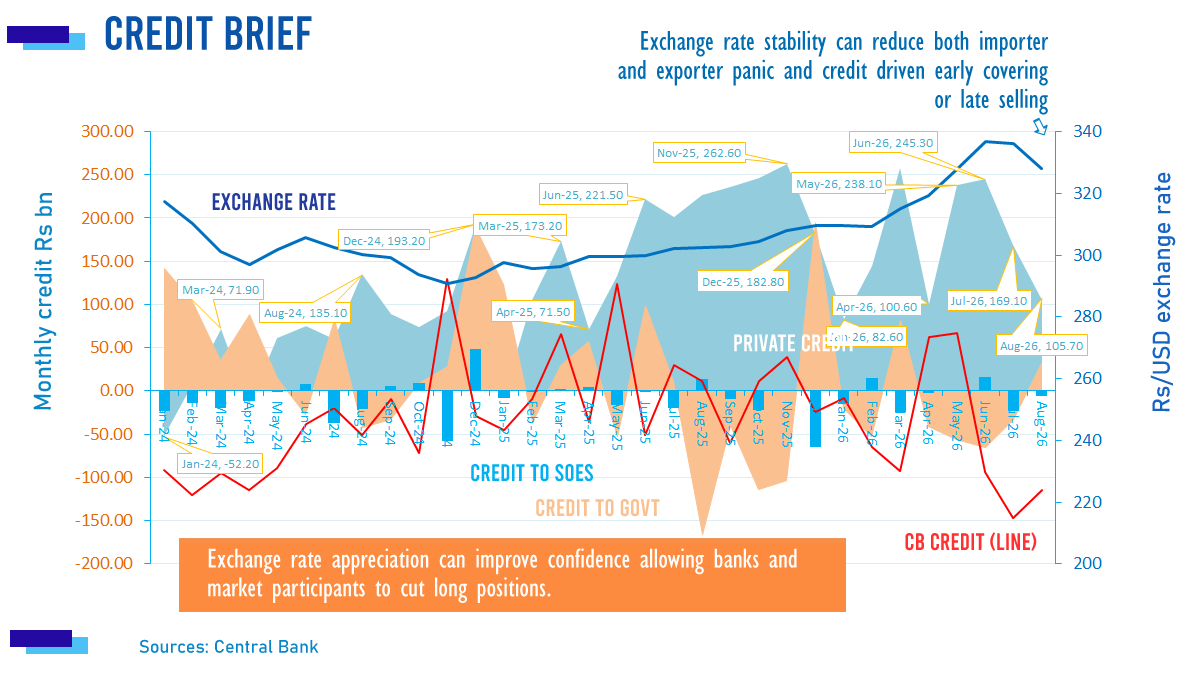
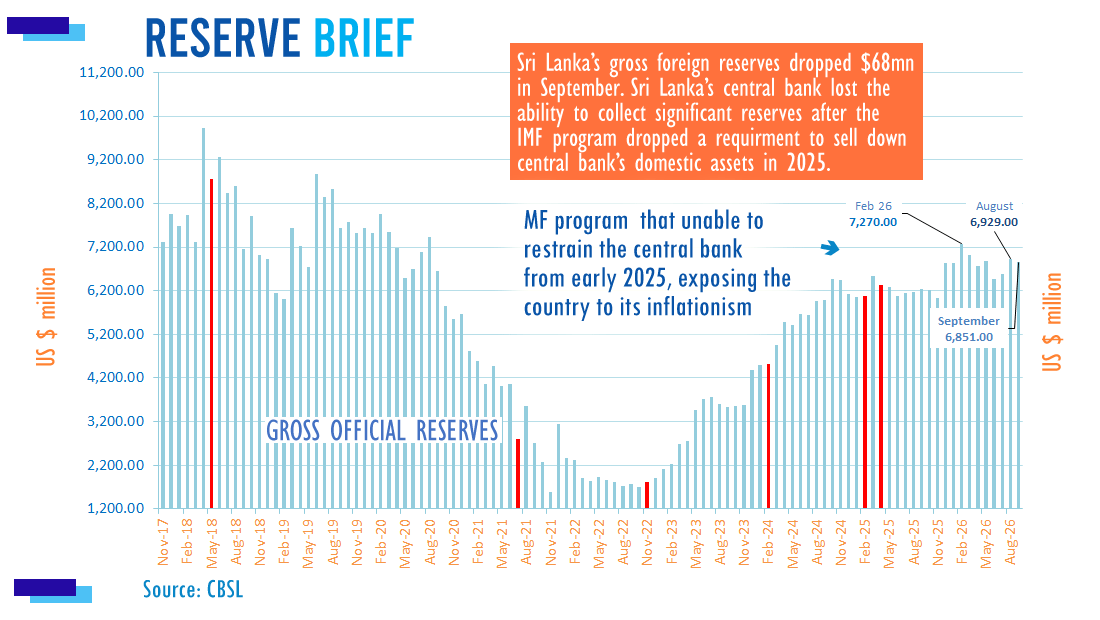
The rupee again collapsed in 2026, under cover of the 5 percent inflation target, as exchange rates in the war zone remained rock solid.
Exporter surrender rules were again tightened, showing that economic knowledge was at a 33 year low.
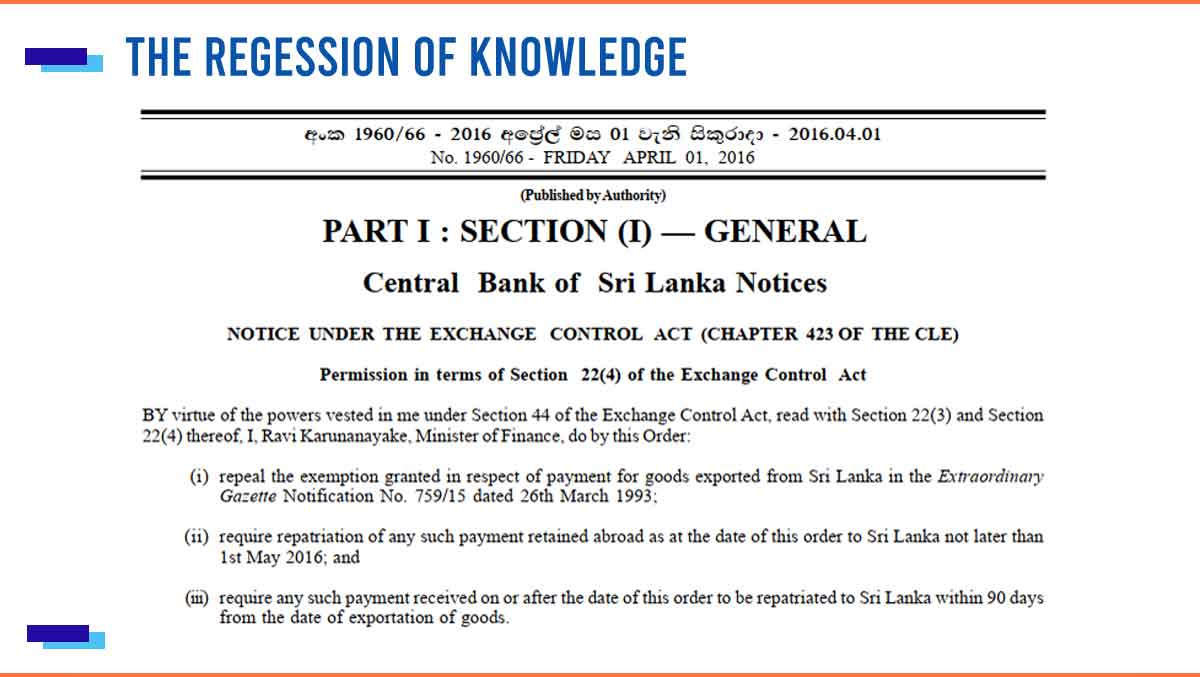
REGRESSION: Variously called Generational (Financial) Amnesia or more broadly Insitutional Decay or the Dark Agey Phenomenon, knowledge is lost in cycles of around 30 years
The belief in inflationary stimulus however is not limited to Sri Lanka but it is a global revival of full employment policies of the 1960s that originally led to the collapse of the Bretton Woods.
The policies have led to the single policy rates (floor systems or mid-corridor targeting), deteriorating budgets and debt, rising nationalism, and political instability.
Forex shortages come from trying to target inflation or growth by manipulating rates without a floating exchange rate, violating basic economic principles (Hume's price-specie-flow mechanism, later revived as the monetary approach to the balance payments).
Central banks then resort to Mercantilism to escape accountability (current account deficits) for dishonoring bloated note-issues, or blame budget deficits.
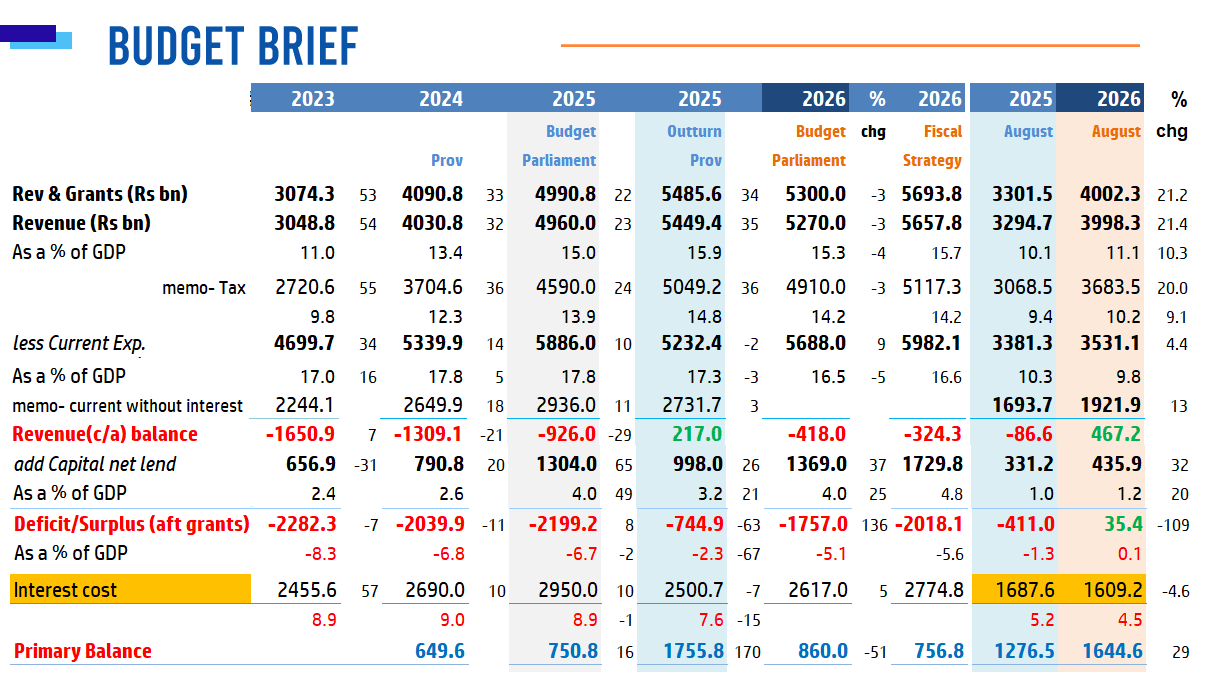
The currency collapse in 2026 was significant as it happened under a budget surplus.
The currency collapse in 2016 happened as oil prices fell steeply, but rates were cut and inflationary policy was deployed because backward looking inflation was low. (Colombo/Oct11/2026)

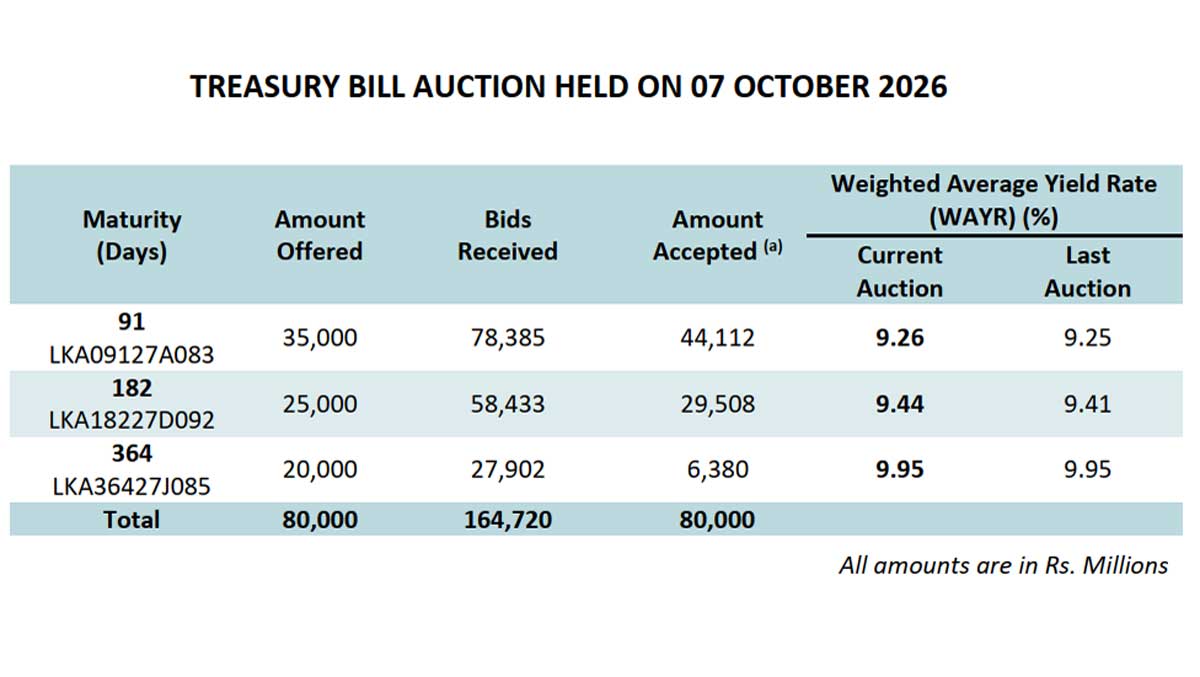
| 3 month bill | 9.25% | 5bp ▲ |
| 12-m bill | 9.95% | 2bp ▲ |
| Gold (Ounce) | $4602 | - - |













Comments
Be the first person to comment and join the debate