
Share your email and we'll share the latest news
Exclusive economic intelligence, political and business coverage
Saturday, October 17 2026
Saturday, October 17 2026
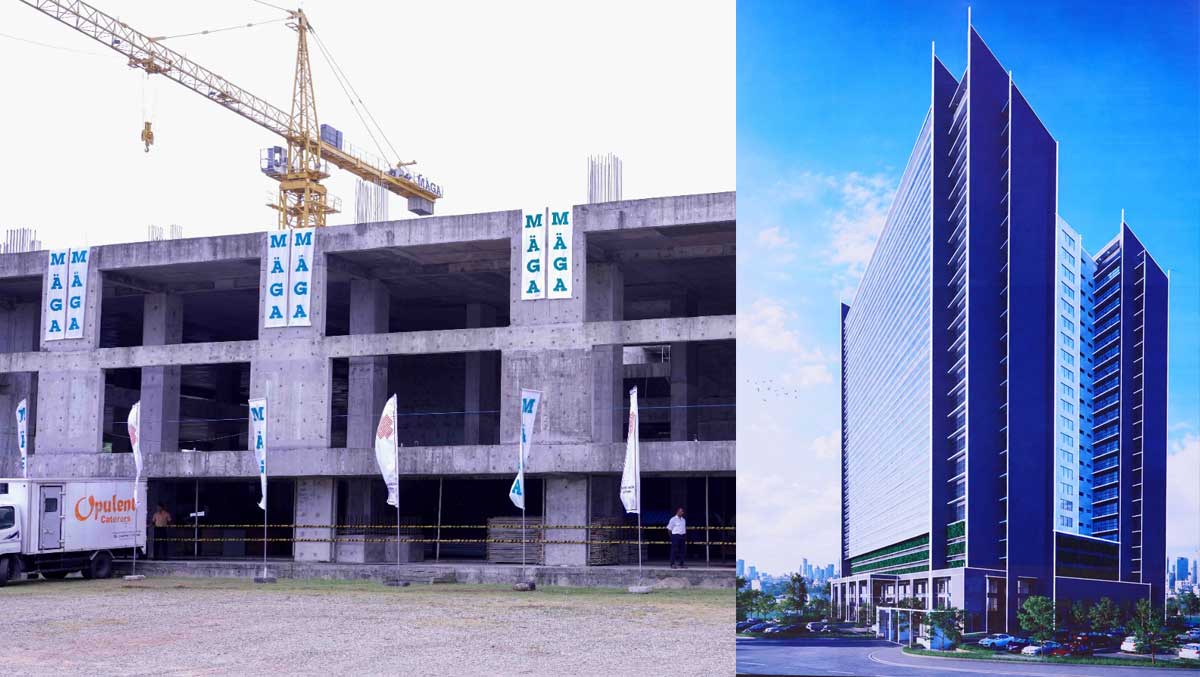
MONETABRIEF – Sri Lanka has started to build a new Inland Revenue Office at the Sethsiripaya Administrative Complex in Battarmulla, which was halted to save money after the sovereign default in 2022.
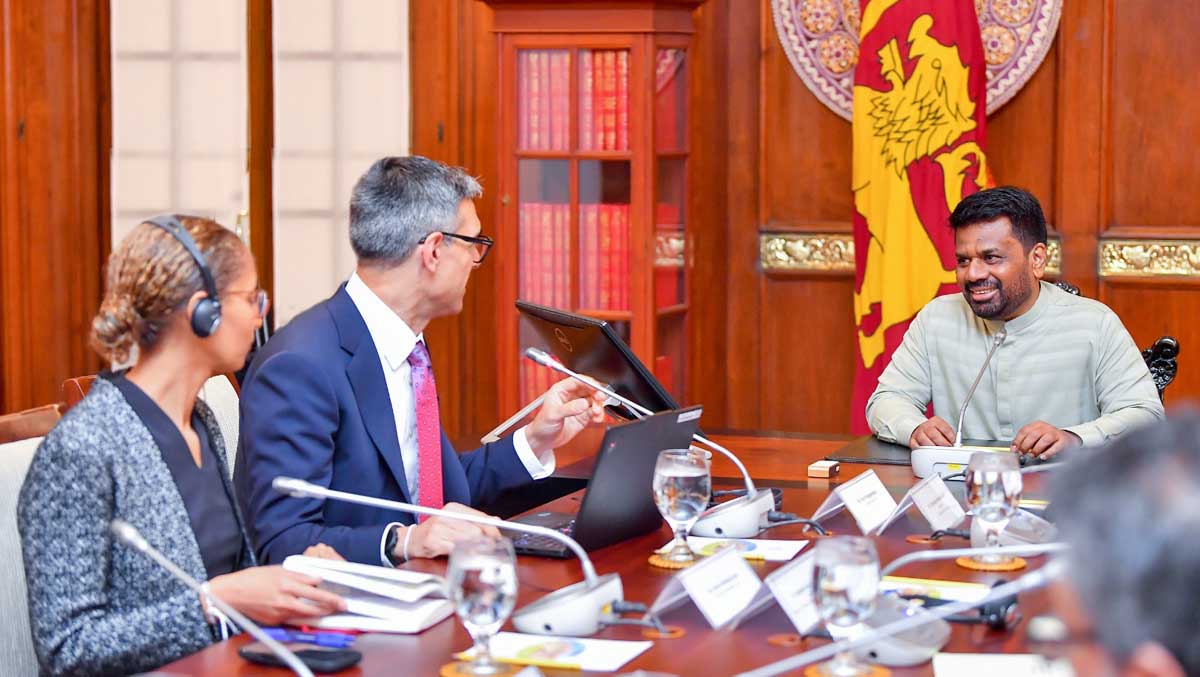
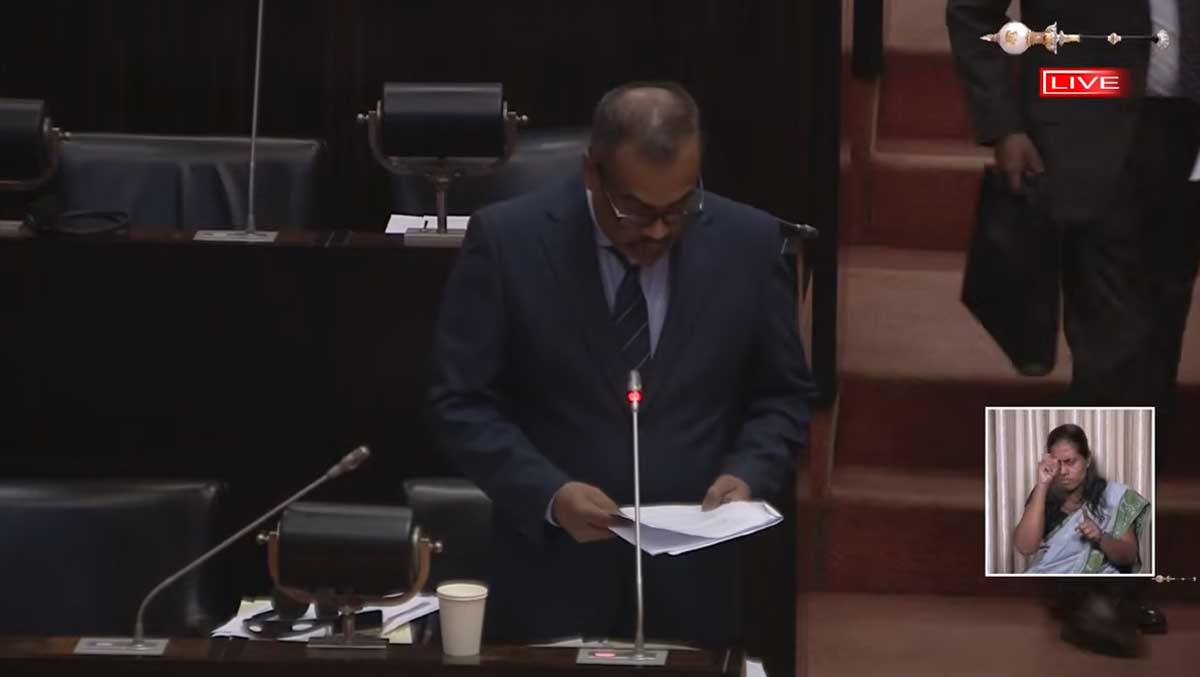
The Third Stage to of the Sethsiripaya complex is build entirely with taxes and no borrowings, Deputy Minister for Economic Development, Nishantha Jayaweera was quoted as saying at a ceremony to re-start construction.
The project was initiated in 2019 and begun in 2021 at a cost of 16.7 billion rupees. But now the cost had escalated to 33.7 billion rupees.
Monetary Policy
At the time the rupee was around 182 to the US dollar. Now it is 330 to the US dollar after central bank money printing and 'monetary policy' to 'guide interest rates along the desired path' in two currency crises.
Macro-economists who bust currencies by printing money to fix interest rates, usually say that state revenue increases when inflation goes up or the rupee falls, which is partially true as import duties and value added taxes can go up, reducing disposable incomes.
Macro-economists also claim in the same breath that balance of payments troubles end due to imports becoming costlier which is a fall in the living standards of the people.
Critics call these diametrically opposite claims show the 'forked tongued' nature of macro- economic narratives developed in the Anglophone West in the 1960s as full employment policies pushed up commodity price and the Bretton Woods collapsed.
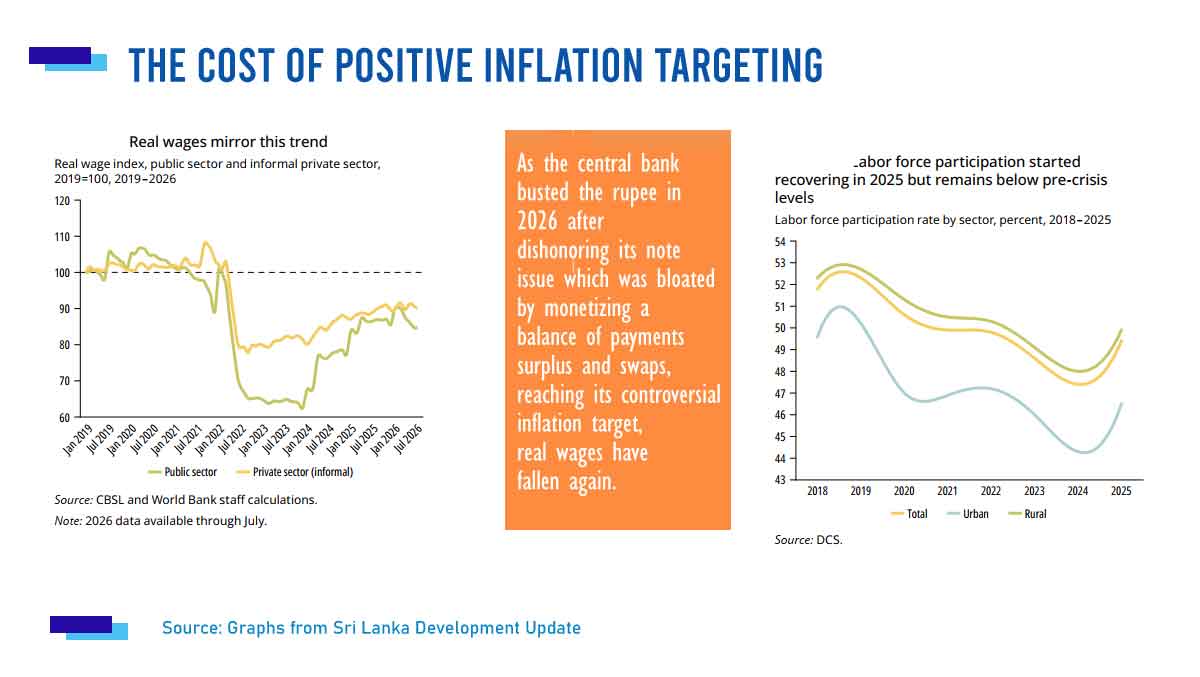
But costs also eventually catch up with capital costs one of the first to adjust, minus any wages which are usually 'sticky' or does to increase fast and may take several years catch up with monetary policy, unless there are strikes.
Intertemporal Social and Political Unrest
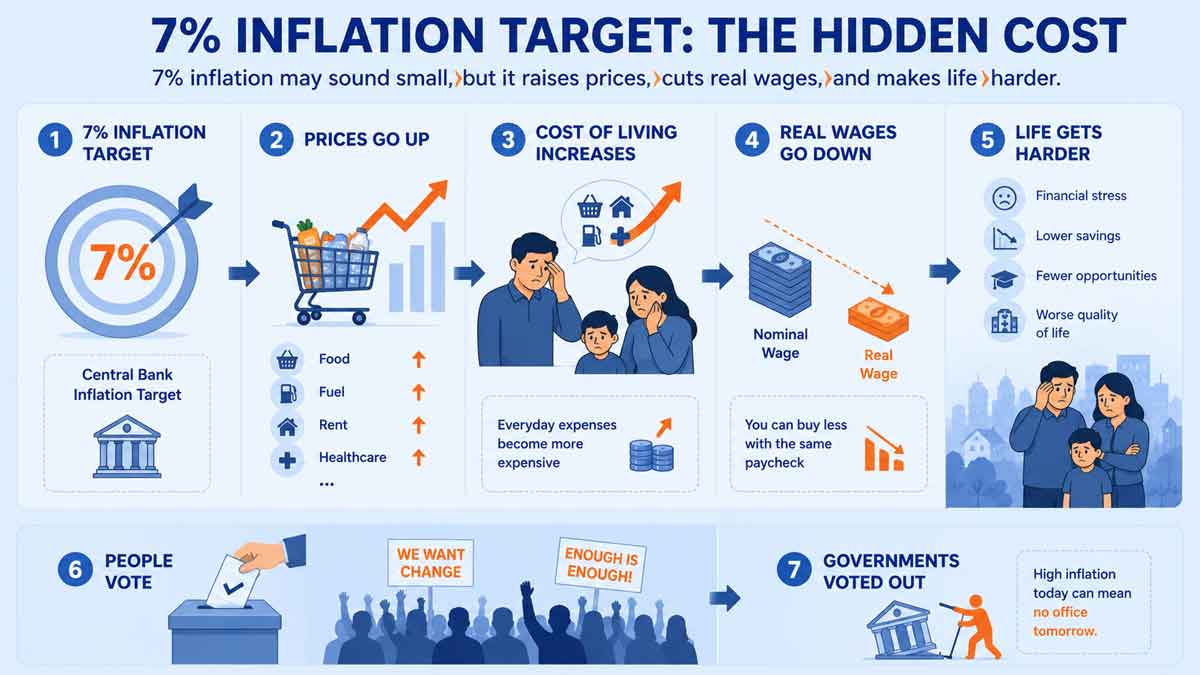
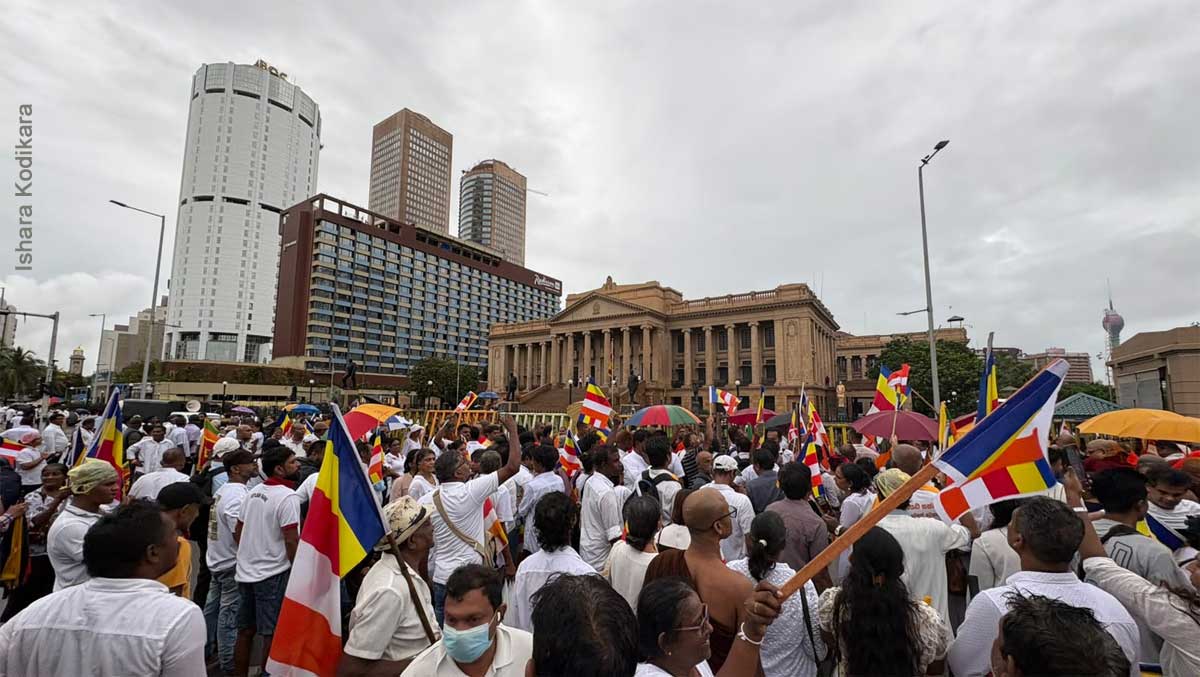
In the time gap between commodity prices rising and 'sticky' wages adjusting up, public anger rises and democratically elected governments are voted out of office.
Their fault however is the inability to bring laws to restrain inflation and depreciation biased central banks and macro-economists.
The new Sethsiripaya building is built entirely with tax and non-debt money, Minister Jayaweera had said. It will provide more spacious work space for the Inland Revenue Department.
Funding will come from the Department of Inland Revenue, the Ministry of Energy and State Pharmaceuticals Corporation.
Sri Lanka hiked taxes after a sovereign default triggered by macro-economists who cut rates to boost growth (close a potential output gap), under International Monetary Fund backed 'flexible' inflation targeting.
Spurious Economic Doctrines
The IMF also gave technical assistance to calculate potential output.
Sri Lanka also raised taxes under so-called 'revenue based fiscal consolidation' based on a silly idea that politicians will not use increase tax revenues to increase state spending.
Sri Lanka at one time at more than 20 percent revenue to GDP but rate deficits, partly because currency depreciation led to cost escalations and partly because politicians used the money to spend more.
"Past experience in Ceylon, which is in line with experience in virtually all parts of the world, is that in a democratic set up political and other pressures are heavily on the side of more and more spending by the government," explained classical economist B R Shenoy in 1965 to the Sri Lanka government in a report.
"When Revenues increase, under the weight of these pressures, expenditures too increase to meet, or even exceed, Revenue collections.
"In Ceylon during the past seven years Revenues rose by 45 per cent and Expenditures charged to Revenues by 48 per cent."
Instead, he called for an end to central bank money printing and spending controls. (Colombo/Aug30/2026)

| 3 month bill | 9.26% | 1bp ▲ |
| 12-m bill | 9.95% | 2bp - |
| Gold (Ounce) | $4187 | - ▼ |




Comments
Be the first person to comment and join the debate