
Share your email and we'll share the latest news
Exclusive economic intelligence, political and business coverage
Monday, October 5 2026
Monday, October 5 2026
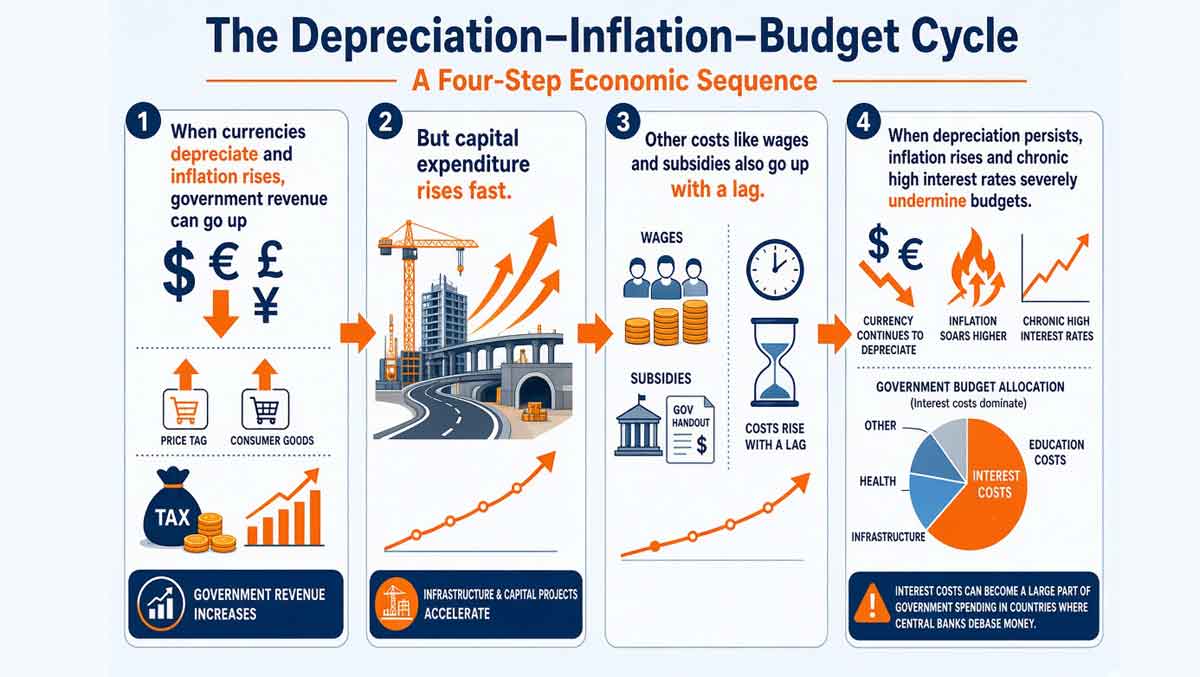 MONEY ILLUSION: Initial benefits to the budget from inflation come from delays in some expenses like wages adjusting up. However depreciation also leads to political instability, and chronically high interest rates
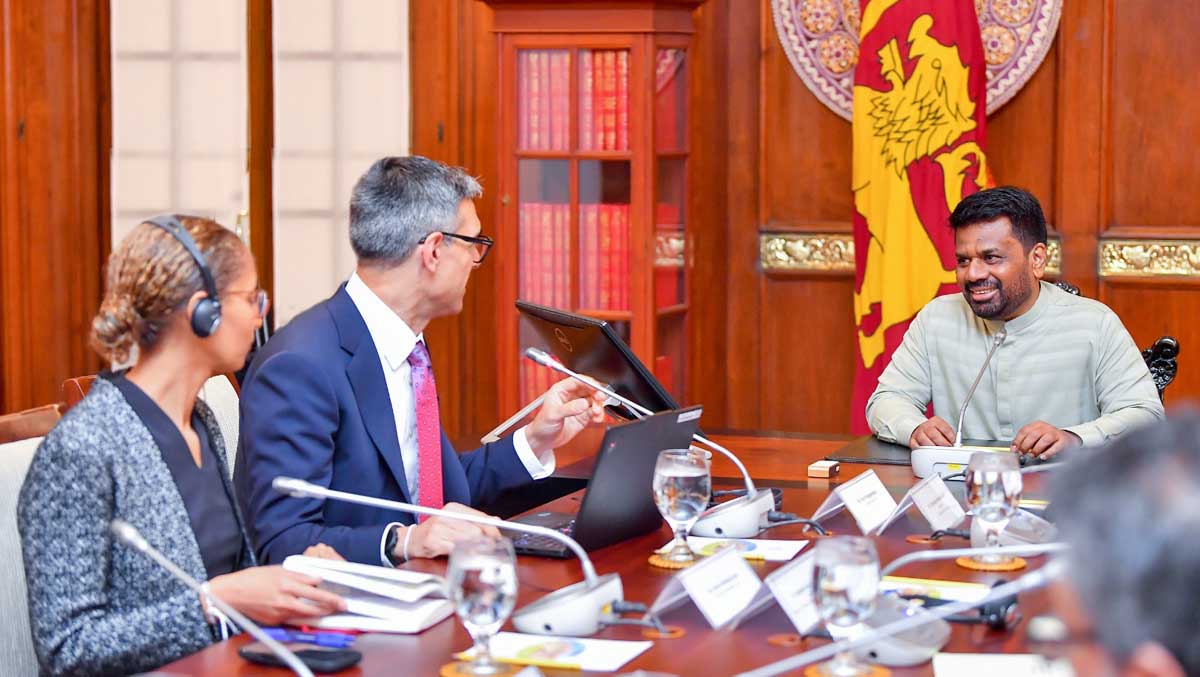
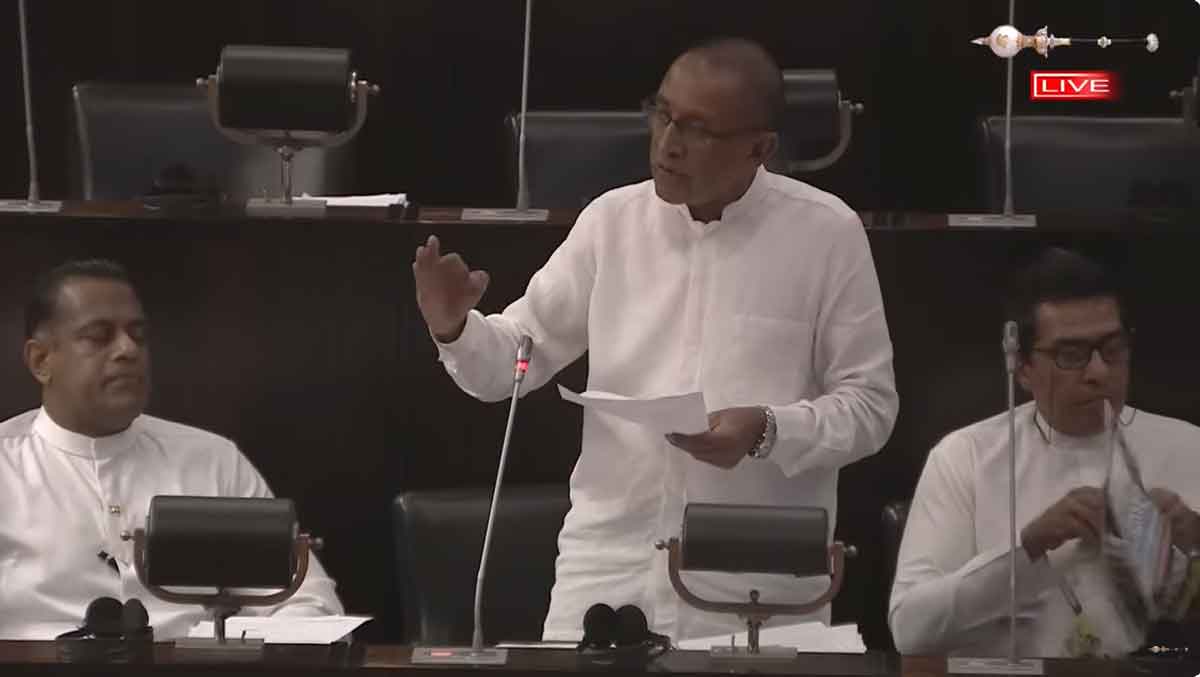
MONETABRIEF - Sri Lanka's capital expenditure costs are rising after the sharp depreciation of the rupee in 2026, Deputy Minister of Finance Anil Jayantha Fernando said, though the government will make all efforts to ensure fiscal discipline.
"There is a cost escalation, mainly due to rupee depreciation and price increases, especially oil," Minister Fernando told MonetaBrief.
"There was also freight insurance and freight."
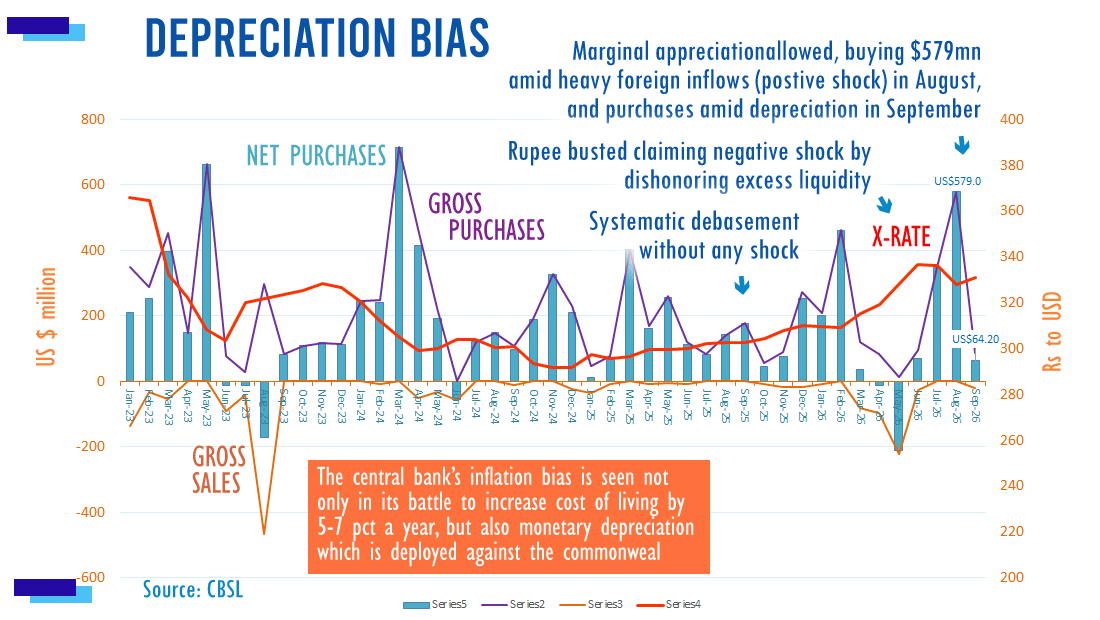
Sri Lanka's central bank busted the rupee in 2026, dishonouring excess liquidity it had built up in money markets through pegging and also printing money through buy-sell swaps, ending two year of monetary stability that helped improve budgets.
The currency collapse amplified the effects of an oil price rise and worsened the finances of state energy enterprises, requiring higher than required prices and also driving up the prices of domestically produced exports and close substitutes.
Some projects were also hit by delays in key materials like bitumen, which also pushes up costs.
"One option is to have a supplementary budget," Minister Fernando said.
"The other one is to just manage within the given budget line. But we admit the fact that there is a cost escalation."
Macro-economists usually claim that revenues go up when there is inflation, but expenses catch up. Items like wages and subsidies will go up with a delay, in line with what is called the Cantillon effect.
P Politicians who are accountable, will try to maintain costs within budget when central banks drive up inflation.
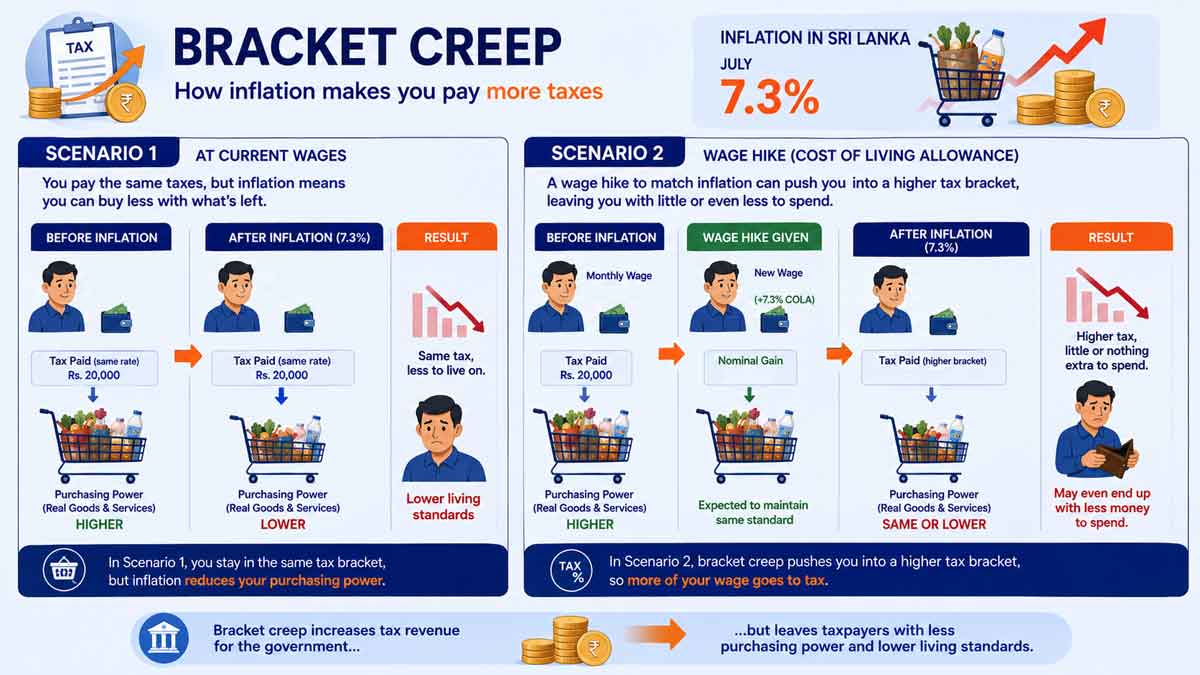
With the rupee collapsing, the central bank has also taken away the tax threshold rise, given by the current administration to the lowest income workers.
In the gap, public discontent grows and democratically elected governments are discredited and ousted, their only fault being the inability to restrain the inflation and depreciation bias of the central bank through sufficiently tight laws.
In the 1980s, as the central bank started to depreciate the rupee after the International Monetary Fund's Second Amendment to its Articles ignoring the monetary law, budgets went haywire and 'supplementary estimates' became the norm.
Public discontent and industrial strife intensified. Sri Lanka's widespread strikes ended only after A S Jayewardene, a classical economist who did not believe in inflation, became central bank governor.
Sri Lanka's parliament has made a grave error in giving "independence" to central bank with a 5 percent inflation target and a clear inflation and depreciation bias, critics say.
There is however growing knowledge in the parliament what macro-economists are actually doing in Sri Lanka, especially after what was done to the 2015-2019 administration which was against printing money and wanted free trade.
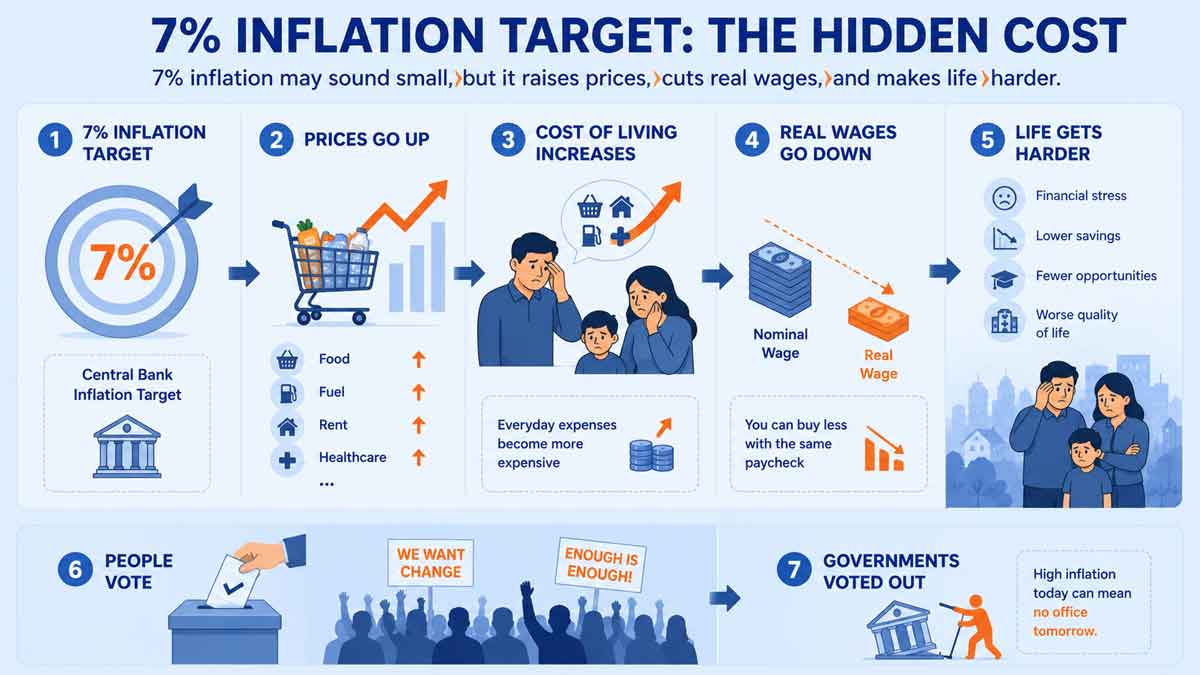
The agency is publicly lobbying to drive up the cost of living through a high inflation target, at the expense of external instability budgets, destruction of private capital and democracy itself in a spurious belief that it can boost growth through 'price pressure'.
It is the same doctrine that emerged in the US in the 1960s (employment inflation trade off) that led to the collapse of the Bretton Woods and Great Inflation in the 1970s.
The central bank busted the rupee from 113 to 335 since the end of a civil war, using flexible inflation targeting (operating a domestic anchor without a clean float) and dishonoring notes under exchange rate as the first line of defence/interest rates as the last line of defence.
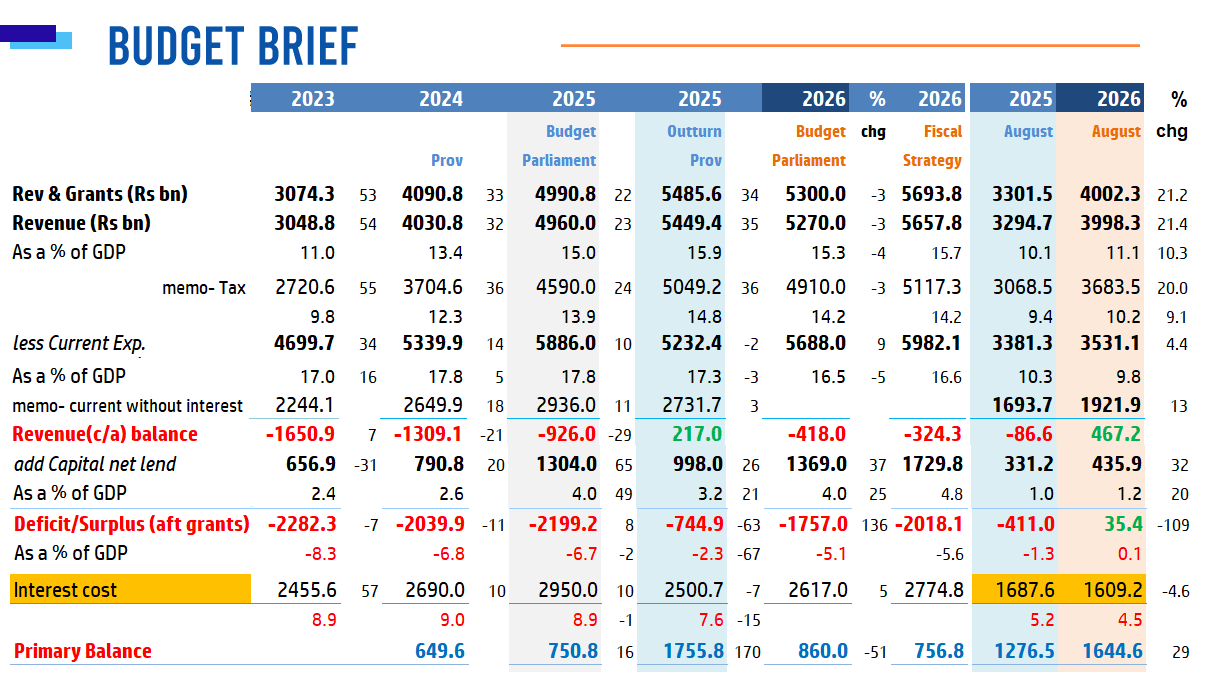
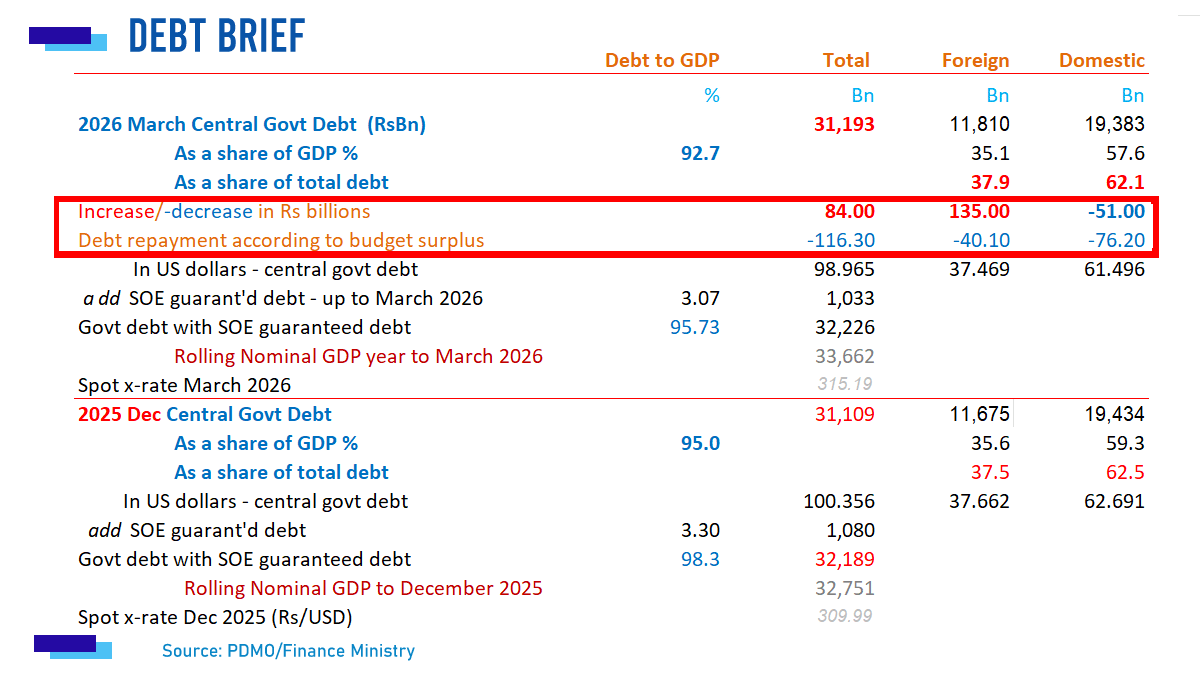
Sri Lanka's central bank met its controversial 5-7 inflation target with the currency collapse in 2026 ending two years of monetary stability that had allowed the government to run a current account surplus in the budget in 2025.
In 2026 the rupee was busted in a budget surplus. The central bank from 1952 had been blaming budgets for balance of payments troubles triggered by open market operations, but the parliament has not held its accountable.
Instead exchange and trade controls were imposed on the people showing that the central bank is un-accountable for its flawed operating framework and inflation bias. (Colombo/Aug18/2026)

| 3 month bill | 9.25% | 5bp ▲ |
| 12-m bill | 9.95% | 2bp ▲ |
| Gold (Ounce) | $4602 | - - |







Comments
Be the first person to comment and join the debate