
Share your email and we'll share the latest news
Exclusive economic intelligence, political and business coverage
Thursday, October 1 2026
Thursday, October 1 2026
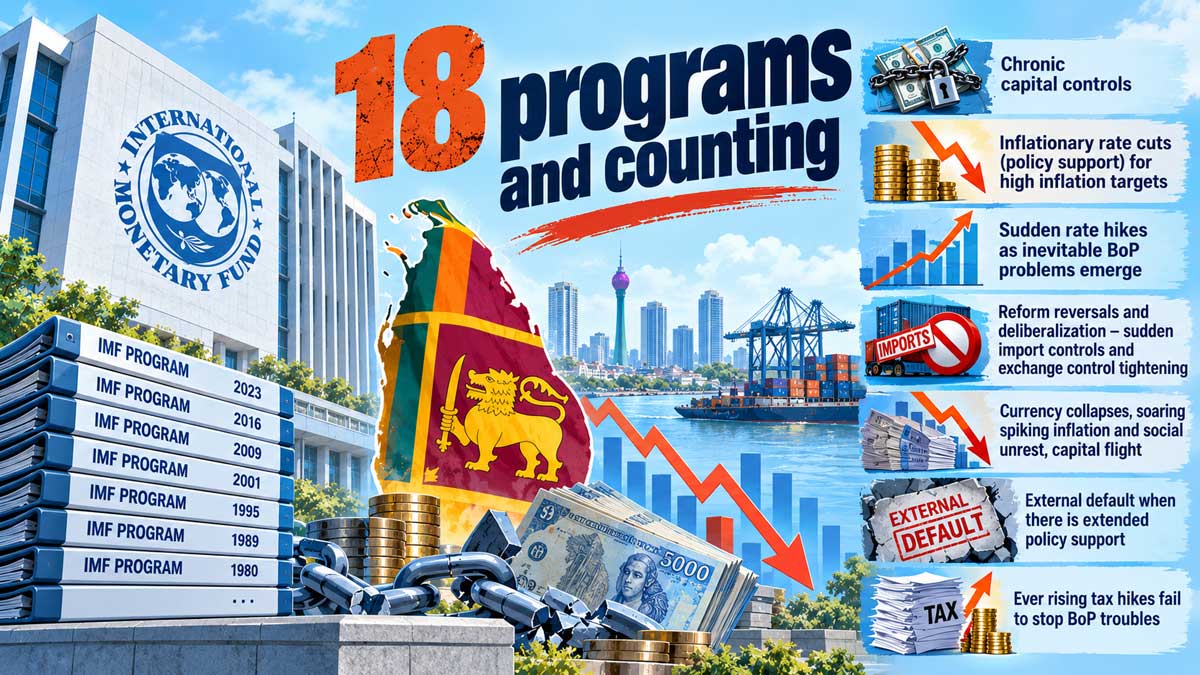
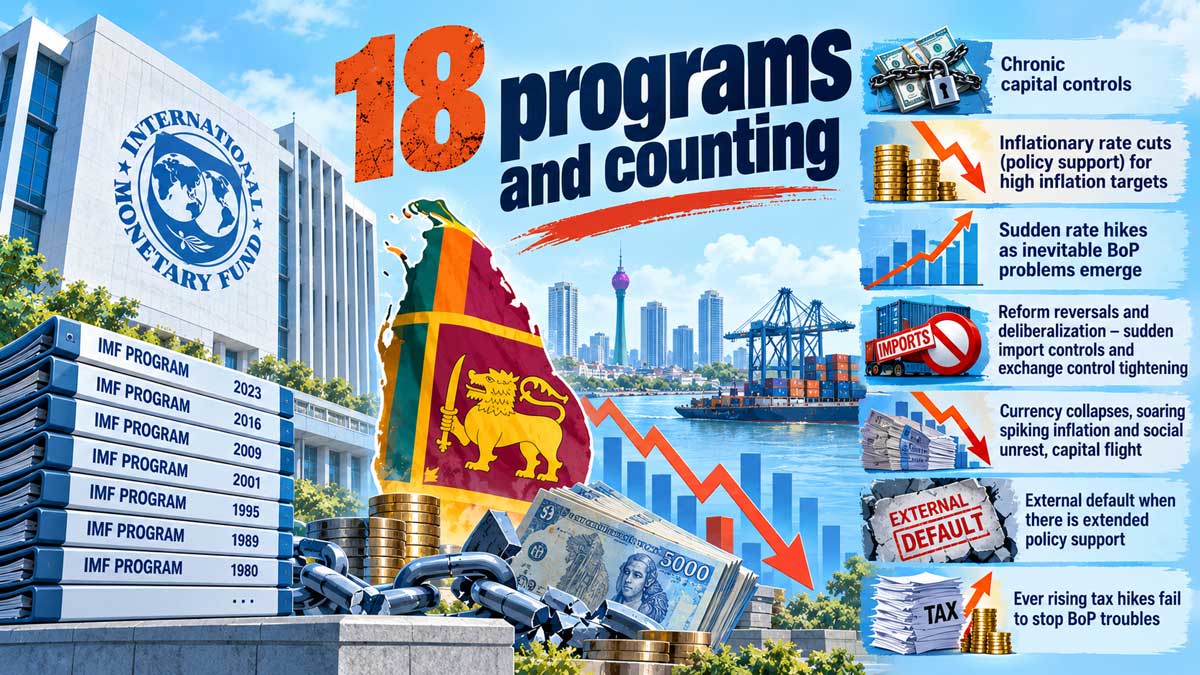 MONETARY FAILURE: Sri Lanka has had 18 IMF programs with post-civil war programs featuring currency collapses within programs from 'flexible' policy
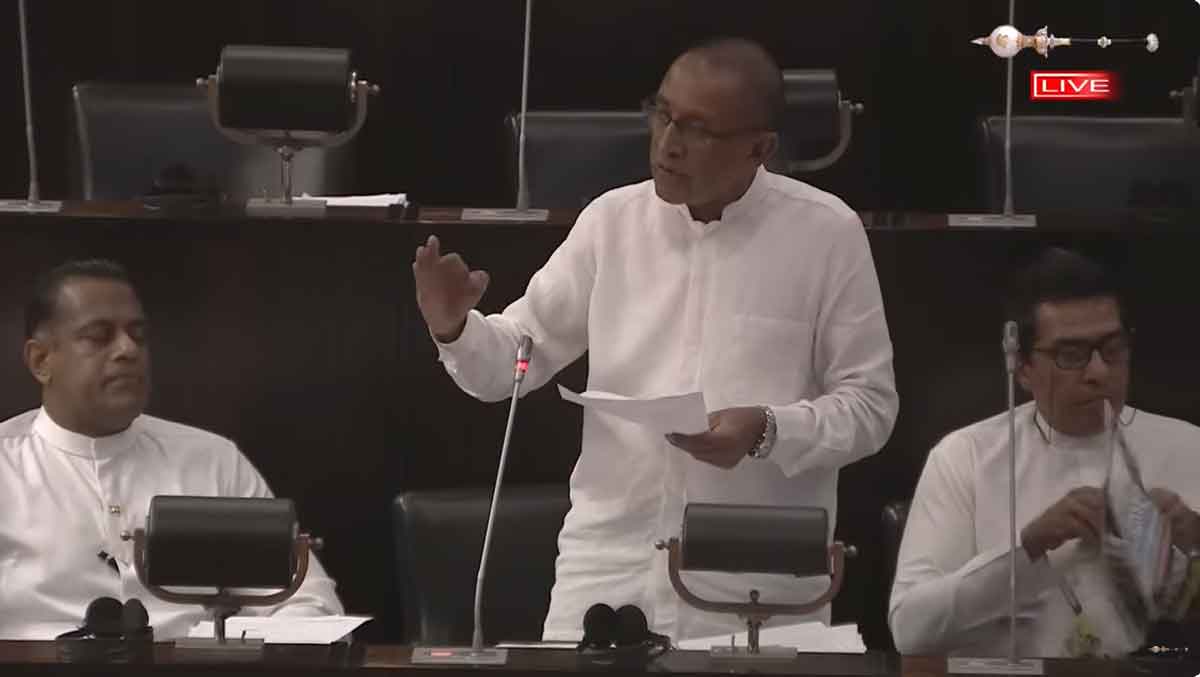
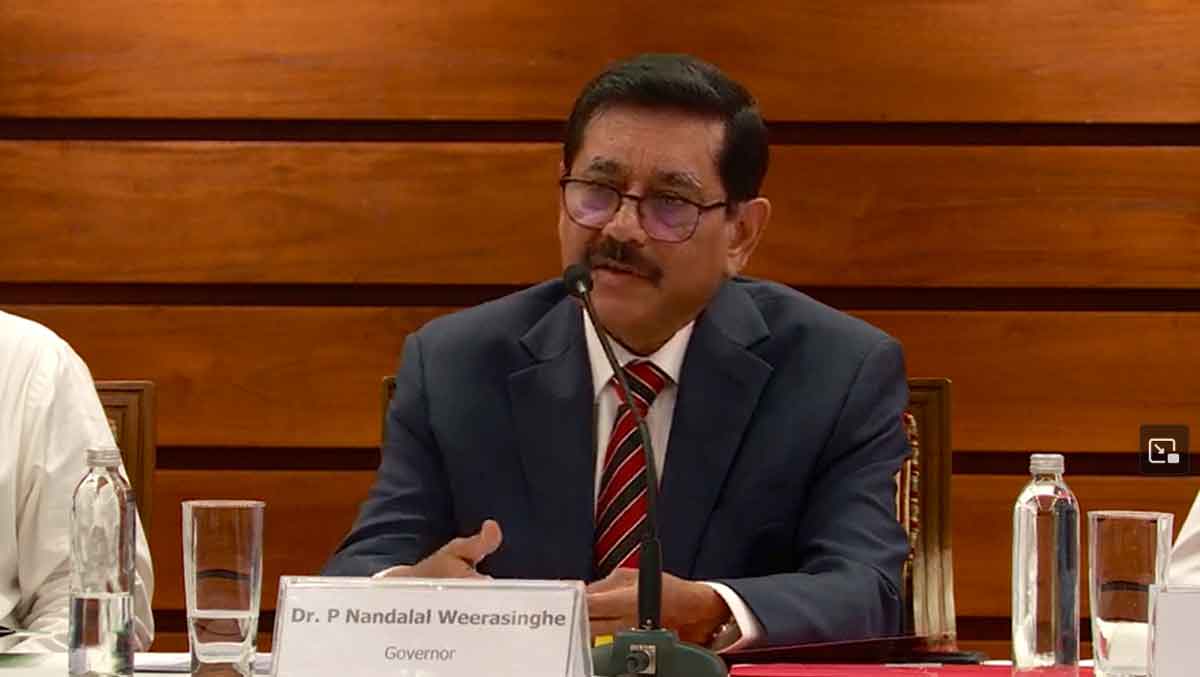
MONETABRIEF – Whether Sri Lanka will continue with another International Monetary Program or not is a decision of the government but options are being discussed, Central Bank Governor Nandalal Weerasinghe said.
"There are discussions about this," Governor Nandalal Weerasinghe told reporters. "It has to be done by the government. The option on what the government and the IMF can do is being discussed."
IMF has several follow up programs, including post-program monitoring.
Sri Lanka first started to go to the IMF in the 1960s by failing to raise rates in step with with credit cycles that developed in the US with full employment policies.
The inflationary rate cuts in the US and extended credit cycles also led to the collapse of the Bretton Woods system in 1971-73 and the emergence of Great Inflation and the floating rates.
Sri Lanka's central bank however started triggering balance of payments troubles and started to shift blame to politicians (budget deficit) from February 1952 by suppressing rates after the US Fed ended bad monetary policy of defending yields of long term war bonds (Liberty Bond style) with printed money.
A country without a central bank which does not print money to manipulate interest rates does not have to go to the IMF or face forex shortages, as the balance of payments is self-adjusting without intervention.
Forex shortages and balance of payments trouble emerge when macro-economist reject classical economics and violate laws of nature, clearly described in detail by David Hume as the price-specie-flow mechanism and later classical including Ricardo and Smith (in relation to Scottish free banks) as banking expanded and formed the basis of money and banking until the Fed invented the policy rate in the 1920s (monetary policy) triggering the Great Depression.
The knowledge was revived in the 1960s by two economists, Robert Mundell and Marcus Fleming, who ironically worked for the IMF for a time, which came to be known as the Monetary Approach to Balance of Payments.
The loss of knowledge of balance of payments is attributed to John Maynard Keynes who revived debunked Mercantilism in his book the The General Theory of Employment, Interest, and Money.
Rehabilitation of Debunked Mercantilism
In Chapter 23 (Notes 0n Mercantilism) Keynes crudely and explicitly rehabilitated Mercantilism, claiming classical economists were wrong to say that balance of payments were self-adjusting and interest rates should not be manipulated, critics point out.
He rejected the classical idea that worrying about balance of payments or trade deficit is a waste of time (puerile obsession) and there was no problem as long as note issuing banks were blocked from mis-targeting rates.
Keynes said he was now turning his back on the economics "which I was brought up and which for many years I taught;— against the notion that the rate of interest and the volume of investment are self-adjusting at the optimum level, so that preoccupation with the balance of trade is a waste of time."
Economists were wrong to treat as "a puerile obsession what for centuries has been a prime object of practical statecraft", he said referring to Mercantilists.
"Since, in practice, it is impossible to neglect the balance of payments, a means of controlling it was evolved which, instead of protecting the domestic rate of interest, sacrificed it to the operation of blind forces."
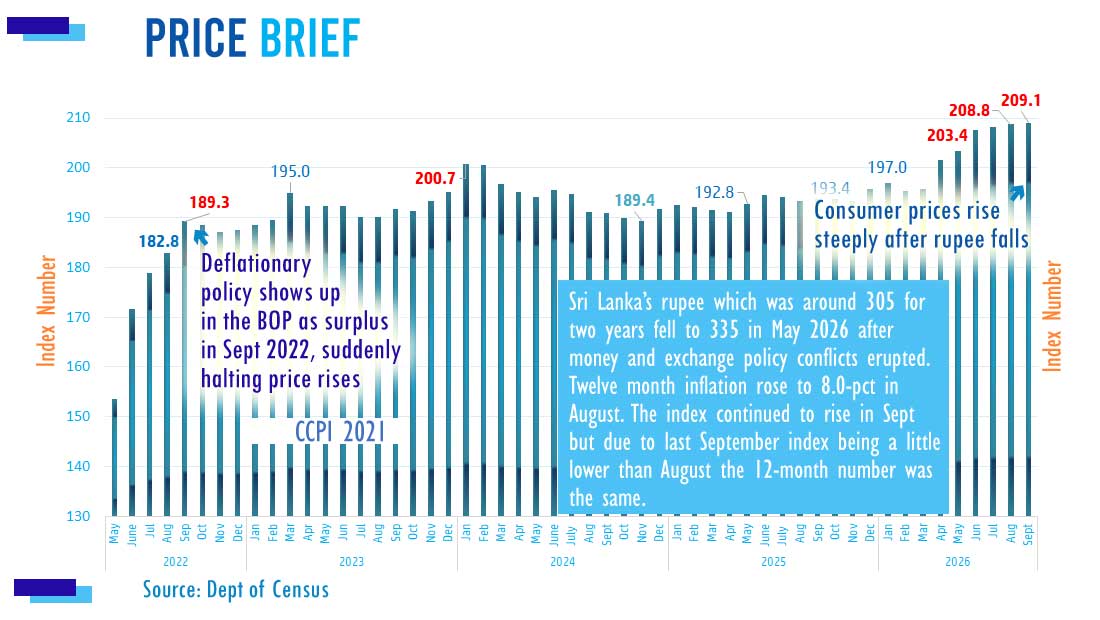
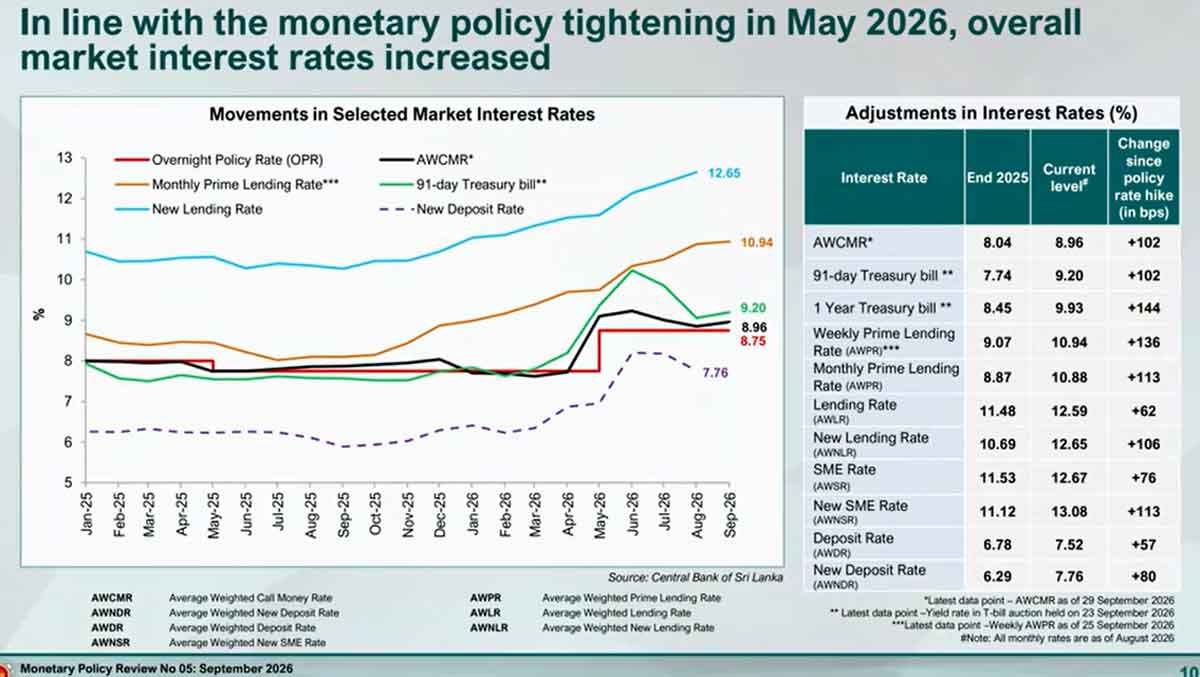
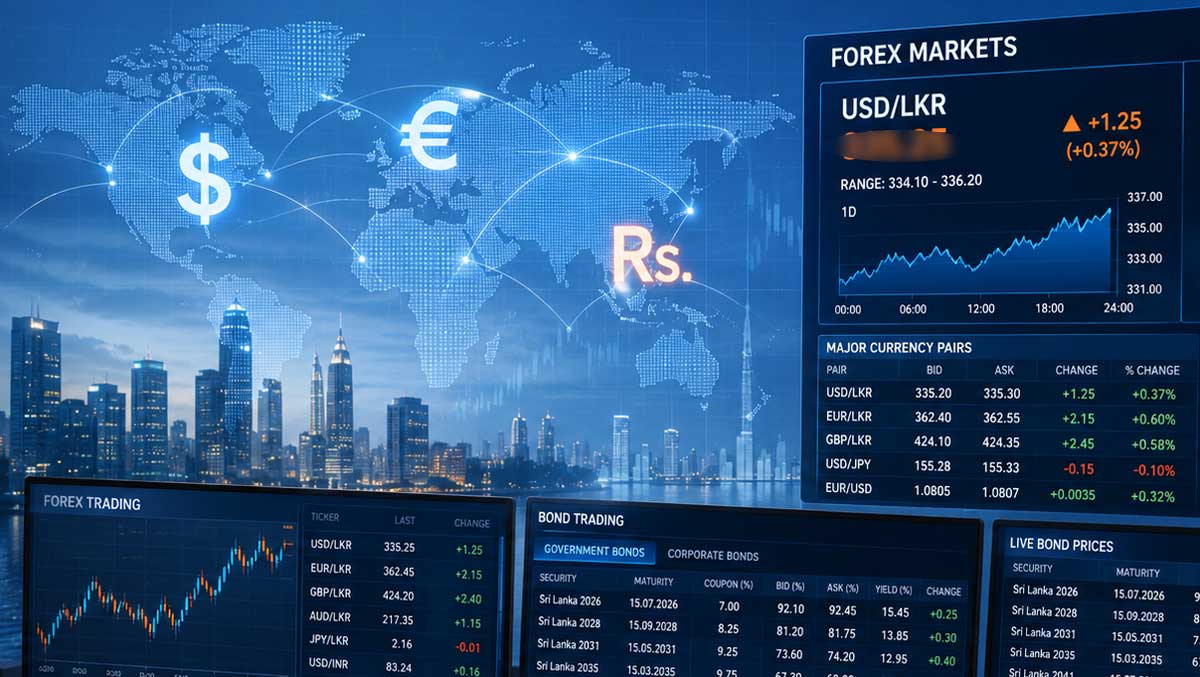
Sri Lanka also had to hike rates suddenly responding to the 'operation of blind forces' in May as the BoP gave way and the rupee collapsed to 330 to the US dollar.
The ideas were spread to Anglophone academics (Cambridge Circus) even before he wrote The General Theory and were formally taught to student and included in textbooks.
As a result of rejecting economics, the so-called 'lost generation' of Cambridge economists who advocated state intervention in interest rates (central banks were progressively nationalized), and self-sufficiency, protectionism and exchange and trade controls when the inevitable balance of payments trouble were triggered, emerged.
The macro-economists who believed in inflation and not monetary stability, later ended up running central banks and being the 'guardians' of people's money.
The IMF itself was co-founded by Keynes and came with Article IV, permitting capital controls, in line with the rejection of economics, dooming countries to rate cuts, and trade controls, analysts say.
Countries that accept economics, including Singapore, Hong Kong and a number of Middle East nations including Qatar, Dubai, Oman, Saudi Arabia, or Bhutan in South Asia that have restrained inflationary rate cuts by law do not have balance of payments troubles or IMF programs. (Colombo/Oct01/2026)

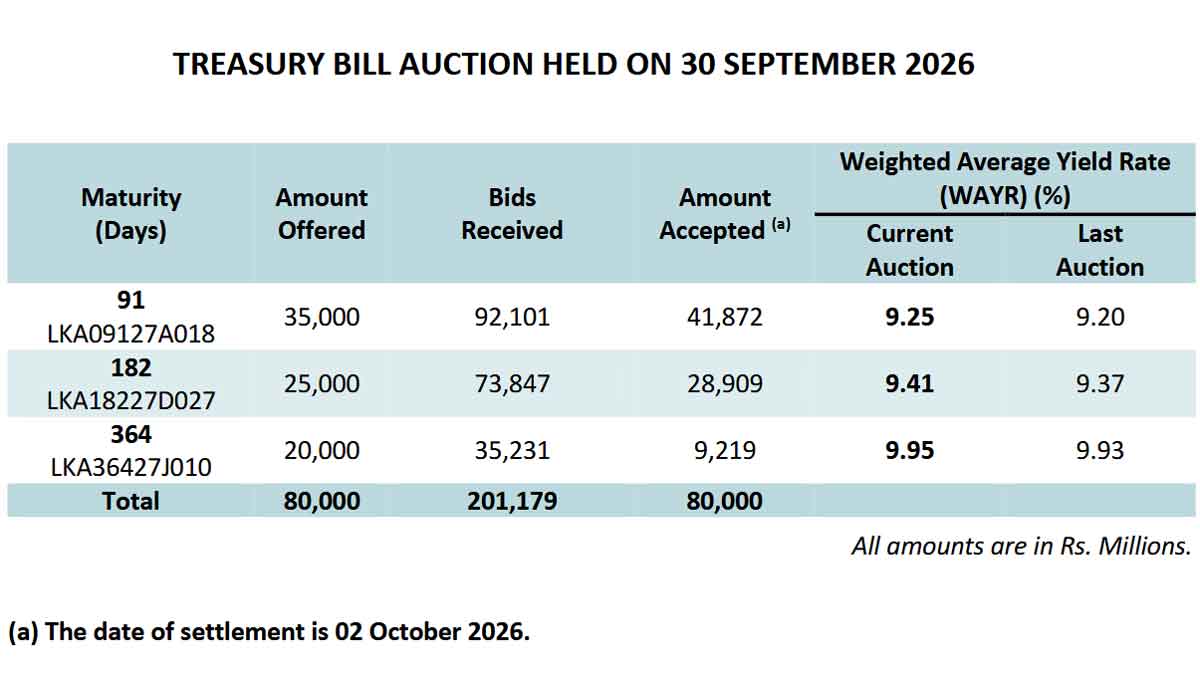
| 3 month bill | 9.25% | 5bp ▲ |
| 12-m bill | 9.95% | 2bp ▲ |
| Gold (Ounce) | $4602 | - - |






Comments
Be the first person to comment and join the debate