MONETABRIEF – Sri Lanka's monetary regime involving building up excess liquidity from monetizing foreign exchange assets of banks and buying dollars and then dishonoring them, has emerged as a top inflating regime amid the US-Iran war, data show.
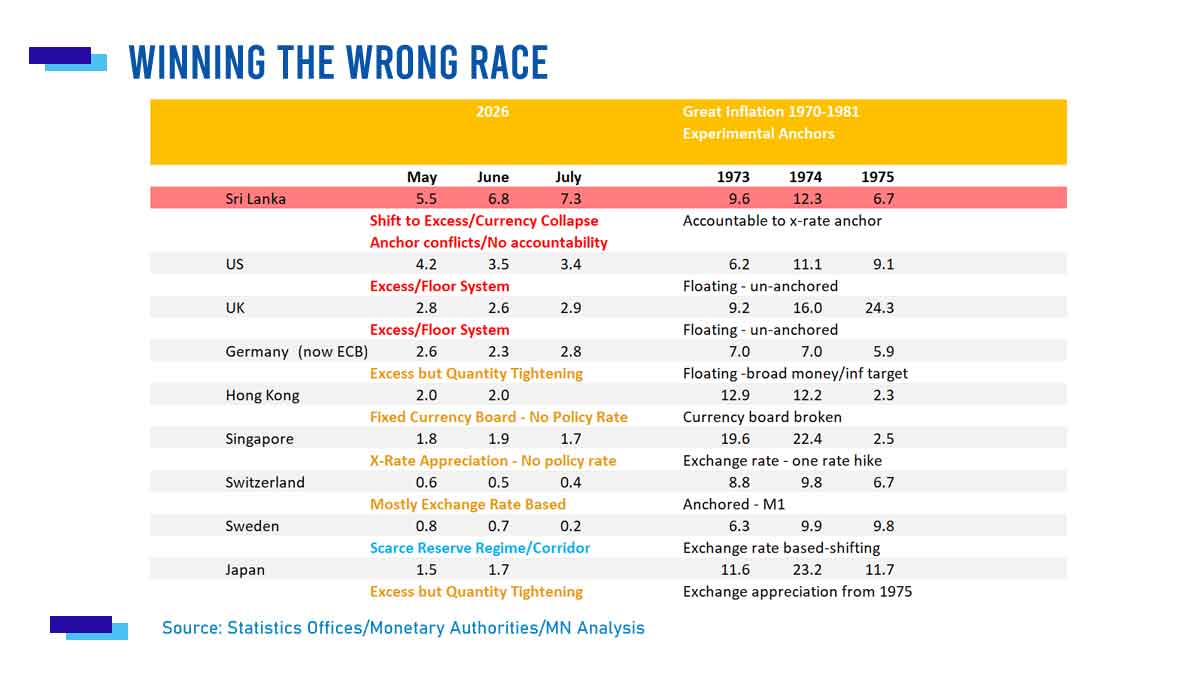
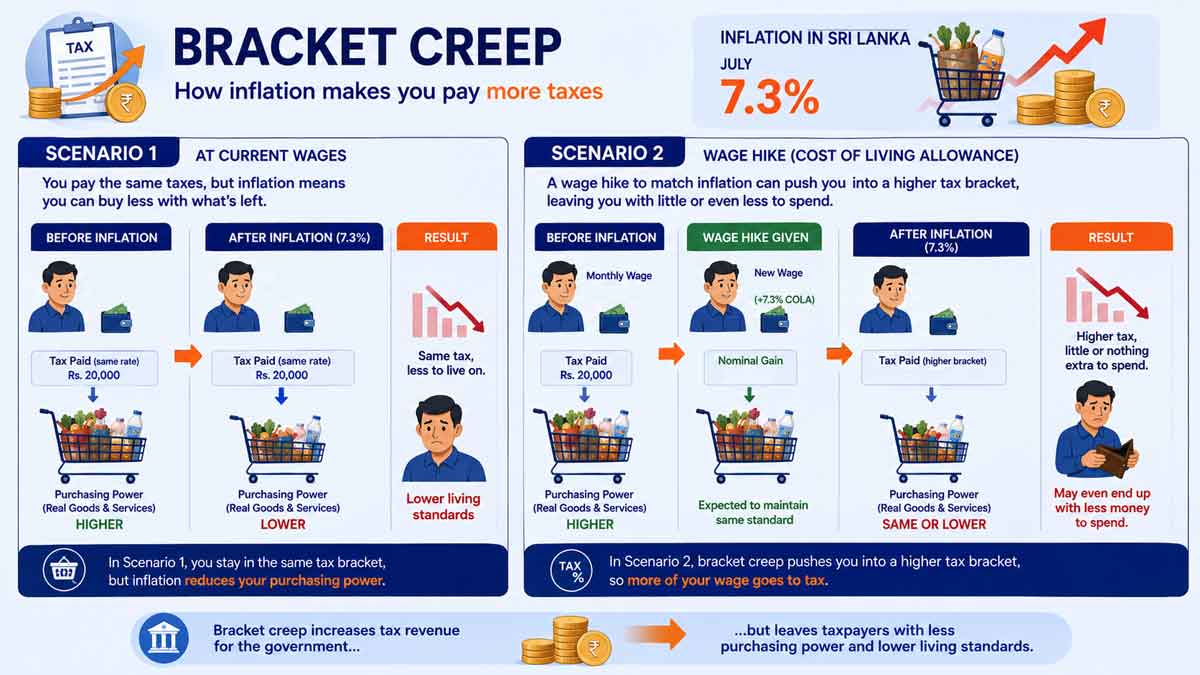
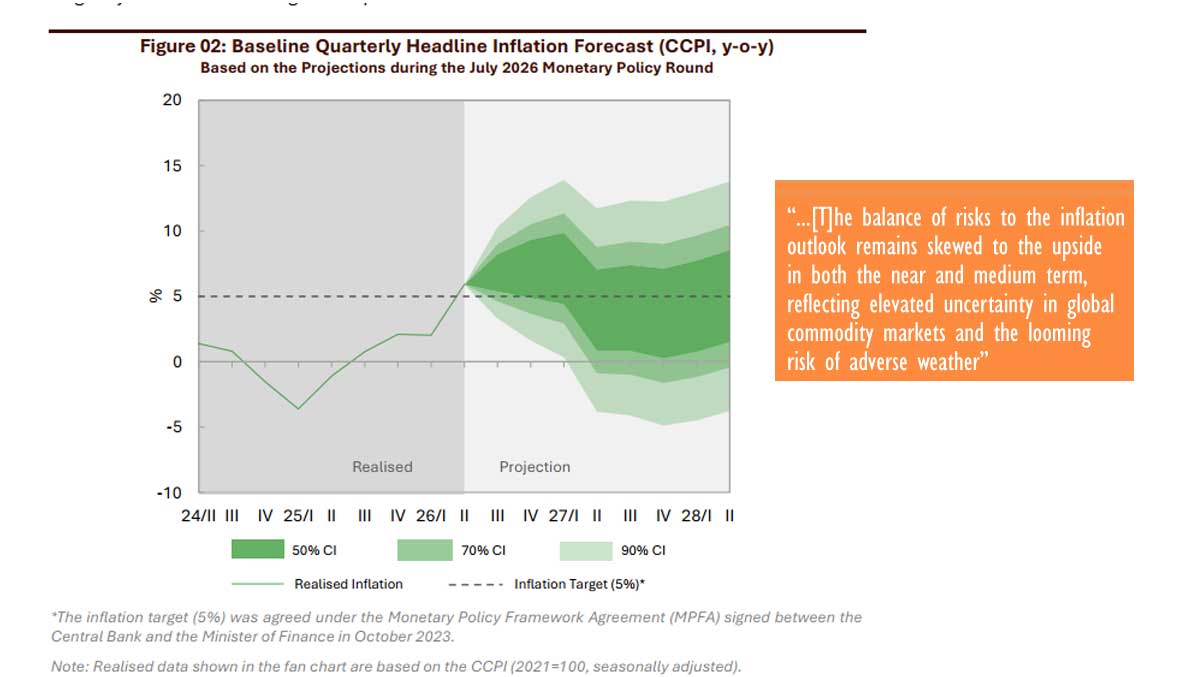
Sri Lankas inflation rose from 5.5 percent in May to 7.3 percent in July as the rupee collapsed under the 'flexible exchange rate' of dishonoring its own note issue, after selectively denying convertibility to the public over 2025.
Sri Lanka's high inflation regime with conflicting anchors (aggressively targeting the exchange to build reserves while trying to run an inflation targeting regime without a floating exchange rate) has led to a currency panic, rising prices and voter anger.
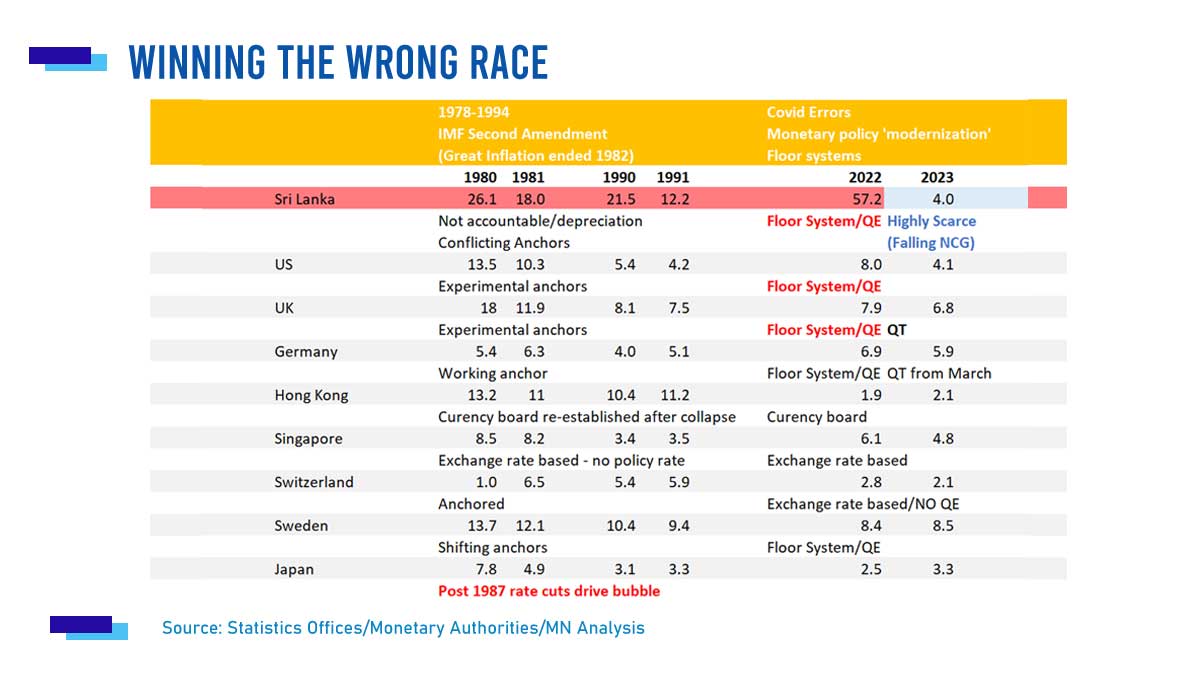
Sri Lanka also had high inflation in the 1980s, exceeding the Great Inflation of the 1970s after the IMF's Second Amendment to its Articles left the country without a credible anchor.
Attempts to target money supply without a floating exchange rate led to sharply higher inflation even as the US and UK fixed their systems in the 1980s, in the wake of Germany's success.
The regime became authoritative and resorted to various ruses including electoral fraud to remain in power. Civil and industrial strife exploded. Widespread strikes only ended after A S Jayawardene, a classical who did not believe in inflation, became central bank governor.
Inflation rose around the world after macro-economists mainly in the US (MIT/Harvard) busted the Bretton Woods system in 1971 with full employment policies (like potential output targeting that led to Sri Lanka's default) which worsened after the Smithsonian Agreement collapsed.
In the 1970s despite money printing and rate cuts triggering forex shortages, overall inflation on Sri Lanka was around the level of the US as macro-economists were not allowed to depreciate the rupee under the then monetary law.
However, price controls still led to food shortages and malnutrition.
Germany, which then had its own Bundesbank, was one of the first monetary authorities to successfully tame floating exchange rates.
The Bundesbank evolved an early inflation targeting regime involving targeting a broad money supply between 6 to 9 percent and then taking foot off the brake, as soon as inflation started to fall.
US learned to control floating regimes under Paul Volcker who was taught money by two refugee Austrian economists.
Other countries experimented with various regimes in the 1970s and 1980s, with varying degrees of success, including shadowing the Deutsche Mark, the 'snake' and more stricter money supply targeting.
The US then shifted to an interest rate based regime without a specific positive inflation target. Formal inflation targeting without any money supply targeting was devised by New Zealand.
Stiglitze-Bernanke reflation emerged from around 2000, triggering a massive Housing and Commodity Bubble (food crisis) which led to Keynesian stimulus (like after the Fed triggered the Great Depression with the invention of the policy rate) after banks collapsed.
In the aftermath of the Housing Bubble, money printing led to the abundant reserve regime of excess liquidity from domestic assets (single policy rate or floor system) which has led to near debt crises in the US.
The flawed operating framework spread with frightening rapidity to Europe and also to countries like Australia which did not suffer the housing bubble.
The UK now has had 7 prime ministers over the last decade with the single policy rate compared to 4 during the Great Inflation period from 1970 to 1980.
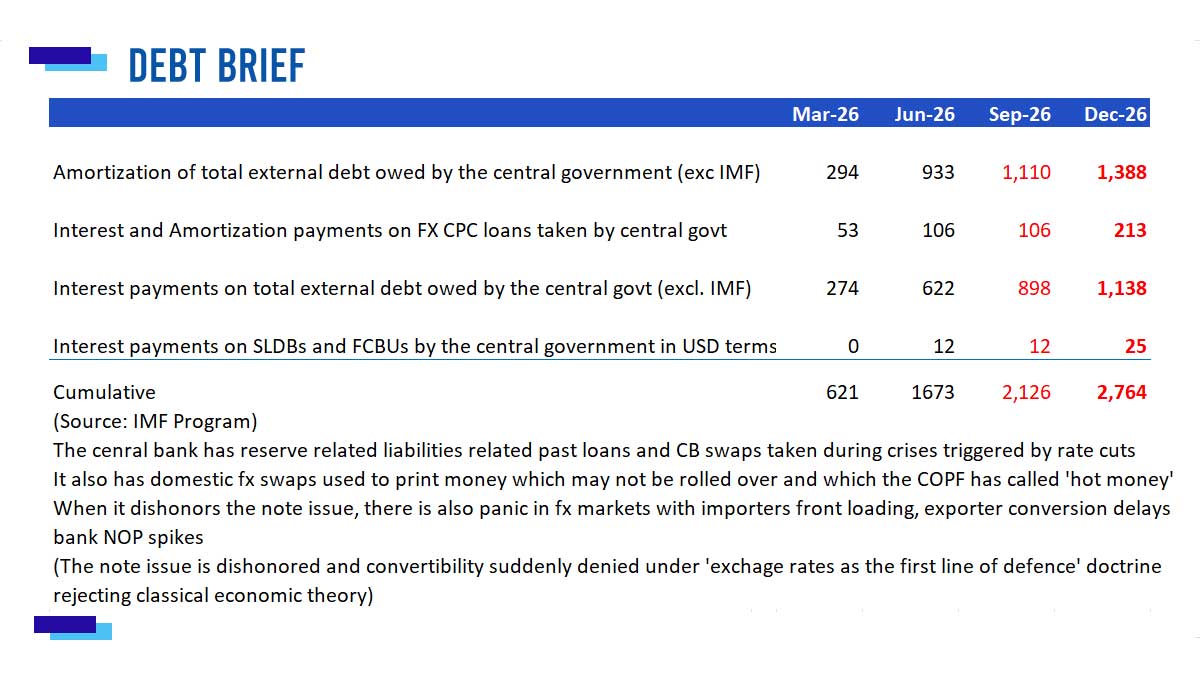
Despite triggering a default with a single policy rate style floor system (aggressive yield curve control) and back to back currency crises before that, the International Monetary Fund gave technical assistance to Sri Lanka for a single policy rate.
Very few countries have escaped the general corruption of operating frameworks seen after the Stiglitz-Bernanke reflation and post housing bubble quantity easing.
These include the Swiss National Bank, Sveriges Riksbank of Sweden which also has a strong historical record. Bundesbank is no longer in existence.












Comments
Be the first person to comment and join the debate