
Share your email and we'll share the latest news
Exclusive economic intelligence, political and business coverage
Friday, October 16 2026
Friday, October 16 2026
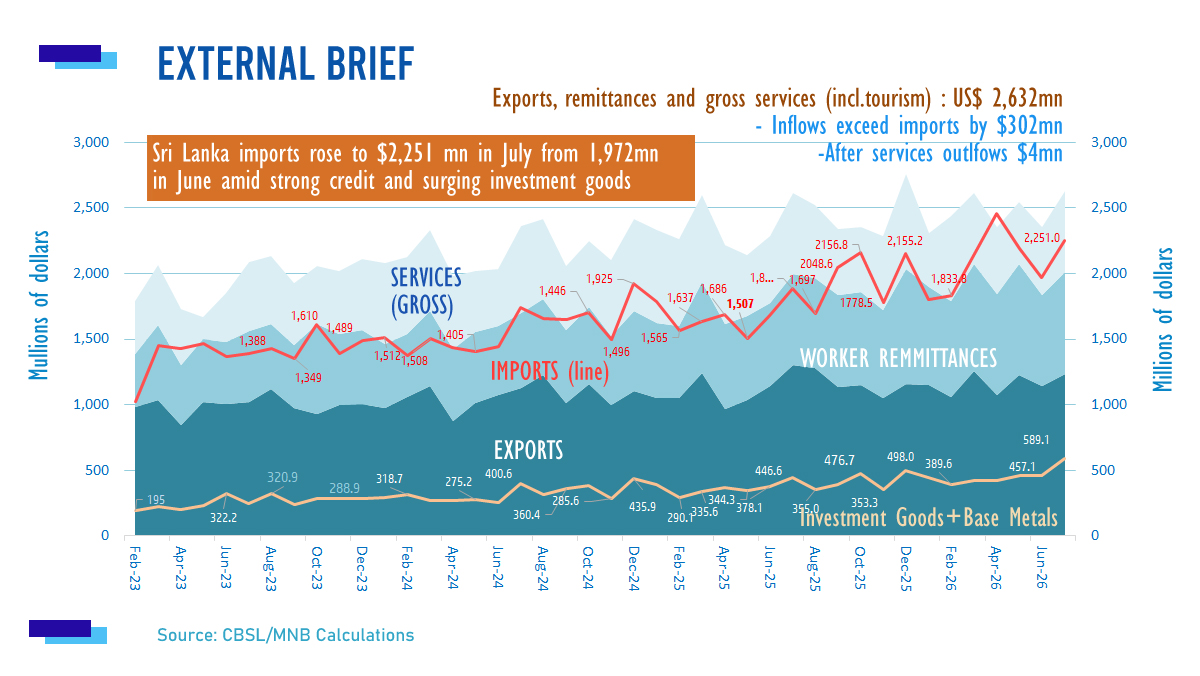
Imports of investment goods, typically driven by credit, surged to 510.5 million dollars in July at levels exceeding those of 2021.
Investment goods and base metals, rose to 589.1 million dollars in July, up from 457 million dollars in June. For several months, investment goods and base metals have been at 2021 crisis highs.
Sri Lanka in May put restrictions on private vehicle imports, which were falling steadily from December 2025 onwards.
After keeping excess liquidity high or printing money, Sri Lanka's central bank and the Treasury have a habit of reversing reform and imposing trade restrictions that started with the first external crisis created by the central bank in 1952.
Exports in July were 1,233 million dollars, up from 1,143 million in June, but down from last year's 1,302.2 million dollars by 5.3 percent.
Apparel fell 8.7 percent to 439.3 million dollars from a year earlier. Tea exports fell 17.2 percent to 116.7 million dollars.
Gross inflows from other services exports including tourism were 621 million dollars, up from 516 million in June, and around the same level as 618 million last year.
Worker remittances were 777 million dollars, up from 695 million a month earlier and 690 million last year.
Exports, gross services and remittances exceeded imports by 381 million US dollars.
After services imports, the balance was only 4 million US dollars.
Net services after outflows were 244 million dollars.
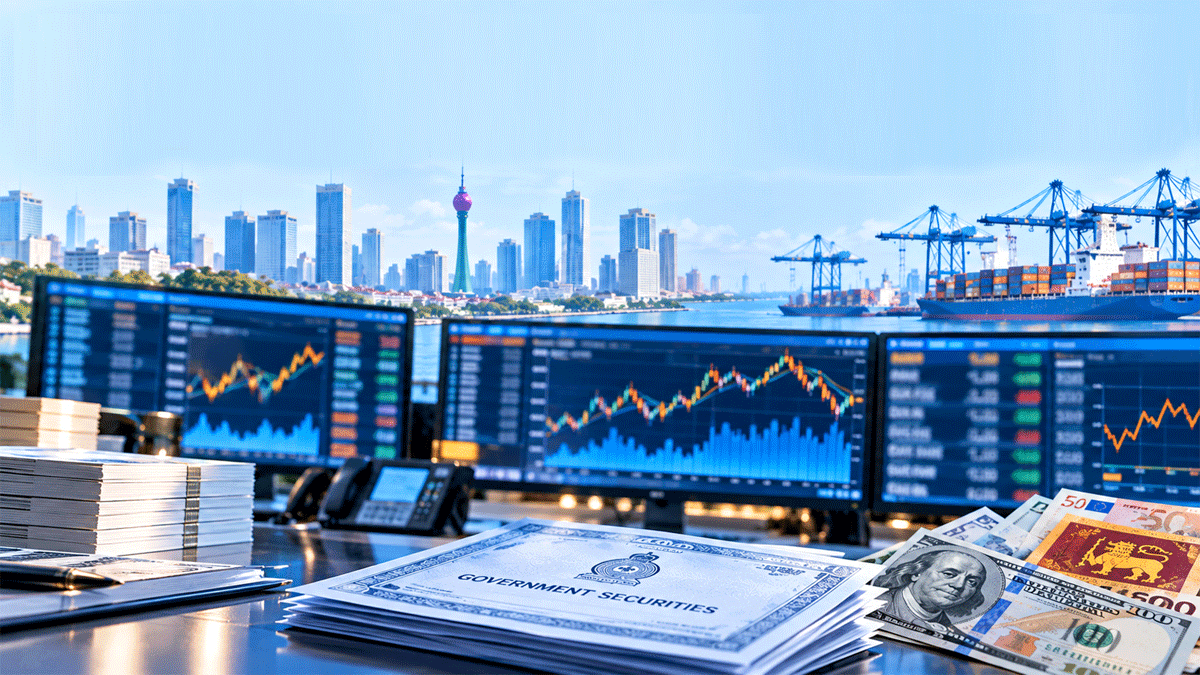
Sri Lanka has also received 159 million dollars into government securities markets.
When the central bank purchases the dollars with newly created money and does not kill them outright but keeps them in the banking system as overnight or term repo sterilized money until they are given as credit, imports will eventually come.
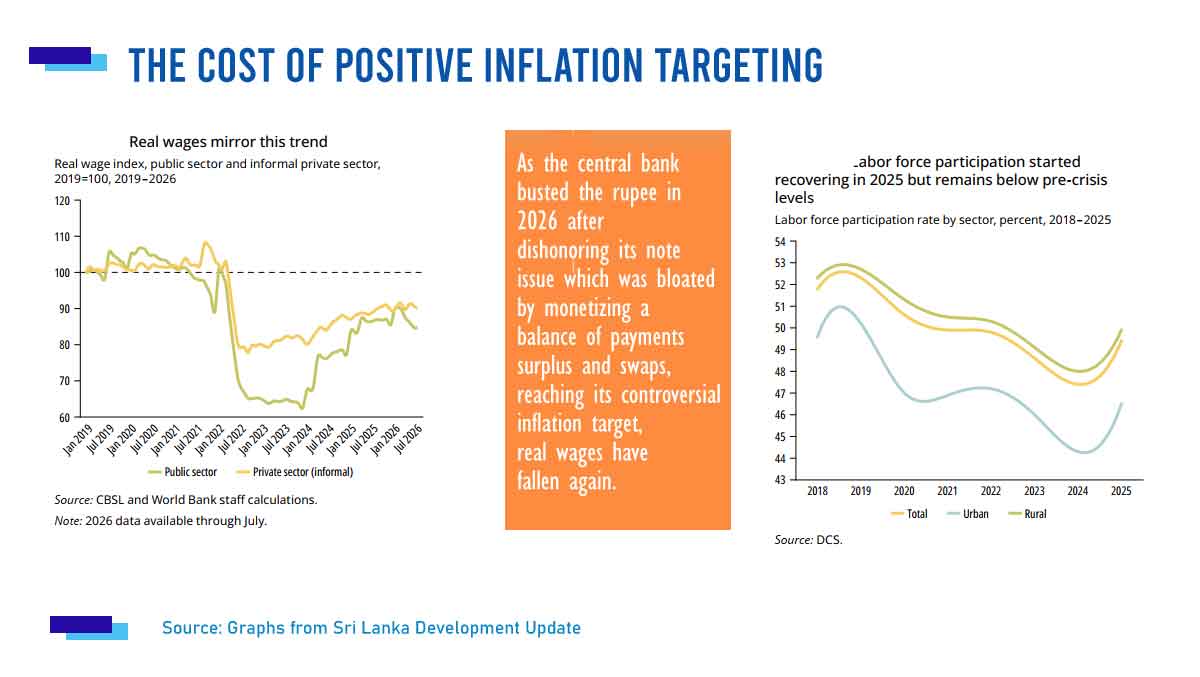
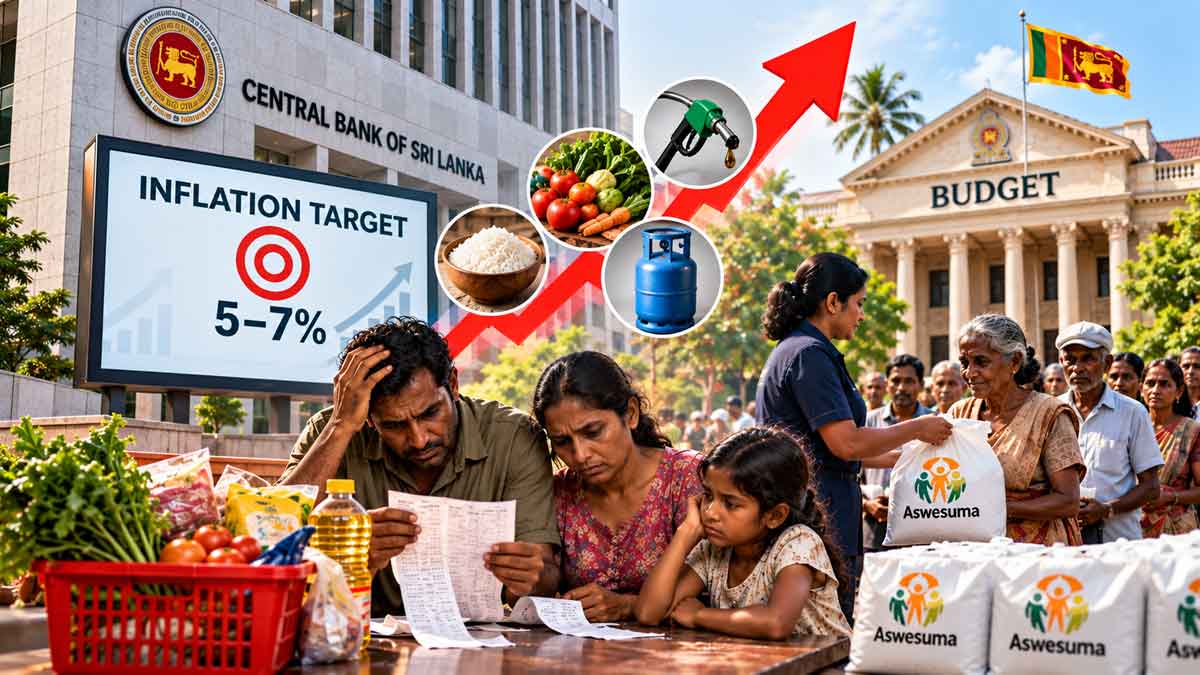
When the notes are dishonored under 'exchange rate as the first line of defence' the rupee can fall, putting further pressure on family disposable incomes, construction costs and the budget, which eventually backfires on democratically elected governments.
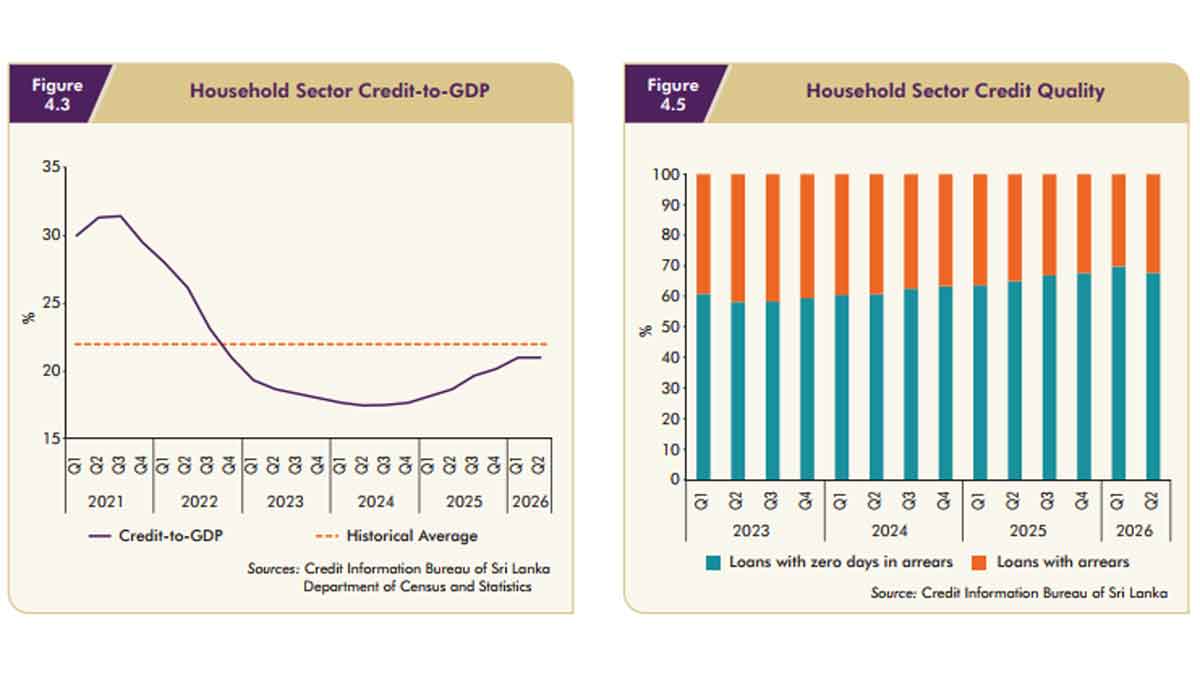
In June credit continued to grow at a blistering pace and there is excess liquidity to fire more credit.
Meanwhile the government is also financing capital projects including a highway with domestic money, which will also spur imports and eat into excess liquidity.
Two foreign banks, which were slow in giving credit and had 'private sector sterilized' liquidity helping safeguard reserves, have sold their retail units to local banks.
There is also a domestic fiscal buffer involving the Treasury, which leads to more pressure on the balance of payments if they it is used to manipulate rates, in a repeat of what has happened in recent years.
In the first currency crisis triggered by the central bank in 1952-3, authorities ran down a domestic buffer created by a currency board regime. Reserves continued to fall as money was printed to keep rates at a newly hiked level, nullifying any benefits from higher rates.
Though policy rates were hiked in May after also missing indicative reserve targets, excess liquidity has continued to climb and market rates have fallen.
There are calls to get the Treasury to purchase reserves, which can be done without creating money or bringing short-term rates down in a situation where it is known that the new notes will be dishonored when some kind of shock hits the credit system including credit growth. (Colombo/Sept01/2026)

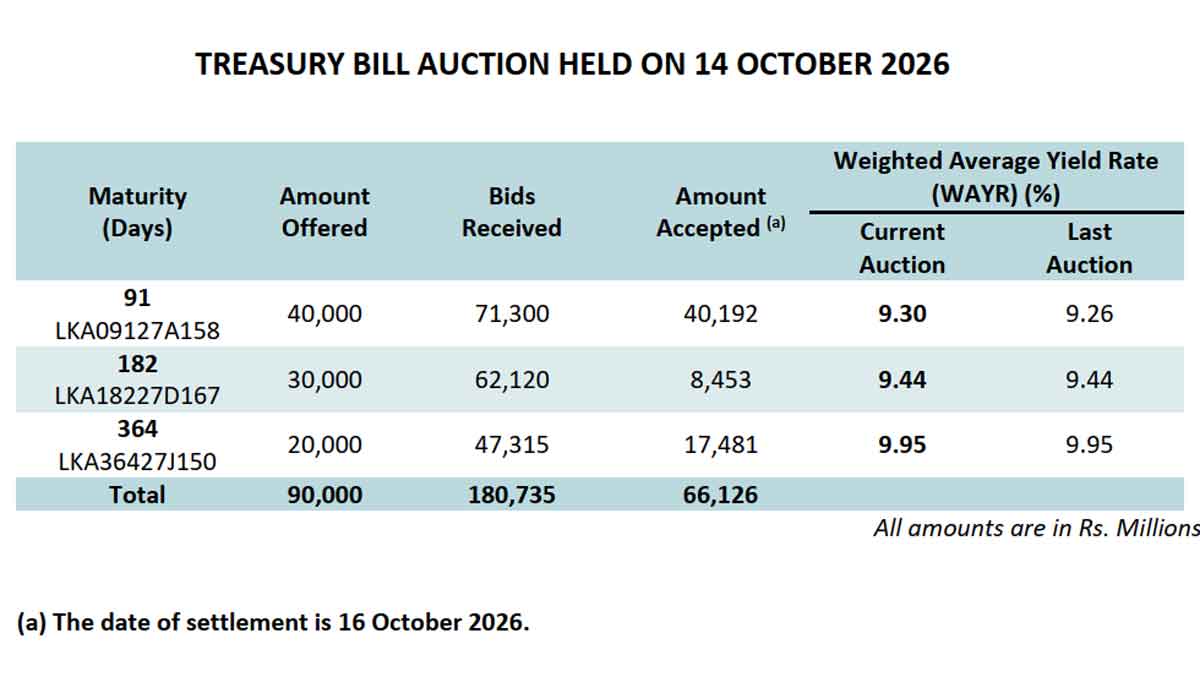
| 3 month bill | 9.26% | 1bp ▲ |
| 12-m bill | 9.95% | 2bp - |
| Gold (Ounce) | $4187 | - ▼ |











Comments
Be the first person to comment and join the debate