
Share your email and we'll share the latest news
Exclusive economic intelligence, political and business coverage
Wednesday, September 23 2026
Wednesday, September 23 2026
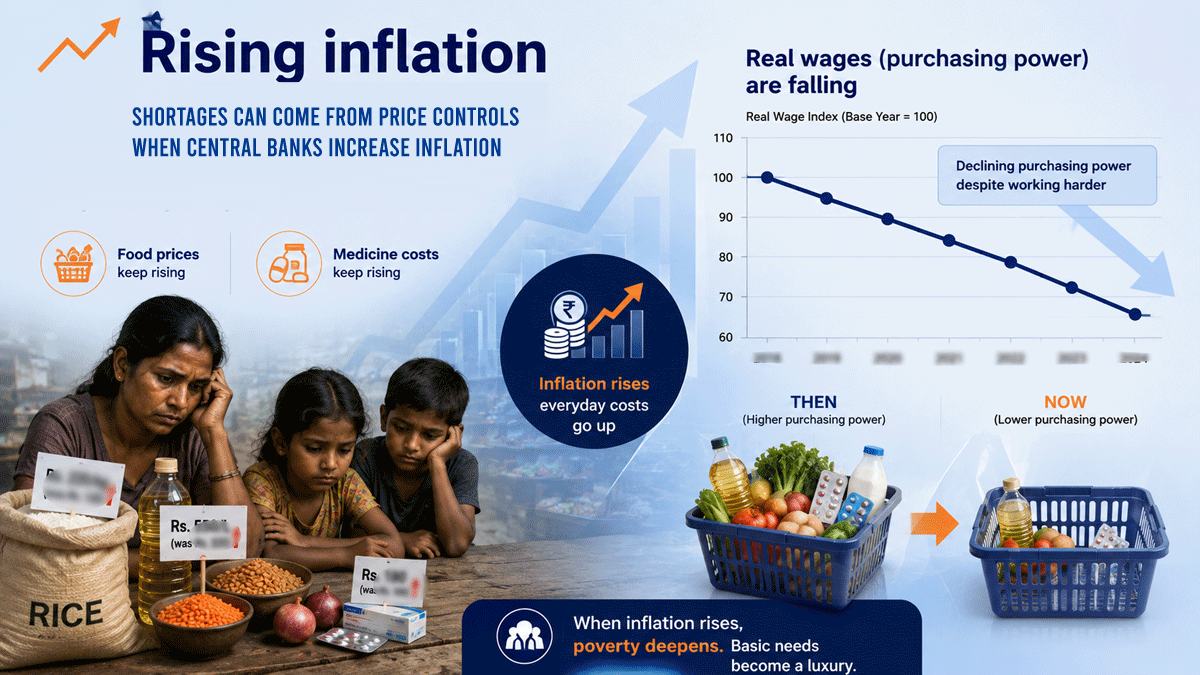
MONETABRIEF – Sri Lanka's Hemas Holdings Plc, which has interests in fast moving consumer goods and healthcare said rising inflation has hit consumption as some prices were raised with costs rising.
Sri Lanka's central bank busted the rupee in the first quarter of 2026 claiming that there was an external shock as oil prices rose, ending two year of monetary stability while Pakistan appreciated and the Maldives (pegged to the US dollar), Nepal (Indian Rupee), Bhutan (Indian rupee) remained rock solid.
The Indian rupee also fell and the Reserve Bank of india urged foreign dollar deposits, as the Sri Lanka's central bank did in 2020 in the run up to the first external sovereign default.
"The quarter was shaped by heightened geopolitical uncertainty following the escalation of conflict in the Middle East," Hemas Holdings told shareholders in the quarterly review.
"This resulted in sharp increases in fuel, petroleum-based raw materials, freight and insurance costs."
The rupee depreciated 8 percent over the quarter, Hemas said. Over the year the rupee had collapsed from 300 to 335 to the US dollar.
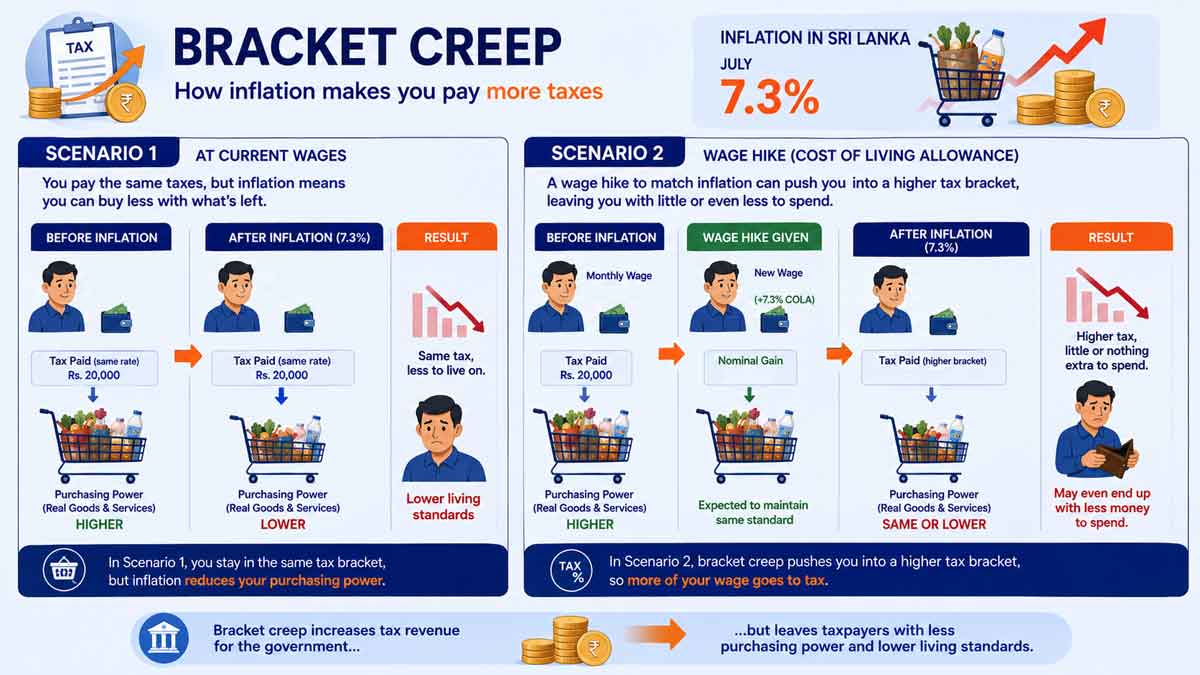
"Average inflation of 5.9 percent, reaching 6.8 percent in June, also moderated consumption growth and increased direct and indirect operating costs," Hemas said.
"In selected Consumer Brands categories, price increases were implemented selectively to protect volumes where cost pressures were expected to be temporary, resulting in the Group absorbing part of the increase during the quarter."
Price controls had also prevented drug prices from being adjusted forcing the firm to absorb costs, Hemas said.
The central bank after the busting the rupee which the parliament has entrusted it to produce as a monopoly as oil prices rose (negative external shock) has since prevented an appreciation as foreign investors piled into rupee bonds (positive external shock).
Since its created the central bank has busted the rupee from 4.7 to the US dollar to 335 with aggressive inflationism seen since 2015 with money printed to target potential output and 'guide interest rates along the desired path'.
By July inflation has topped its 7 percent target (for one month), and is also above the 6.5 percent level in the IMF program. Interest rates have been corrected with a 100 basis point rate hike but the rupee remains debased.
There are calls to slash its self-negotiated 7 percent inflation target as a way from blocking the central banks ability to trigger monetary instability, higher prices, reduced demand, and destruction of savings and pensions funds denominated in rupees.
Hemas said its dollar borrowings had triggered a forex loss. Unlike domestic capital, dollar denominated capital (and borrowings) retain their value, and higher domestic prices are needed to generate cash to repay them. (Colombo/Aug07/2026

| 3 month bill | 9.22% | 22bp ▼ |
| 12-m bill | 9.91% | 10bp ▼ |
| Gold (Ounce) | $4602 | - - |














Comments
Be the first person to comment and join the debate