
Share your email and we'll share the latest news
Exclusive economic intelligence, political and business coverage
Friday, October 16 2026
Friday, October 16 2026
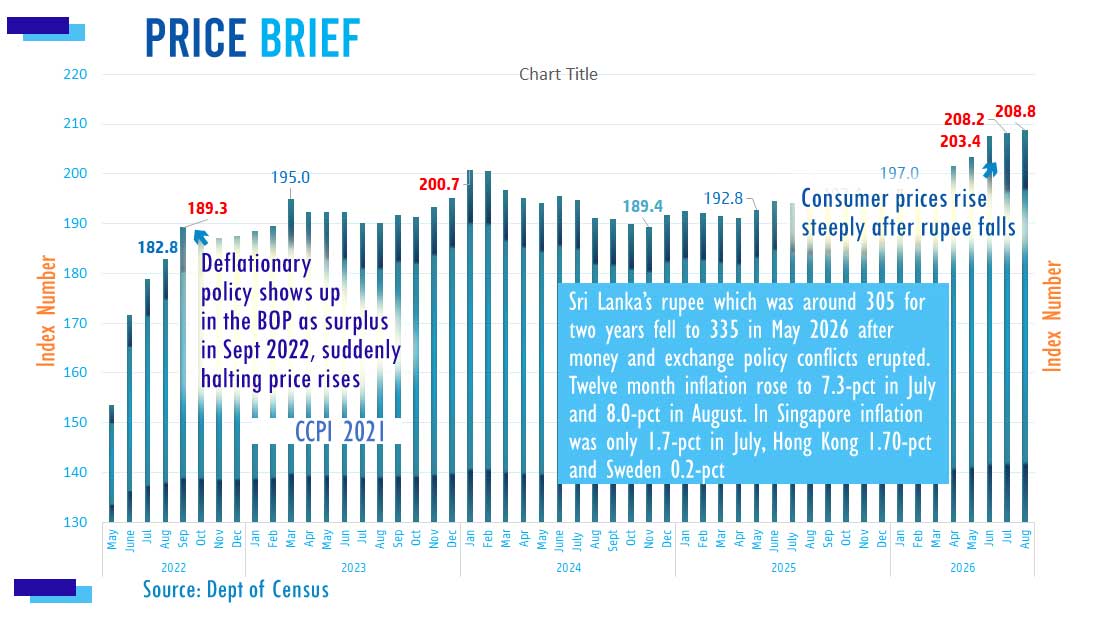
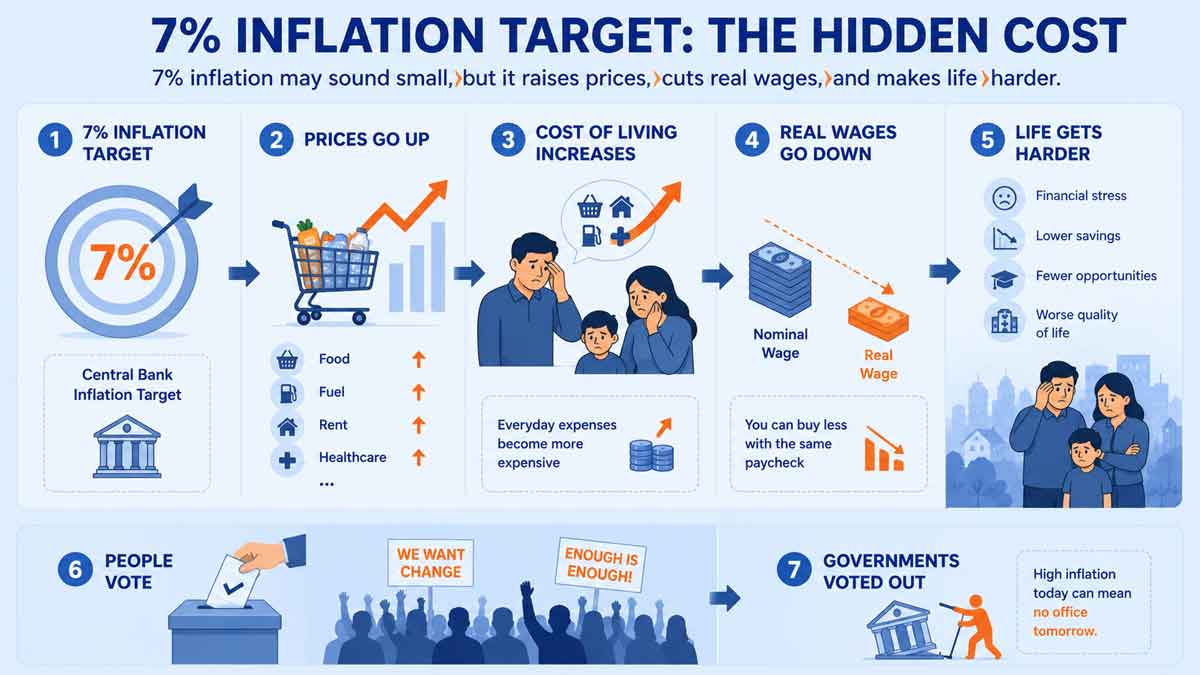
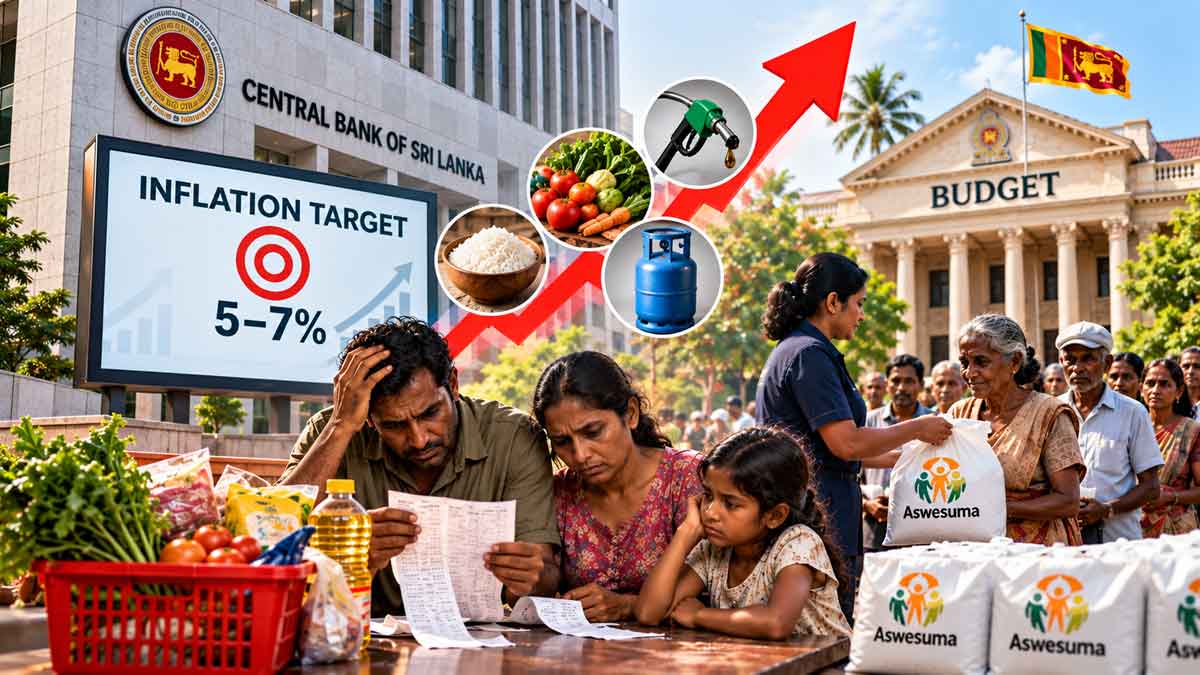
MONETABRIEF – Sri Lanka's consumer inflation rose 8.0 percent in the 12-months to August, up from 7.2 percent a month earlier, soaring above the controversial 5-7 percent target of the central bank.
Sri Lanka's rupee collapsed from March 2026 as the central bank denied convertibility (dishonored its own note issue) as some extra import demand came for oil, triggering a speculative panic in forex markets and killing a spot market.
Though the agency was quick to depreciate the currency on an alleged 'negative' external shock to the rupee, it had not been as eager to appreciate the rupee on 'positive' shock to the rupee as foreign investors bought into bonds.
Another 'positive' shock to the rupee in the form of a private credit slowdown after Ditwah also resisted purchasing 600 million dollars to build up excess liquidity, to keep the rupee depreciating at 309 to the US dollar in January and February.
The excess liquidity was dishonored when some additional import demand came from the Middle East war.
Currency depreciation pushes up all traded goods, including exports. Non-traded goods may rise at a slower rate. If there is excess liquidity such prices are 'accommodated'.
Sri Lanka is one of the worst-performing central banks in the world in 2026 with its high inflation. The rise in inflation has revived cost-pushed diesel inflation fallacies seen in 2004. But Kong Kong which had 1.7 percent inflation also saw similar rise in diesel prices but no panic in forex markets.
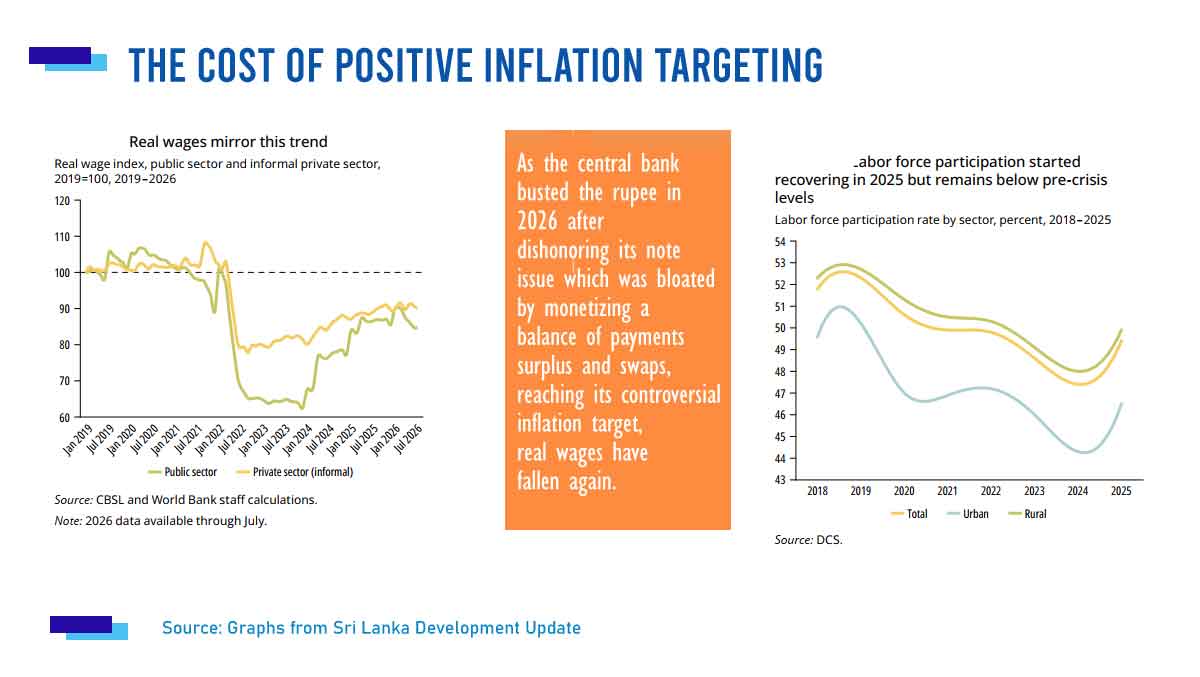
There is no accountability for the damage caused to people by monetary debasement and inflation.
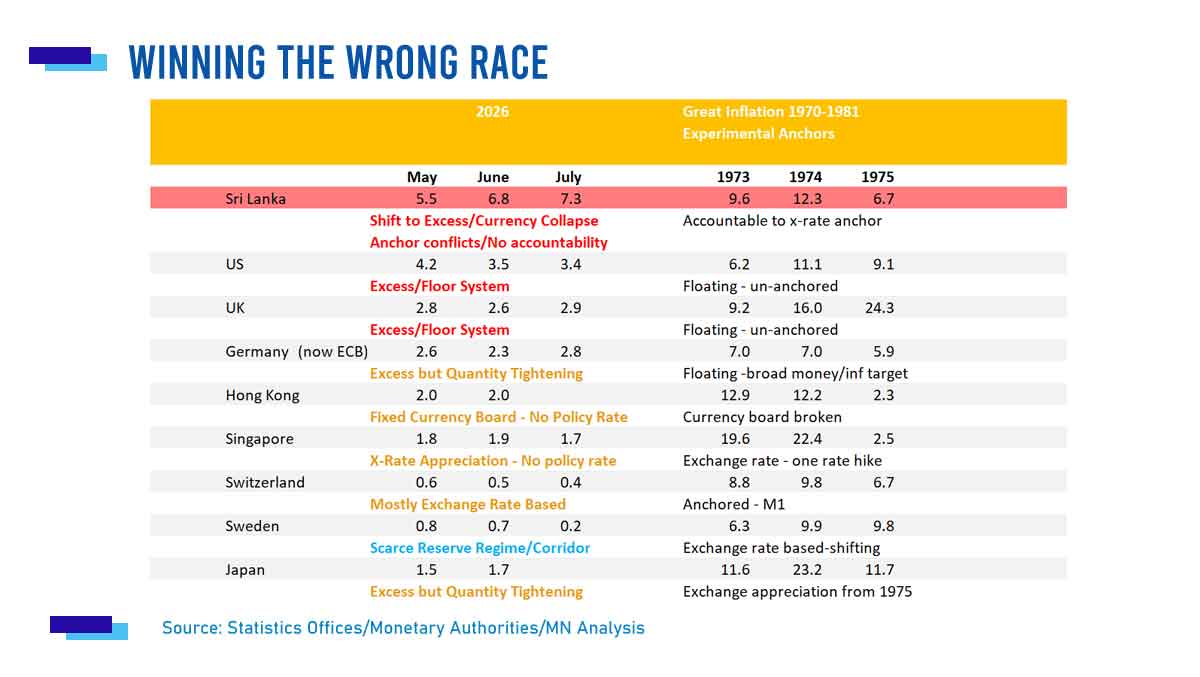
The agency however has to have a 'monetary policy consultation' with the International Monetary Fund program and board level discussion if inflation breaches 6.5 percent.
The 8.0 percent inflation comes as victims are fighting to restrain the inflation biased agency and trim its 5-7 percent inflation target.
Under the 5-7 percent target, monetary risks are taken with high levels of excess liquidity created through fx buy-sell swaps and dollar purchases, which the agency has no intention of honoring in any kind of import or capital outflow shock.
Analysts have pointed out that the IMF program from early 2026 dropped the main restraint on the central bank inflationary policy that came from a requirement to sell down its domestic assets stock in the form a ceiling on net credit to government.
A sell down of central bank domestic assets is deflationary and triggers a balance of payments surplus by taking away new rupees created in dollar purchases permanently and locking up reserves. (Colombo/Aug31/2026)

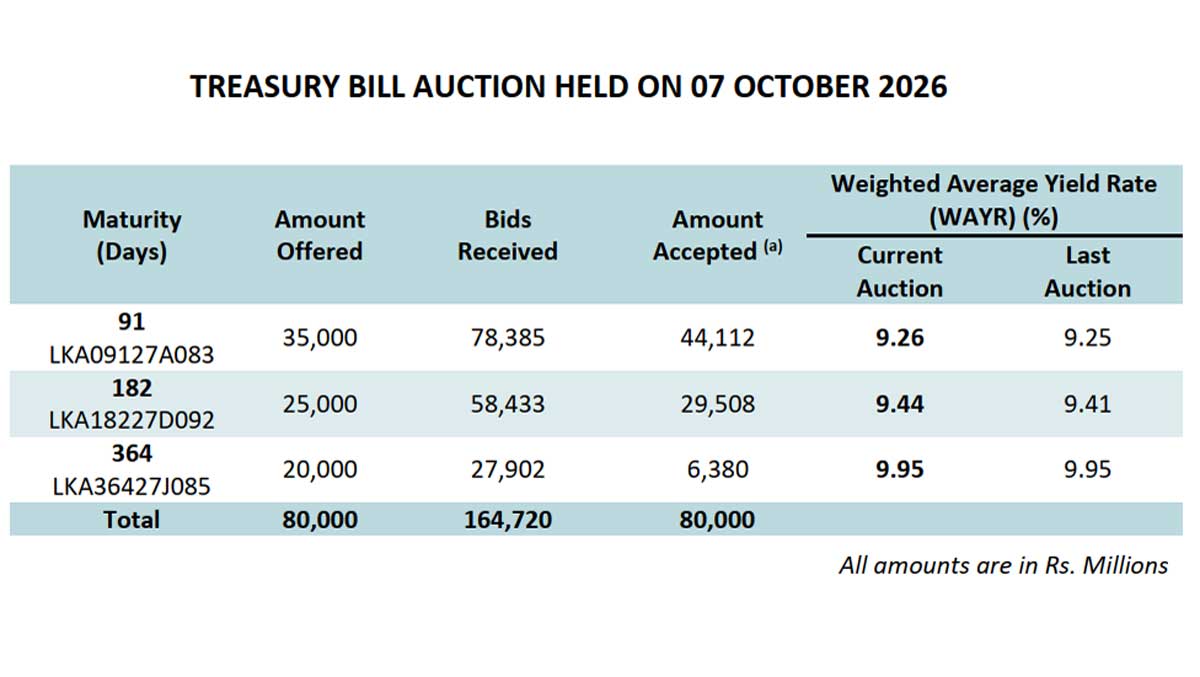
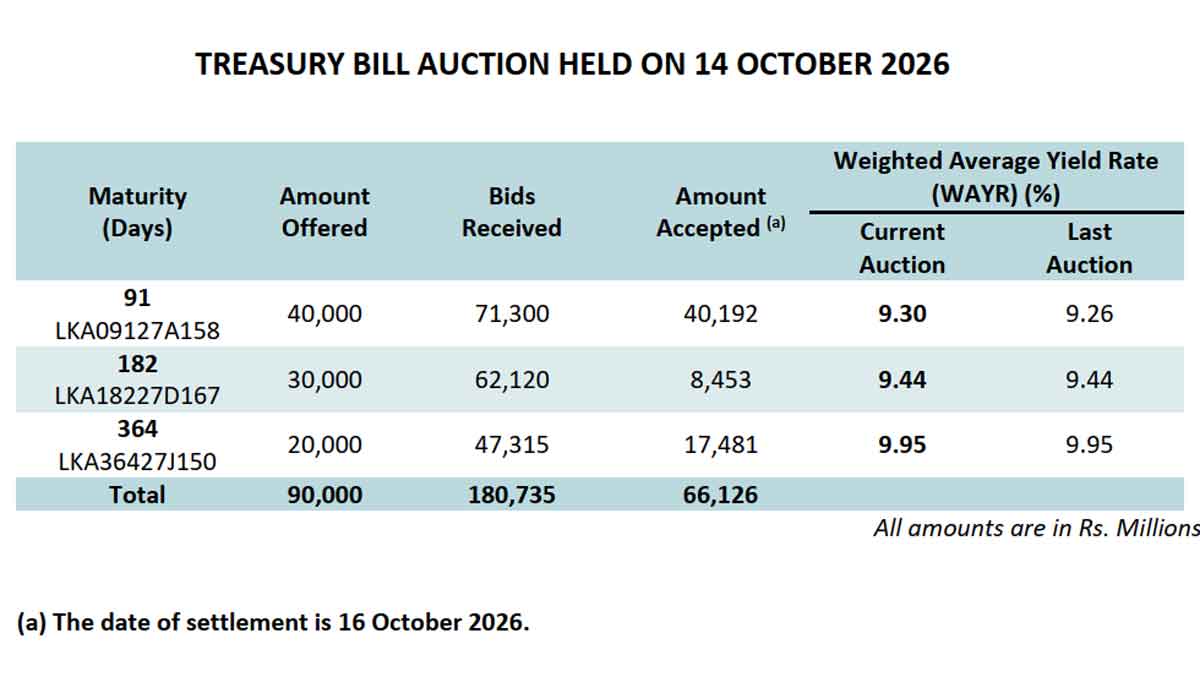
| 3 month bill | 9.26% | 1bp ▲ |
| 12-m bill | 9.95% | 2bp - |
| Gold (Ounce) | $4187 | - ▼ |














Comments
Be the first person to comment and join the debate