
Share your email and we'll share the latest news
Exclusive economic intelligence, political and business coverage
Saturday, October 10 2026
Saturday, October 10 2026
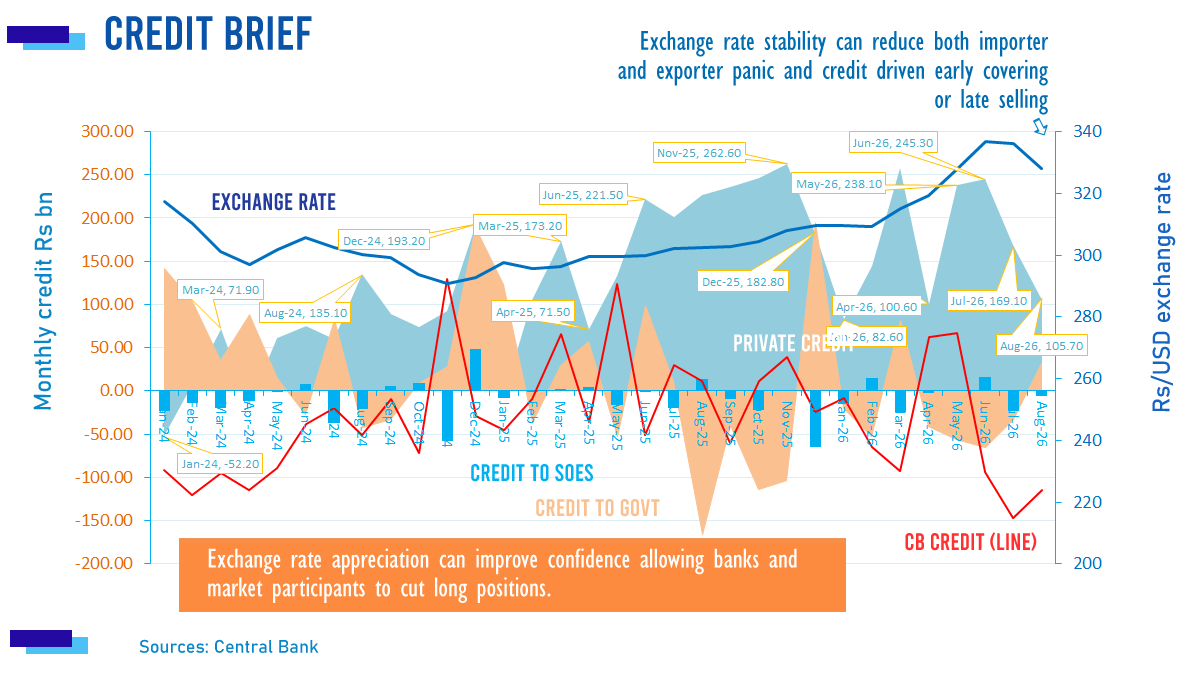
MONETABRIEF – Sri Lanka's private credit growth eased to 105.6 billion rupees, in August 2026 from 169.1 billion rupees in July as the central bank also bought record 590 billion rupees from forex markets, only allowing a marginal appreciation of the rupee.
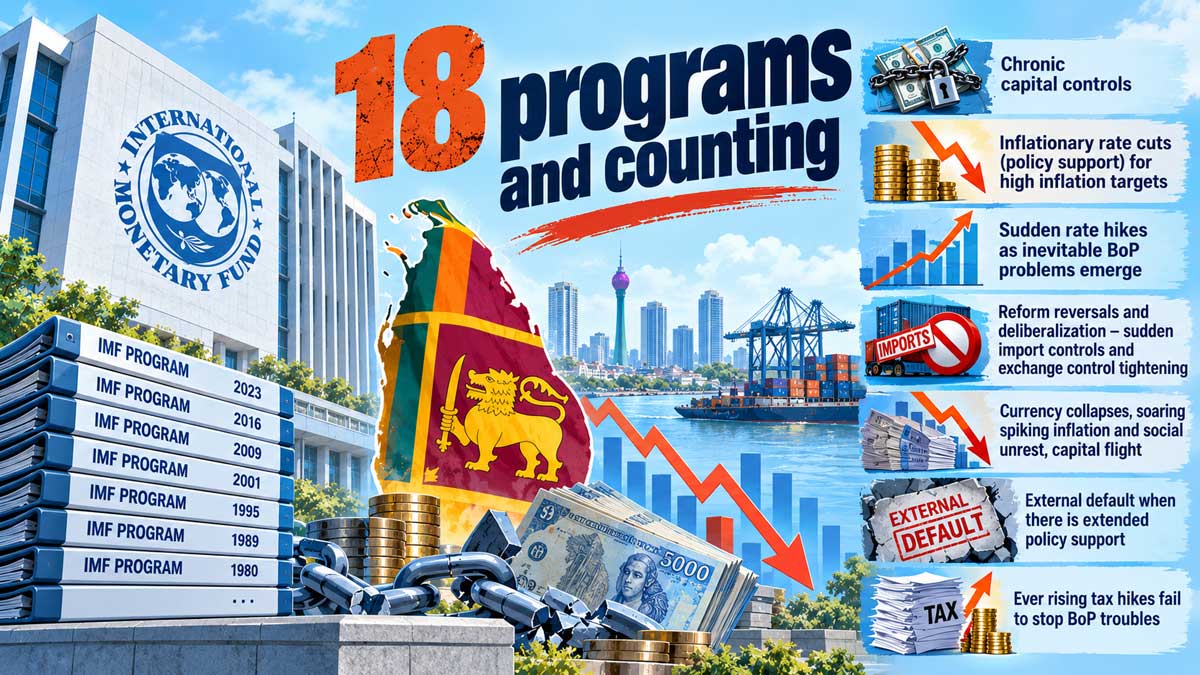
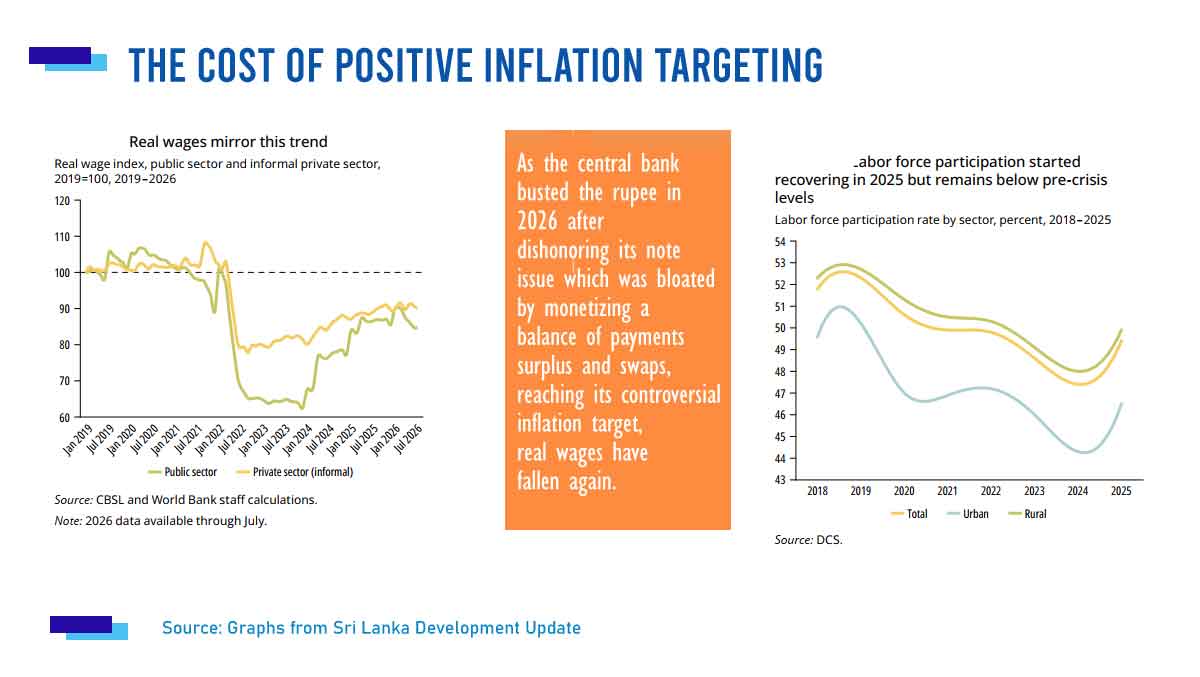
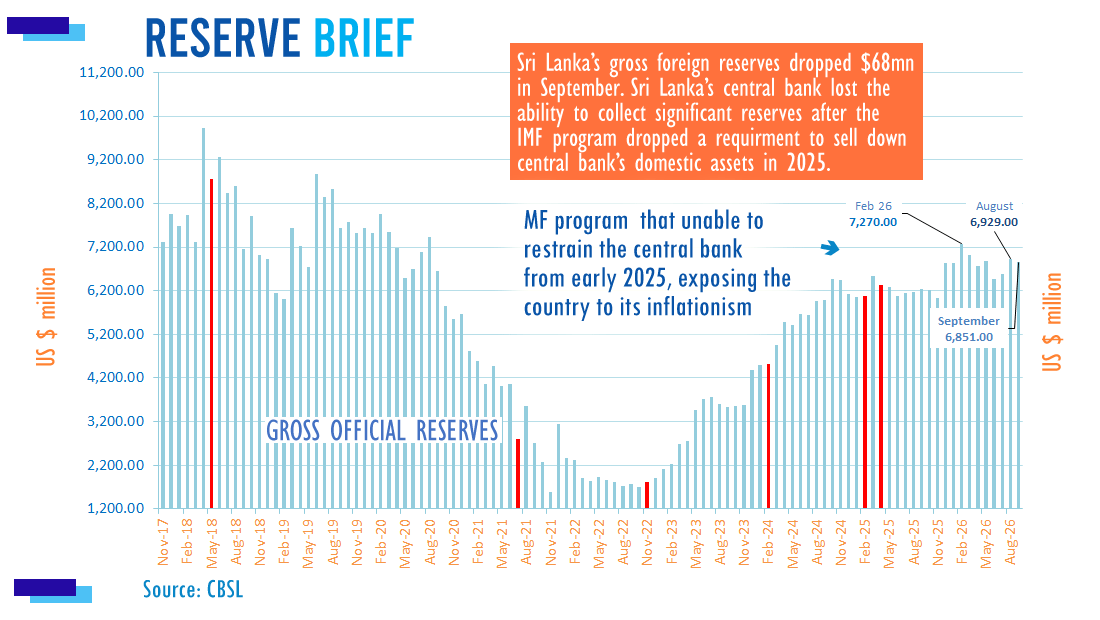
Sri Lanka's central bank kept rates down after cutting them in 2025 with a combination of signalling, printing money through dollar rupee swaps and monetizing a balance of payments surplus that came after cyclone Ditwah.
In May and June in particular, credit surged as the note issue was dishonored under 'flexible exchange rate' triggering panic in forex market and promoting speculation with excess liquidity driven credit and moral suasion came in.
Rates were hiked on May 25, after moral suasion was stopped on May 22, and spot market started to work.
As confidence comes back, exporters may sell, unwinding packing credit and importers will also stop covering early or stop as they have already done so. They will begin to run open positions again as the rupee is allowed to appreciate.
The deadly volatility shows the deadly nature of the discretionary powers (violating the rule of law) a state agency gets through flexible policies to harm the commonweal, analysts say.
Though the problem is with discretionary policies which amplify external shocks through deeply flawed operating framework that is not robust or violates classical economics but the agency escapes accountability.
The central bank also injected liquidity through buy-sell swaps even as the Middle East crisis built up and later blamed the currency collapse and the resulting inflation on an external shock, though the rate hike showed that the causes were elsewhere.
Credit to state enterprises fell 6.2 billion rupees. The government market priced fuel, eliminating the need to borrow to fund losses and also gave subsidies.
Meanwhile, credit to government barely rose by 31 billion rupees in August, after falling 32 billion rupees in the previous month.
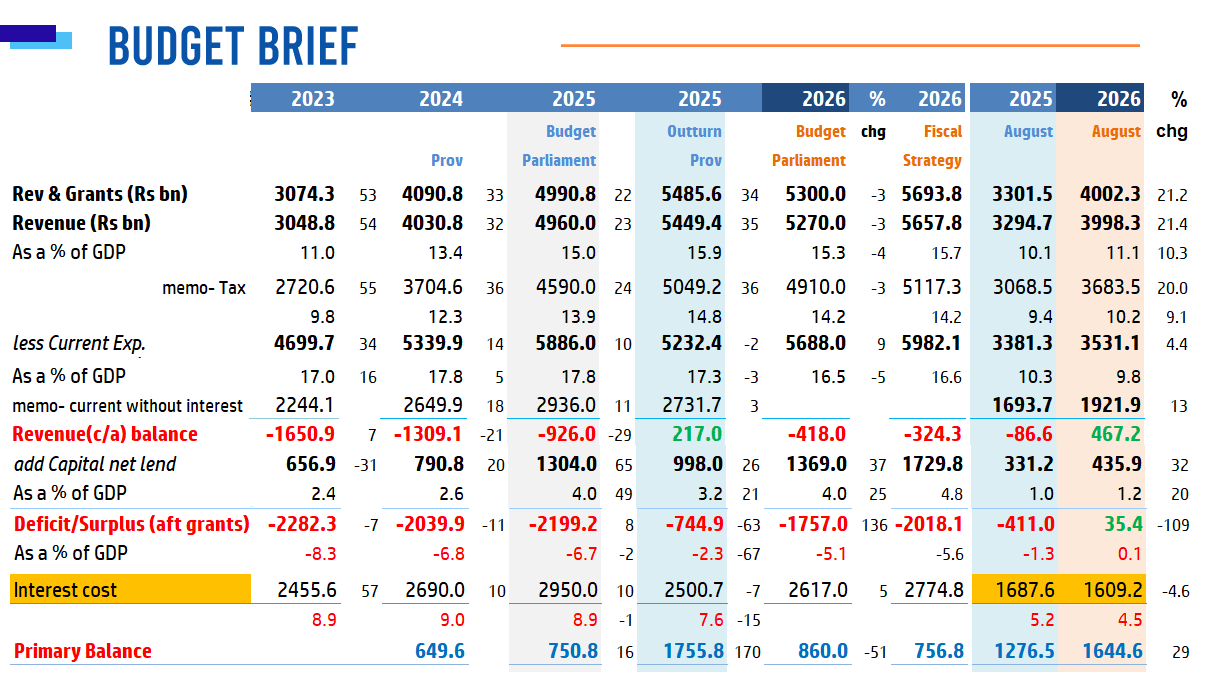
In the first half of 2026, the government ran a budget surplus. There was also a surplus up to August.
However, the central bank busted the rupee, expanding foreign debt, which is not immediately seen in the budget which means more cashflow will be needed to settle installments and interest, which is a budget item.
Capex costs have also gone up from the inflation and depreciation. (Colombo/Oct10/2026)

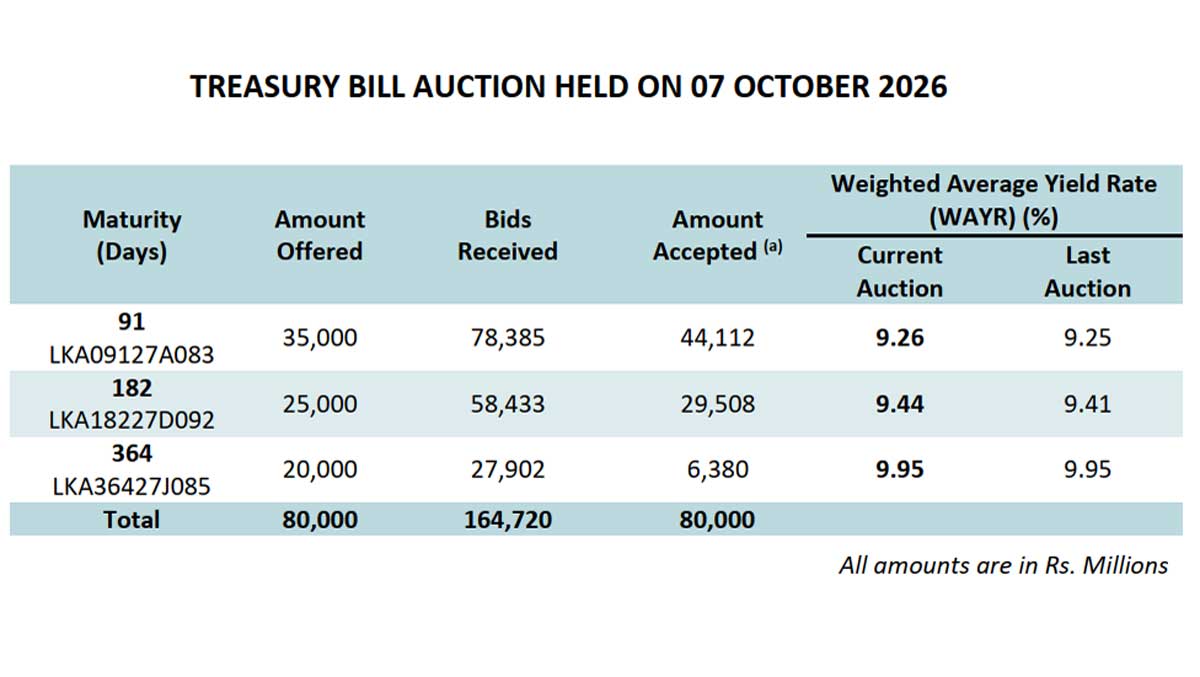
| 3 month bill | 9.25% | 5bp ▲ |
| 12-m bill | 9.95% | 2bp ▲ |
| Gold (Ounce) | $4602 | - - |









Comments
Be the first person to comment and join the debate