
Share your email and we'll share the latest news
Exclusive economic intelligence, political and business coverage
Sunday, October 4 2026
Sunday, October 4 2026
The funds include interest, he told MonetaBrief.
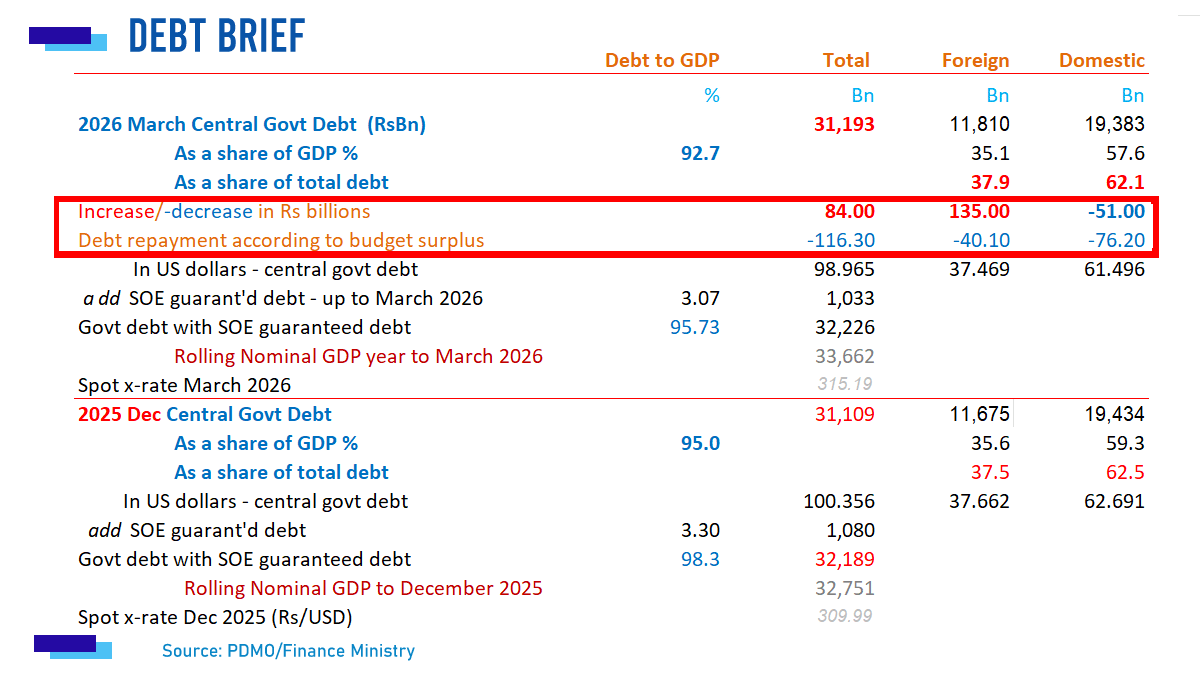
The last published International Monetary Fund documents show that Sri Lanka had to settle 2,754 million dollars in dollar debt, including 213 million dollars on restructured debt of the Ceylon Petroleum Corporation.
The Public Debt Management Office told the Committee of Public Finance in parliament that external debt service in 2026 was around 2.5 billion dollars, perhaps excluding CPC related and borrowings from FCBUs.
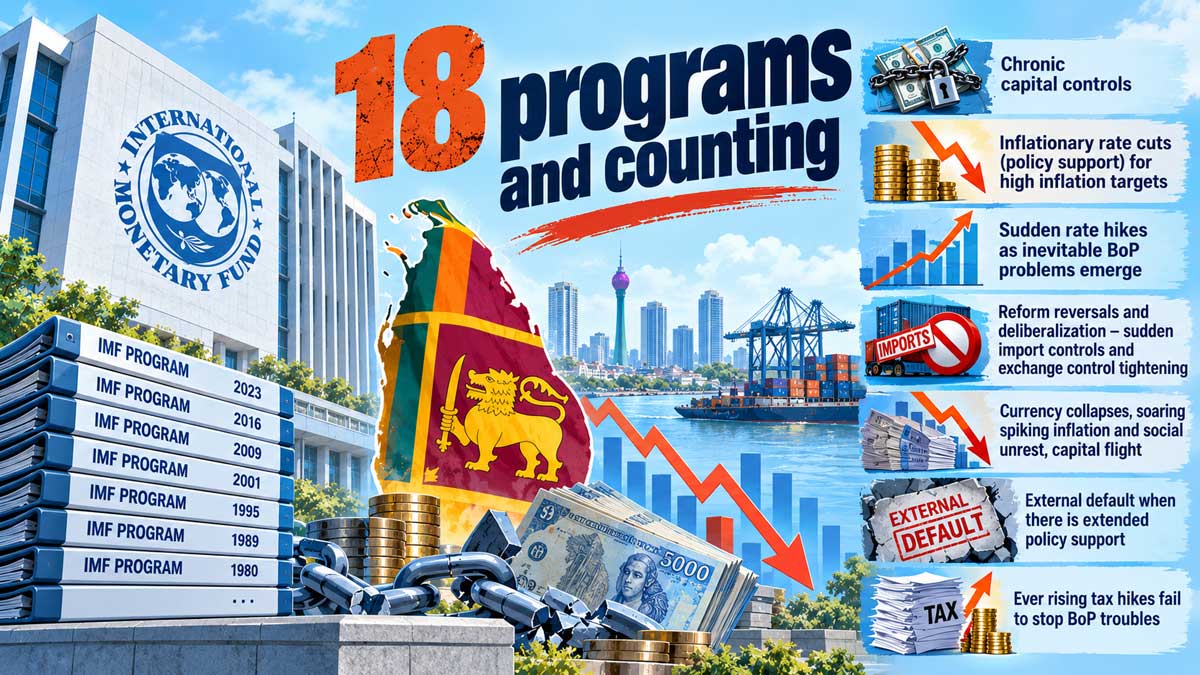
The central bank has separately borrowed dollars from the International Monetary Fund during crises created by past rate cuts (guiding interest rates along the desired path), and also from India which it has been settling.
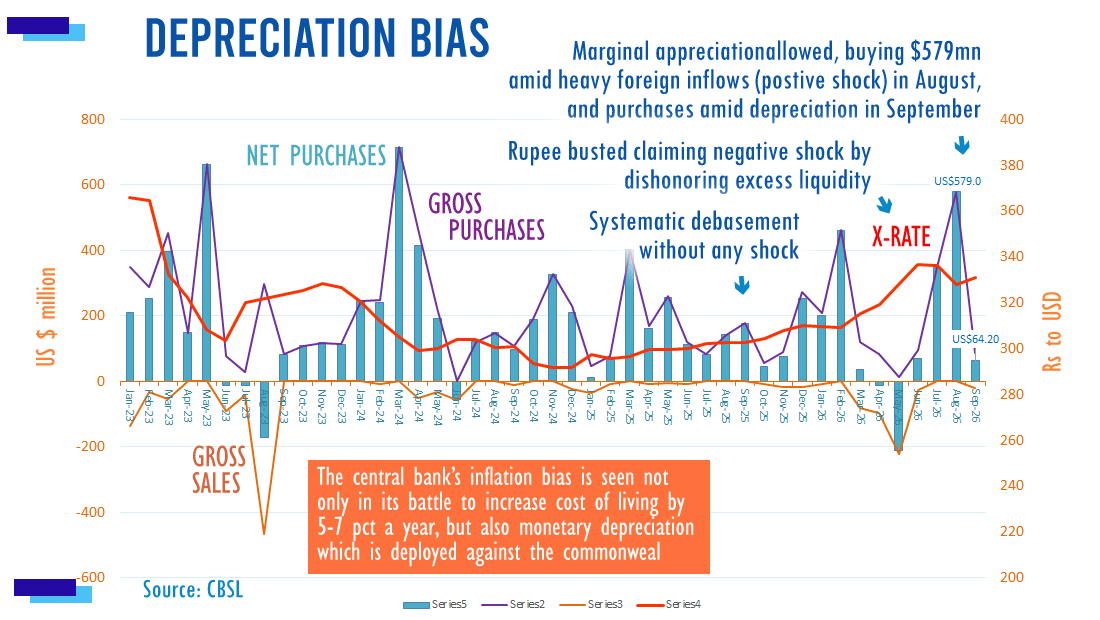
Separately has taken dollars from banks through buy-sell fx swaps, giving them printed money to artificially boost imports unrelated to actual dollar inflows.
If the central bank transparently borrowed the dollars from banks instead of engaging in buy-sell swaps and creating money, it could retain the reserves without increasing imports and refusing to return the dollars and putting pressure on the exchange rate.
When the central bank refuses to return dollars for the money it prints either through swaps or outright dollar purchases (dishonors the note issue) the exchange rate depreciates, sowing panic in forex markets.
The panic sowed by dishonoring through exchange rate as the first line of defence, then leads to importer front loading, exporter conversion delays, bank NOP spikes (long positions) and capital flight.
Macro-economists then blame external shocks, speculation or capital flight to escape accountability, analysts have pointed out.
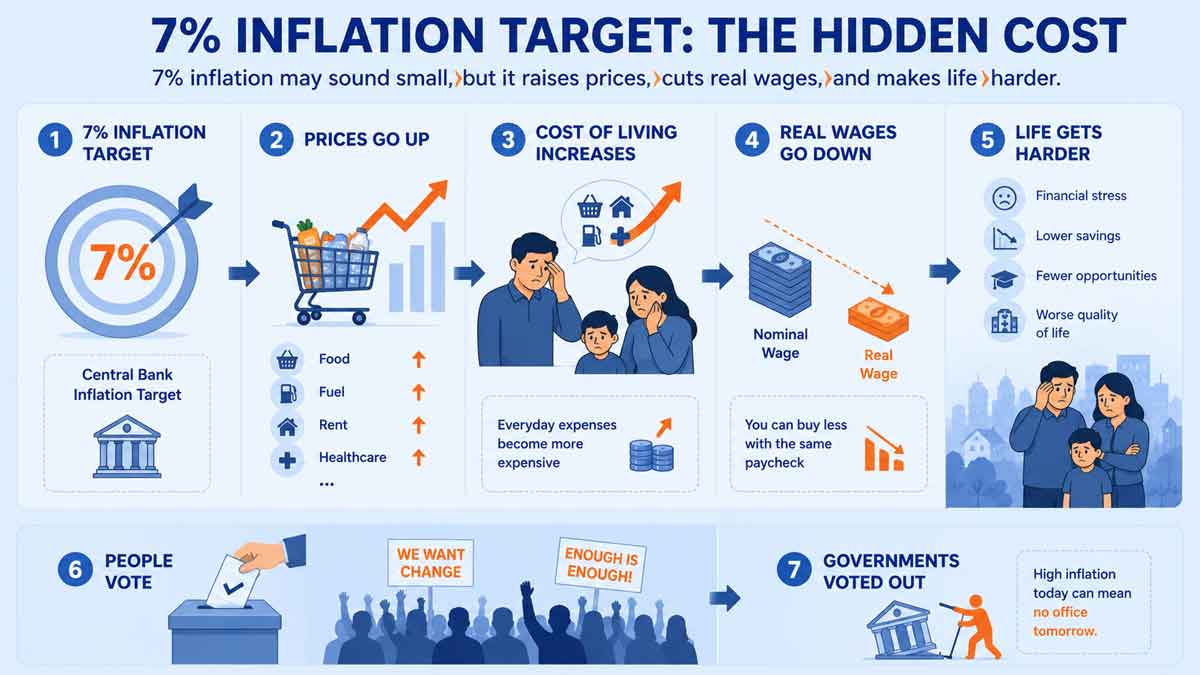
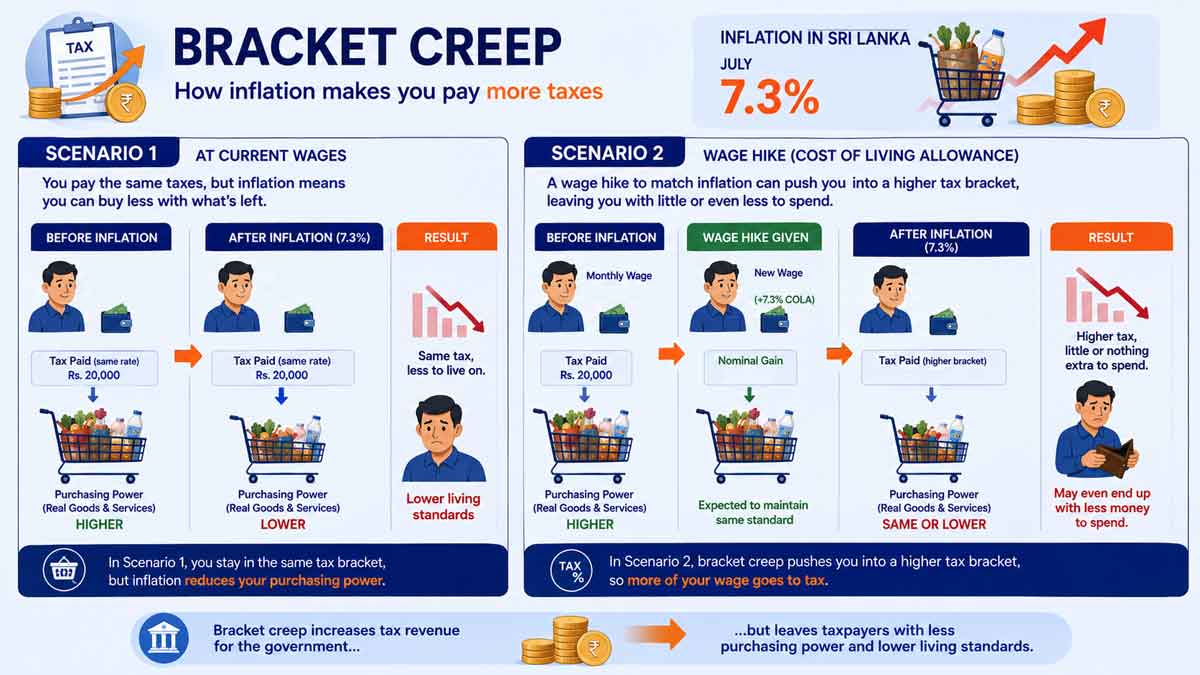
As inflation soars from debasement, politicians are held accountable by the public, trade and exchange controls are tightened, reversing economic reforms.
Excess liquidity is once again building up in forex markets, as foreign investors buy rupee bonds, exporters convert, bank cut NOPs (and go short) and importers delay payments as forward premiums shrink. (Colombo/Aug20/2026)

| 3 month bill | 9.25% | 5bp ▲ |
| 12-m bill | 9.95% | 2bp ▲ |
| Gold (Ounce) | $4602 | - - |












Comments
Be the first person to comment and join the debate