
Share your email and we'll share the latest news
Exclusive economic intelligence, political and business coverage
Tuesday, September 22 2026
Tuesday, September 22 2026
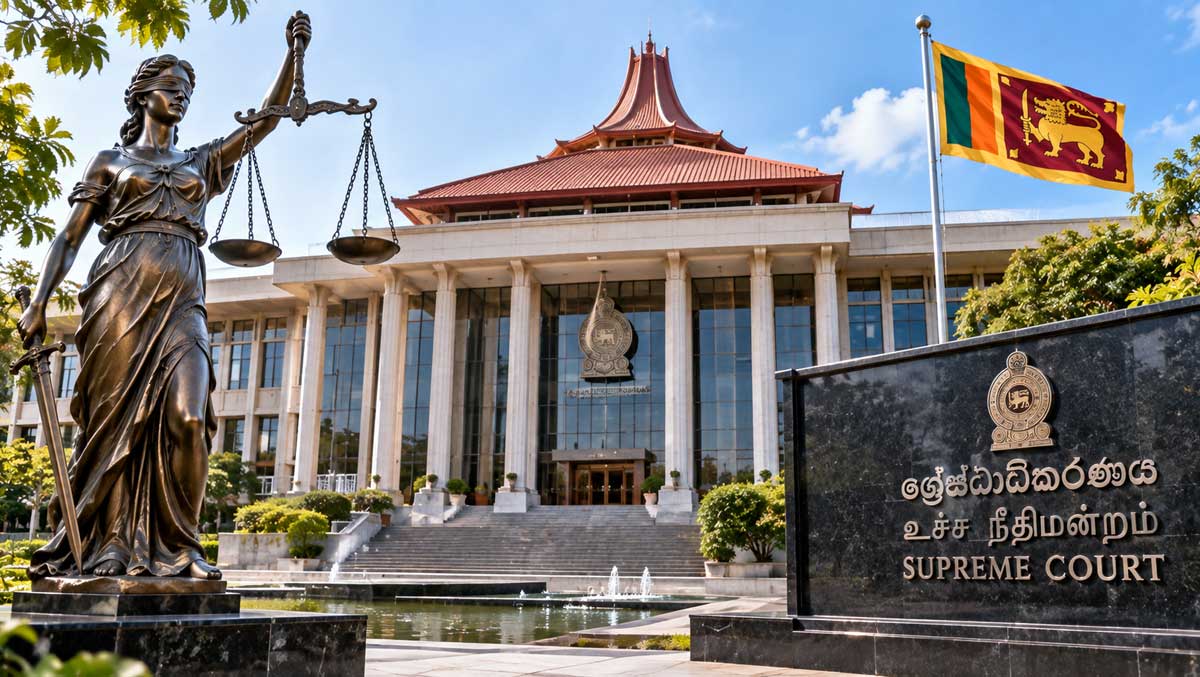
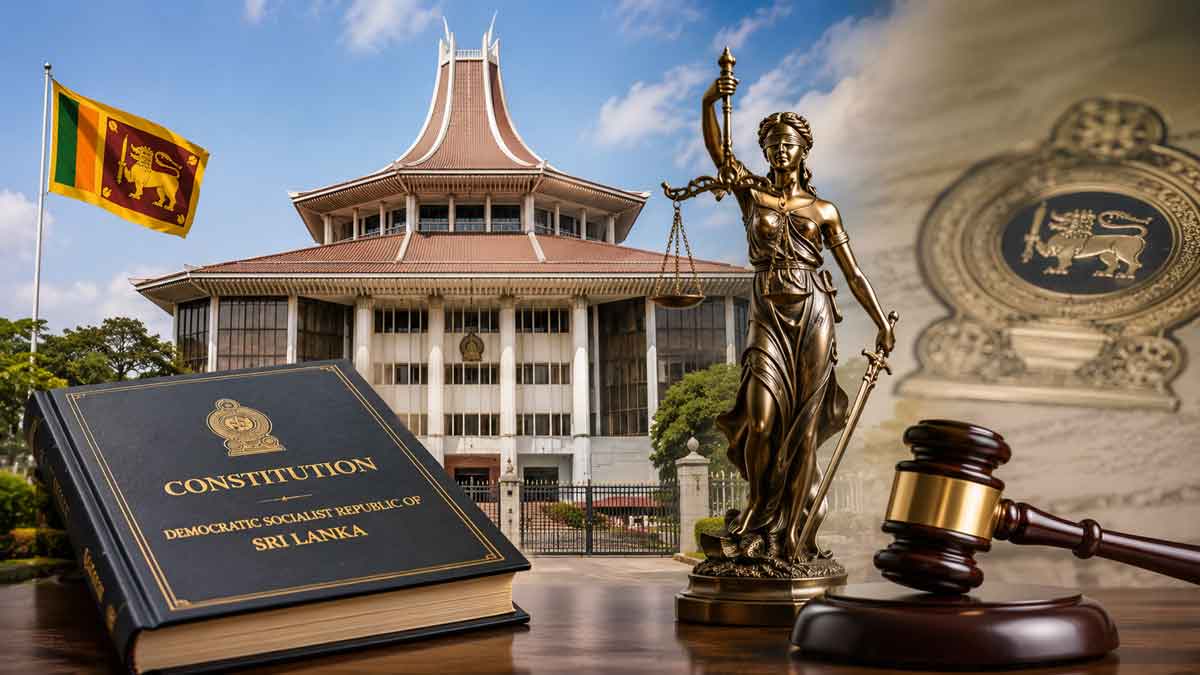
MONETABRIEF: Sri Lanka’s Supreme Court has ruled that a provision seeking to make it more difficult for suspects charged under the Anti-Corruption Act to obtain bail can become law only if approved at a referendum.
A three-judge bench, headed by Justice Shiran Gooneratne, determined that the Anti-Corruption Amendment Bill is largely consistent with the Constitution. The determination concerns Clause 17, which seeks to amend the bail regime applicable to certain bribery and corruption offences.
Under the proposed provision, suspects accused of soliciting, accepting or offering a bribe above the prescribed threshold, or of causing a specified financial loss to the Government or obtaining a specified benefit, would be denied bail except in exceptional circumstances.
However, bail in such cases could be granted only by the High Court. The provision would remove the power currently available to a Magistrate to consider whether an accused person should be released on bail when first produced before court.
Opposition legislator Namal Rajapaksa is currently in remand custody under Section 149 of the Anti-Corruption Act, which the Government seeks to amend to make it more difficult for suspects to obtain bail.
In Rajapaksa’s case, he was produced before court with a certificate from the Director-General of the Commission to Investigate Allegations of Bribery or Corruption.
The certificate triggers a requirement that he remain in custody until the conclusion of the trial, unless exceptional circumstances justify release on bail. The proposed amendment does not apply in Rajapaksa’s case.
So far, the court has rejected his claim that an invitation to attend a Buddhist ceremony and a visit to neighbouring India constituted exceptional circumstances warranting bail. In its latest determination, the Supreme Court held that the issue was not simply whether Parliament could impose strict conditions on bail in serious corruption cases.
The Court accepted that Parliament could introduce stringent restrictions to address bribery and corruption, which can cause significant economic and social harm.
However, the constitutional difficulty arose because Clause 17 would prevent the Magistrate from making an individual judicial assessment of whether continued detention was justified.
Once the statutory conditions were met, the person would remain in custody unless a separate application was made to the High Court.
The Court rejected the argument that the provision merely transferred the power to grant bail from the Magistrate to the High Court.
It held that, during the period before a High Court application could be considered, detention would result automatically from the statutory provision rather than from an effective judicial determination.
The Court found Clause 17 inconsistent with Article 4(c), read with Article 3, of the Constitution. Article 13(2), which requires continued custody to remain subject to a judicial order made according to law, further supported that conclusion.
Accordingly, Clause 17 may become law only if passed by the special majority required under Article 84(2) (Two thirds majority) and approved by the People at a referendum under Article 83.
The Government has a two-thirds majority in Parliament and could therefore pass the Bill without the bail provision. (Colombo/Sept 22, 2026)

| 3 month bill | 9.22% | 22bp ▼ |
| 12-m bill | 9.91% | 10bp ▼ |
| Gold (Ounce) | $4602 | - - |




















Comments
Be the first person to comment and join the debate