
Share your email and we'll share the latest news
Exclusive economic intelligence, political and business coverage
Tuesday, November 24 2026
Tuesday, November 24 2026

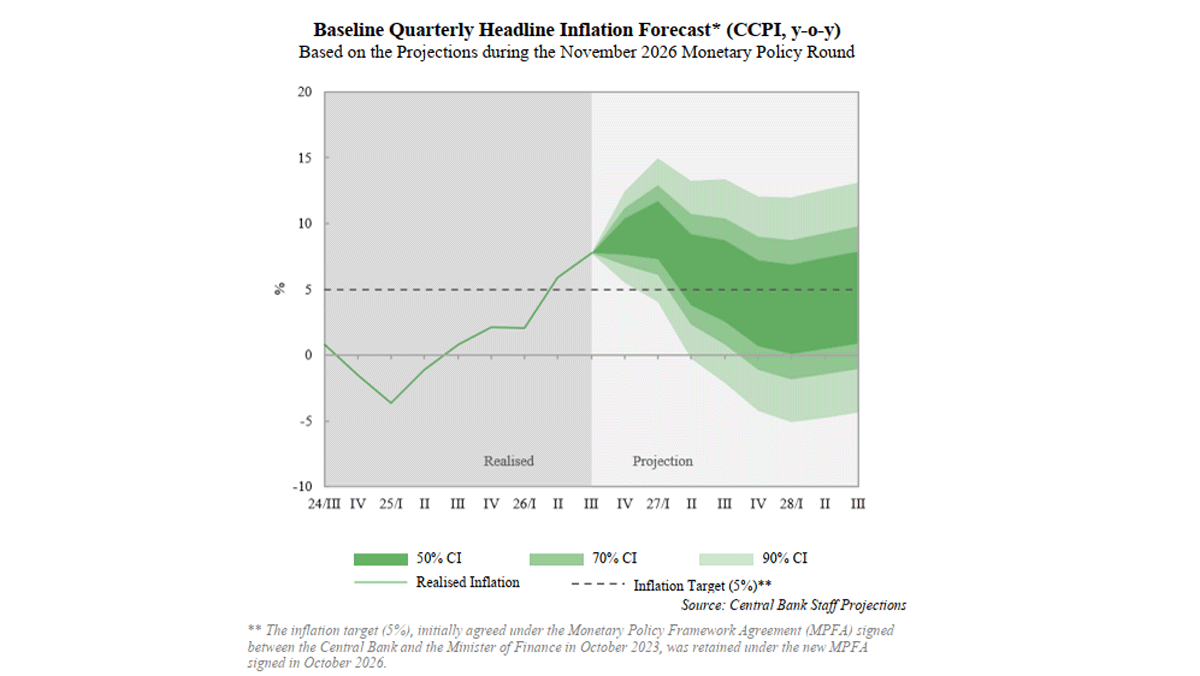
MONETABRIEF – Several state worker unions engaged in industrial action on November 23, protesting against the budget, seeking higher wages after the central bank reached its controversial target to raise the cost of living in 2027.
Protesting teachers went to work in black and a key union is threatening a sick note campaign in November 30.
Several trade unions held protests asking for a 25,000 rupee allowance in the lunch break.
Other unions including nurses are seeking allowance and overtime rates which were reduced or halted earlier.
Unions are threatening an island wide strike on November 30.
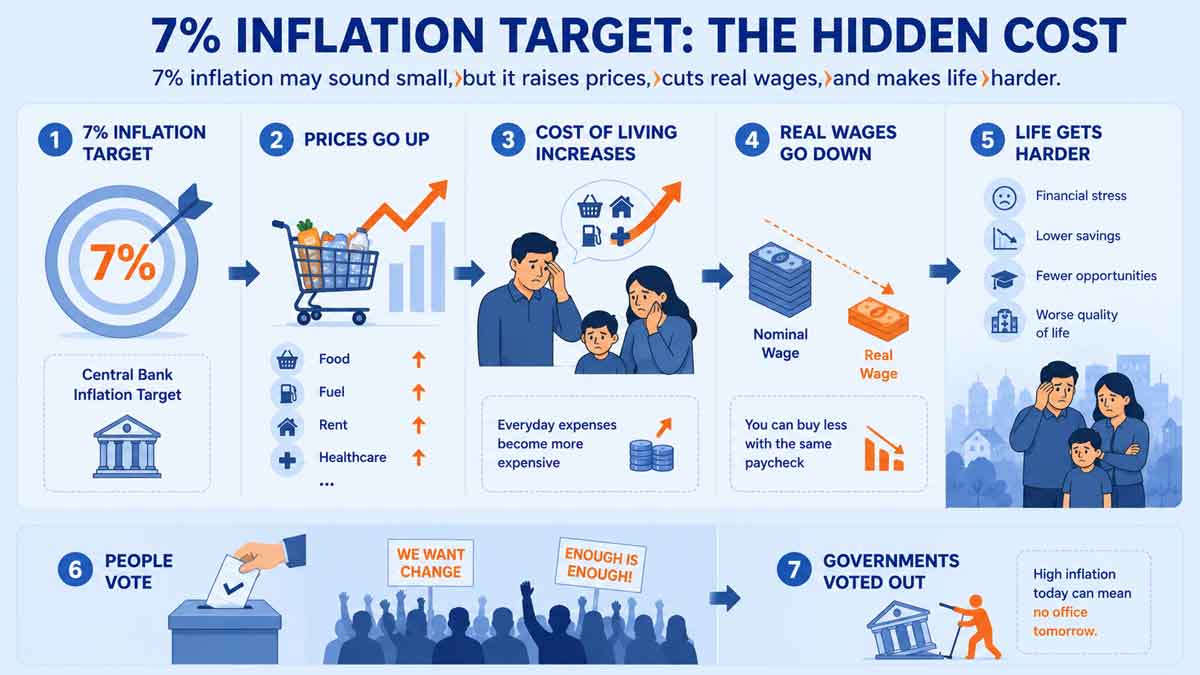
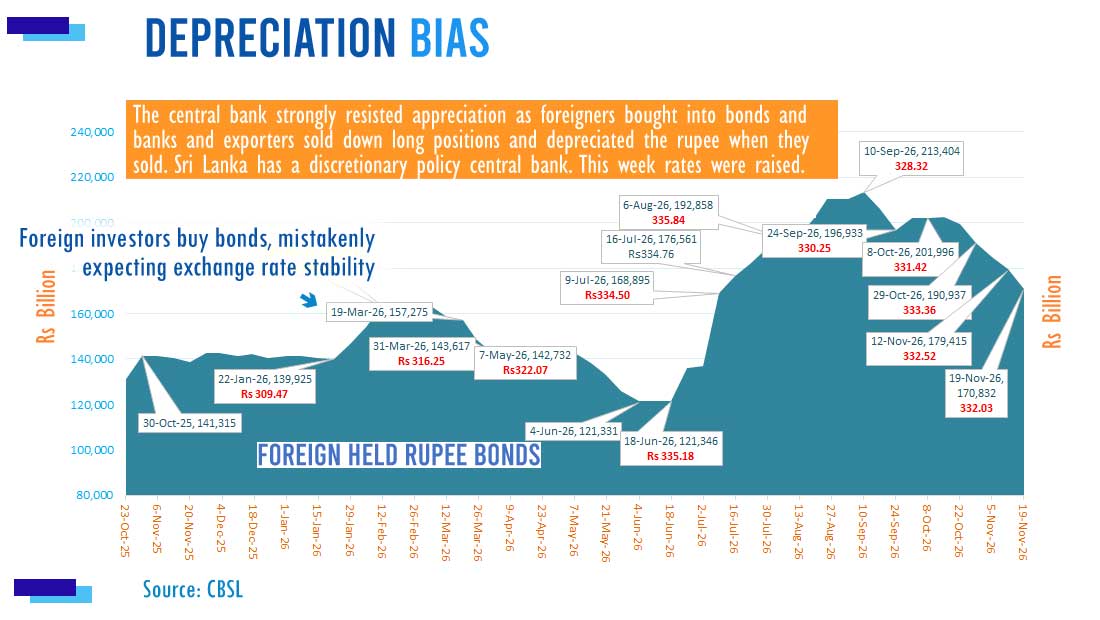
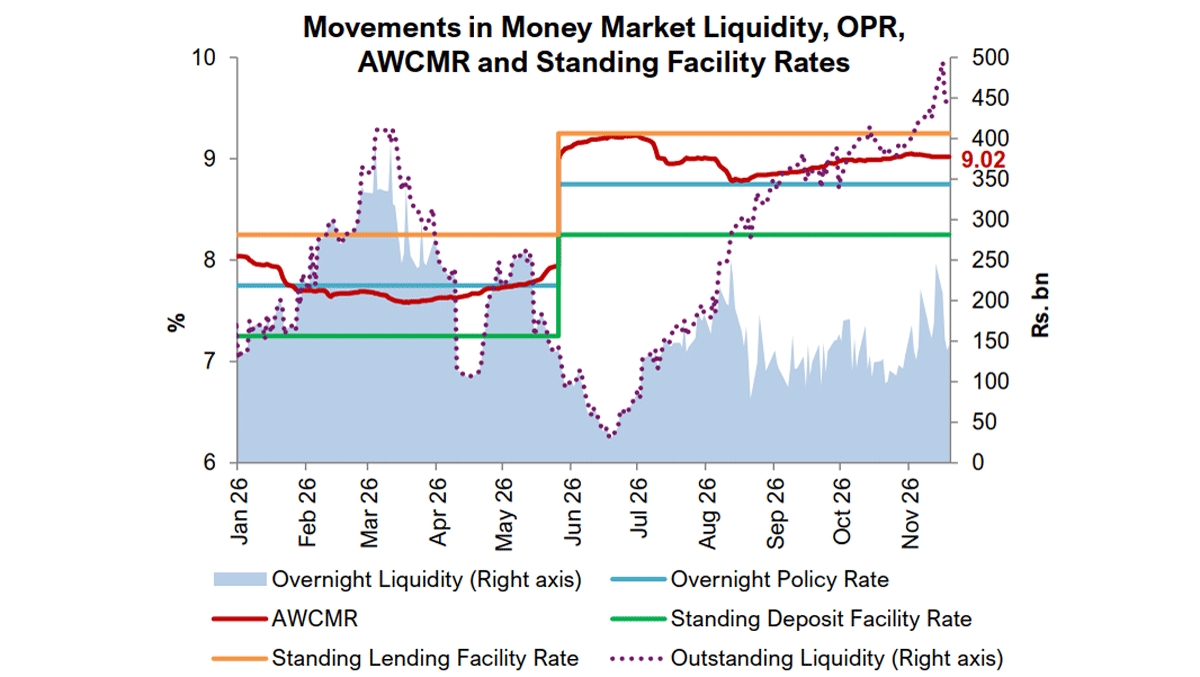
After the central bank met its controversial seven percent inflation target busting the rupee from 300 to 330 to the US dollar, people who were already hit by previous inflation were pushed into the wall.
Sri Lanka inflation central bank claims that money is neutral but wages lag the rise in commodity prices that comes from currency deprecation in a process known as the Cantillon effect where prices do not rise uniformly.
Politicians in particular try to manage budgets prudently trying keep costs down and state worker salaries are usually fixed at least till the end of the year.
Salaries had not been raised to match inflation, though a 25,000 allowance to executive grades had irked lower level workers.
Assistant Governor P K G Harishchandra, a key proponent of raising the cost of living, has said that the government should give subsidies to make up for people impoverished by its inflation target.
"Well, monetary policy, you know, is a blunt instrument, as is well known," Harishchandra told a panel discussion at the central bank. "We can't differentiate the impact of monetary policy across different cohorts of the society. Monetary policy and distributional policy are two different things."
"So perhaps fiscal policy and some social safety nets are better instruments to address severe distributional discrepancies in the economy, in society."
When the unfortunate people hit by central bank's inflation bias, strikes and get higher wages macro-economists usually claim that there is 'wage price' inflation.
Macro-economists revived such false 'cost-push' doctrines after full employment policies pushed up inflation in the US and UK and such excuses were used to deny the monetary nature of inflation.
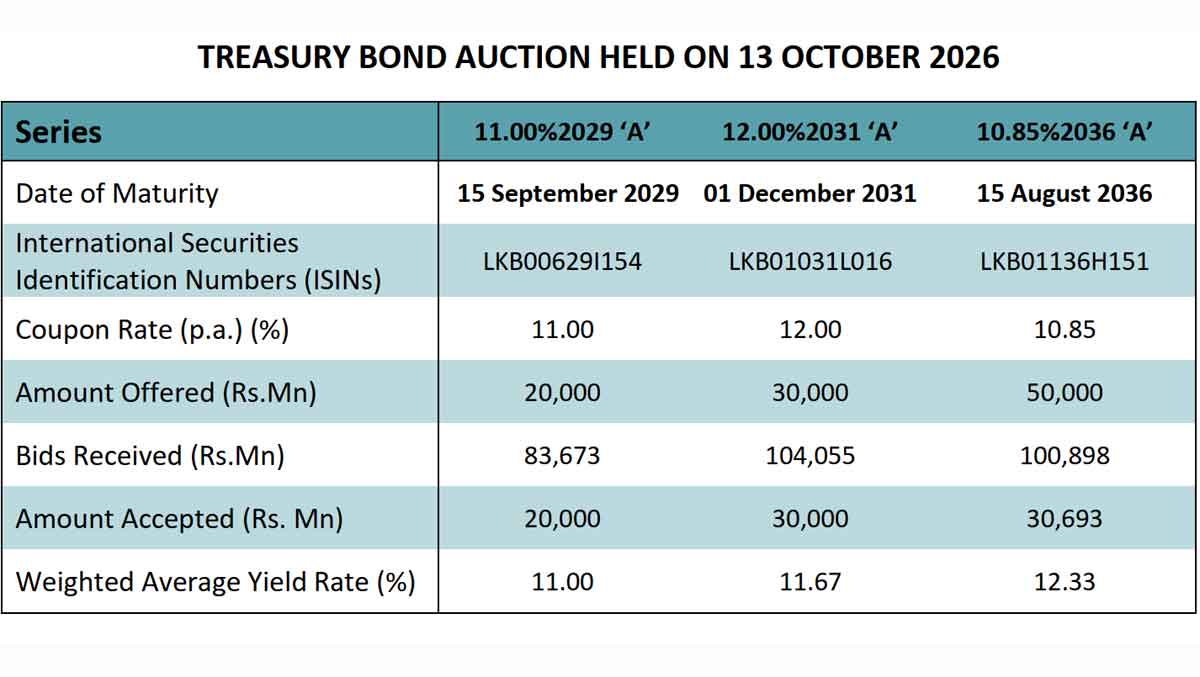
In Sri Lanka even mild inflationary policies of the central bank triggers currency collapses and high inflation and the attendant high nominal interest rates.
Sri Lanka's problems come from the current operating framework of the central bank which reflates a stabilized economy until the there is balance of payments troubles and then hiking rates steeply.
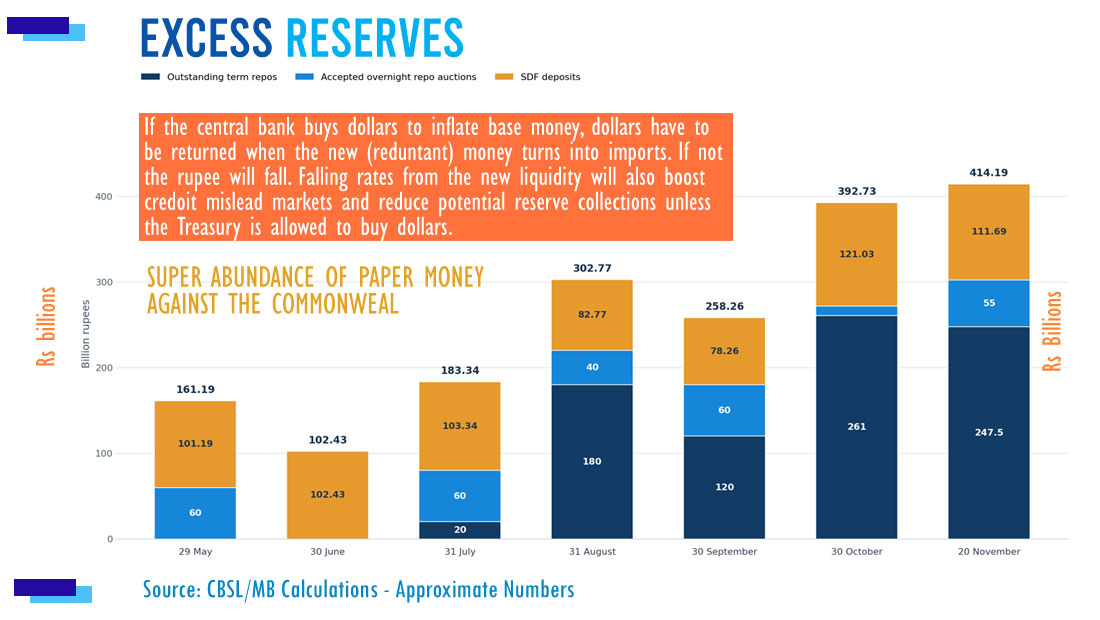
The data driven reflation comes from trying to run an inflation targeting framework without a floating rate where money is not created through dollar purchases.
Sri Lanka's inflation shot up in the 1980s, in the wake of the IMF's Second Amendment to its articles leading high nominal interest rates and widespread strikes, and internal strife undermining economic reforms. (Colombo/Nov24/2026)

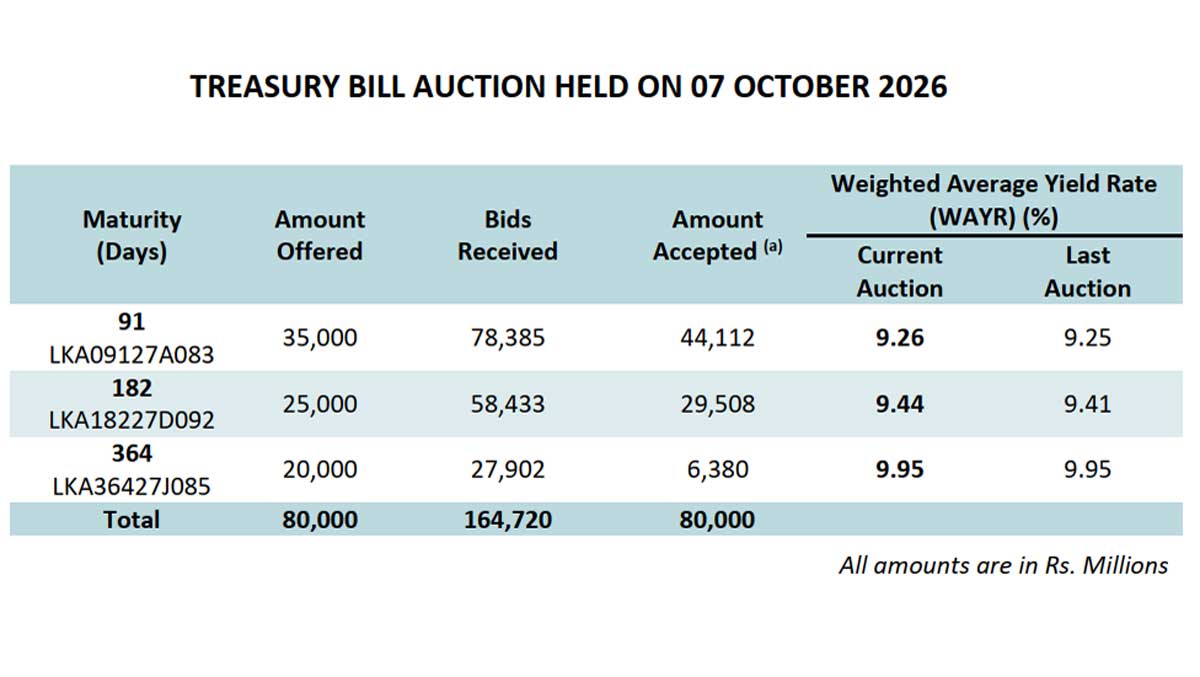
| 3 month bill | 9.26% | 1bp ▲ |
| 12-m bill | 9.95% | 2bp - |
| Gold (Ounce) | $4015 | - ▼ |










Comments
Be the first person to comment and join the debate