
Share your email and we'll share the latest news
Exclusive economic intelligence, political and business coverage
Monday, September 28 2026
Monday, September 28 2026
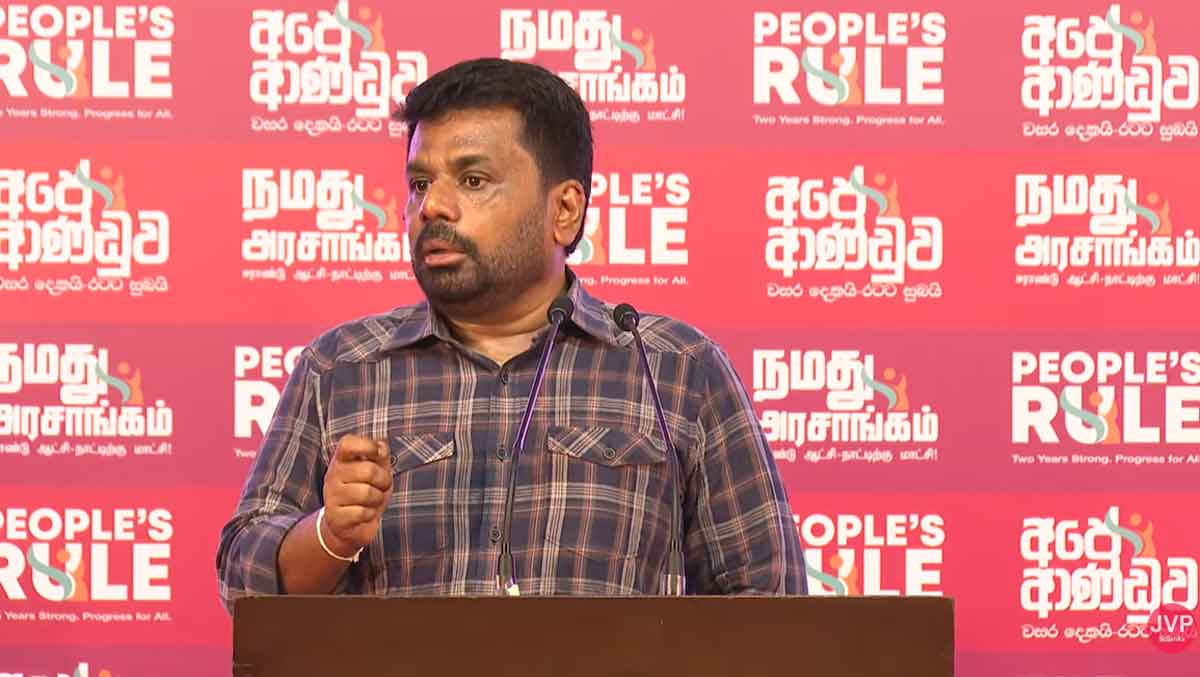
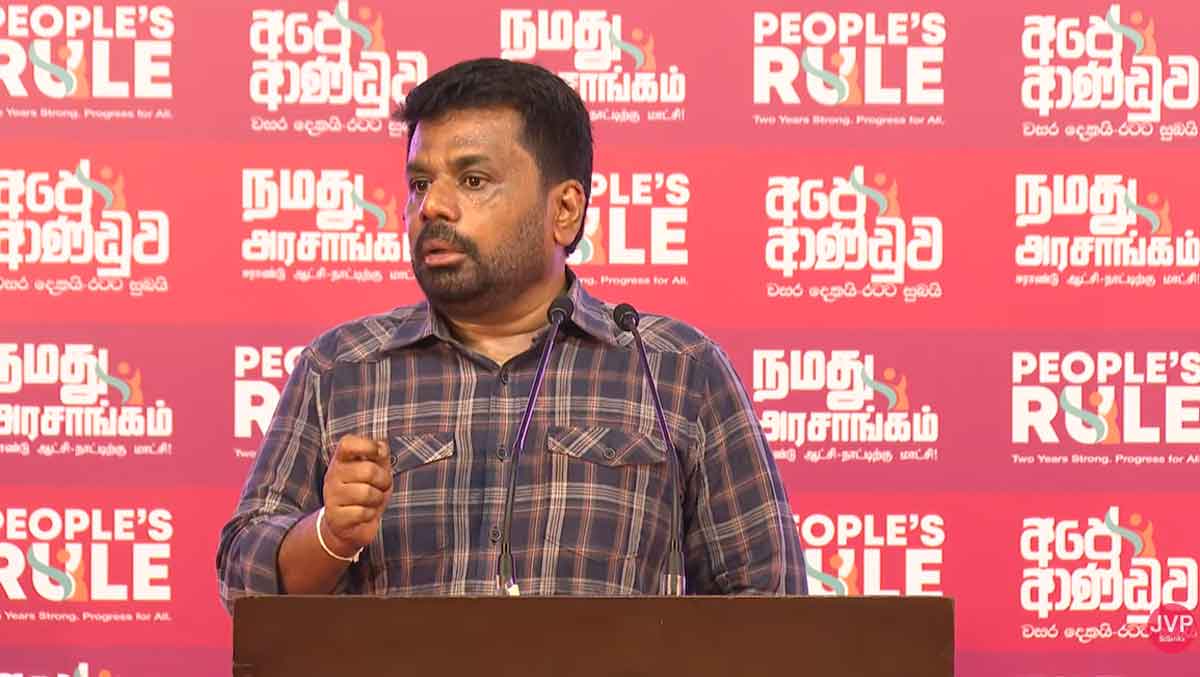
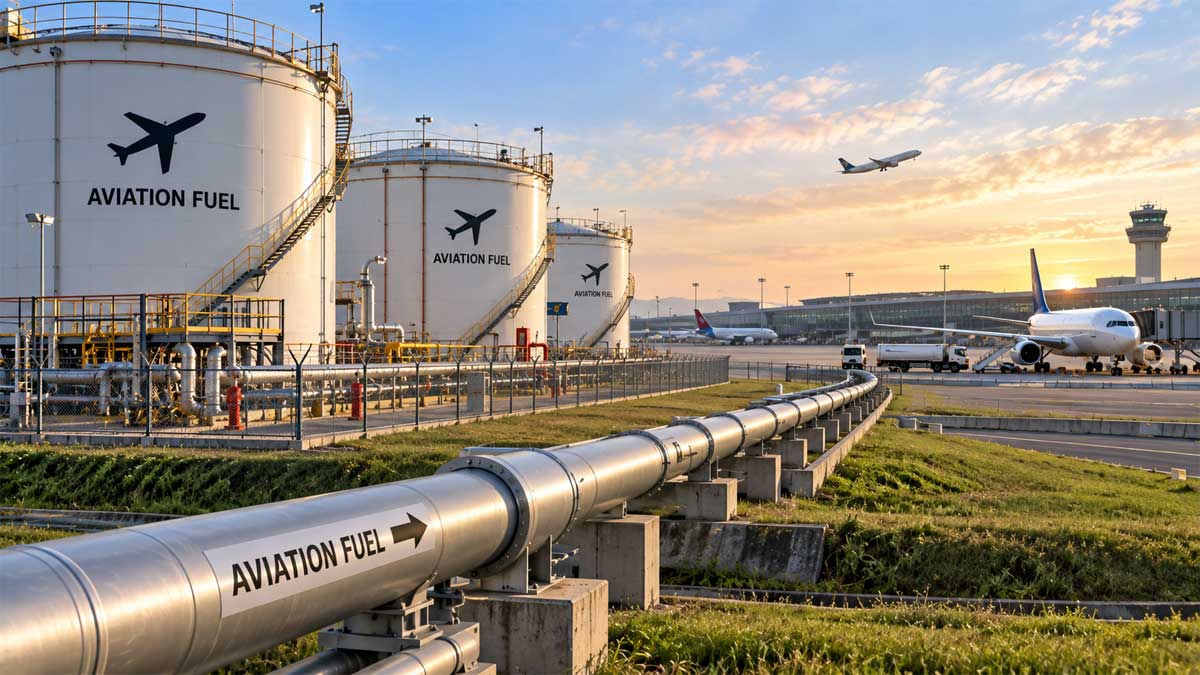
MONETABRIEF – Sri Lanka will cap a fuel price hike in the last quarter of 2026 with 41 billion rupees in subsidies, President Anura Kumara Dissanayake said as prices rose due to war in the Middle East amplified by central bank monetary depreciation.
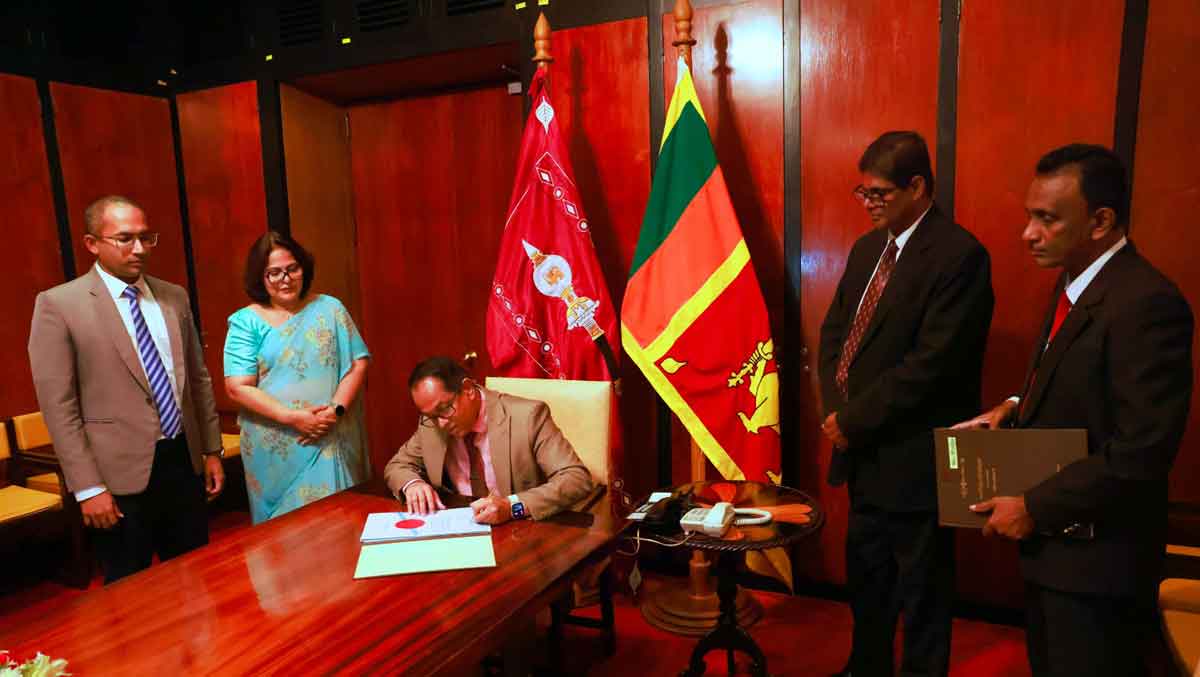
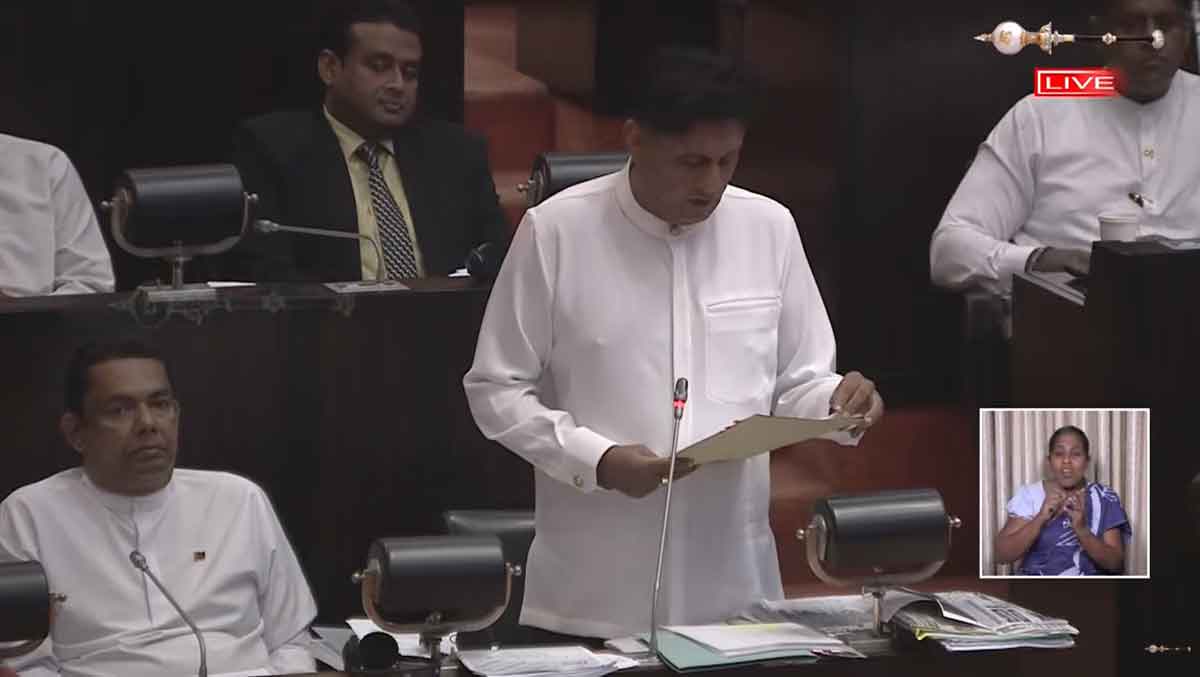
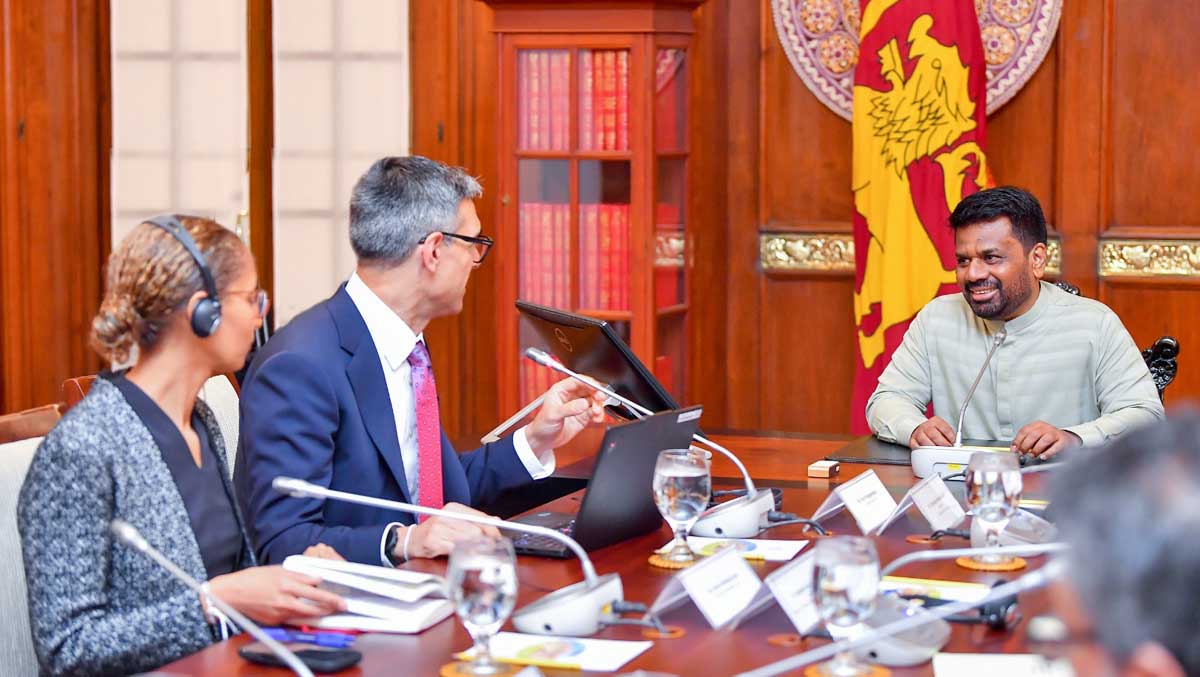
The package of subsidies will be submitted for cabinet approval this week, President Dissanayake told a rally in Gampaha.
The subsidy will not cover the entire cost, and there will be some increase in the price, he said. All distributors will be given the subsidy.
Then subsidy will protect the finances of the Ceylon Petroleum Corporation, he said.
"In the past fuel was subsidized by losses of the CPC," President Dissanayake said. "It has to be profitable and strong because it has big role to play in the energy market."
In Sri Lanka state enterprises including SriLankan Airlines make large losses as the central bank busts the rupee. The agency itself, which printed money through swaps including in Middle East crisis.
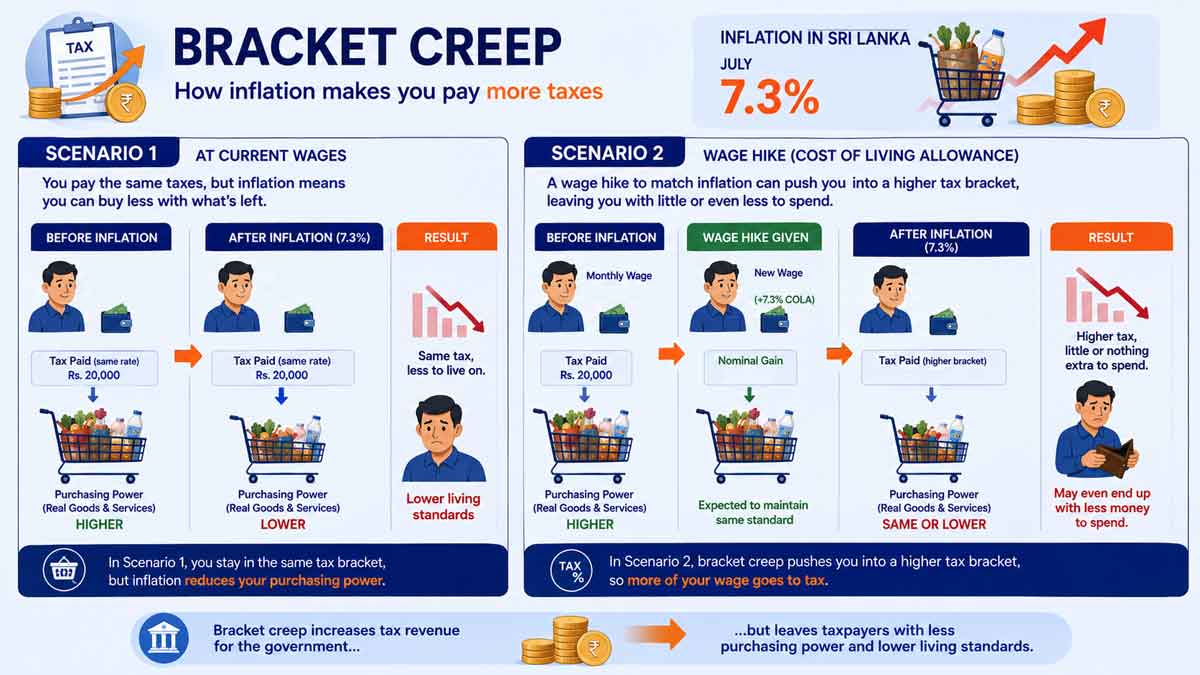
Busting the rupee allows the central bank to reach its controversial inflation target and the government to also get a (nominal) boost from taxes as import prices and value added tax go up forcing people to pay more money for the same goods.
But expenses like subsidies and wages catch up, usually after strikes or social unrest as voters are turned against the government. Capital spending also go up fast.
Sri Lanka's rupee collapse in 2026 amid a budget surplus after the central bank denied convertibility to a 'war chest' of excess liquidity built up by monetizing a balance of payments surplus and swaps, amplifying the effects of an external crisis.
Modern central banks in countries with monetary instability and the political unrest, reject the economic principles and laws of nature identified by classical economists (Hume's price specie flow mechanism later known as the monetary approach to balance of payments) and triggers external troubles.
Though Keynes crudely rehabilitated Mercantilism by praising the debunked doctrine in his General Theory, it allowed central banks that mis-target interest rates to escape accountability, pointing to 'current account deficits' and other more sophisticated sounding terminology like 'external shocks'.
Current account deficit is a modernized label for the 'commercial balance' or trade deficits of Mercantilists, analysts say.
In Sri Lanka the central bank has also escaped accountability for external trouble from its inflationary operations pointing to budget deficits since February 1952.
But in 2026, the rupee was busted pushing up energy and food prices while the government ran a budget surplus. (Colombo/Sept28/2026)

| 3 month bill | 9.22% | 22bp ▼ |
| 12-m bill | 9.91% | 10bp ▼ |
| Gold (Ounce) | $4602 | - - |












Comments
Be the first person to comment and join the debate