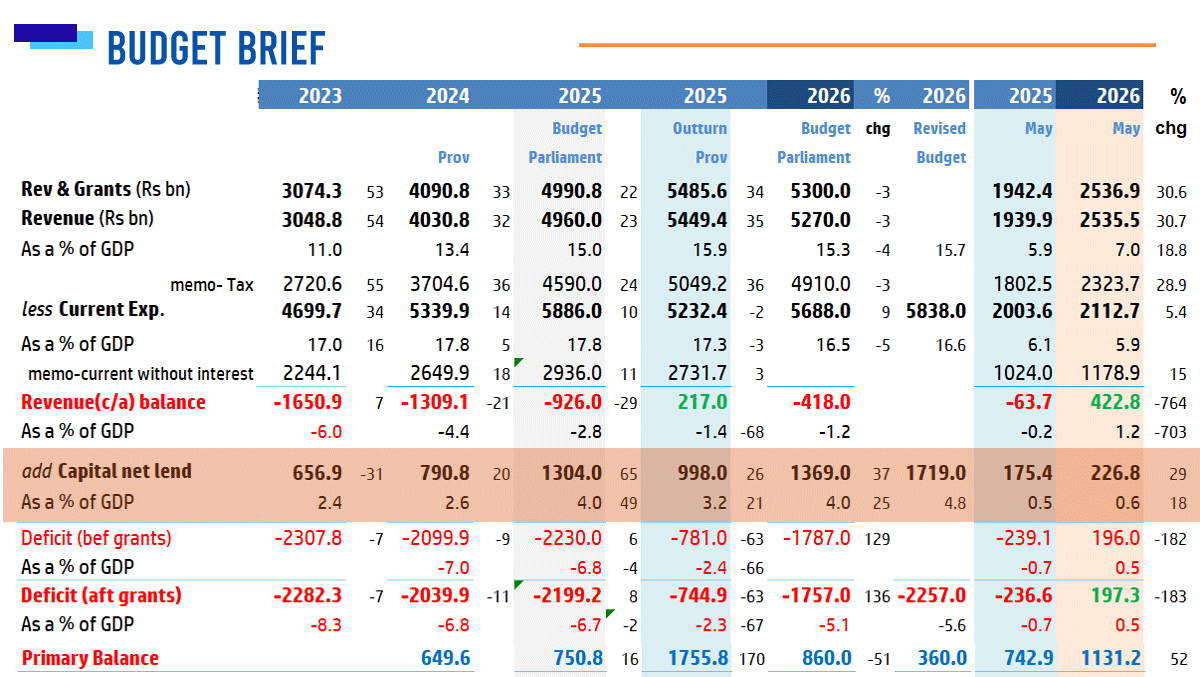
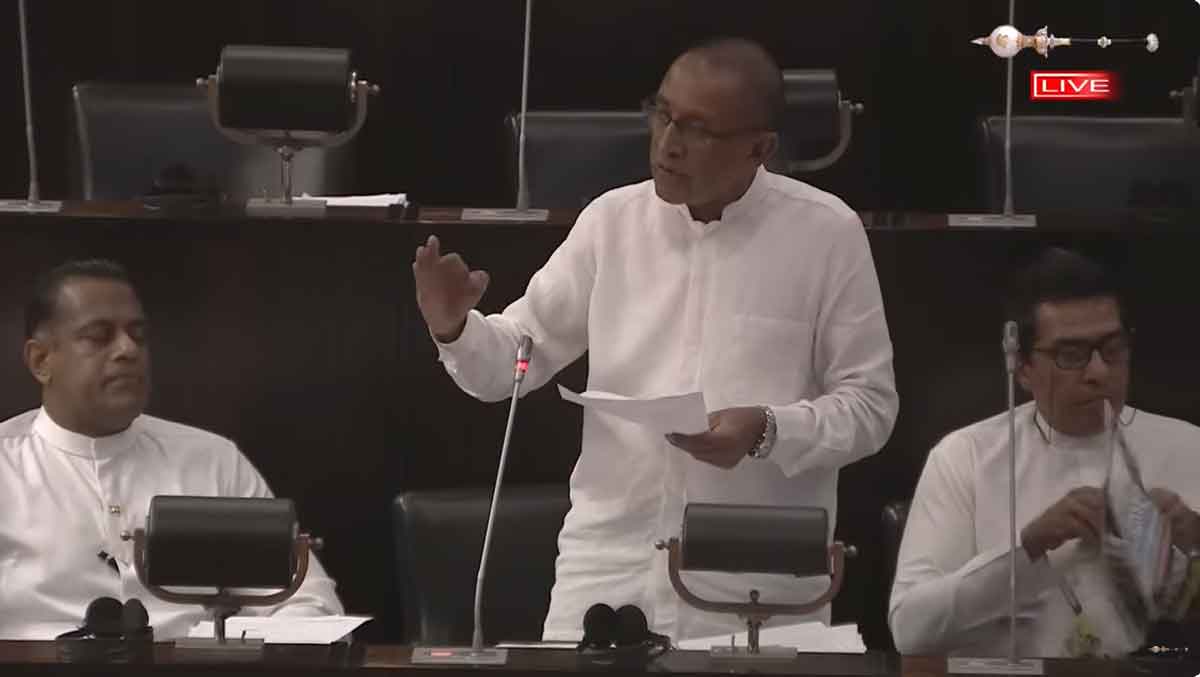
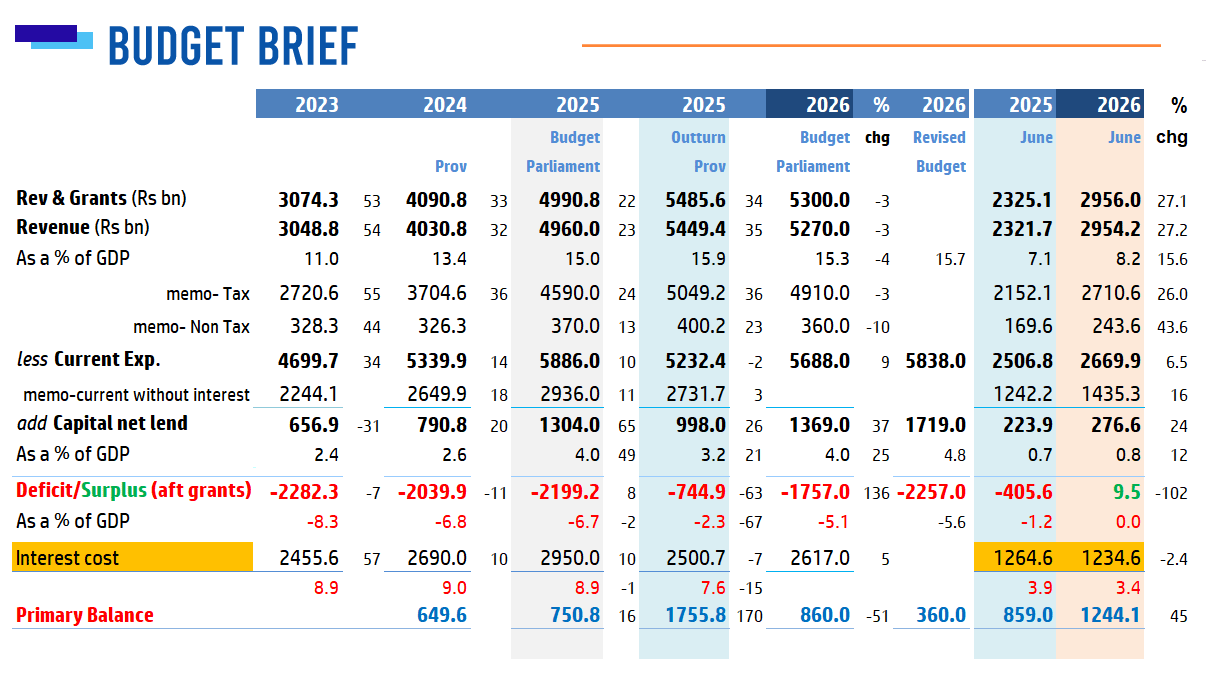
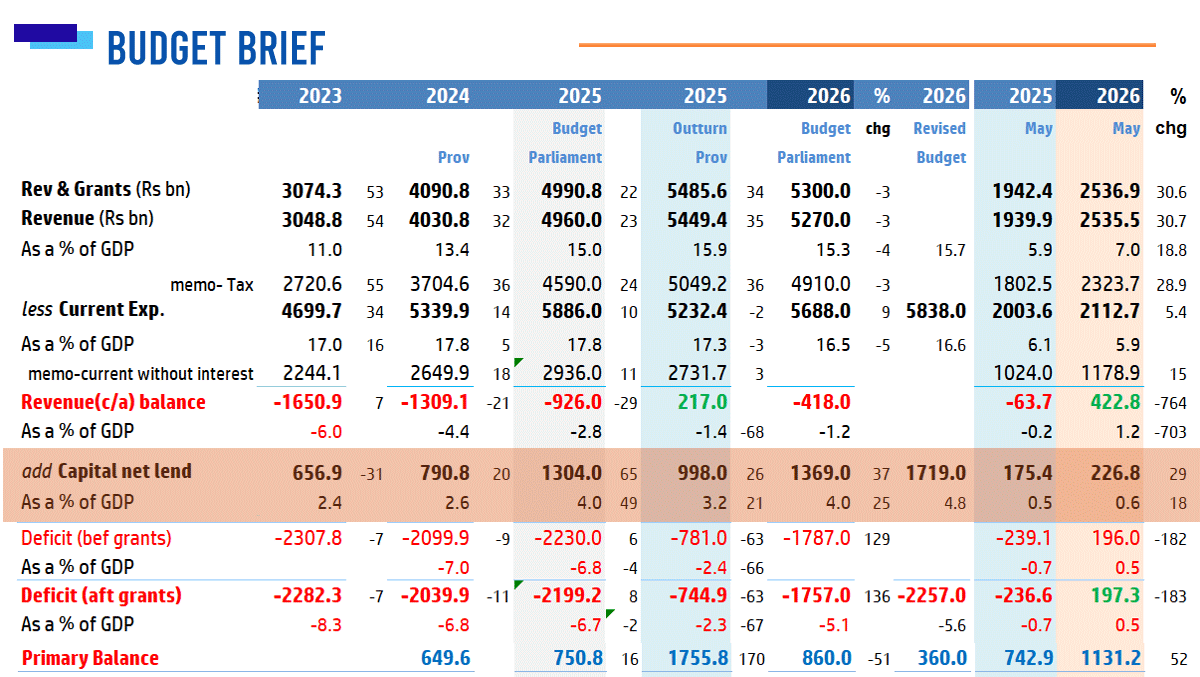
MONETABRIEF - While capital spending numbers early in the year may be slow to procurement delays, physical progress of projects are usually ahead of Sri Lanka interim budget numbers, Deputy Minister of Finance Anil Jayantha said, shedding light on spending patterns.
In Sri Lanka capital spending numbers are slow at the beginning of the year, and they come in a rush toward the end of the year.
When budgets are passed for new projects, procurement takes time, which partly explains why there may be slow progress in the first part of the year, Minister Fernando said.
There are also preparatory works before tender are called.
When contracts are awarded, contractors do not submit bills on a monthly basis.
"So when they compare the numbers, physical progress and the financial progress, huge differences are there," Minister Fernando said.
Once contractors build a section, it has to be certified by the project consultants. Consultants sometimes also ask for rectifications, which also takes time.
"Rather than just sending the bills one by one, they also accumulate and send these in one go," Minister Fernando said.
"So it has become a practice in a way. That is not good, but I can say, so that is the reason.
"And again, unlike recurrent expenses, these expenses do not happen evenly. So that is the reason. But by the end of the year, we hope that we can catch up."
When macro-economists were running the Treasury Sri Lanka at one time had the practice of running arrears at the end of the year to show a lower budget deficit.
However, under current practices after the latest International Monetary Fund program no arrears are kept.
"Even last year, in the first six months, capital expenditure was around 13 or 15 percent," Minister Fernando said.
"But we reached 75 percent. So this year we plan to reach more than 80 percent."
Some capex may also be capital transfers to state enterprises, and repayment of past 'off-balance sheet' projects, when macro-economists were running the Treasury.
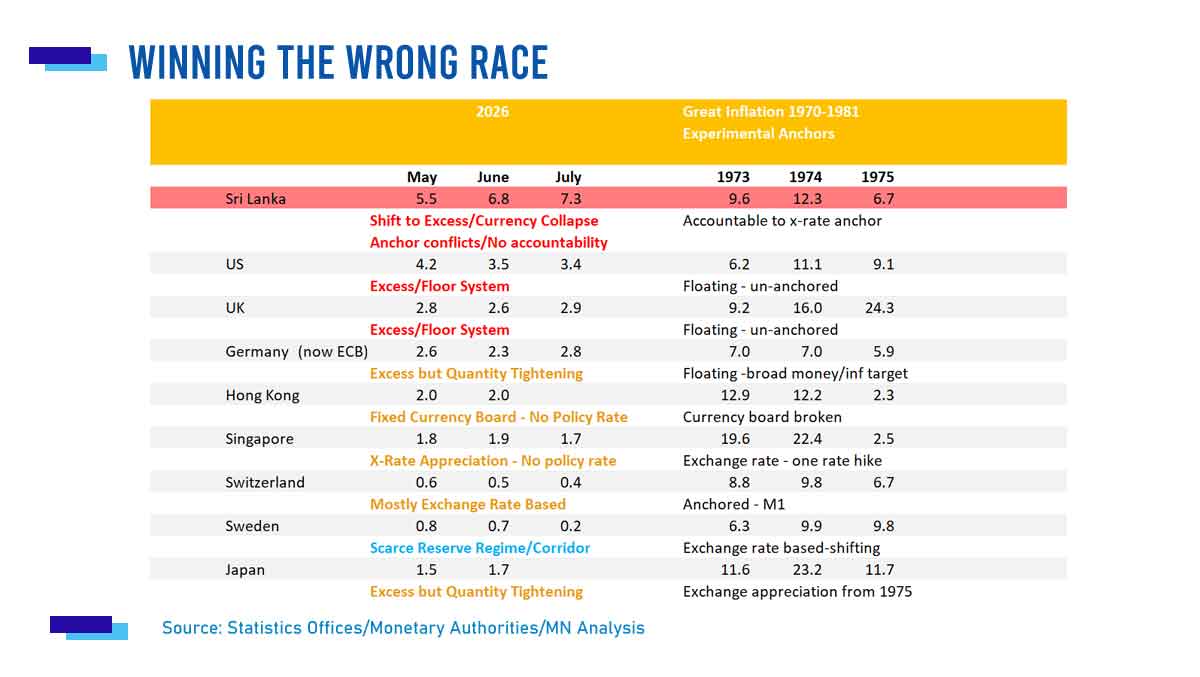
From the 1980s, Sri Lanka's budgets were beset with supplementary estimates and soaring interest rates as macro-economists busted the currency in the wake of the IMF's Second Amendment to its articles left the country without a credible anchor for money.
Ironically, the budgets themselves were blamed by macro-economists for monetary instability.
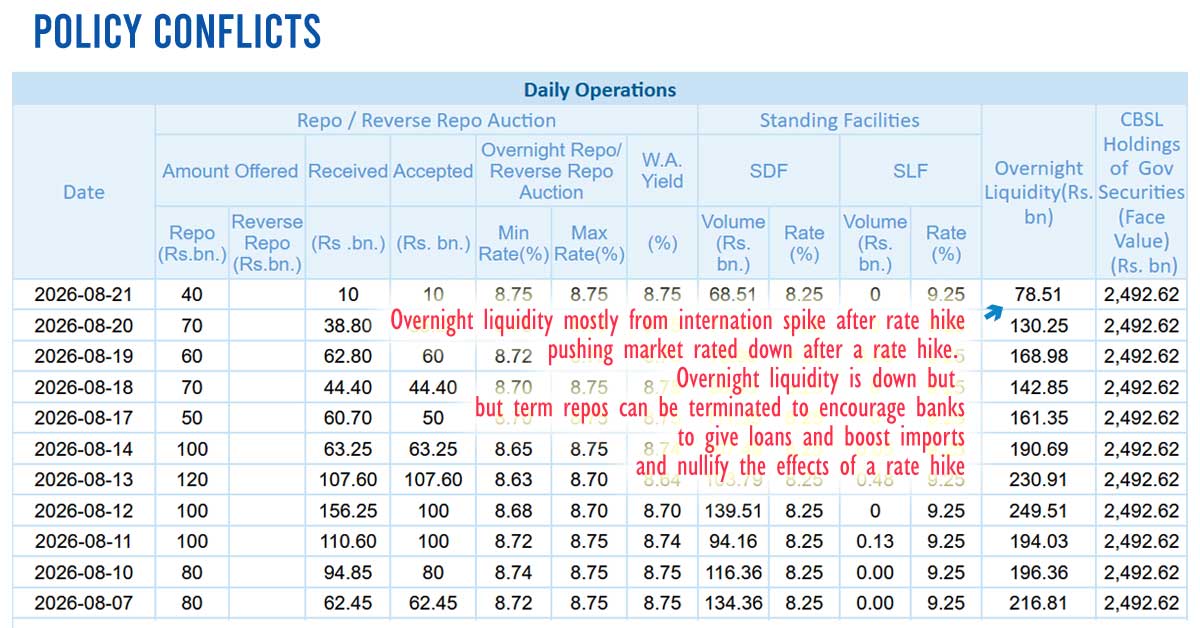
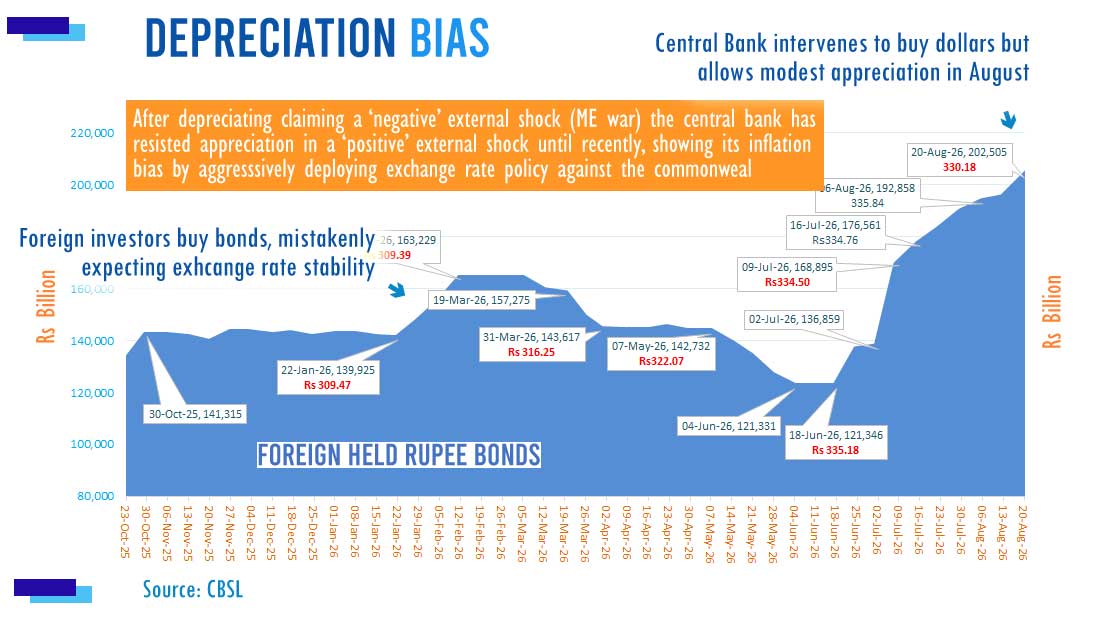
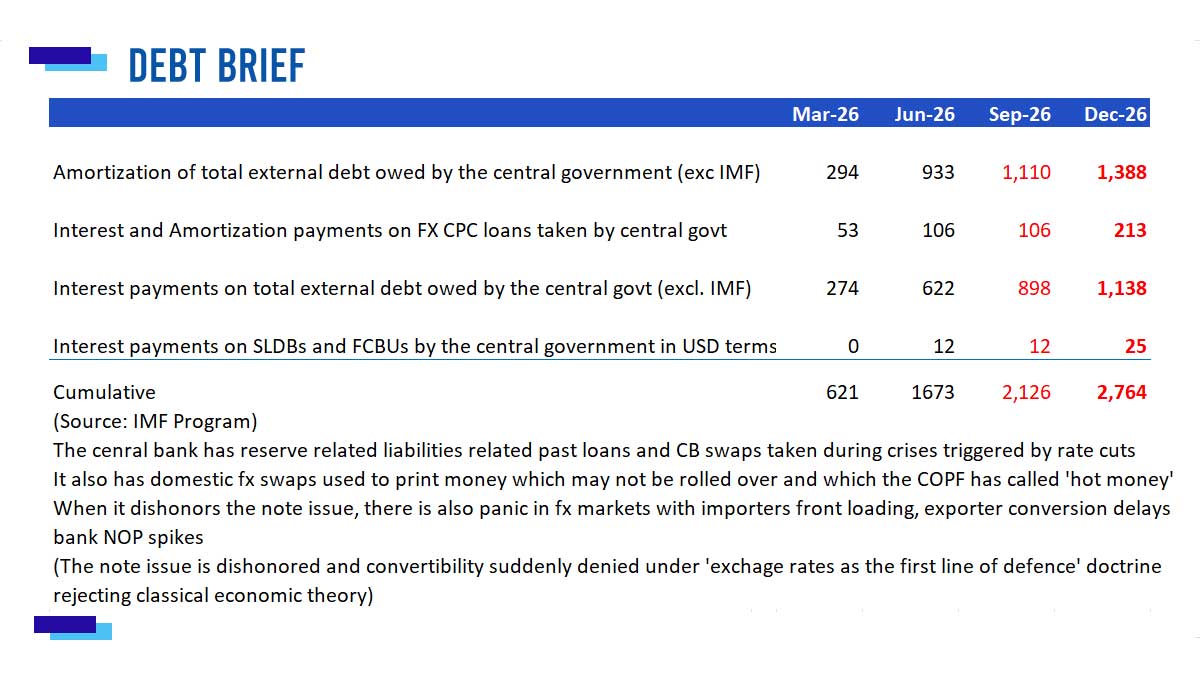
In 2026, the rupee collapsed after a mountain of excess liquidity was dishonored by macro-economists amid a budget surplus.
After the currency collapse, cost escalations in capex have started.
Meanwhile, unfortunate contractors who were lulled into bidding with narrow margins by "low inflation expectations' have sought cost escalations which were not in the original contract, after the currency collapse,discussions in the Parliament's Committee on Public Finance showed.
Some contracts had cost escalation clauses in them.
After depreciation, nominal numbers could be high but physical progress may not be as good.
"Even if you just may have spent 100 percent, you may have done 85 percent of the work," he said.
When macro-economists were running the Treasury, budget out-turns were presented to parliament in November which had much lower deficit figures than were in the final numbers, observers say.
Reliable numbers were found in a 2001 to 2004 administration and after the sovereign default, where there was a period of monetary stability until 2025.
(Colombo/Aug25/2026)















Comments
Be the first person to comment and join the debate