
Share your email and we'll share the latest news
Exclusive economic intelligence, political and business coverage
Monday, October 19 2026
Monday, October 19 2026
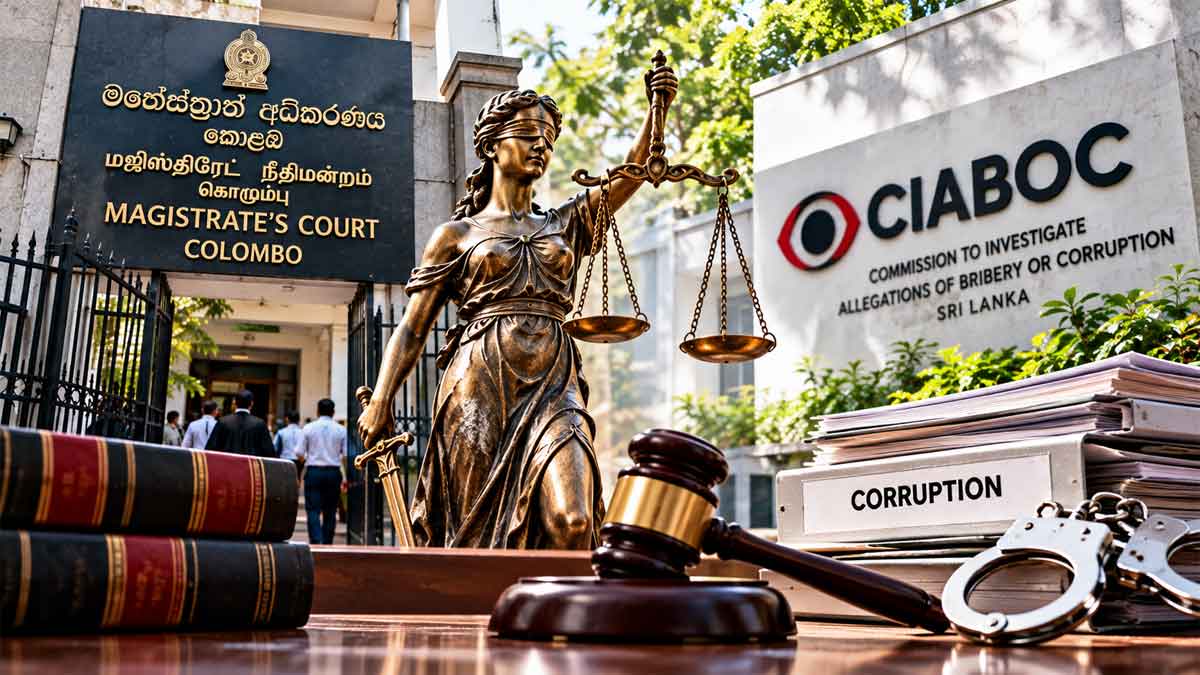
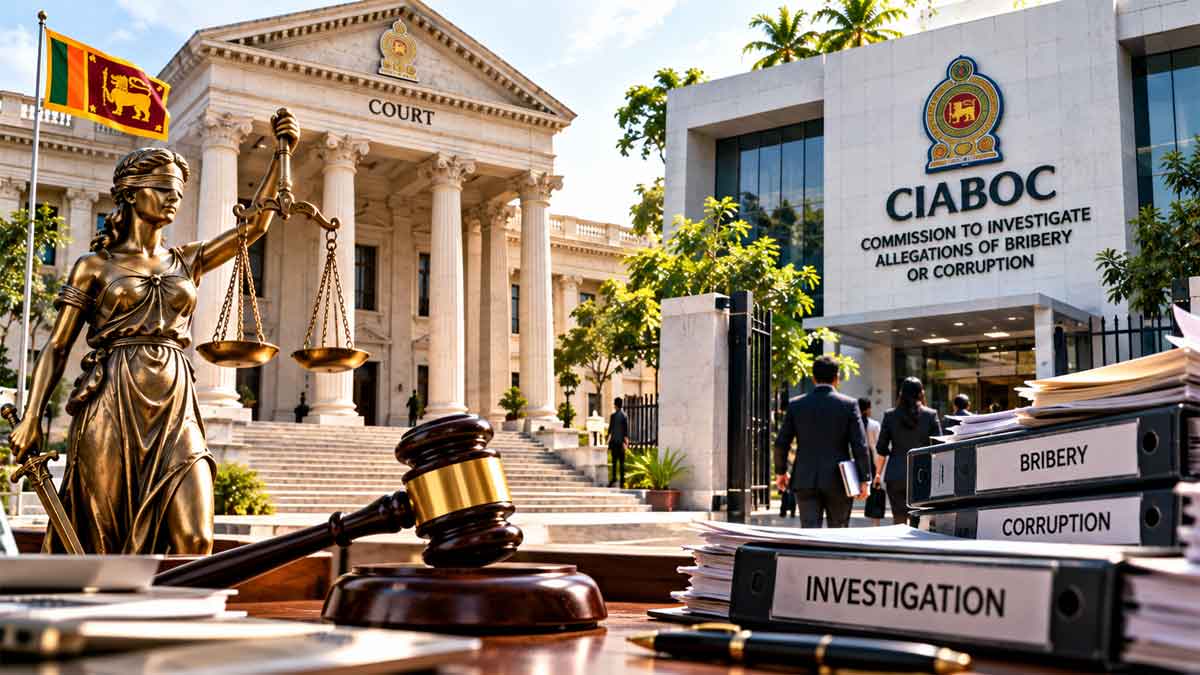
MONETABRIEF – The UN human rights chief on Thursday welcomed Sri Lanka’s robust anti-corruption drive but urged President Anura Kumara Dissanayake to apply the same vigour to ending impunity for continuing rights abuses.
In its latest report to the UN Human Rights Council in Geneva, High Commissioner Volker Turk noted that cases of torture and deaths in custody continued to be reported in Sri Lanka despite the change of administration.
“While it is encouraging that the Sri Lankan authorities have taken action to address corruption cases and some crimes linked to the post-war period, more needs to be done to end the long legacy of impunity in the country,” the rights chief said.
His report, covering October 2025 to July 2026, notes steps to tackle corruption, including high-profile arrests and investigations linked to political killings, enforced disappearances and the 2019 Easter Sunday attacks.
He said it had been a difficult period for Mr Dissanayake’s new government, following the devastating Cyclone Ditwah which killed some 650 people and devastated much of the island and a global spike in energy prices.
The report noted that the Human Rights Commission of Sri Lanka had documented 602 cases of torture and ill-treatment in 2025 and 138 cases by April 2026.
The local commission also reported 18 deaths in custody last year and a further three by April this year. In one such case, a 40-year-old inmate detained for a minor drug-related offence died at Welikada Prison in Colombo on 3 May, allegedly from severe beatings.
“This Government still has an opportunity to turn the tide on decades of abuse of executive power, repressive laws and custodial violence, and entrenched impunity,” Turk said.
He said regretted that the government had yet to deliver on its promise of legal and institutional reforms and continued to apply the repressive Prevention of Terrorism Act (PTA), resulting in arbitrary arrests and prolonged detention without charge.
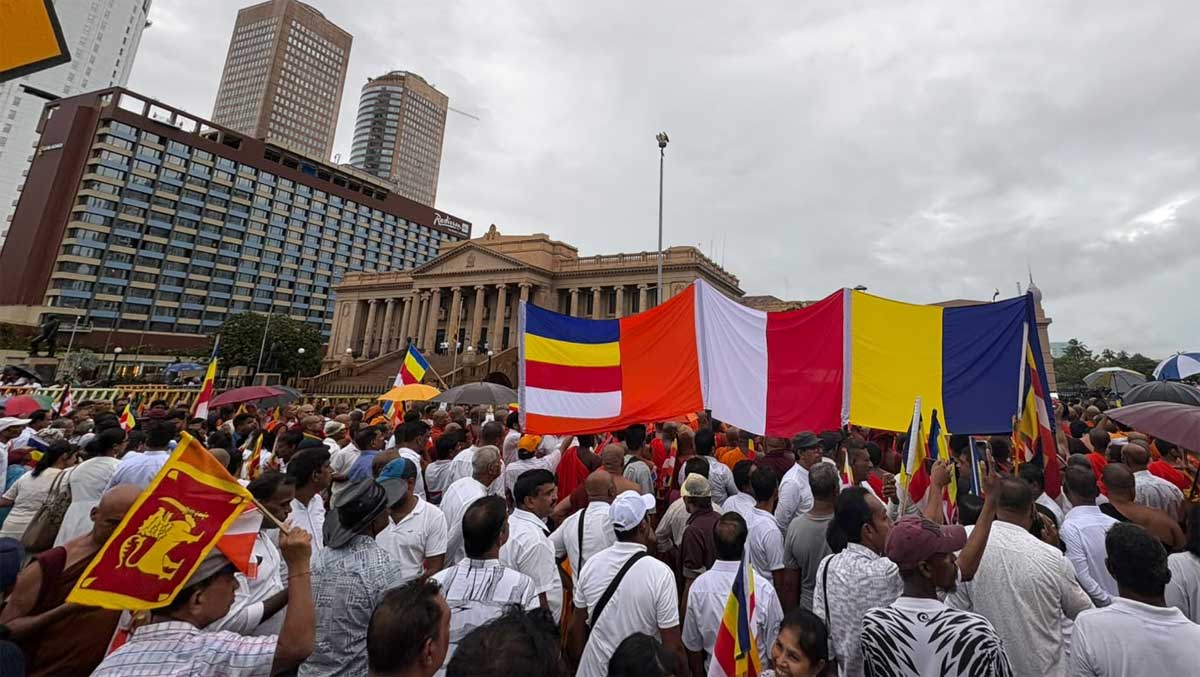
Civil society actors, activists and journalists remained subject to state surveillance, while tensions over land and religious sites continued to simmer, the report said.
It also highlighted violent riots at Negombo Prison in July, which left at least 32 dead, underscoring the urgent need for prison reform to address systemic issues, including severe overcrowding.
The UN Human Rights Office had received at least 16 allegations of surveillance against civil society actors, activists and journalists, the report said.
There was “a clear and continuing pattern of state surveillance, intimidation and reprisals by military and intelligence officials, including from the Criminal Investigations Department or the Terrorism Investigation Division”.
“Individuals are repeatedly questioned about their travels, especially to Geneva and engagement with UN human rights processes, as well as their organisational affiliations, funding sources, and participation in protests or commemorative events.”
While the Government had continued to denounce racism and promote national unity, wider efforts to ensure truth and justice risked stalling and the momentum for transformative change being lost, the report warned.
Failures to effectively investigate and prosecute crimes under international law allegedly committed during the armed conflict persisted.
“It is crucial that there is decisive and meaningful action toward accountability for crimes and violations by all parties during the more than two-decade armed conflict,” Turk said.
He noted the recent decision by the Attorney-General to indict former Eastern Province Chief Minister Sivanesathurai Chandrakanthan, also known as Pillayan, and three others in connection with the abduction and murder of former Eastern University Vice-Chancellor Professor Sivasubramaniam Raveendranath in 2006.
“It is, however, regrettable that many other serious emblematic cases remain stalled for years, including the killing of 17 Action Contre La Faim aid workers in Muttur 20 years ago,” he said, calling for meaningful steps to resolve such delays.
The High Commissioner urged Sri Lanka to redouble its reconciliation and accountability efforts. He called for a moratorium on the use of the Prevention of Terrorism Act pending its repeal, as well as the release of long-term detainees held under it.
He also called for all individuals credibly accused of human rights violations to be excluded from senior positions in government, the security sector or the diplomatic service until such allegations were genuinely addressed and resolved.
He urged the Government to support victims’ memorialisation initiatives and to release military-occupied lands. (Colombo/Sept 3/2026)

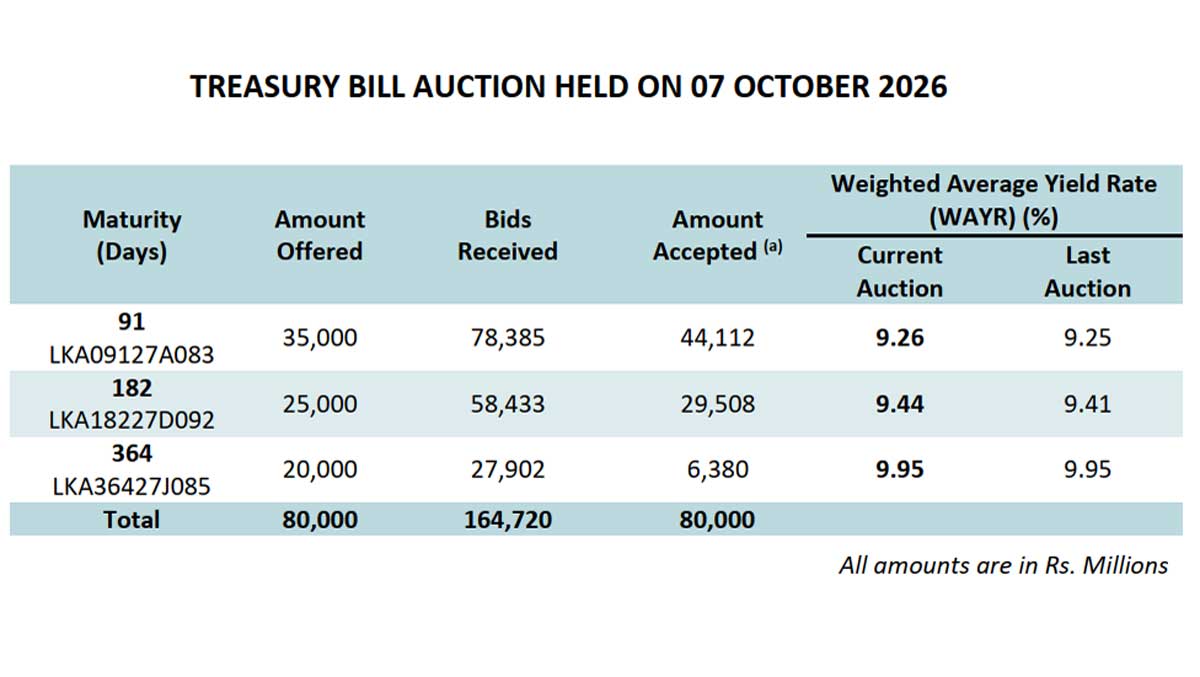
| 3 month bill | 9.26% | 1bp ▲ |
| 12-m bill | 9.95% | 2bp - |
| Gold (Ounce) | $4187 | - ▼ |











Comments
Be the first person to comment and join the debate