
Share your email and we'll share the latest news
Exclusive economic intelligence, political and business coverage
Tuesday, September 22 2026
Tuesday, September 22 2026
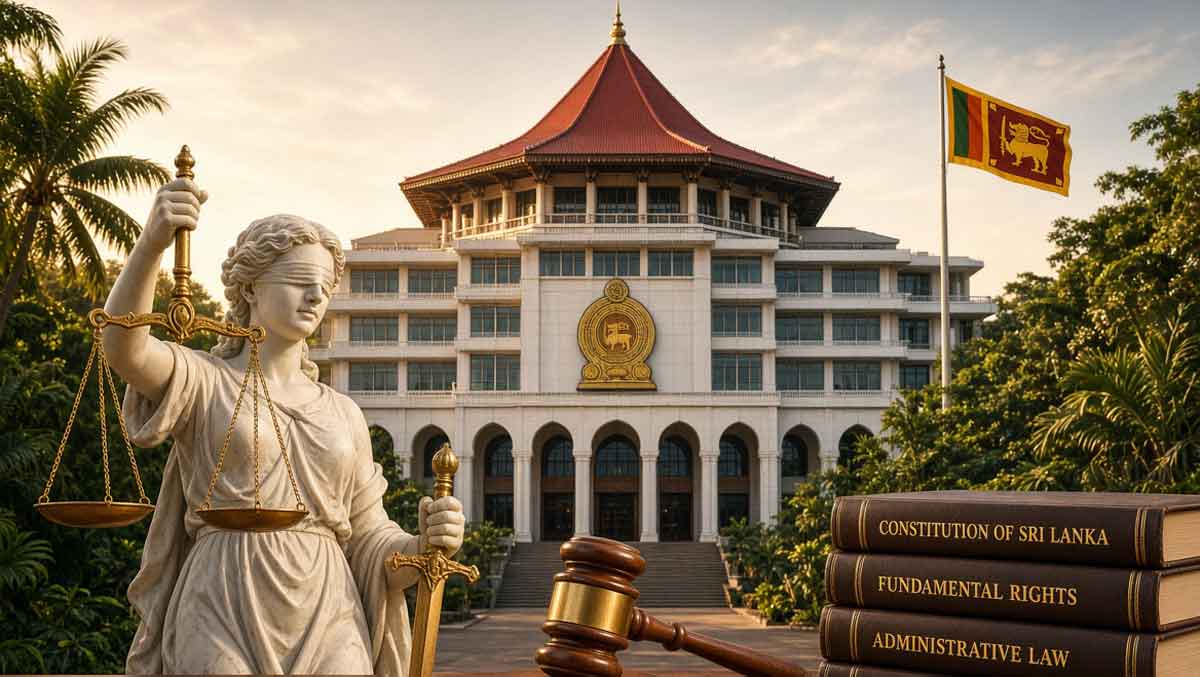
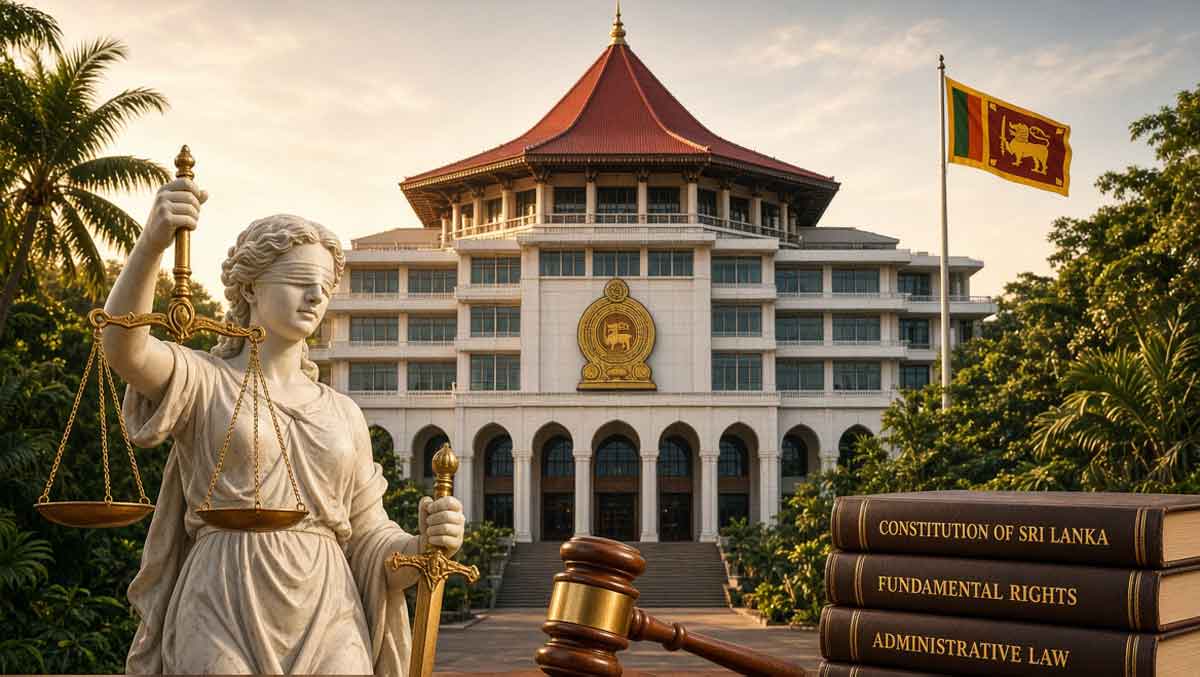
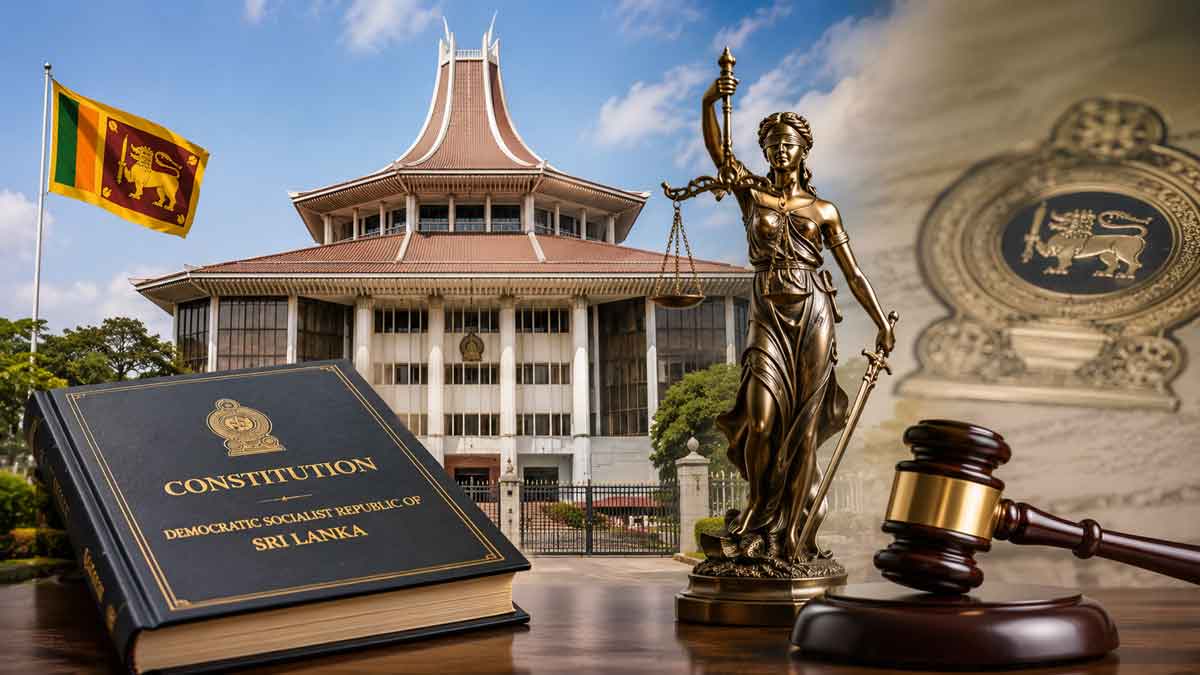
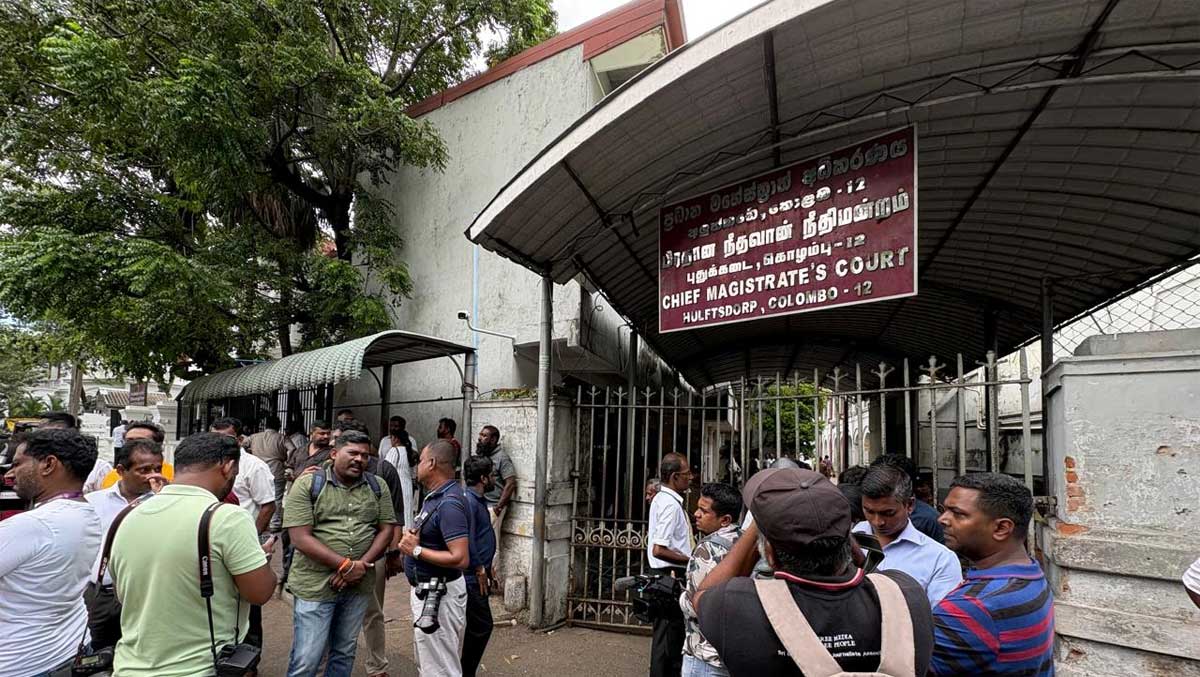
MONETABRIEF – The Supreme Court unanimously rejected a request for a full bench to hear petitions challenging the 22nd Amendment to the Constitution and the Judicature Amendment Bill, citing statutory provisions and practical considerations.
The Court said the power to appoint five or more judges to hear a petition rests with the Chief Justice. It does not belong to the other judges collectively, nor does the Constitution permit them to review or replace a bench already constituted by the Chief Justice.
In this case, Chief Justice Preethi Padman Surasena had already exercised that discretion and appointed a five-judge bench. The Court held that accepting the petitioners’ application would effectively mean that the other judges were usurping the Chief Justice’s constitutional power.
In its 96-page determination, 38 pages of which were devoted to listing details of the 72 petitions, the Court noted that any recusal by the Chief Justice would amount to an abdication of his constitutional responsibility.
The petitioners argued that all Supreme Court judges had an interest in the case because the Bills proposed to increase the retirement age of judges by two years. They contended that the Chief Justice, as the first judge who might benefit, should recuse himself.
The Court rejected this argument, saying that the proposed increase was general, uniform and non-discretionary. It would apply to all sitting judges and was not a special benefit requested by, or granted to, any individual judge.
The Court distinguished between a direct personal interest in a specific dispute and what it described as a general institutional interest in legislation affecting the judiciary.
It said that accepting the petitioners’ argument would mean that judges could never hear cases involving judicial salaries, pensions, retirement ages or other conditions of service.
In this context, the Court invoked the “rule of necessity”, under which judges cannot withdraw merely because a case may affect them indirectly when their court is the only institution constitutionally authorised to decide the issue.
The judges said they were therefore constitutionally obliged to perform the Supreme Court’s exclusive duty to determine whether the Bills required approval at a referendum. They concluded that recusal would not protect judicial independence but would amount to an abdication of that constitutional responsibility.
The Court also rejected the argument that the incumbent Chief Justice should recuse himself because he would be the first judge to benefit from the proposed increase in the retirement age. It said that argument was based on an assumption that the Chief Justice regarded the amendment as a personal benefit.
The Court further observed that, if a referendum were required, the process could take long enough for the incumbent Chief Justice to retire. In that event, the next person appointed Chief Justice would become the “first beneficiary”.
Although the Court did not identify that person, the next most senior judge of the Supreme Court is Justice Yasantha Kodagoda. Applying the petitioners’ logic, that judge too would have to be disqualified. The Court therefore held that the argument could not logically justify excluding the incumbent Chief Justice.
The proposed extension would apply equally to all judges, sooner or later. The only additional advantage available to the Chief Justice would be the possibility of serving a further two years in that office.
A full bench comprising all 13 judges would also have created practical difficulties. Three other judges had already been assigned to hear petitions against a separate Anti-Corruption Amendment Bill, while all judges were not necessarily available at any given time because of illness, leave or other official commitments.
The Court also stressed that the special determination had to be completed within the strict time limit imposed by Article 121(3). (Colombo/Sept 22, 2026)

| 3 month bill | 9.22% | 22bp ▼ |
| 12-m bill | 9.91% | 10bp ▼ |
| Gold (Ounce) | $4602 | - - |
















Comments
Be the first person to comment and join the debate