
Share your email and we'll share the latest news
Exclusive economic intelligence, political and business coverage
Wednesday, November 4 2026
Wednesday, November 4 2026
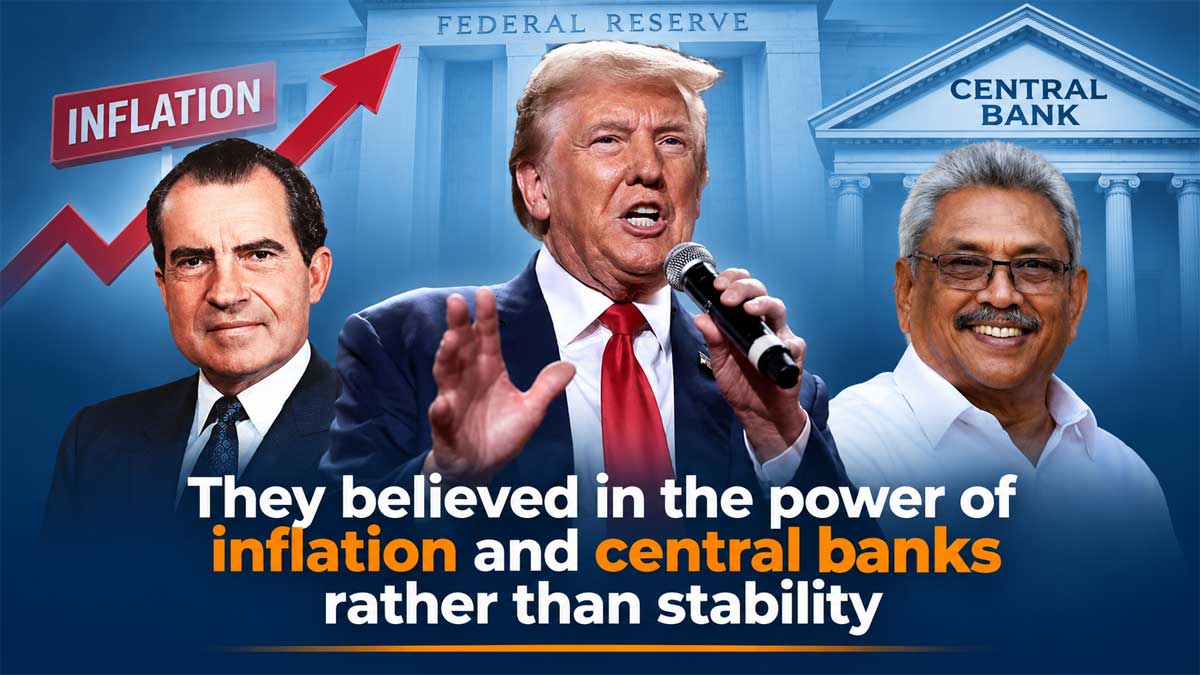
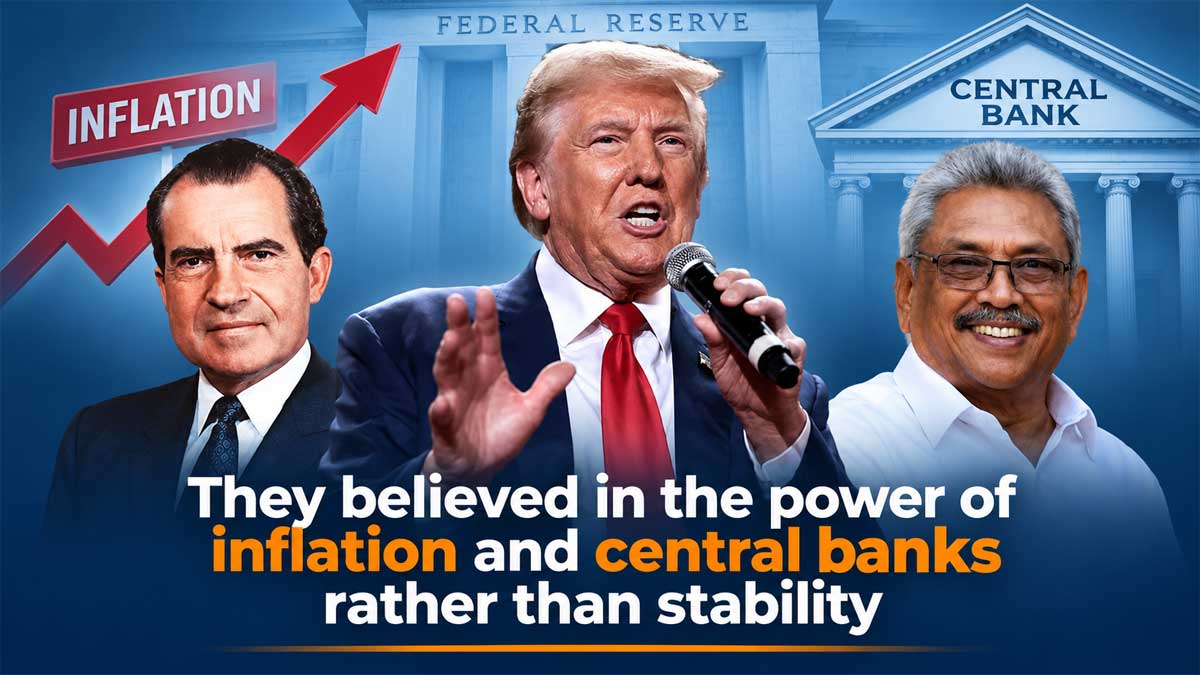 DUAL MANDATE: Both Nixon and Rajapakse was ousted before their term by their belief in the 'dual mandate' or inflationary policy to promote growth
MONETABRIEF – Trump faces a rout in the US Midterms amid high inflation promoted by macro-economists running an explicit dual mandate with excess liquidity Fed, and faces the possibility of impeachment.
Unlike in Europe where people have to come out to the streets when central banks deliberately boost the cost of living, push up medicine and housing costs like Sri Lanka's central bank, US voters can vent their frustrations in the midterms.
A President who gets hit badly in mid terms is usually called a lame-duck president who cannot push his policies.
Trump has in the past swept aside scandals that would have shattered others with a thinner skin. But at least on paper, the Congress now as the legislative power to impeach him.
Elected by the Sword of Macroeconomics
Donald Trump, a demonstrably tainted first president who used nationalism to get elected, demonizing minorities (immigrants), was elected a second time with the Biden Administration discredited with high inflation in 2022 and socialist leanings.
President Biden also tried to fight inflation with price controls.
President Biden passed the Inflation Reduction Act of 2022 in August, as the Fed fired a massive commodity bubble, thinking that inflation was cost-push. Macroeconomists were blaming supply chains and Putin to escape accountability.
But the Fed tightened policy in March and commodity prices started to come from around July.
What Biden should have done was to pass an explicit law to take away the dual mandate (a relic of failed 1960s thinking that inflation creates jobs or growth) which led to the collapse of the Bretton Woods system and Great Inflation of the 1970s.
Trump specifically wanted rate cuts. He was misled by macro-economists like Gota that rate cuts will promote growth and not long-term monetary stability.
He appointed Kevin Warsh, as Fed Chairman, a person who had earlier criticized excess liquidity, but did nothing about it after coming to office.
Long term inflation leads to higher interest rates through inflation and capital destruction like what happened to Sri Lanka after 1980 and uncontrollable public expenditure and deficits.
History Repeats
The Bretton Woods collapsed in 1971 as gold and commodity prices soared, during the time of President Richard Nixon after what was generally called full-employment policies promoted by US academics in the 1960s.
Nixon imposed import surcharges like President Gotabaya Rajapaksa banned imports. He also slapped export restrictions on foods like vegetable oils in what was called the Nixons shock as the US dollar collapsed against gold and other commodities.
The collapse of the Bretton Woods and floating exchange rates also led to the birth of core inflation, which removed commodities, the very item that classical economists used to measure the effects of inflation from the price index.
Earlier Nixon had tried to force out Fed Chair William McChesney Martin in the fear that he would raise rates.
Martin who took over in 1951. But by the mid 1960s he had started to fire deliberate credit cycles. In 1968 when Nixon was elected, Martins offered the position of Treasury Secretary and Nixon wanted to appoint Arthur Burns who was more of a macro-economist.
In 1969 as Martin started to hike rates, Nixon publicly announced Burns as his replacement.
Though Nixons had won the elections, the House went to the Democrats.
As the Watergate scandal broke out, Nixon resigned before the impeachment vote.
After Watergate, the Dems won in a landslide as Great Inflation hit the country. Democrats won 49 seats getting 291 seats.
Impeachment?
Trump faces a similar prospect of impeachment.
But after many years of inflation society had deteriorated and nationalism and extreme partisanship and corrupt ideas had overtaken good sense and decency.
This was what happened in former British colonies which followed Cambridge economics. They ended up with nationalism, corruption and impoverishment.
Nixon paid the price for promoting inflation and was accountable in the electorate. This is as it should be in a democracy.
When politicians mis-use money to push growth, appointing the post-Keynesians or other macro-economists, people know where the problem comes from.
Then there is a change of a country changing course. If the central bank is independent it can continue to promote inflation.
The Carter administration that won the election was dogged by inflation.
He appointed Paul Volcker, who learned about money from two immigrant Austrian economists to specifically raise rates in the last stages of his administration in 1979 in a bid to change the direction of the Fed, making William Miller the Treasury Secretary.
The Republican administration of Ronald Reagan that followed similarly did not believe in inflation. According to Volcker, Reagan met him and encouraged him to continue his quest for stability.
The Problem of Inflationist Independent Central Banks
If the central bank is independent, and its leadership wants high inflation, there is no way for a country to change course. There will be no 'system change' as the current Sri Lanka government wants.
The central bank in Gotabaya Rajapaksa administration did as the government wanted. Gotabaya Rajapaksa was advised by a former central banker who believed in inflationary policy.
His Treasury Secretary was also from the same agency, as was JR Jayawardene's who also faced social unrest.
But the 2015-2019 administration was brought down by the central bank which went against a government that did not want inflation.
Arguably Prime Minister Ranil Wickremesinghe in 2015 said he was trying to put more money in the hands of the people when he gave salary hikes.
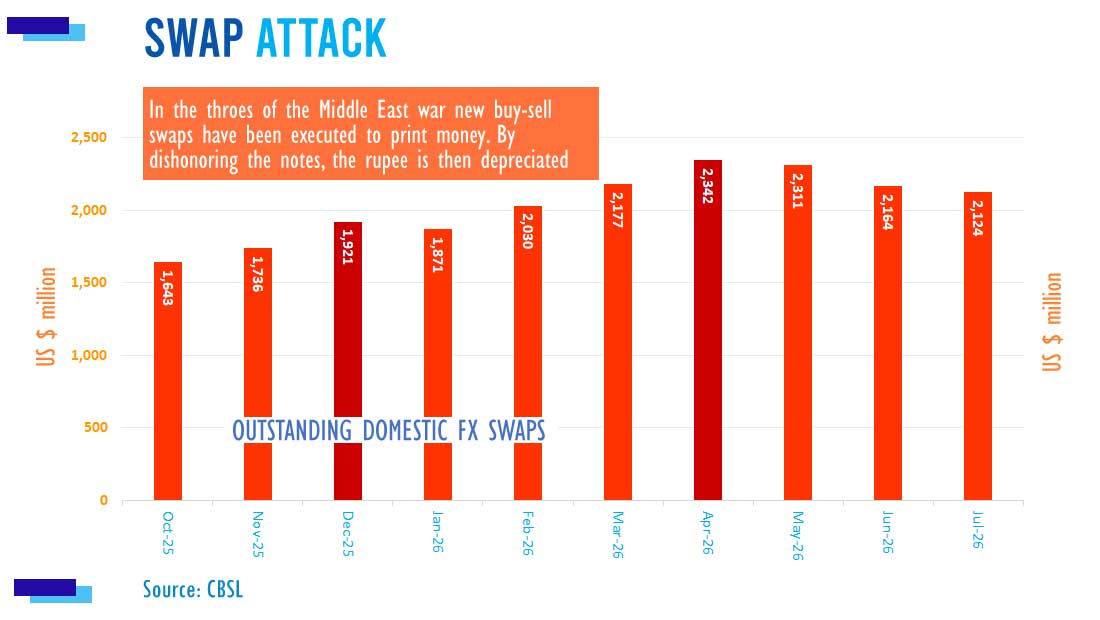
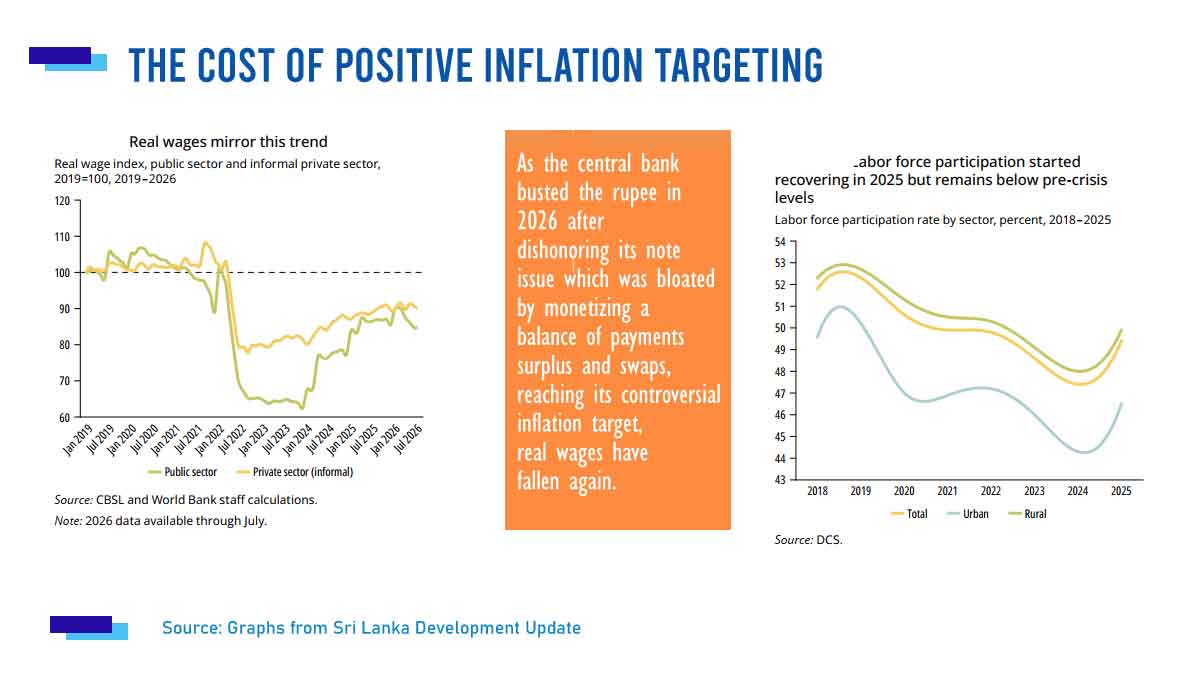
At the time the central bank printed money by terminating sell-by swaps (the opposite of the action that was done in 2026 to bust the rupee and discredit the current administration), and inflationary open market operations.
< It can be argued that the rate cuts that led to the 2015/16 depreciation took place due to a belief in what the IMF promotes as 'policy support' as in the case of the Gotabaya Rajapaksa administration.
But it was no longer the case after Mangala Samaraweera was appointed as Finance Minister. He raised taxes, market priced fuel and did not want more inflation. Neither did his State Minister, Eran Wickremaratne.
But what Carter did in changing course, did not happen in Sri Lanka
The central bank cut rates on the duo saying fiscal policy was tight therefore monetary policy must be loose. The political leadership was held accountable by the public, not the central bank that was given de facto independence.
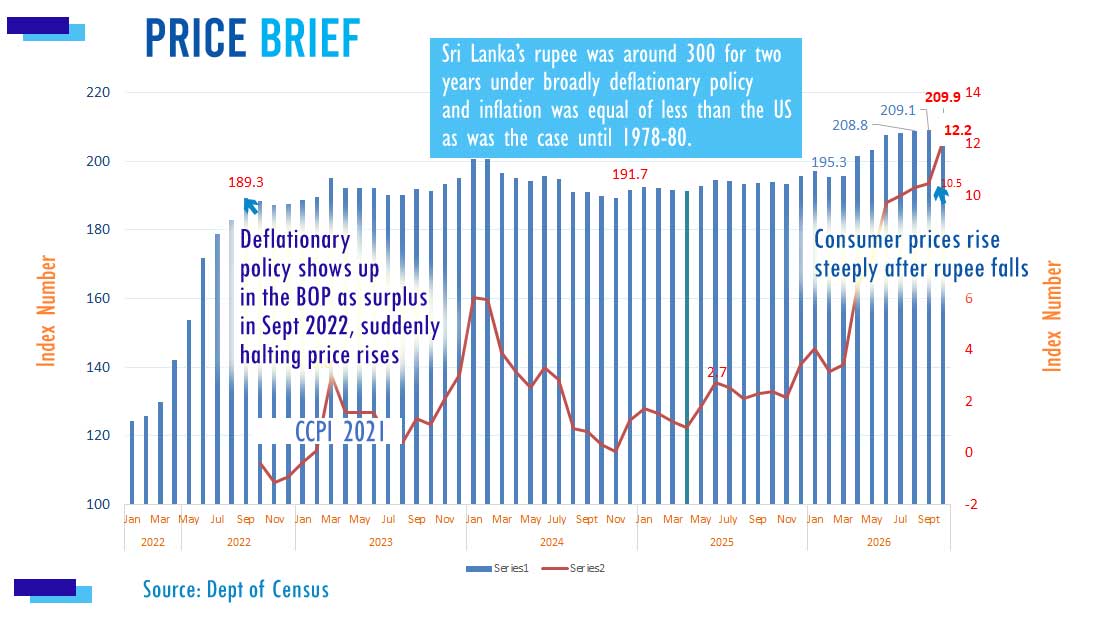
President Anura Dissanayake, also last year repeated the central bank's mantra that there was 'deflation' in 2024 and that was bad.
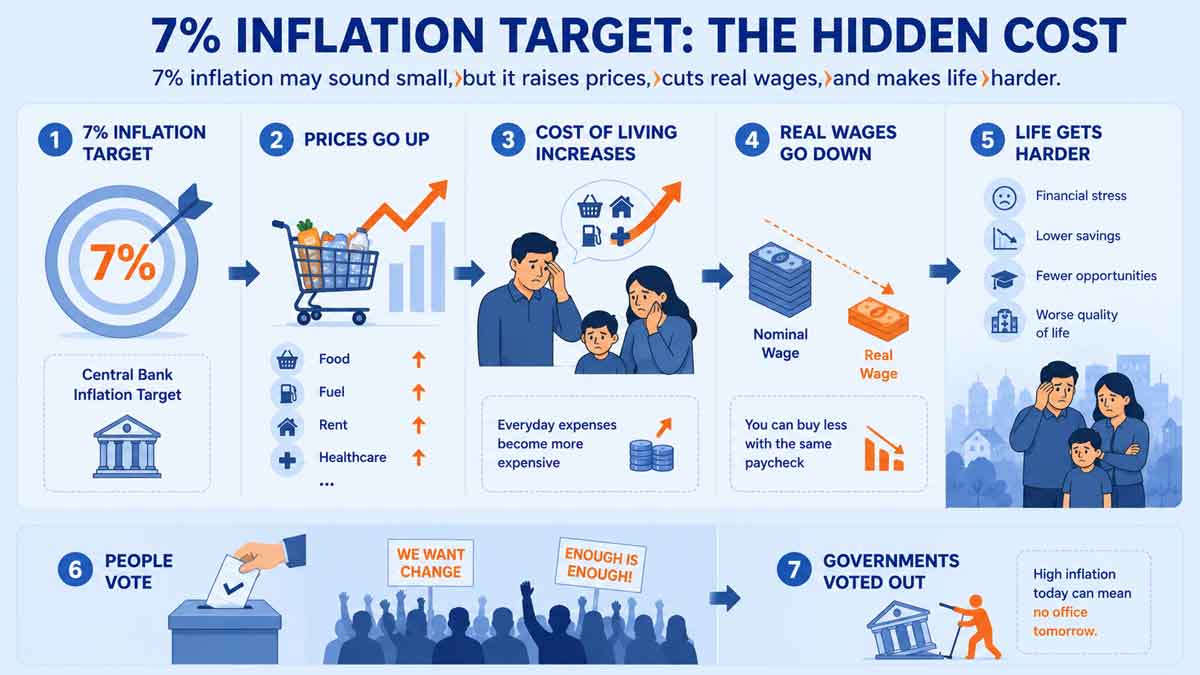
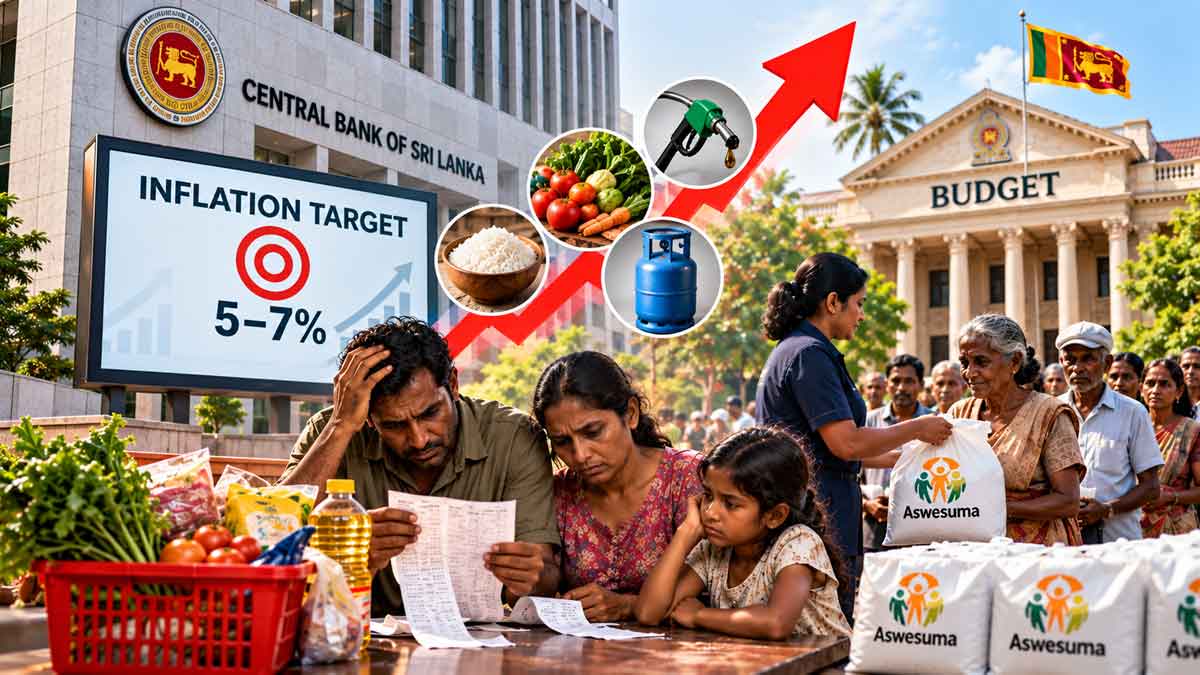
Now inflation has come back to the deadly target with the central bank achieving reflation of an economy that had been stabilized. There is no more talk that deflation is bad.
People are getting restive. Most families are running on thin margins. Thinner margins than those in Europe and the US. Some families were still skipping meals when the inflationists achieved their objective.
The Rule of Macroeconomists
Sri Lanka's default did not happen in isolation just as the US inflation and European inflation did not happen in isolation.
It happened amid the emergence of stimulus, rate cuts and heedless spending as a deliberate policy promoted by central bankers and think tanks.
From 2015, Sri Lanka was on a path to default. The technical assistance to print money deliberately, came from the IMF in the form of calculating potential output.
This gave the doctrinal support for the central bank to print money to try to 'close the gap'.
This is basically the dual mandate of full employment policies in a different label. The narrowing of the policy corridor and mid-corridor targeting was part of the same inflationist package that drove a country without war into default.
The IMF also gave technical assistance for a single policy rate after Sri Lanka defaulted. This year the IMF supported the central bank in its quest to reflate the country by 5-7 percent a year and undermine democracy.
It is part of the corruption of economics and extreme John Law false doctrine that has gripped Washington, and the IMF.
Sri Lanka's Gotabaya Rajapaksa's exact 'policy support' formula of tax and rate cuts was invented by the Oxford educated UK Chancellor of the Exchequer Anthony Barber which led to widespread strikes in the UK in the early 1970s.
Margarat Thatcher, who was Education Minister learned a lesson.
It is this temporary inflation boom that Sri Lanka's macro-economists and the IMF relies on to mislead elected governments to allow high inflation which then leads to currency problems, price controls, shortages, and political unrest.
The first currency collapse in 2026 has now taken place in Sri Lanka in a decisive blow against a democratically elected government.
Even if Trump is impeached, there is unlikely to be much of a change. The macro-economists are ruling and pulling the economic strings with the floor system, ample reserves and the dual mandate.
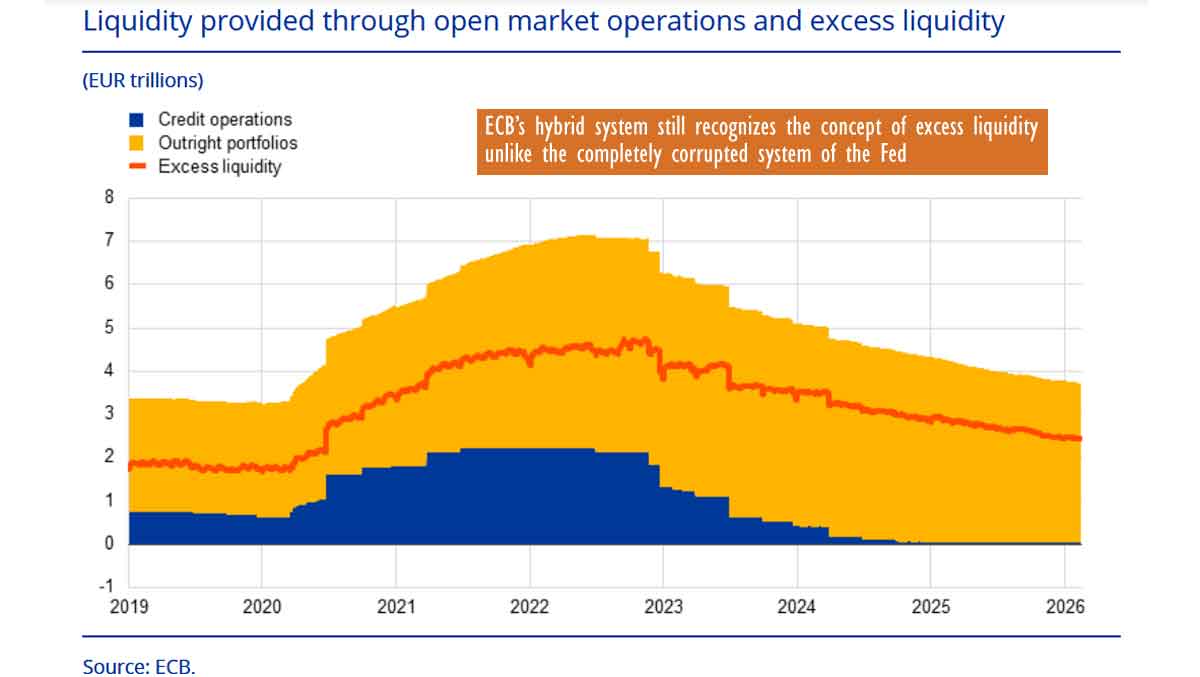
The excess liquidity accommodates all shocks, whether it is the Iran war or AI investments from bank borrowings financed by excess liquidity of speculative asset purchases.
Democracy and elections are powerless to change the direction of a nation if the central bank is independent and it has an inflation bias.
Budgets Destroyed by 26 Years of Stimulus
In the US tech giants (read capitalists) are blamed for the economic crisis, because they supported Trump. Some supported Trump in part because of the socialism of the Democrats.
Wall Street also got blamed for the Stiglitz-Bernanke reflation from 2000 that led to the Housing Bubble.
The US and Western nations have an additional problem. When the Britain Woods collapsed and inflation and interest rates went up the political leadership in the US and UK went back to economics in less than a decade.
With perhaps 6 years of full-employment policy in the 1960s.
When World War I and World War II ended, there was no positive inflation under the gold standard. When expenses were cut they stayed cut. It is not so under positive inflation targeting.
But the current rejection of economics has gone on for 26 years, starting from the deliberate reflation promoted by Joseph Stiglize and Ben Bernanke that triggered the housing bubble, which was then followed by heedless spending and the ample reserves regime.
Now government finances are shot.
Advanced nations that did macroeconomic calibration and data driven monetary policy rejecting economics are in a far worse situation than the British Cambridge economics driven debt crisis of the 1970s that required the biggest IMF program up to then.
Debt crises and outright default is looming including in the US. If the US defaults there will be a lot of problems. (Colombo/Nov04/2026)

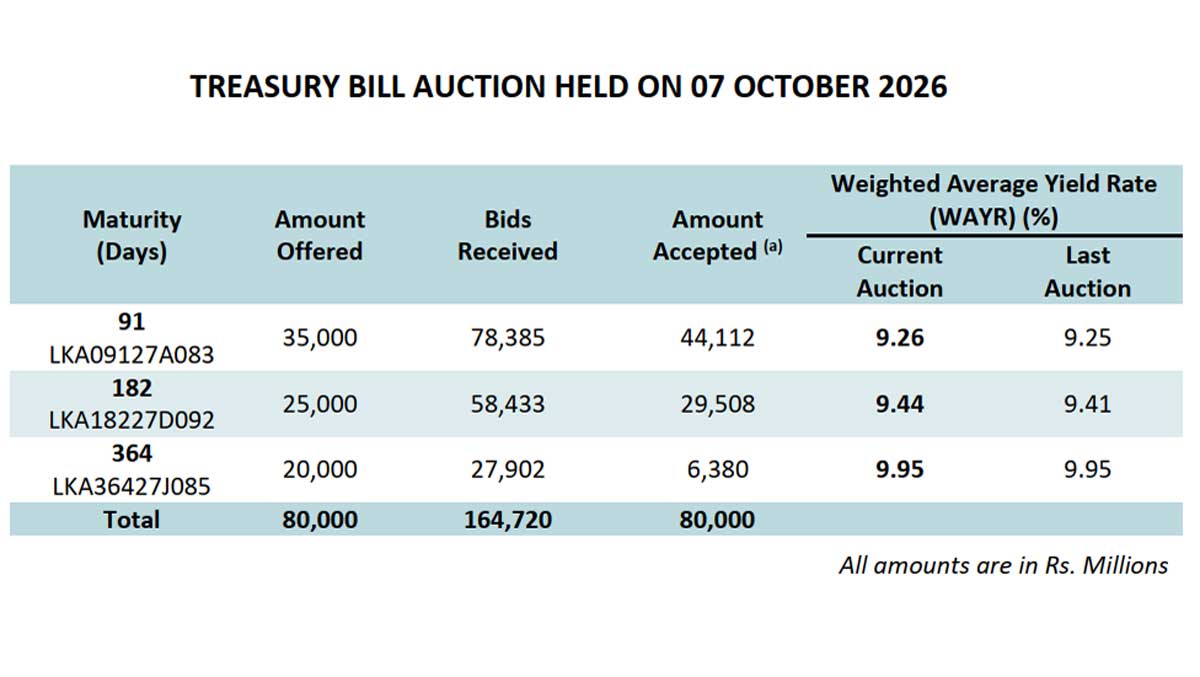
| 3 month bill | 9.26% | 1bp ▲ |
| 12-m bill | 9.95% | 2bp - |
| Gold (Ounce) | $4015 | - ▼ |












Comments
Be the first person to comment and join the debate