
Share your email and we'll share the latest news
Exclusive economic intelligence, political and business coverage
Monday, November 2 2026
Monday, November 2 2026
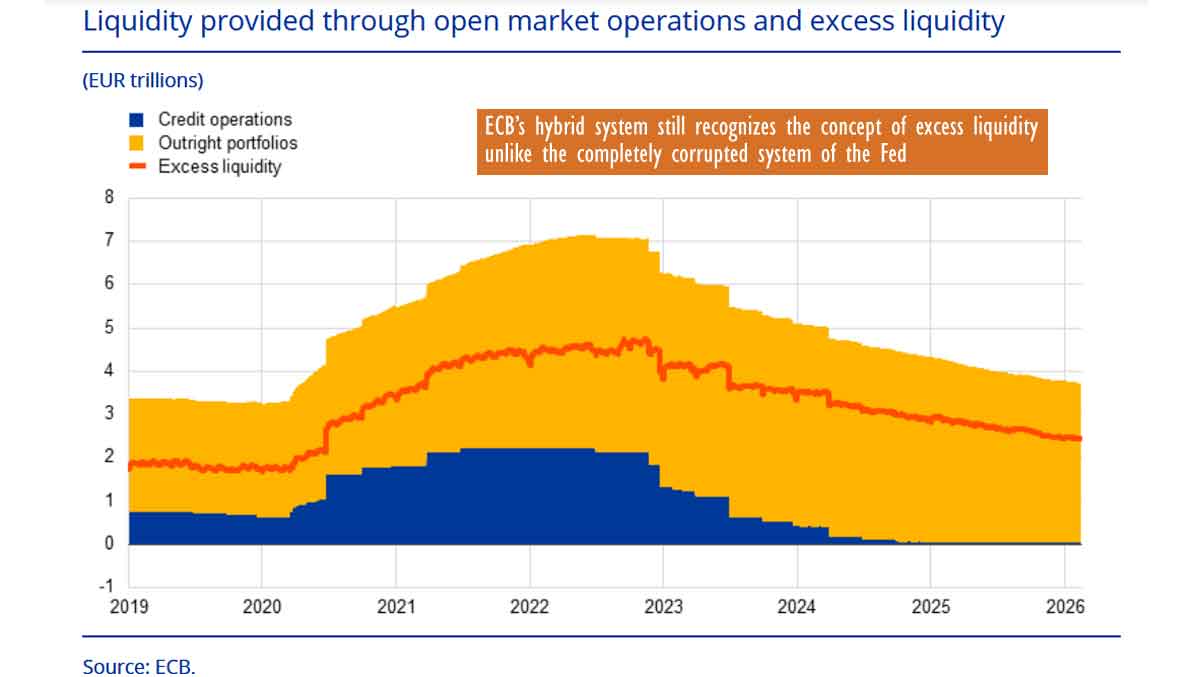
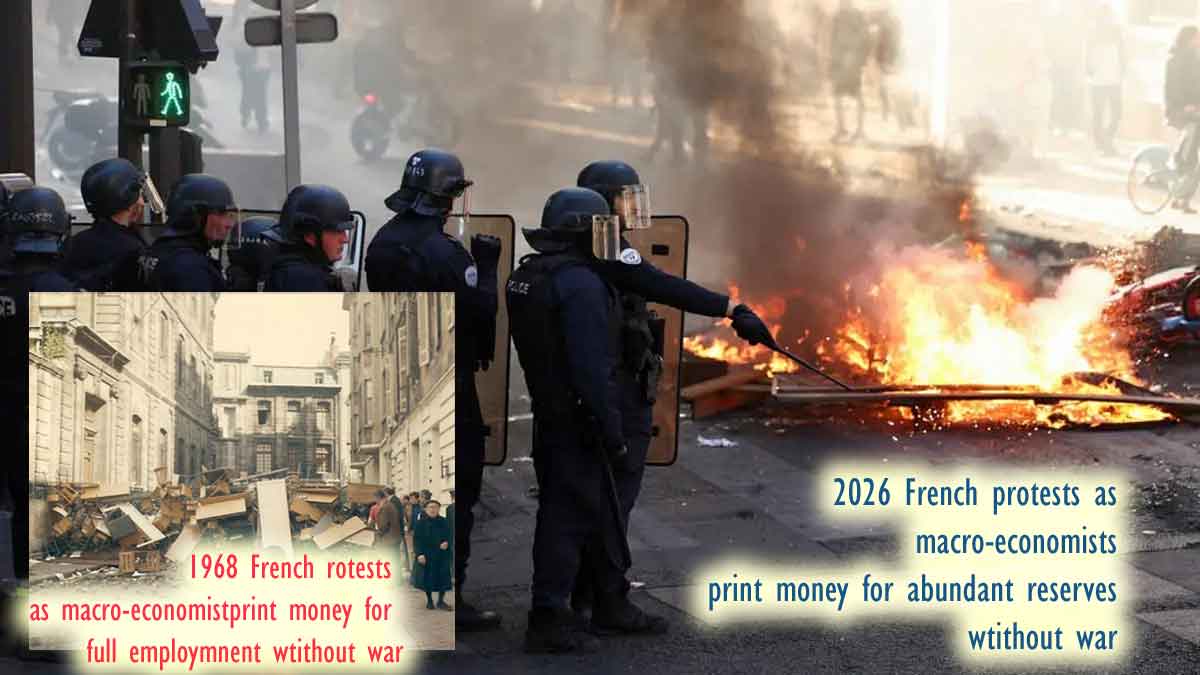
MONETABRIEF – Germany, the nation that held the line against Cambridge, Harvard and MIT inflationism after World War II, has seen violent anti-inflation protests as Christine Lagarde the under whom the ample reserves regime was legitimized in Europe stepped down.
Protests started in France shortly before Large announced her early retirement and spread to Italy and now Germany.
"Tens of thousands of young Germans took to the streets to protest against rising living costs, poor education, and Chancellor Friedrich Merz's government," Germany's Deutsche Welle said.
"Inspired by France's youth protest movement, the demonstrations were organized under the banner "Gen Z regelt."
Two days earlier, Christine Lagarde, who heads the European Central Bank which had created the inflation that has pushed people against the wall, announced her resignation, leaving politicians to face the music.
Unlike Sweden and Switzerland, the European Central Bank has been unable to control inflation effectively for many years after printing money and abandoning its scarce reserve regime.

GOOD BAD AND THE UGLY: The Riksbank which has effectively returned to a scarce reserve regime has had among the lowest inflation in the world, as had some of hard pegs in an unusual development
Under Lagarde, who came from a stint at the International Monetary Fund in Washington, excess liquidity with a floor system was legitimized by the ECB in March 2024.
Before Largarde, Europeans who became IMF managing directors, or economic counselors, especially from Germany and the Netherlands had had a moderating influence of the academic inflationism of Harvard and MIT which tends to hit the IMF from time to time.
The ECB system still recognizes the extra printed money as "excess liquidity" but the Fed under Powell, removed 'required reserves', in a much more damaging decision.
Though ECB's operating framework has a deadly floor system (single policy rate), it is slightly better than the US, as the agency has continued to shrink excess liquidity and has a slightly wider corridor.
The corridor was also narrowed from an earlier 65 basis points in another policy deterioration in 2024 going further along a path started after the housing bubble.
The Deutsche Bundesbank, before Germany joined the Euro, had a 200 basis point gap in its corridor.
Sri Lanka also narrowed the policy corridor in one of the first miss-steps along with the move to mid-corridor targeting in 2015, which ended in external default.
As the knowledge of economics in Washington deteriorated, Sri Lanka also got technical assistance from the IMF on similar lines.
In 2015 the IMF gave Sri Lanka technical assistance to calculate 'potential output' firing a belief in Sri Lanka's central bank that inflation rather than stability drives growth.
A mid-corridor targeting system was devised (a hybrid floor system or single policy rate) triggering serial currency crises, nationalism and ultimate sovereign defaults in the ensuing years
Sri Lanka defaulted in 2022 after a serial crises and heavy foreign borrowings, after surviving a 30 year war under a better framework.
After the default as Sri Lanka regained stability, the IMF gave technical assistance for a 'single policy rate'.
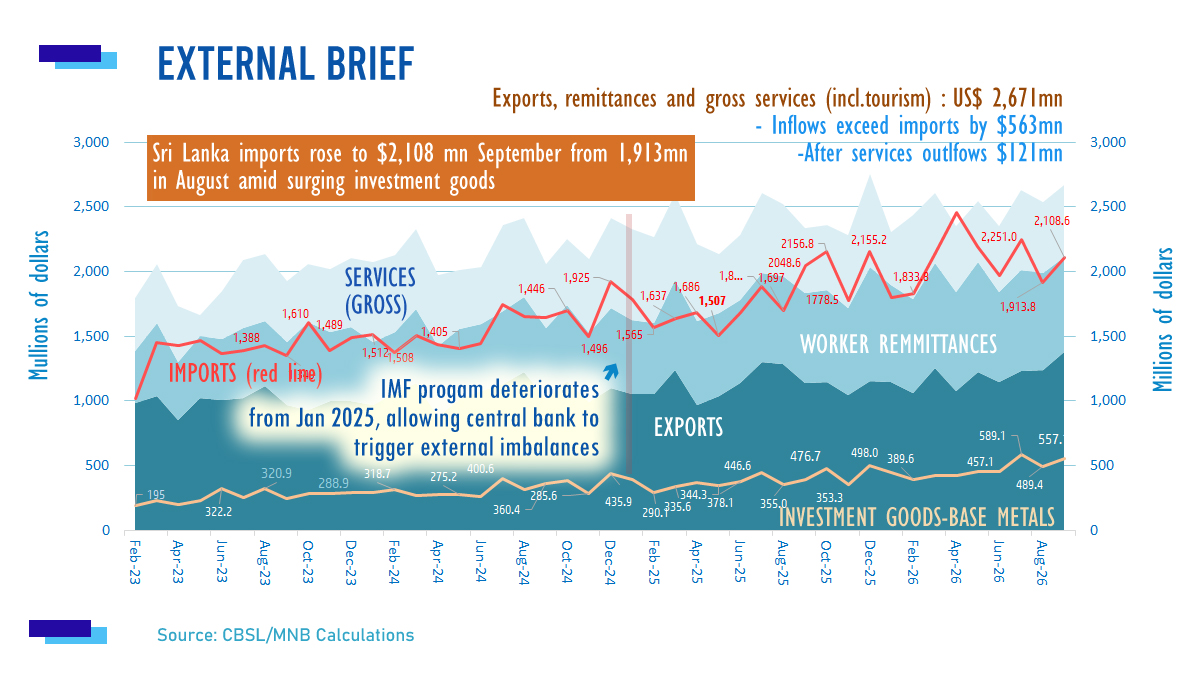
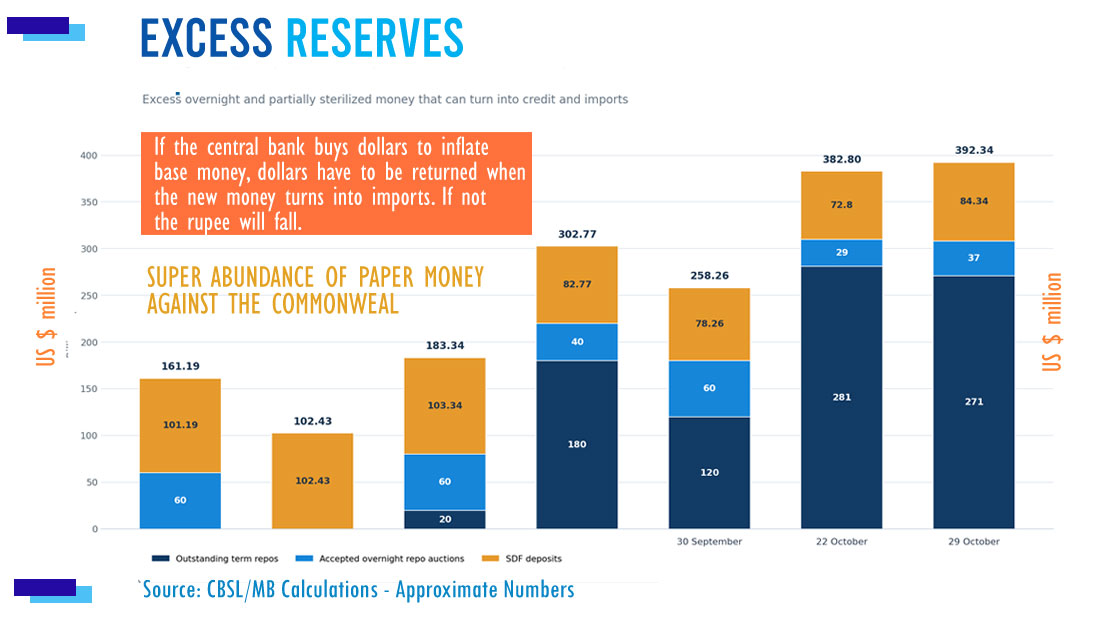
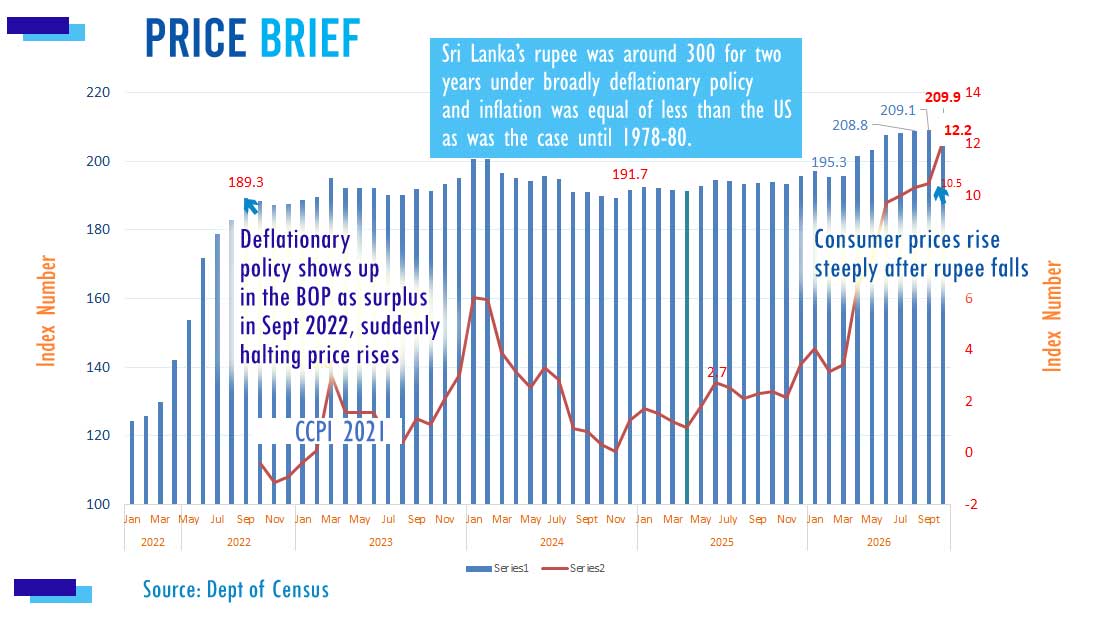
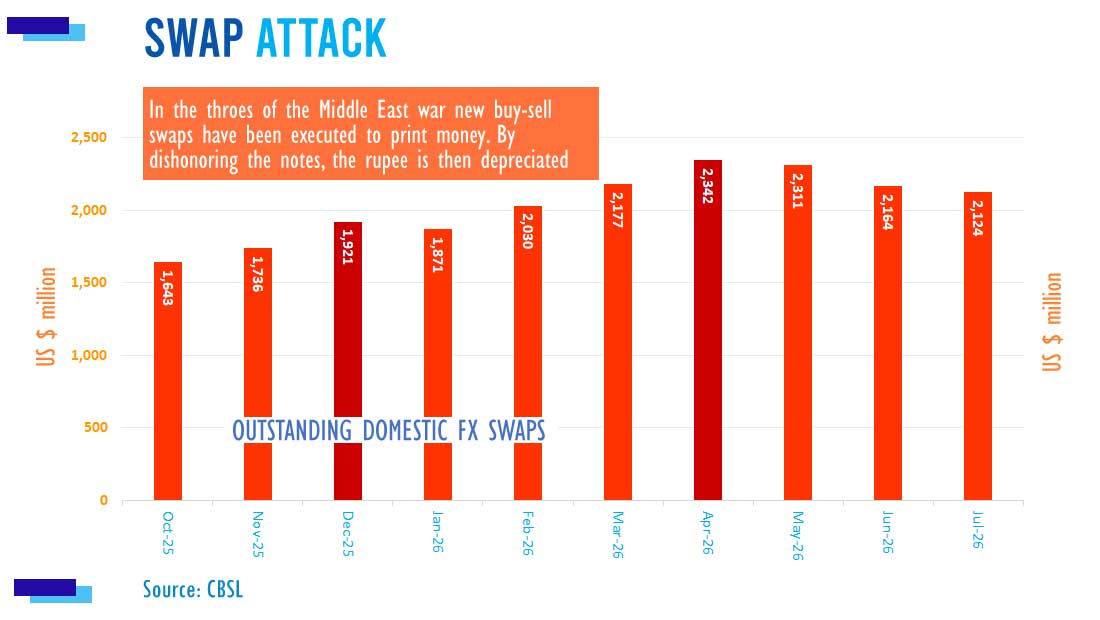
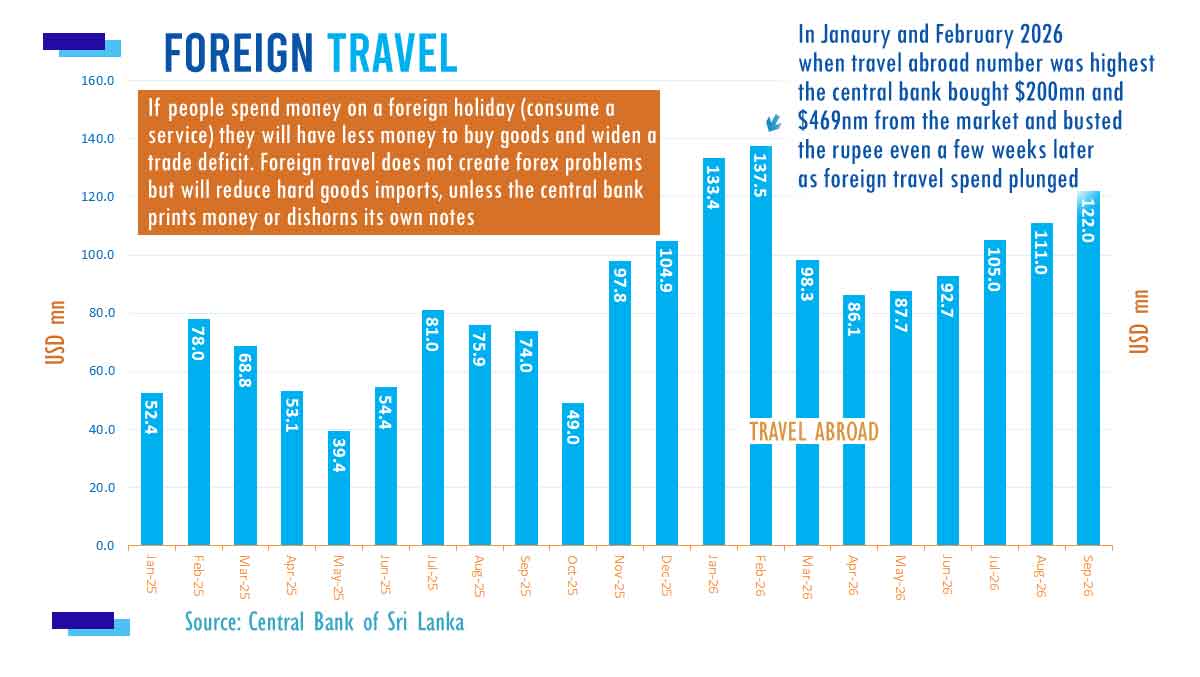
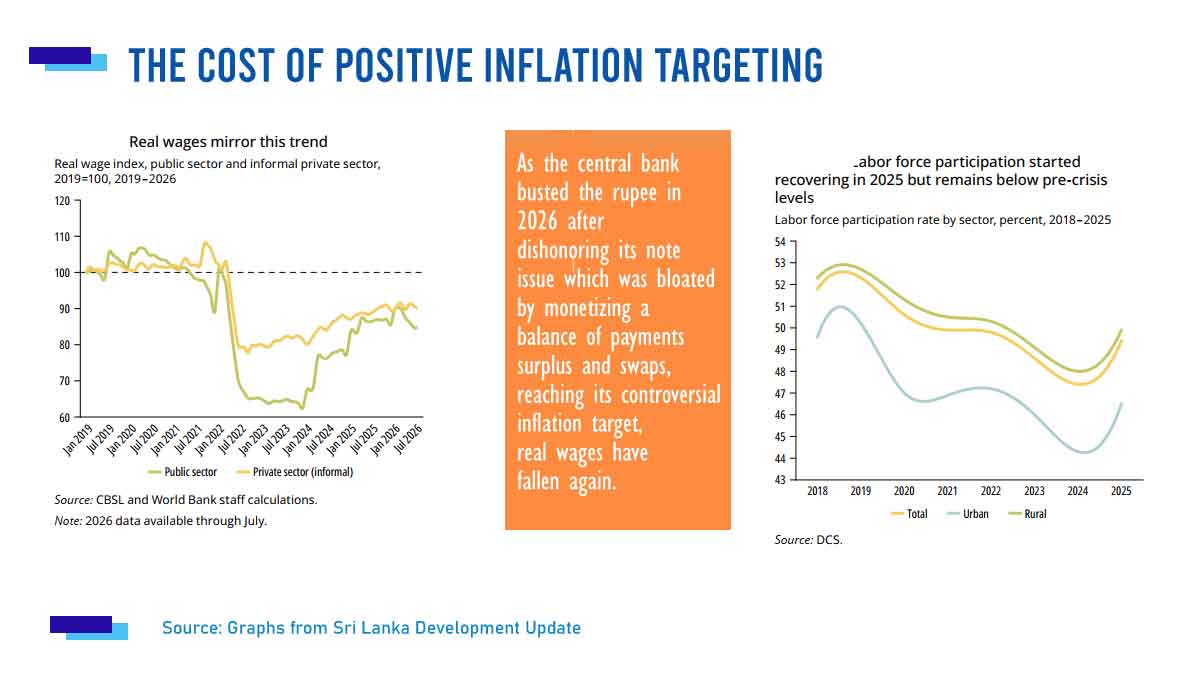
The rupee collapsed in 2026, engineered by monetizing US dollars, in a budget surplus, diverging from previous crises which was linked to dishonoring money created from domestic operations.
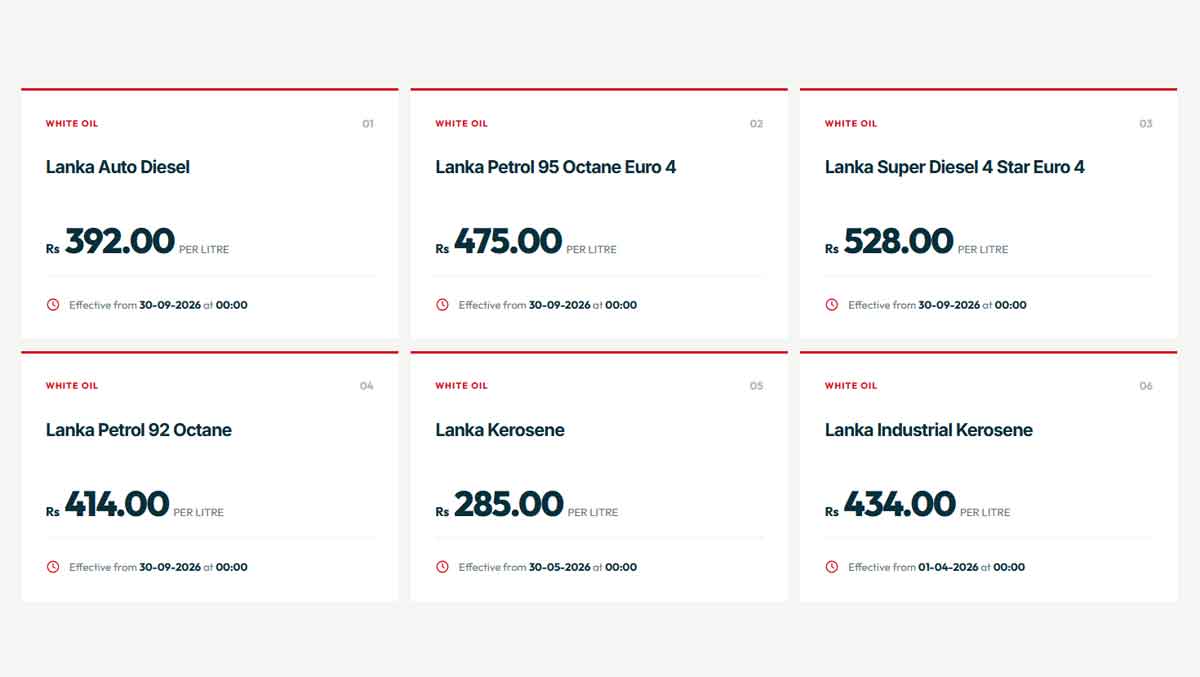
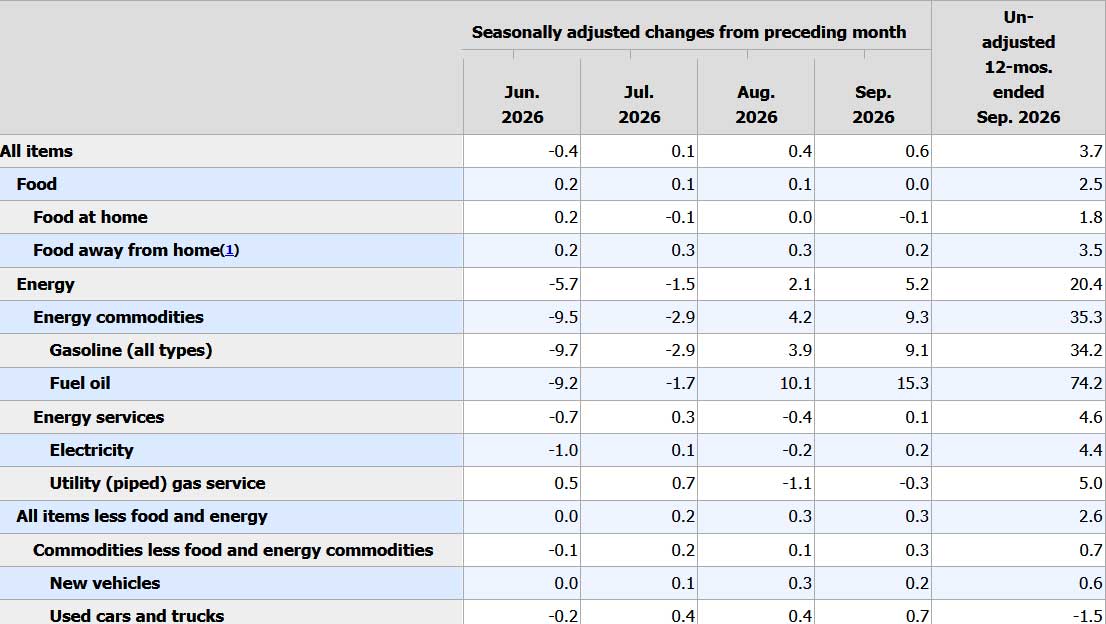
The currency collapse has amplified the effects of a Middle East war, not only driving up fuel prices but also foods, medicine and capital expenditure costs.
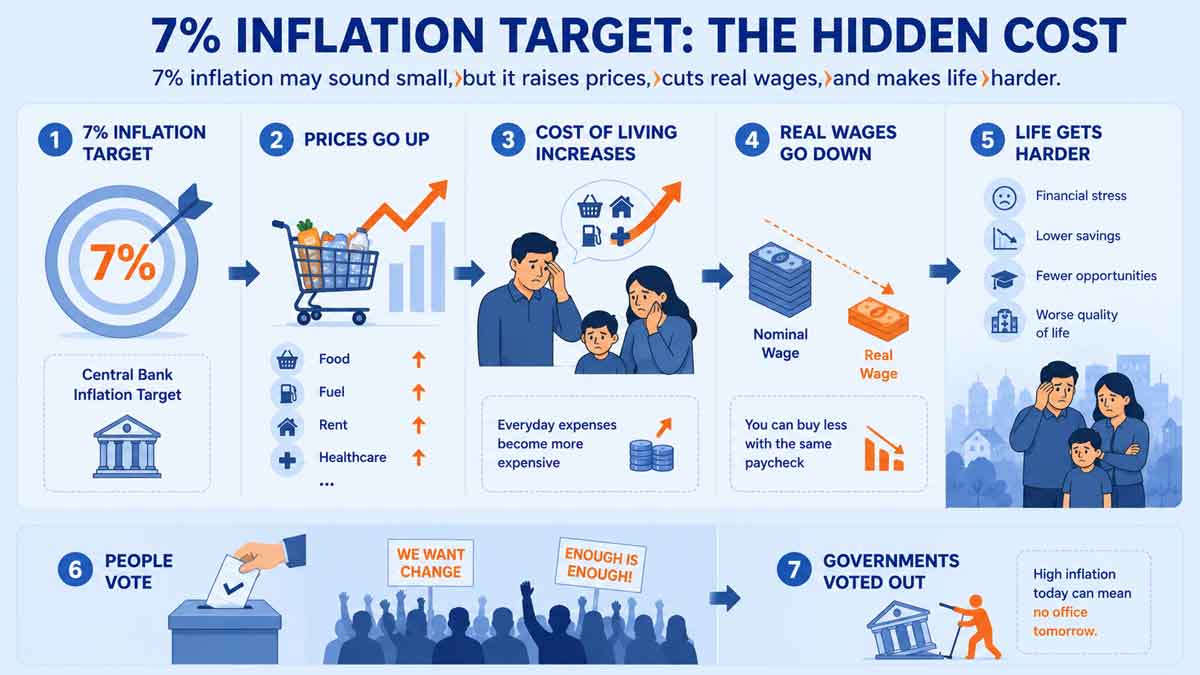
In 2026, the central bank lobbied and got a high inflation target in the belief that instability will drive growth, after missing its already high 5-7 percent target.
Flexible inflation targeting and an IMF program where central banks facing external crises were monitored by an inflation target was also devised around 2014 (monetary policy consultation clause), which was fundamentally incompatible with a reserve collecting central bank.
A high positive number in the monetary policy consulation clause, encouraged Sri Lanka's central bank to cut rates to push up cost of living, prompting triggering a currency crisis.
It removed the last vestiges of the Polak Model, devised by former head of IMF research division, Jacques Polak, under the classical economic principle of the price-specie-floor mechanism of Hume and Ricardo.
Polak retired in 1979. In the 1980s the term 'IMF riots' came into use as stabilization programs failed and the Latin America defaults emerged in the wake IMF's Second Amendment to its articles.
When inflation is very high and persistent for many years under independent central banks, both parties in a two-party system are discredited. Nationalists then come to power.
In Sri Lanka, nationalists were elected to power after the second currency crisis in 2018. The nationalists continued inflationary policy triggering Latin America style peacetime default with steep monetary debasement and street riots.
In Sweden where the Riskbank returned to a scarce reserve regime, nationalists lost in the elections.
Countries with pegged exchange rates default earlier as they currency crises emerge quicker from inflationary policy. However under floating rate regimes, defaults can take longer requiring prolonged inflationary policy.(Colombo/Nov02/2026)

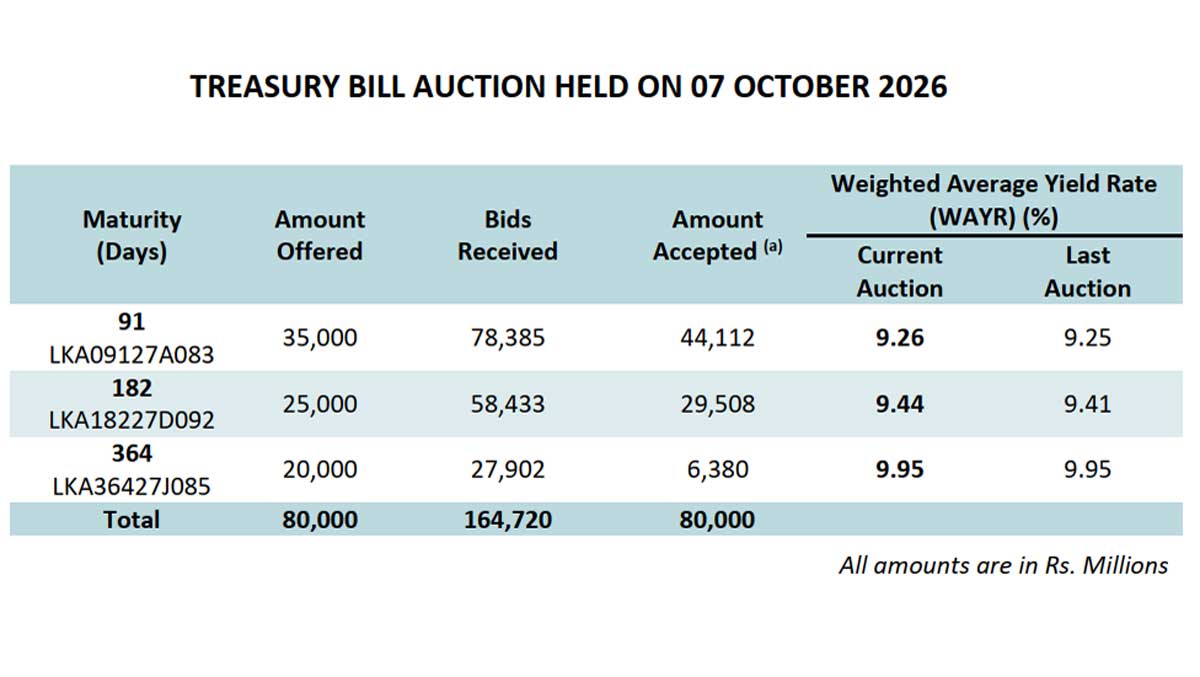
| 3 month bill | 9.26% | 1bp ▲ |
| 12-m bill | 9.95% | 2bp - |
| Gold (Ounce) | $4015 | - ▼ |



















Comments
Be the first person to comment and join the debate