
Share your email and we'll share the latest news
Exclusive economic intelligence, political and business coverage
Saturday, October 31 2026
Saturday, October 31 2026
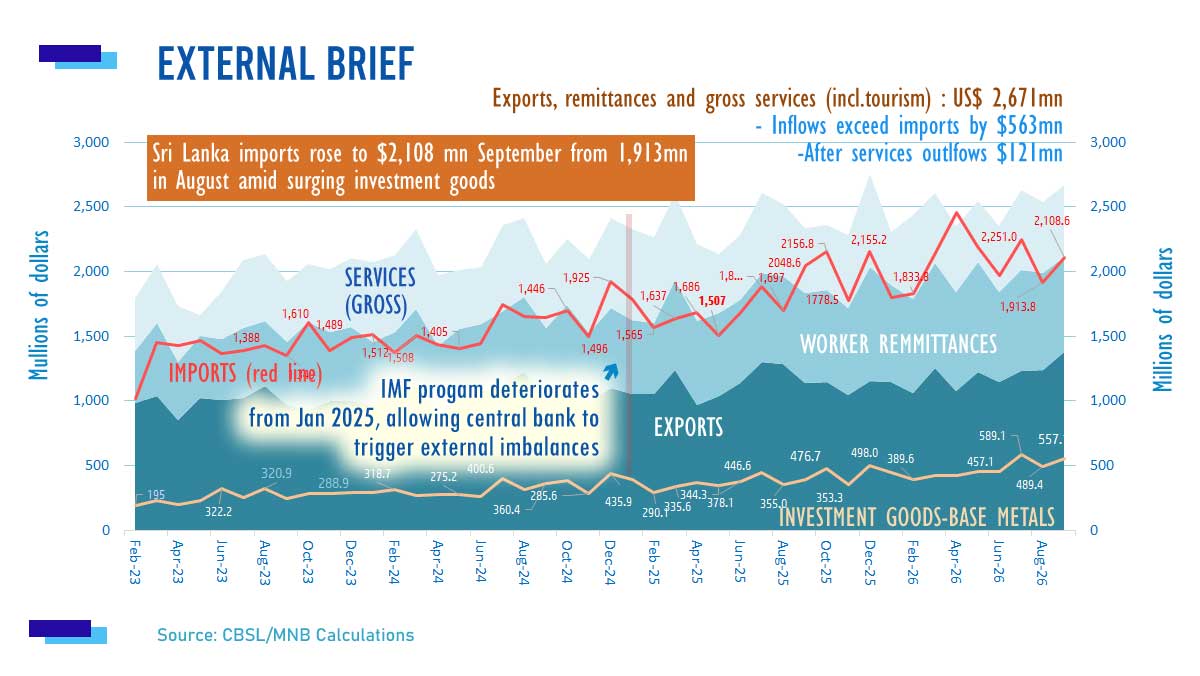
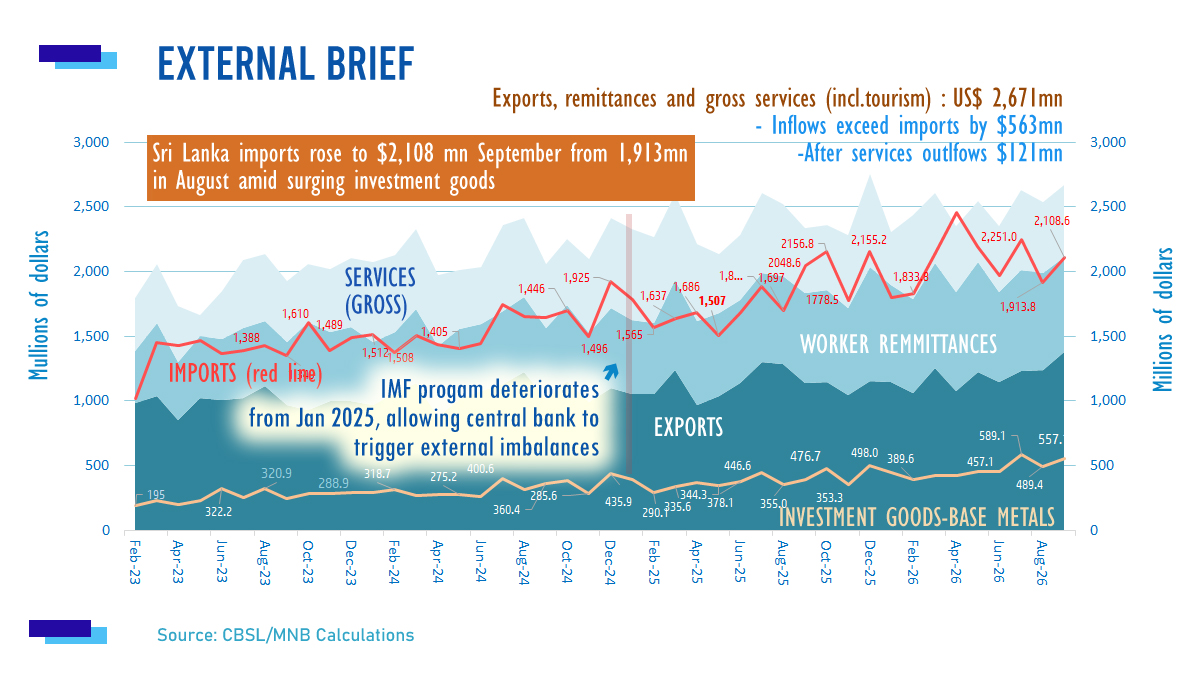
MONETABRIEF – Sri Lanka's current foreign exchange inflows hit a new high of 2,671 million US dollars in September 2026, up from 2,337 million last year, exceeding imports by 563 million US dollars, official data show.
Forex inflows came as Exports of 1,377 million dollars, remittances of 734 million dollars and gross services including tourism of 557 million dollars, highest since July 2026.
Imports were only 2,108 million dollars, slightly up from 2048 million dollars in September 2025.
Car imports, fell to $144mn in September 2026 from $227mn last year
Investment goods imports hit $506mn in September 2026, up from $347mn last year, showing the futility of trying to control individual imports (money is fungible)
Sri Lanka has a trade deficit because people in the country earn dollars through activities other trade merchandise exports, such as from remittances, tourist and services exports like information technology.
When they are spent, imports are generated.
Current Account Deficits, Financial Account Surpluses
If the government borrows on a net basis and investors or foreign direct investors invest money in projects (there is a surplus in the financial account) more imports are generated and there could be a current account deficit.
In September the central bank said there was a 123 million dollar current account deficit.
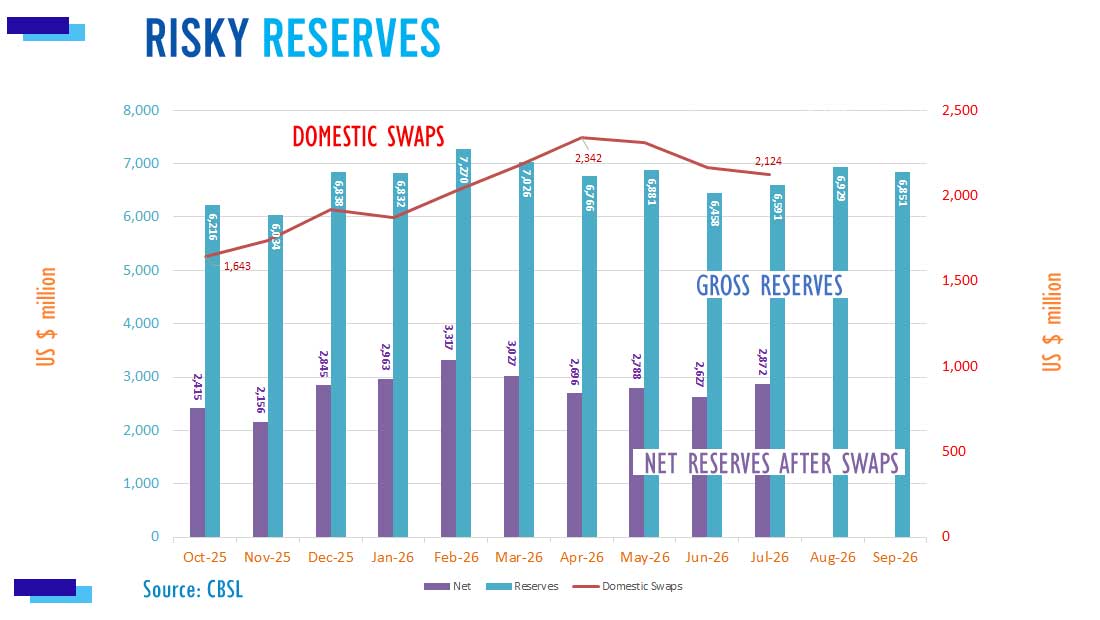
If the central bank prints money on top of that there could be an overall balance of payments deficit and rupee would depreciate.
Because people save money do not spend all their earnings (it does not matter whether people who earn foreign exchange or others who receive the money save), a country like Sri Lanka can easily run a balance of payments surplus.
Vehicle Imports Fall, Investment Imports Up
Savings become imports through investment credit.
Car imports, defined as a consumption good, though some of it is financed by credit, fell to 144 million dollars from 227 million dollars.
Investment goods imports hit 506 million dollars in September 2026, up from 347 million dollars last year, showing the futility of trying to control individual imports.
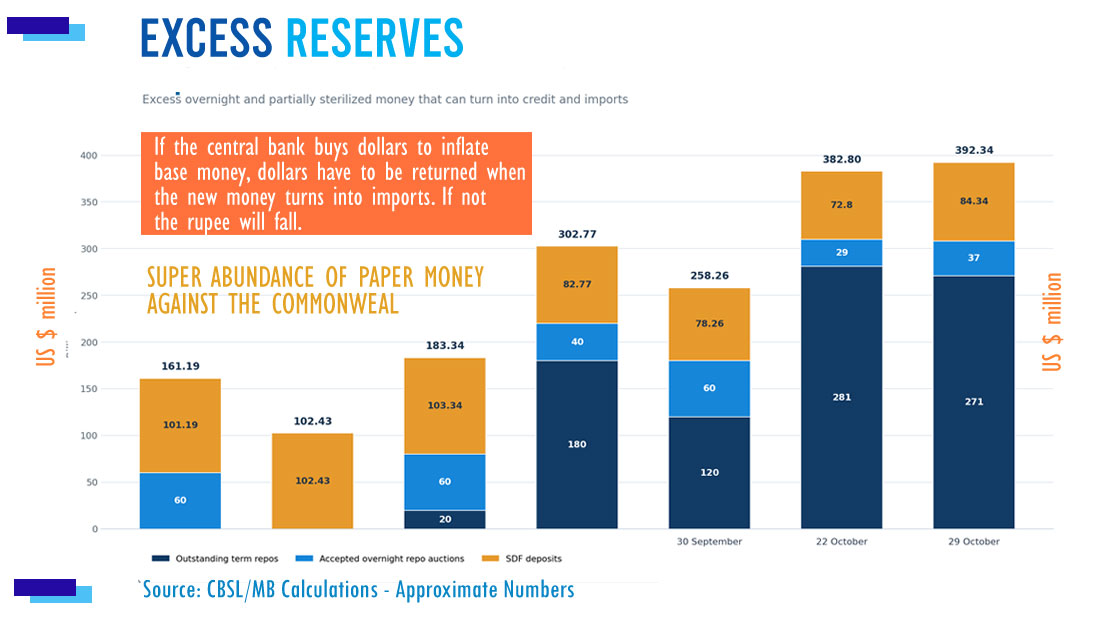
If the central bank does not print money through open market operations or other means, banks are limited to giving credit with savings and loan repayments and there would be no pressure on the currency.
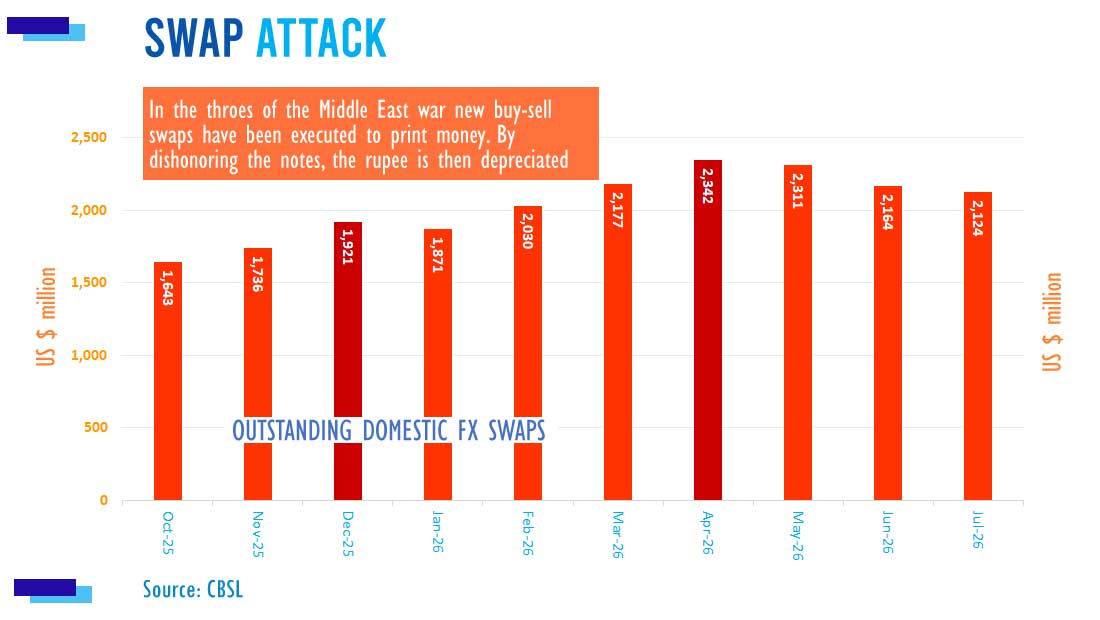
However the central bank prints money through buy-sell fx swaps or other means and the new money is made into imports either through consumption or investment credit, the rupee would come under pressure.
If the central bank over purchases dollars above a balance of payments surplus (created by deflationary policy such as coupons paid into the central bank by the Treasury) the rupee will depreciate.
If the central bank buys dollars heavily in one month for new money and refrains from giving dollars back when they turn into imports the rupee would depreciate.
The central bank was able to build up excess liquidity (inflate the note issue with excess or redundant notes) and pressure the rupee with inflationary policy from early 2025 after the International Monetary Fund program lost its ability to restrain its inflationary policy.
Before that the central bank was forced to sell down its domestic assets, triggering balance of payments surplus and also current account surpluses if debt repayments or reserve building exceeded inflows through the financial account.
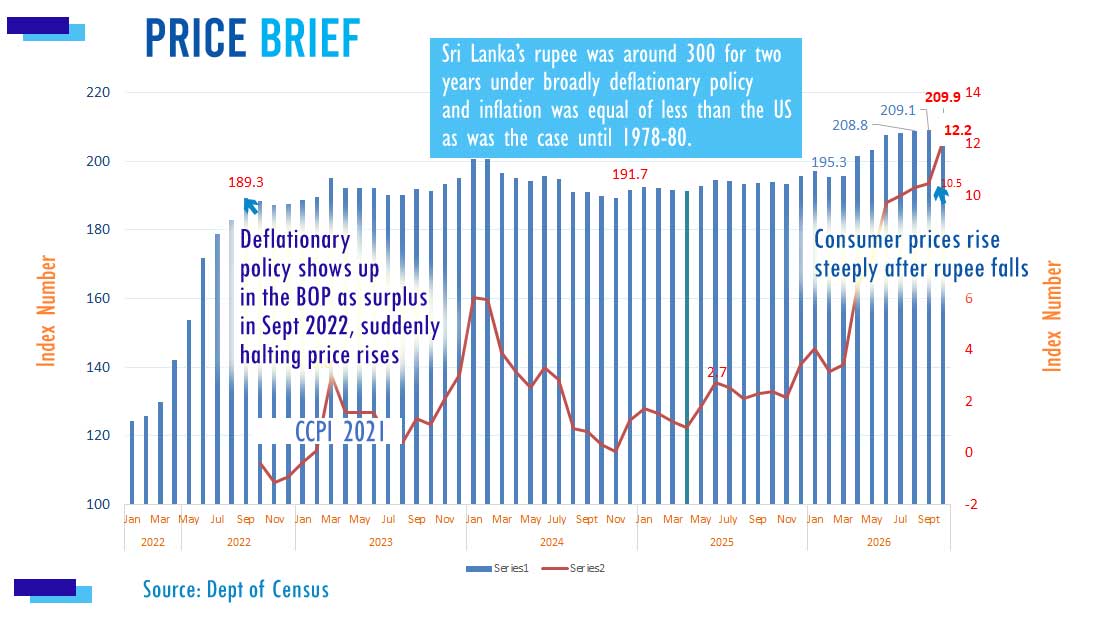
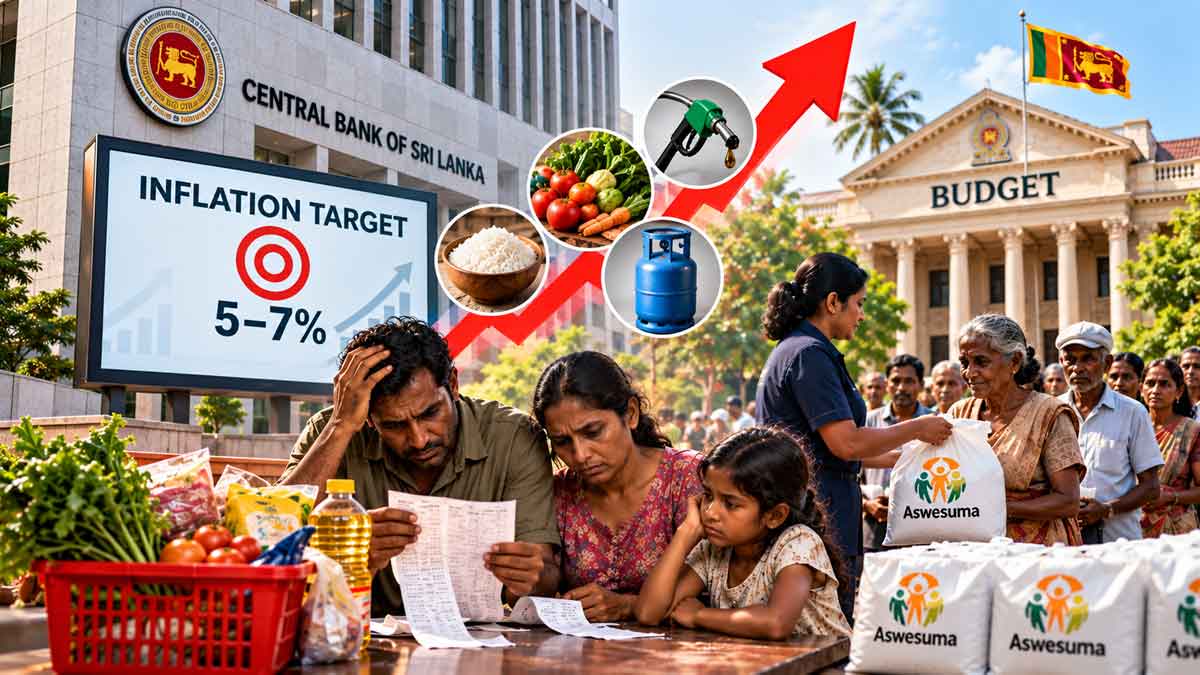
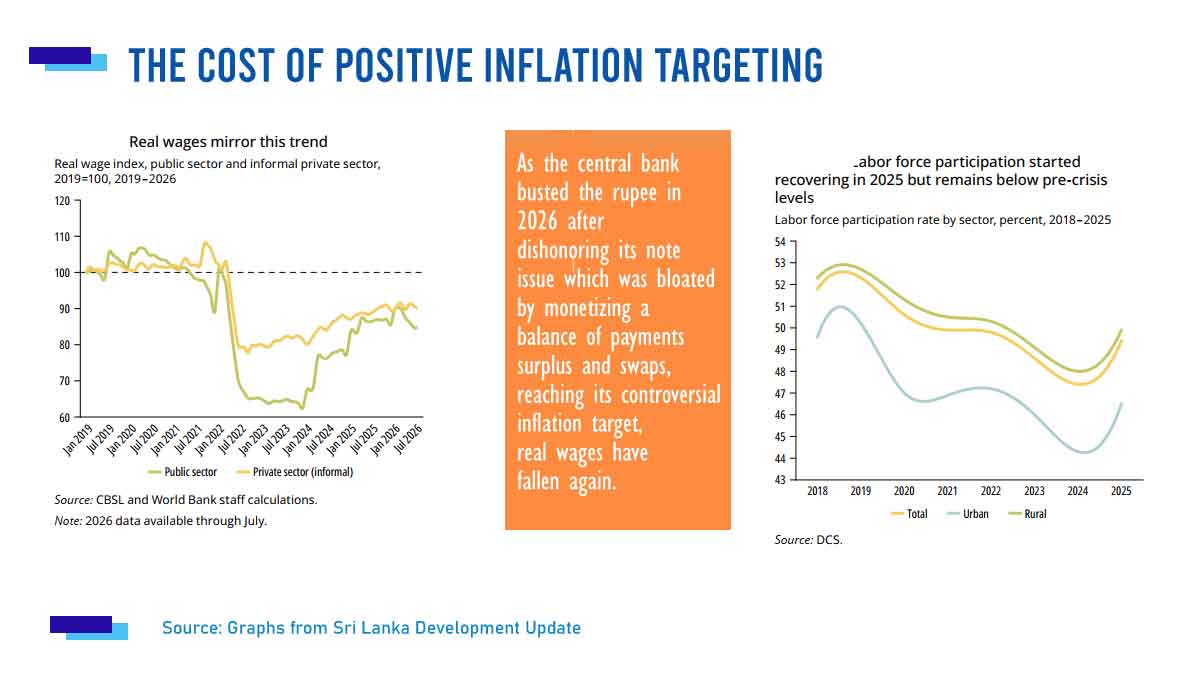
In the second quarter of 2026 the central bank dishonored the notes it created by monetizing balance of payments deficits and busted the rupee and pushed up inflation to 8 percent.
Other countries which faced high oil prices but with stable exchange rates have faced between 1.7 to 3.5 percent inflation. (Colombo/Oct31/2026)

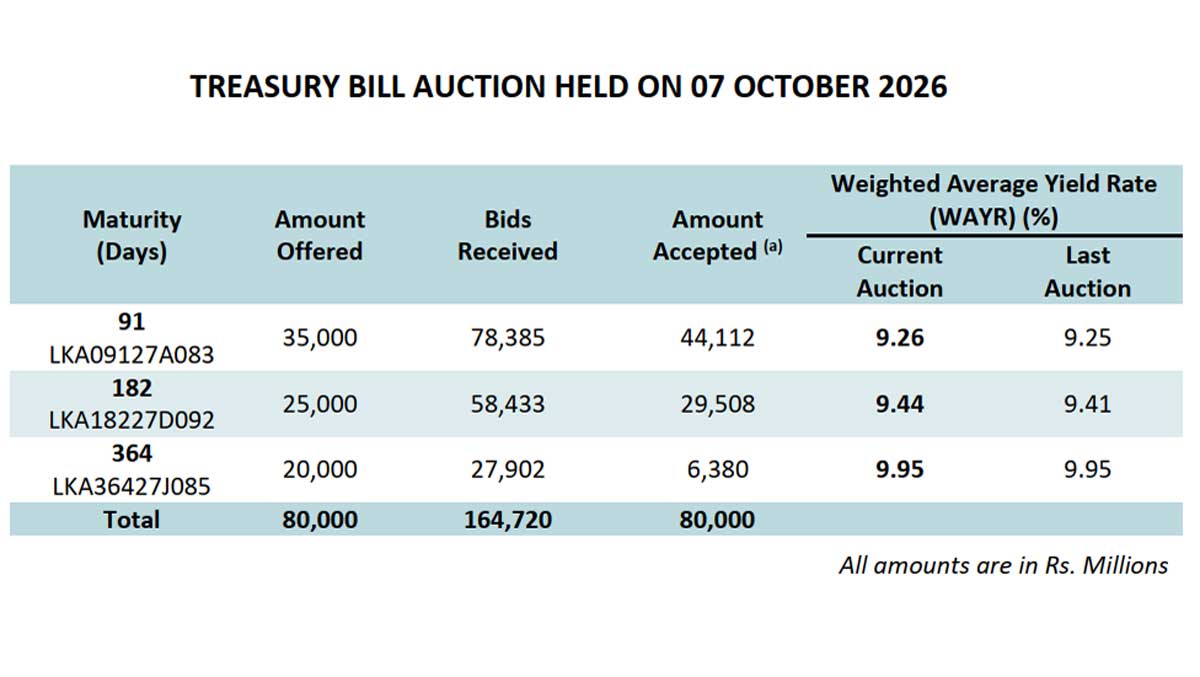
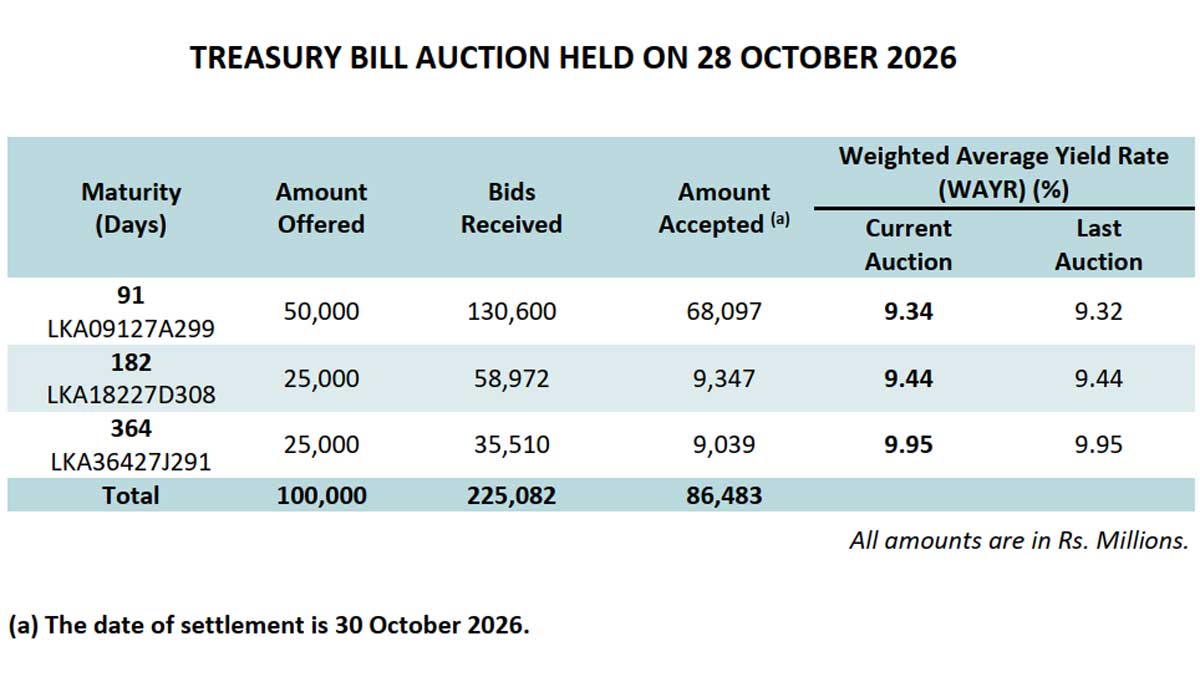
| 3 month bill | 9.26% | 1bp ▲ |
| 12-m bill | 9.95% | 2bp - |
| Gold (Ounce) | $4015 | - ▼ |


















Comments
Be the first person to comment and join the debate