
Share your email and we'll share the latest news
Exclusive economic intelligence, political and business coverage
Thursday, October 1 2026
Thursday, October 1 2026
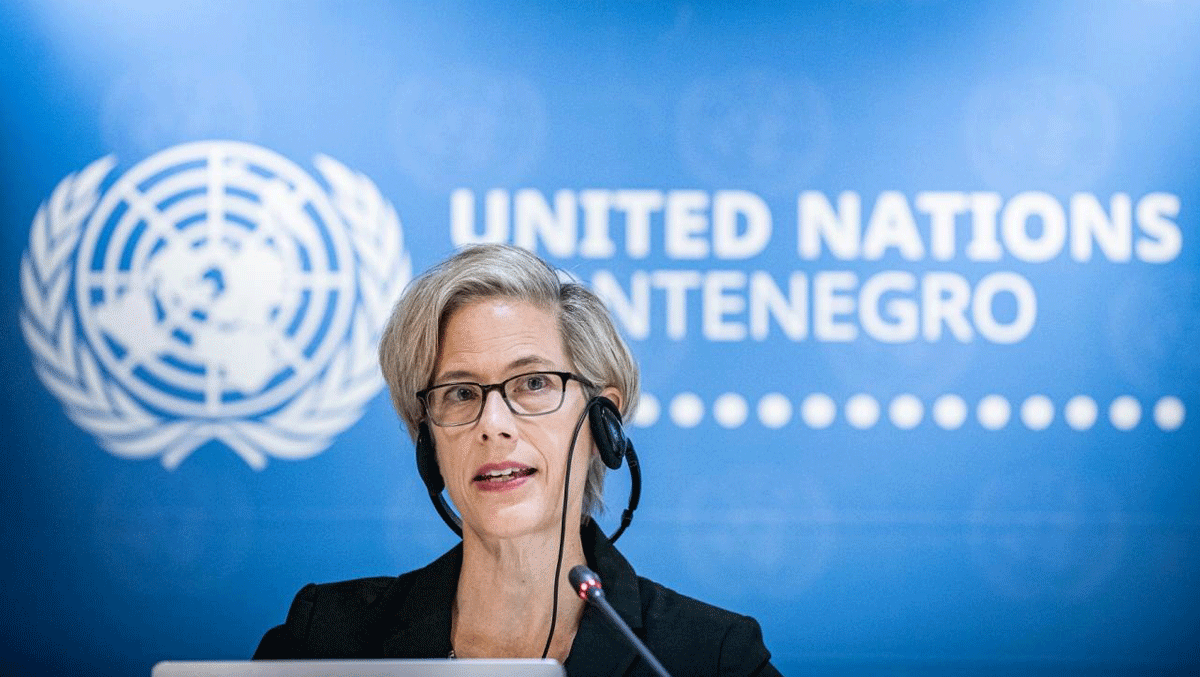 REPLY: Margaret Satterthwaite, the Special Rapporteur on the independence of judges and lawyers has raised concerns over extending the retirement age of Sri Lanka judges
MONETABRIEF – Sri Lanka is setting out its rationale for proposed legal reforms to the international community in a response to a UN expert who raised concerns about judicial independence, a Foreign Ministry source said.
The government has decided to send a detailed reply to Margaret Satterthwaite, the Special Rapporteur on the independence of judges and lawyers to the UN human rights body in Geneva, following her letter to President Anura Kumara Dissanayake last week.
“At the time she raised her concerns, the text of the draft 22nd Amendment Bill had not been published,” the source told Monetabrief. “We are providing her with that, as well as a copy of the Judicature (Amendment) Bill.”
Unlike in the past, when Sri Lankan leaders dismissed UN rights experts as “terrorists”, the leftist administration has decided to engage the foreign expert without rancour, opting for frank dialogue rather than the dismissive rhetoric of the past.
An advance copy of Satterthwaite’s letter, dated 7 August 2026, had been given to Sri Lankan authorities a few days earlier in a bid to publish the correspondence alongside Colombo’s response.
The ministry source said the authorities decided to make a detailed response after the two bills were published in the Gazette of 7 August 2026.
By Sunday, the government had finalised a detailed response to the UN expert, pointing out that the 22nd Amendment, which extends the mandatory retirement age of superior court judges, is one part of a broader judicial reform.
The Judicature (Amendment) Bill proposes to increase the maximum number of High Court judges from 110 to 120, raise the retirement age of High Court judges from 61 to 63, and fix the retirement age of other judges and magistrates at 62.
The government also proposes to decentralise Court of Appeal sittings to the extent constitutionally permissible, including in accordance with Article 138(2) of the Constitution.
Under the proposed reforms to the criminal justice system, the government is also recruiting 10,000 constables to fill about 34,000 vacancies in the police department and hiring 260 minor staff for courthouses.
Among the other key reforms are the establishment of district offices of the Commission to Investigate Allegations of Bribery or Corruption (CIABOC). The government will recruit 373 investigators for the regional CIABOC offices.
The government is stressing that the proposed reforms are not targeted at individual judges but are part of a general scheme that will apply to all and help clear the backlog of cases. A criminal case in Sri Lanka takes on average 17 years to conclude, while civil cases can drag on for several generations. (Colombo/Aug 16/2026)

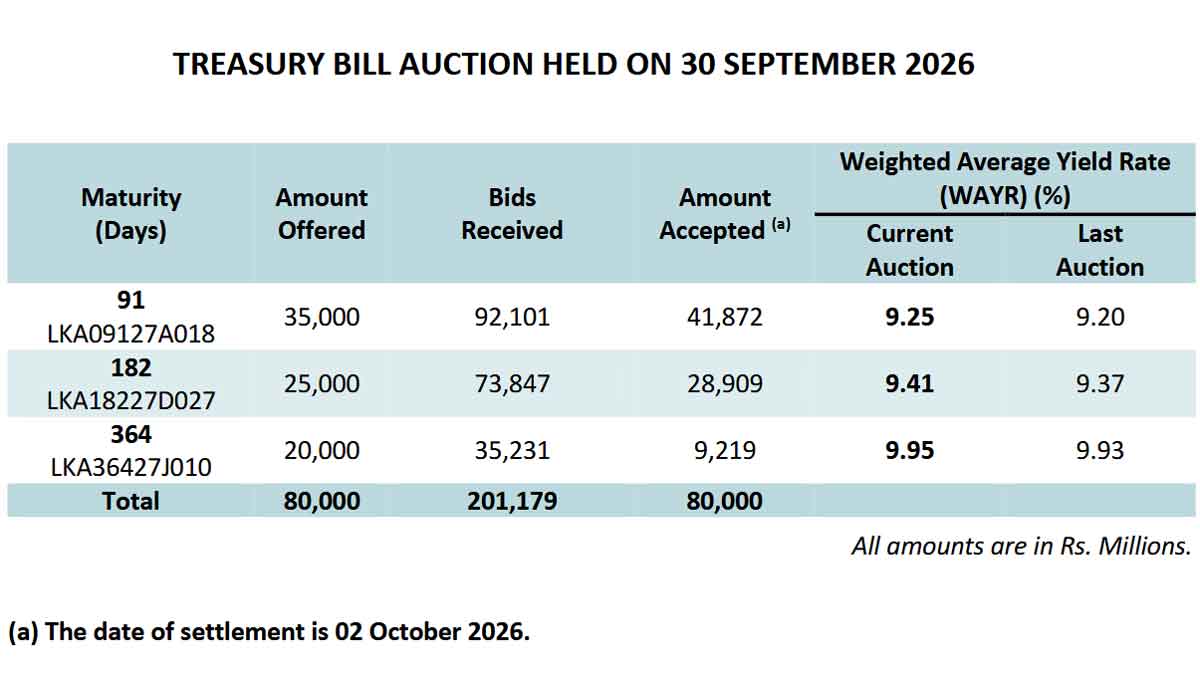
| 3 month bill | 9.25% | 5bp ▲ |
| 12-m bill | 9.95% | 2bp ▲ |
| Gold (Ounce) | $4602 | - - |












Comments
Be the first person to comment and join the debate