
Share your email and we'll share the latest news
Exclusive economic intelligence, political and business coverage
Sunday, October 25 2026
Sunday, October 25 2026
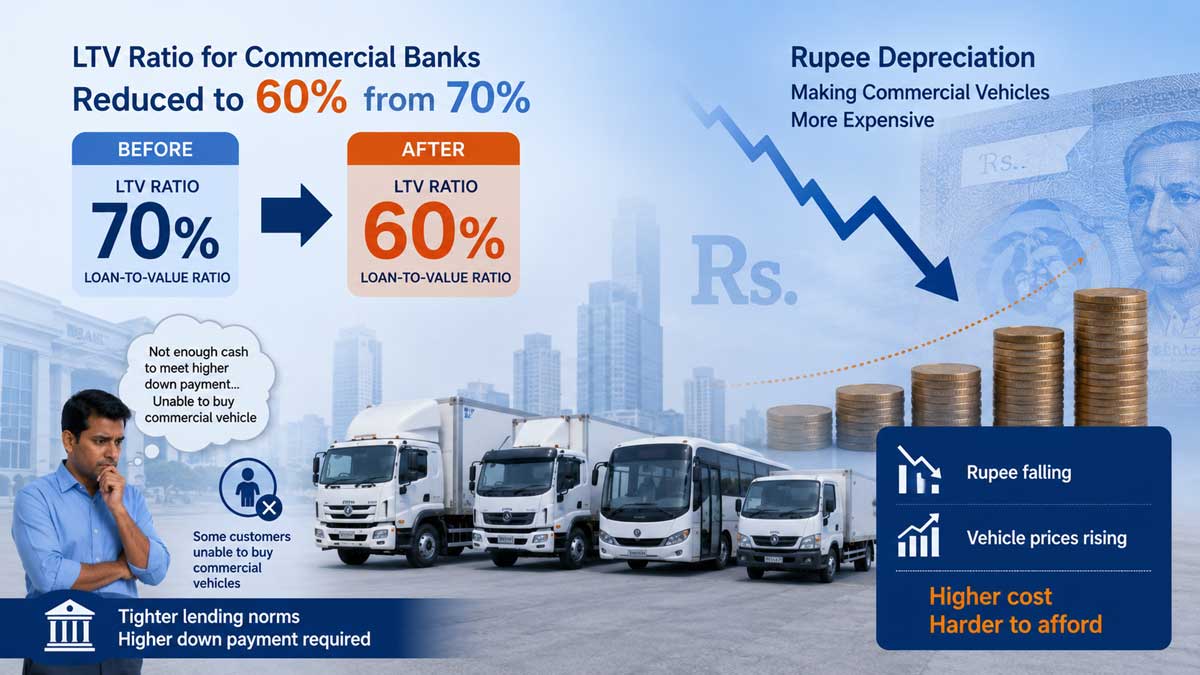
MONETABRIEF – The tightening of a loan to value ratio by the central bank is make commercial vehicles unaffordable to for a "significant" share of customers in Sri Lanka, who do not have ready cash, a top distributor and the islands sole assembler, has said.
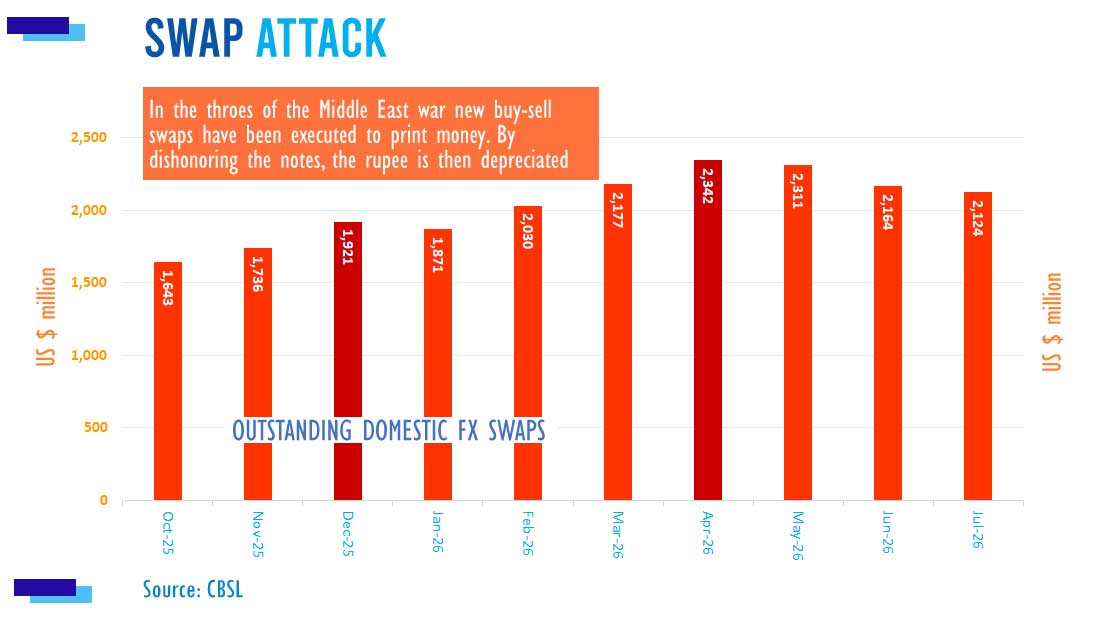
In May 2026 the central bank reduced the maximum value a loan can be given to commercial vehicles to 60 percent from a earlier 70 percent, after triggering a external trouble by cutting rates and printing money through fx swaps, boosting credit to unsustainable levels.
"This regulatory adjustment is expected to constrain vehicle affordability for a significant portion of customers reliant on financing, which may in turn moderate demand growth and influence purchasing patterns in the commercial vehicle market," Lanka Ashok Leyland told shareholders in its annual report.
Interest Rates Corrected After Currency Collapse
Sri Lanka's central bank which cuts rates on a statistical framework to boost 'growth' by printing money under 'flexible' inflation targeting usually hits the breaks and places trade restriction after triggering an external crisis.
The agency then escapes accountability for wrong monetary policy by depreciating the currency exchange rate as the first line of defence (interest rate as the last line of defence).
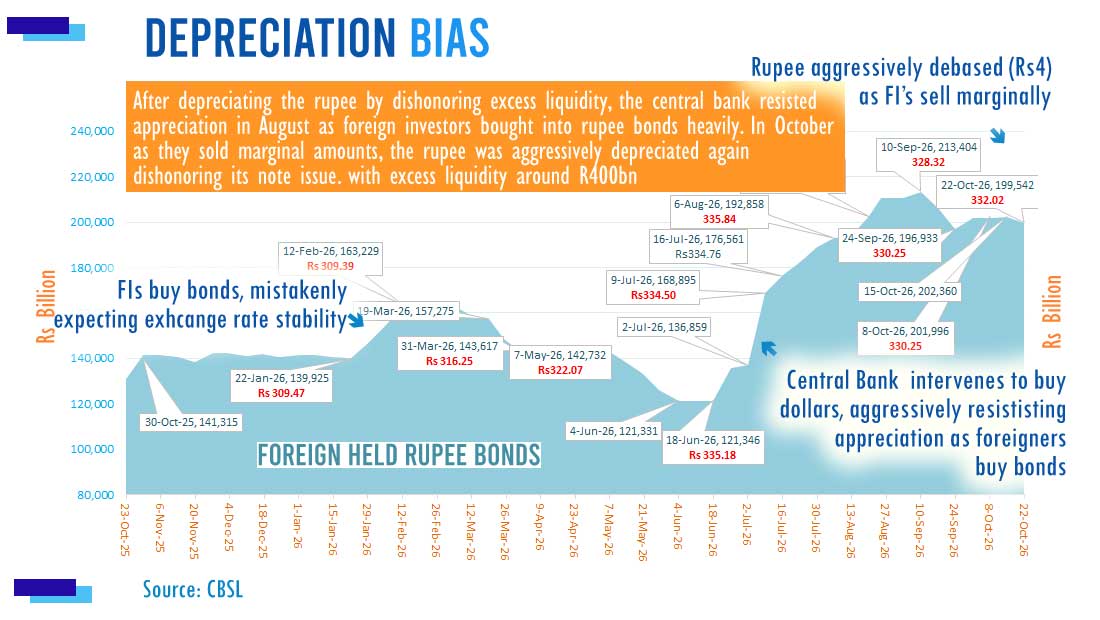
By end March 2026 the rupee fallen to around 319 rupees, the firm said. Since then it has fallen to around 335 to 340 to the US dollar.
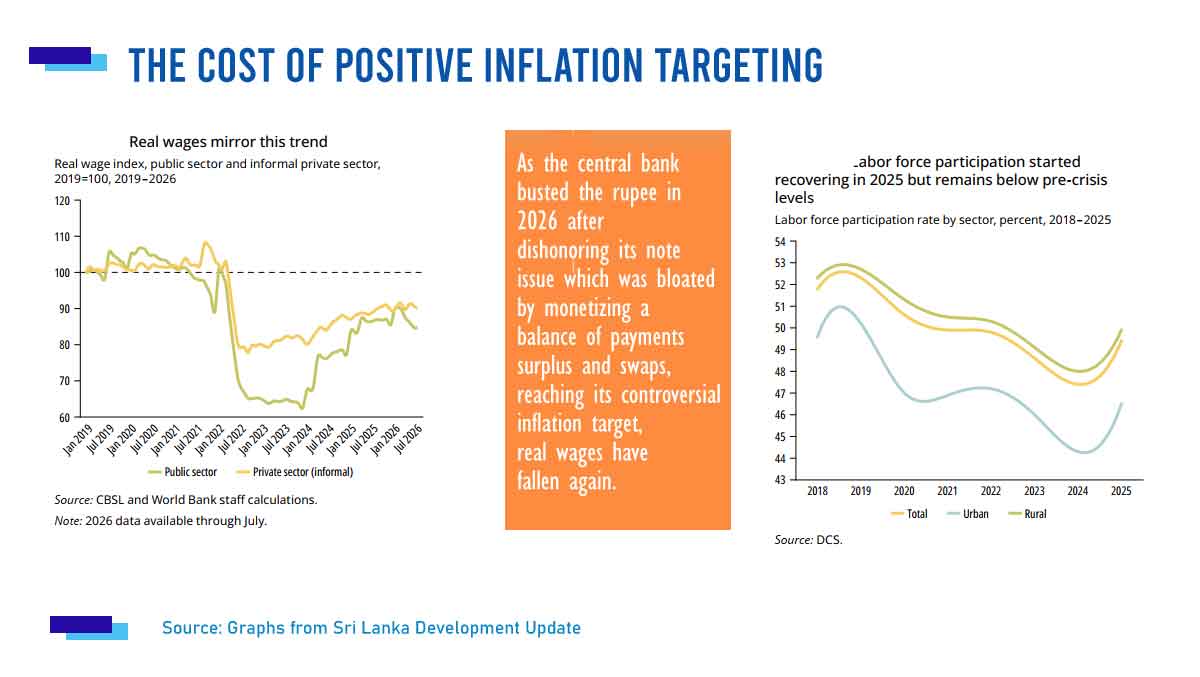
Interest rates are finally raised after the currency has collapsed, leaving the country with debased money, destroyed real wages, destroyed lifetime savings and destroyed Employees Provident Fund balances as inflation picks up.
Since the end of a civil war Sri Lanka's monetary instability has worsened under flexible inflation targeting (targeting inflation without floating rate) and flexible exchange rate (escaping accountability for monetary and exchange rate policy errors).
Hardships from Flexible Policy Central Banking
Both the people and businesses have to overcome the restrictions and monetary depreciation coming from central bank operating frameworks that reject economic theory for statistics and inflation.
"As the automotive industry adapts to the post-import restriction environment, Lanka Ashok Leyland PLC is well-positioned to capitalize on emerging opportunities through its diversified business model, strong brand presence, and extensive distribution and service network," the firm said.
"The Company remains committed to delivering a comprehensive range of transportation solutions through both imported and locally assembled vehicles, enabling it to respond effectively to evolving customer needs and market dynamics.
"While external challenges such as global economic uncertainty, supply chain disruptions, exchange rate volatility, and regulatory changes may continue to influence the operating landscape, Lanka Ashok Leyland PLC remains resilient, supported by a strong financial position, healthy liquidity, disciplined cost management, and sound corporate governance practices."
Analysts who had tracked the monetary instability generated by the central bank since the end of a civil war which ended in external default have blamed the parliament for its failure to control the central bank and failure.
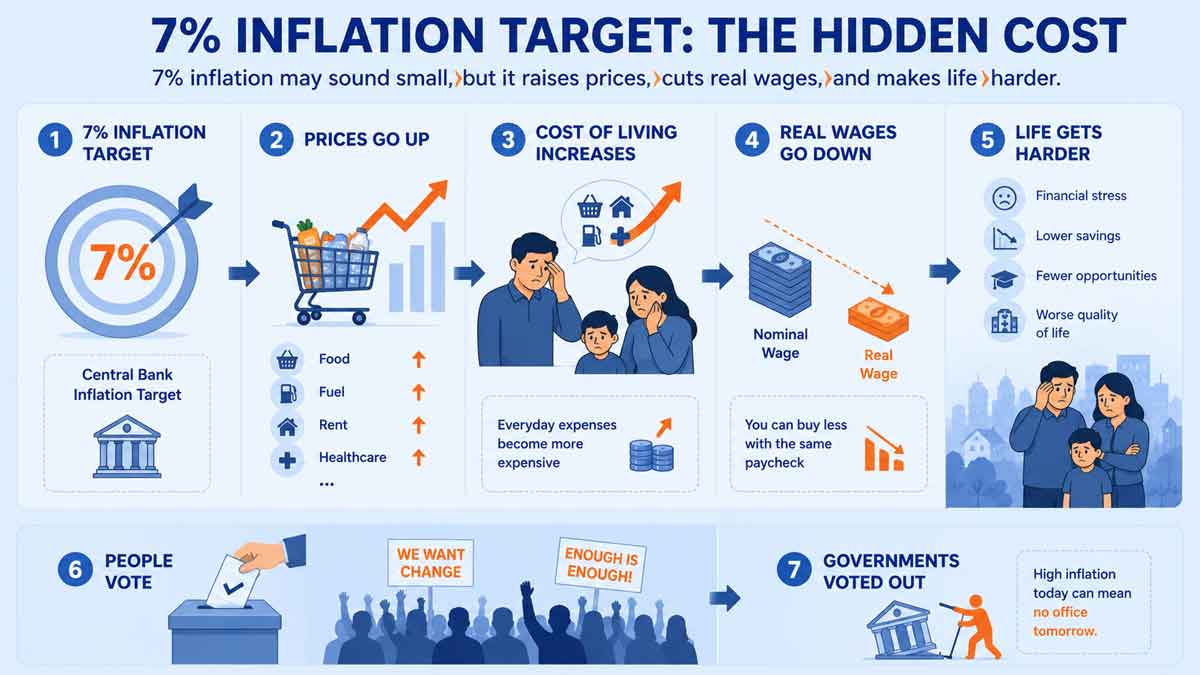
There have been calls to constrain the central bank's inflation bias by limiting its ability to raise the cost of living to 2 percent from the current 7 percent.
Others have pointed out that the central bank could generate instability as it did in 2026 even with inflation under 2 percent, and the parliament should brake its money monopoly with currency competition or the central bank should be give it a fixed exchange rate target. (Colombo/July24/2026)

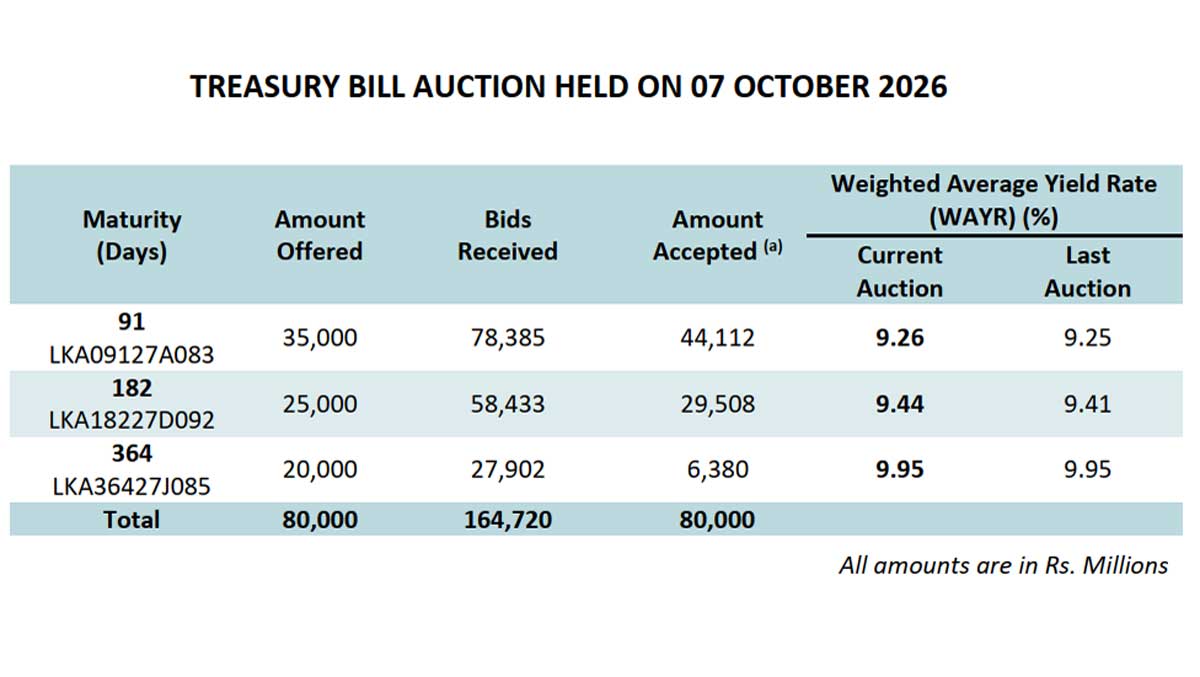
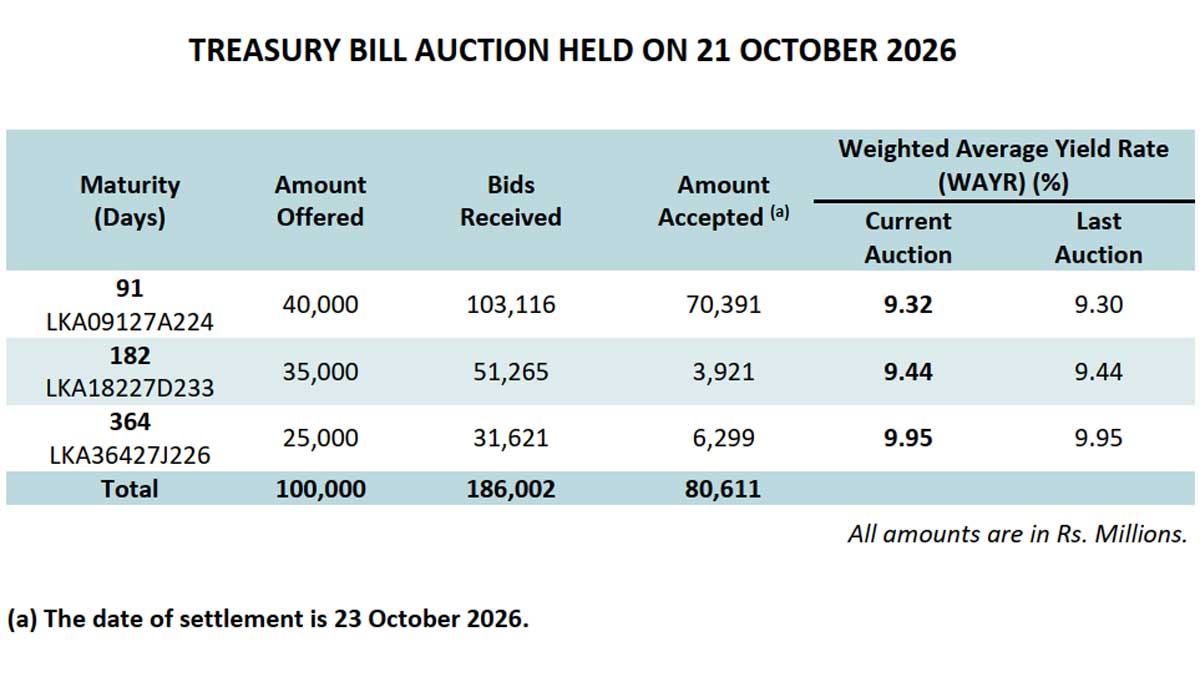
| 3 month bill | 9.26% | 1bp ▲ |
| 12-m bill | 9.95% | 2bp - |
| Gold (Ounce) | $4187 | - ▼ |








Comments
Be the first person to comment and join the debate