
Share your email and we'll share the latest news
Exclusive economic intelligence, political and business coverage
Wednesday, October 21 2026
Wednesday, October 21 2026
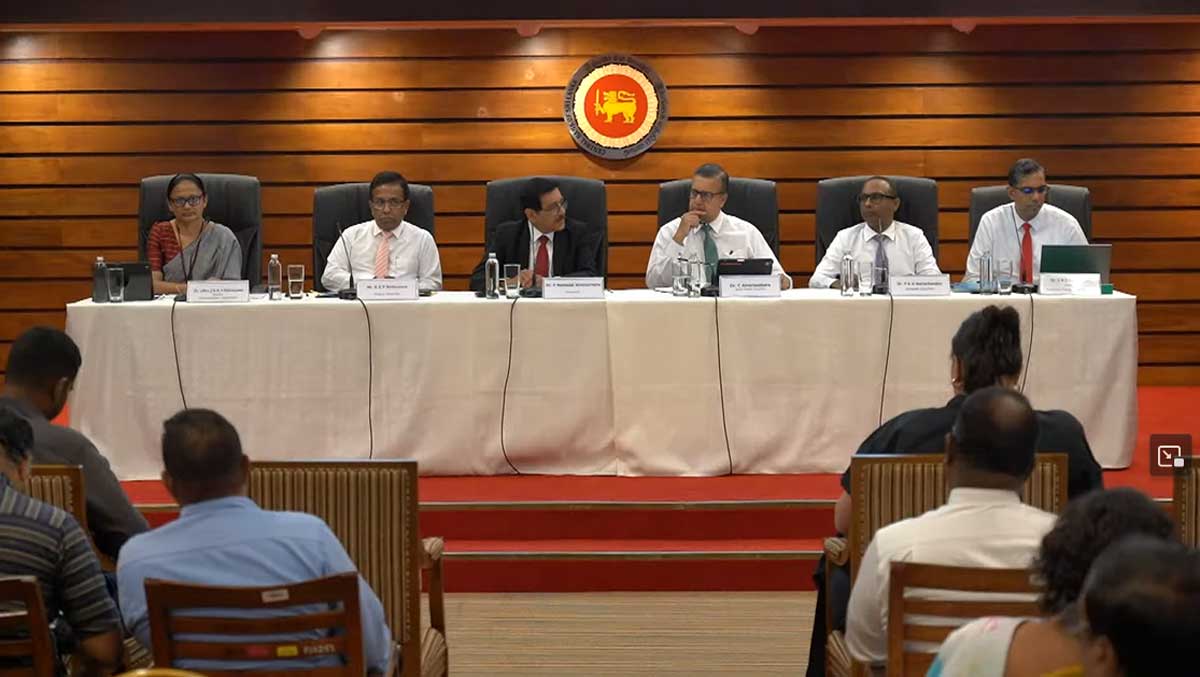
MONETABRIEF – Sri Lanka's last 100 basis point hike was made to counter domestic pressure and stabilize the exchange rate and end to the war in Iran war would not lead to an immediate cut in interest rates, Central Bank officials said.
Domestic Inflationary Pressure
"If you look at our previous projections of inflation, we expected inflation to move to the targeted level of 5 percent the end of this year or the beginning of next year," Deputy Governor Chandranath Amarasekera said, after holding rates at 8.75 percent on July 22.
"So that was our projection before the war started in the Middle East. That meant that we expected a demand side sort of pressures building up towards the end of this year and the beginning of next year."
"So what has happened with the war is that we have seen that inflation uptick before the end of this year or the beginning of next year. And so right now, we have reacted to it with a decisive 100 basis point increase in May."
But when currencies collapse, prices of imports and exports rise instantly and they filter to services as services and other costs catch up.
Already people who started to build houses and other construction projects after two years of monetary stability has cost overruns.
The government budget will also see similar cost rises and eventual demands for higher wages and pensions.
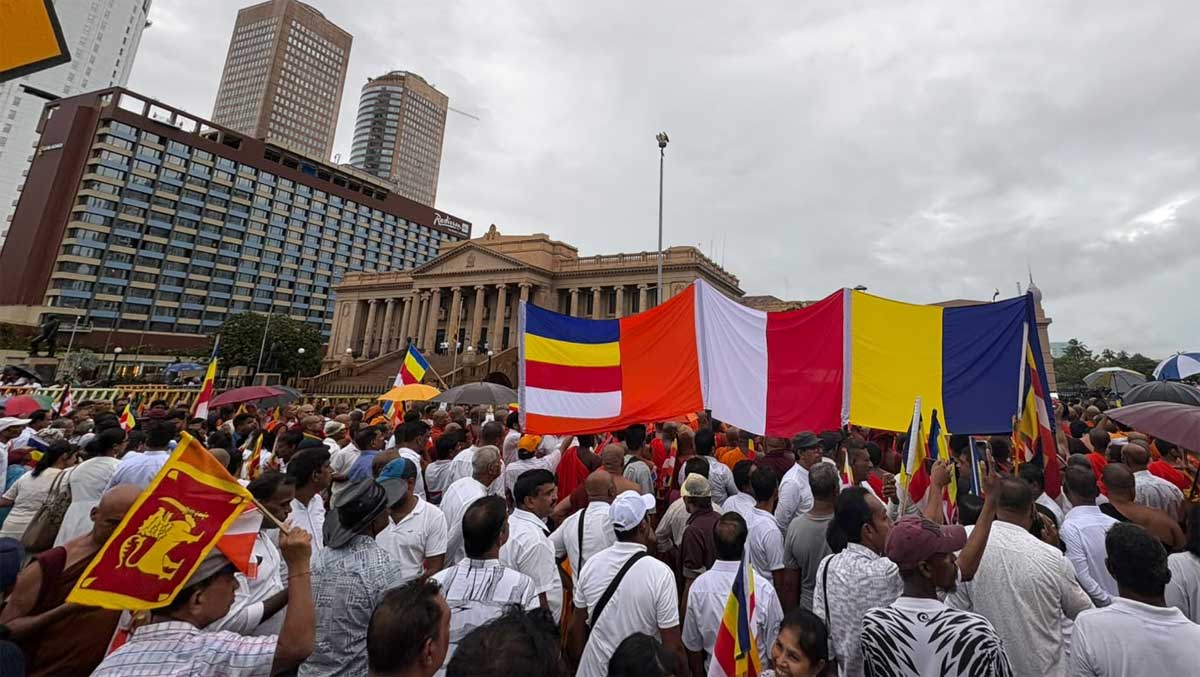
Usually wages lag monetary depreciation (the so-called Cantillon effect), leading to strikes, social unrest and political instability.
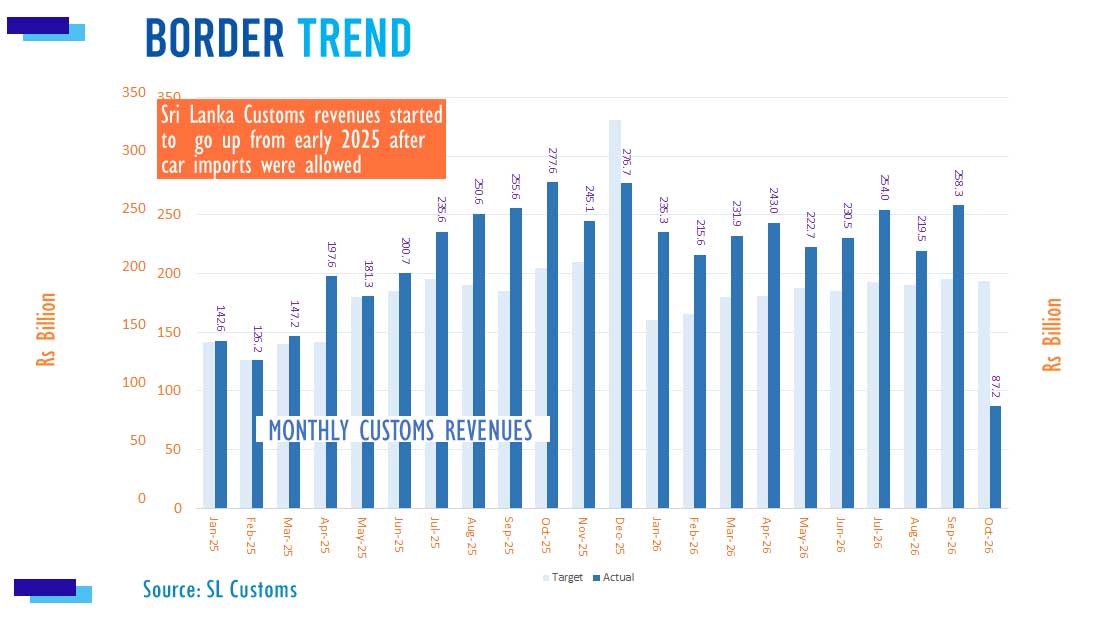
Sri Lanka cut rates in 2025 amid warnings that the move will make it difficult to collect reserves leading to missed reserve targets as in past years.
The March 2026 IMF reserve target was missed despite being reduced.
The central bank's flexible inflation targeting framework which is based on statistics and mathematics (data driven) was anyway deeply flawed as it rejected basic classical economic theory, primarily Hume's price specie flow mechanism, critics had warned.
Ground Hong Day Currency Crises
As a result, so-called 'Ground Hog Day' currency crises takes place and the central bank misses reserve targets. In March it missed a reserve target.
If rates were cut on past inflation, ignoring domestic credit, the central bank would miss reserve targets and also torpedo the exchange rate as had happened repeated since the end of a civil war, eventually plunging the country into external default.
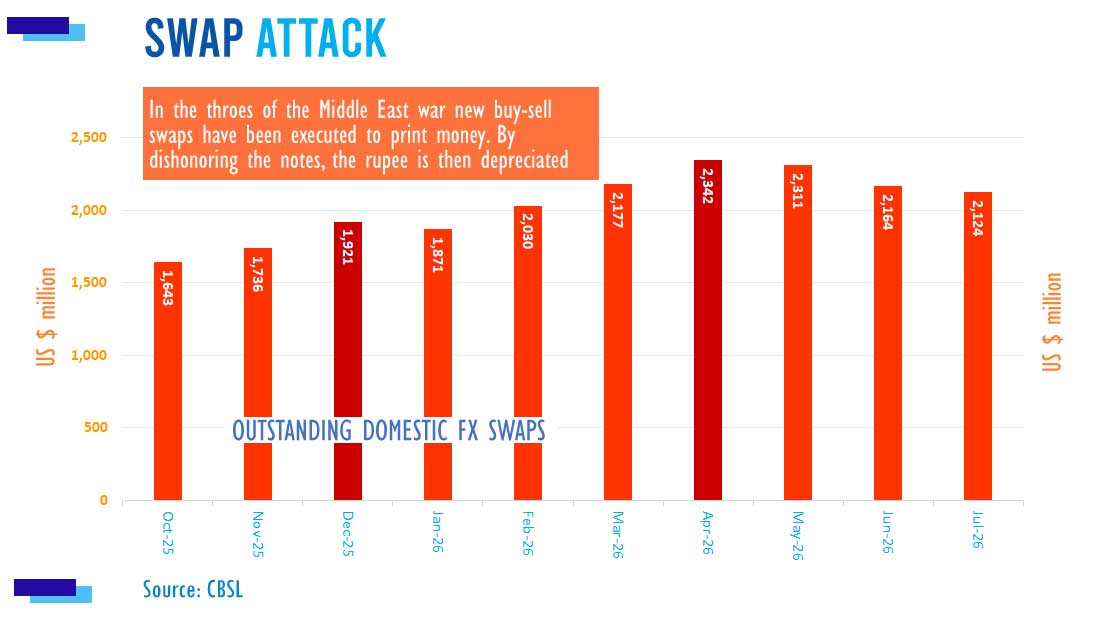
By conducting buy-sell fx swaps, the central bank had also injected rupee liquidity, unrelated to current dollar inflows, triggering excess domestic credit and imports.
The central bank also had what amounted to be quasi-fiscal responsibility of collecting reserves for debt repayments, which required a suitable interest rate structure to curtail domestic credit and imports not to boost credit.
Rates decisions are made by the central bank to contain issues like domestic pressure and to stabilize the exchange rate, Central Bank Governor Nandalal Weerasinghe said.
"In the monetary policy process, it is not necessarily due to fluctuation of oil prices that we make monetary policy decisions," he told reporters.
"But decisions are made by looking forward. Forward-looking decisions on n our assessment on whether excess demand is coming out of the economy, or whether there is going to be pressure on the currency, or whether excess demand is creating demand-driven inflation…"
As a result ending of the war or falling oil prices, will not trigger a monetary policy meeting for a decision.
"But like Governor explained, simply because the war ends, say, tomorrow, that does not mean that there would be an automatic downward adjustment in inflation tomorrow and we will respond to that immediately," Amarasekera said.
"We should see a concrete – we've already taken some measures, so we should see the economy responding to that before we take such a decision."
Inflation and Depreciation Bias
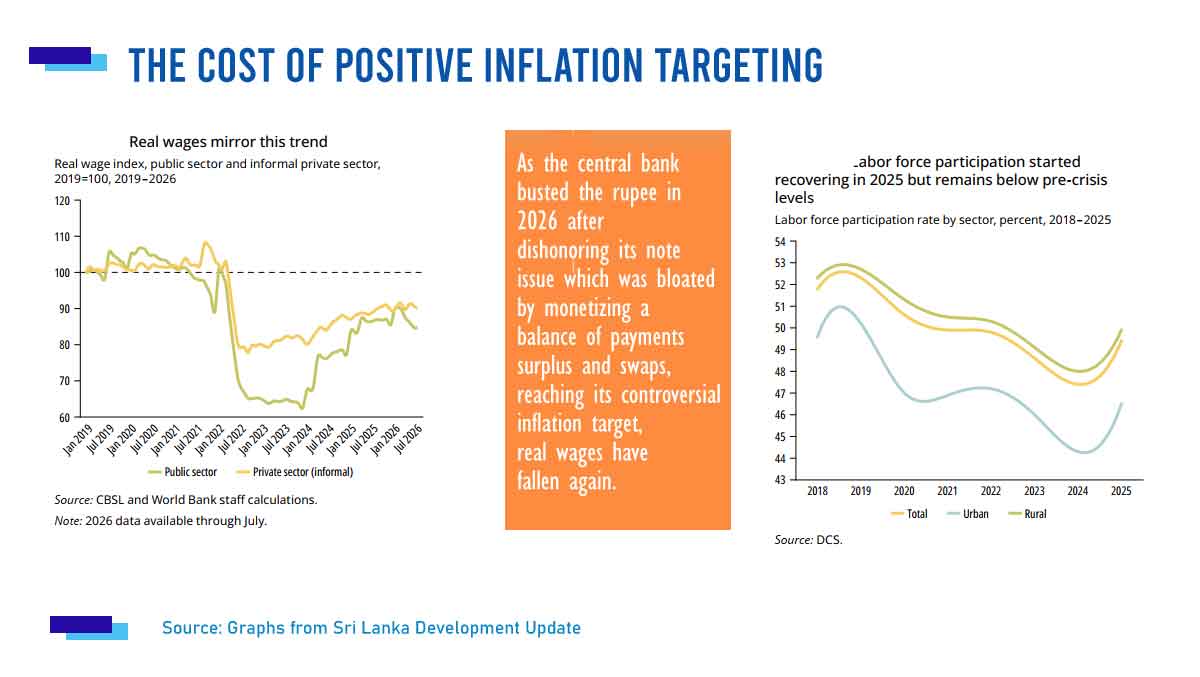
Over the past year, the rupee has collapsed from around 300 to 335 to the US dollar, pushing up prices of all imported and exported goods, destroying current wages of workers, and lifetime savings in banks and Employee Provident Funds in a greater measure.
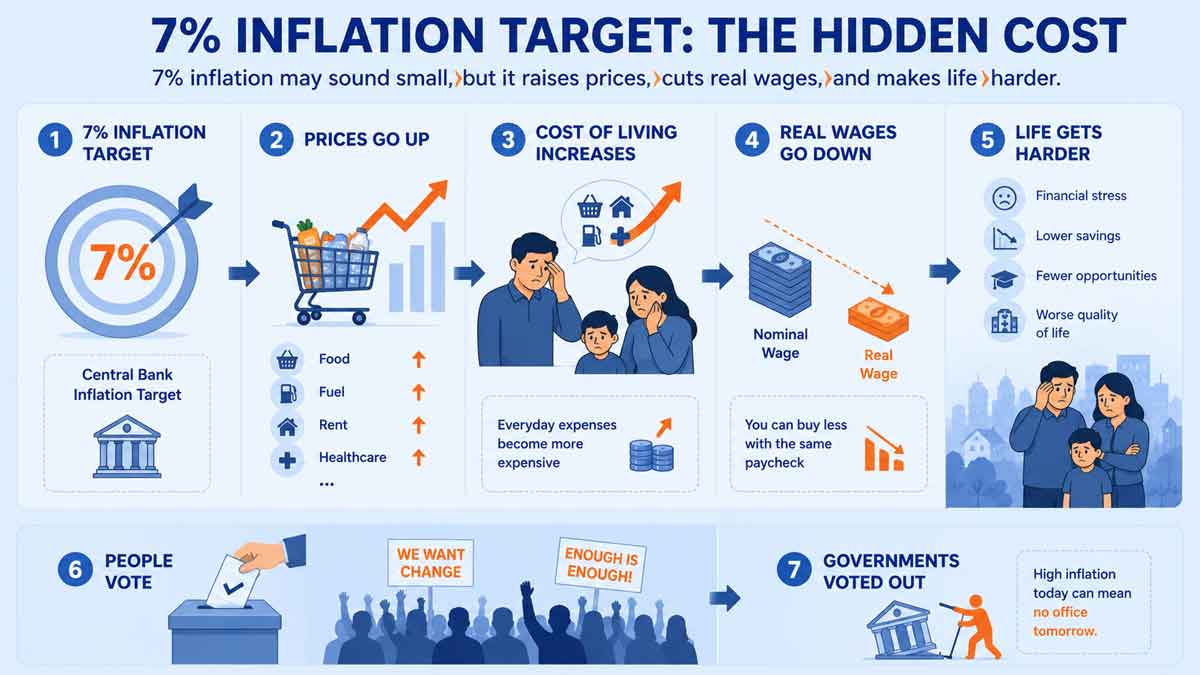
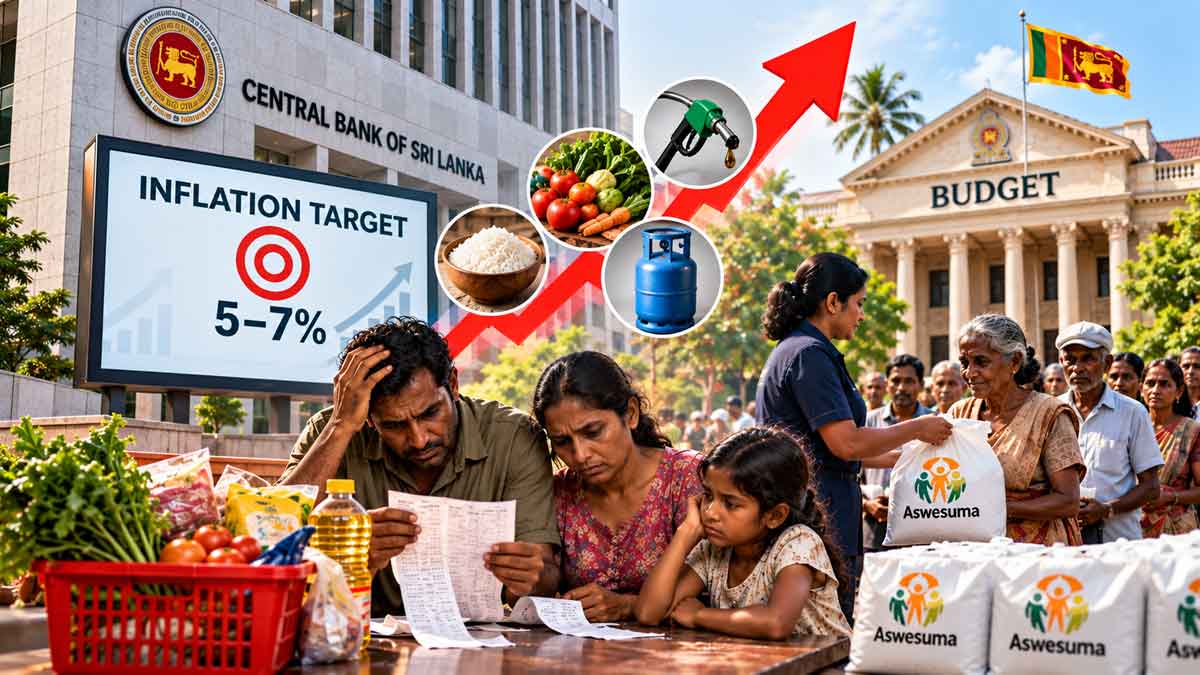
The central bank also has a high 5-7 percent inflation target which critics says gives ample room to trigger external pressure, monetary depreciation and difficulties in repaying debt.
Especially after the International Monetary Fund's second amendment to its articles in 1978, the central bank has been heavily depreciation biased, using any opportunity to trigger monetary depreciation but not allowing the rupee to appreciate, making inflation permanent and triggering social unrest and political instability.
In January and February as a Ditwah Cyclone reduced bank credit the central bank bought 600 million dollars, (a positive supply shock to the rupee) creating new money, but when the war started and oil import payments were made (negative shock) it dishonored the notes and depreciated the rupee.
Earlier this month, when there was a large inflow into rupee bond market (a positive shock the rupee) it also resisted appreciation and bought dollars creating money and the rupee remained depreciated.
Though there are claims that the rupee is market determined, the central bank actively practices exchange rate policy against the rupee, critics have said.
Exchange rate are determined monetary policy only in clean floating regimes, and in the case of reserve collecting central banks which are forced to practice exchange rate policy, a combination of money and exchange policies.
When the two are in conflict, the currency collapses.
There are now calls for the reserve collecting responsibility to be taken away from the central bank and its monopoly in supplying dollars to the Treasury to be taken away.
Unlike the central bank, which creates money the Treasury can buy dollars without altering reserve money and there is no requirement to sterilize dollar purchases to 'safeguard' reserves. (Colombo/July23/2026)

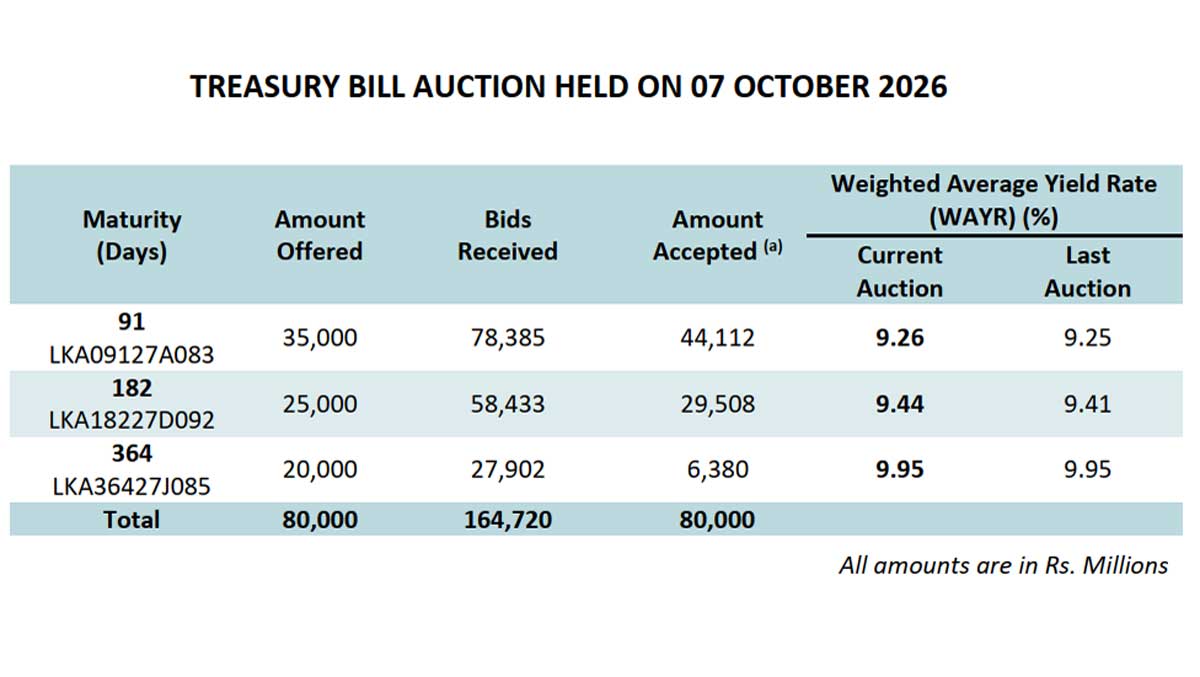
| 3 month bill | 9.26% | 1bp ▲ |
| 12-m bill | 9.95% | 2bp - |
| Gold (Ounce) | $4187 | - ▼ |

















Comments
Be the first person to comment and join the debate