
Share your email and we'll share the latest news
Exclusive economic intelligence, political and business coverage
Sunday, October 25 2026
Sunday, October 25 2026
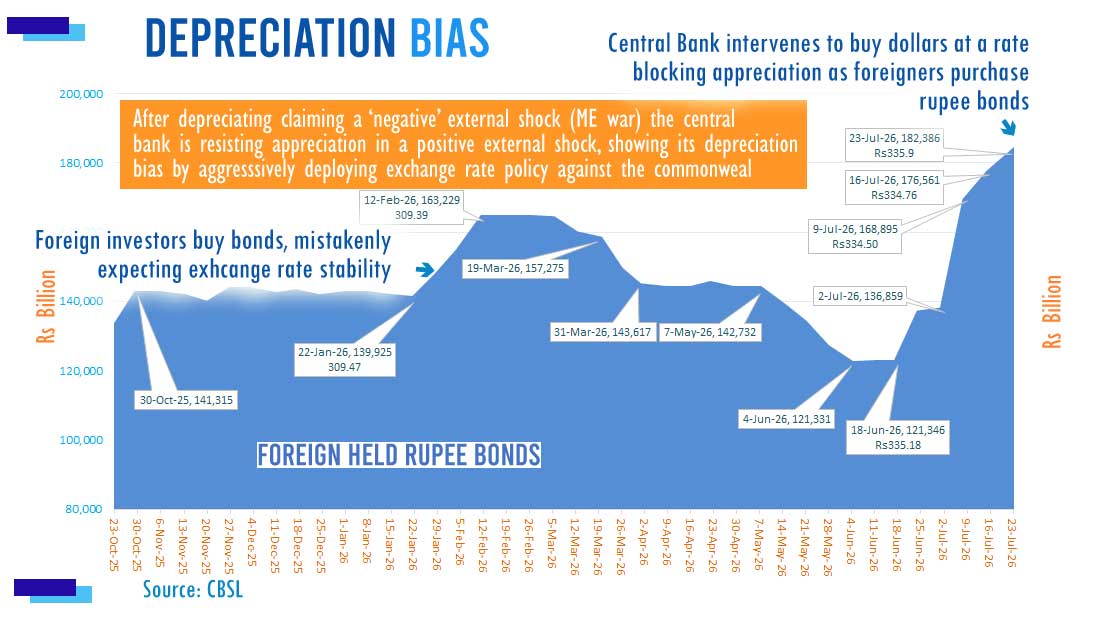 MISLEADING : Just before the central bank started dishonoring notes as oil import costs rose, foreign investors bought bonds as a Ditwah credit collapse increased net current flows
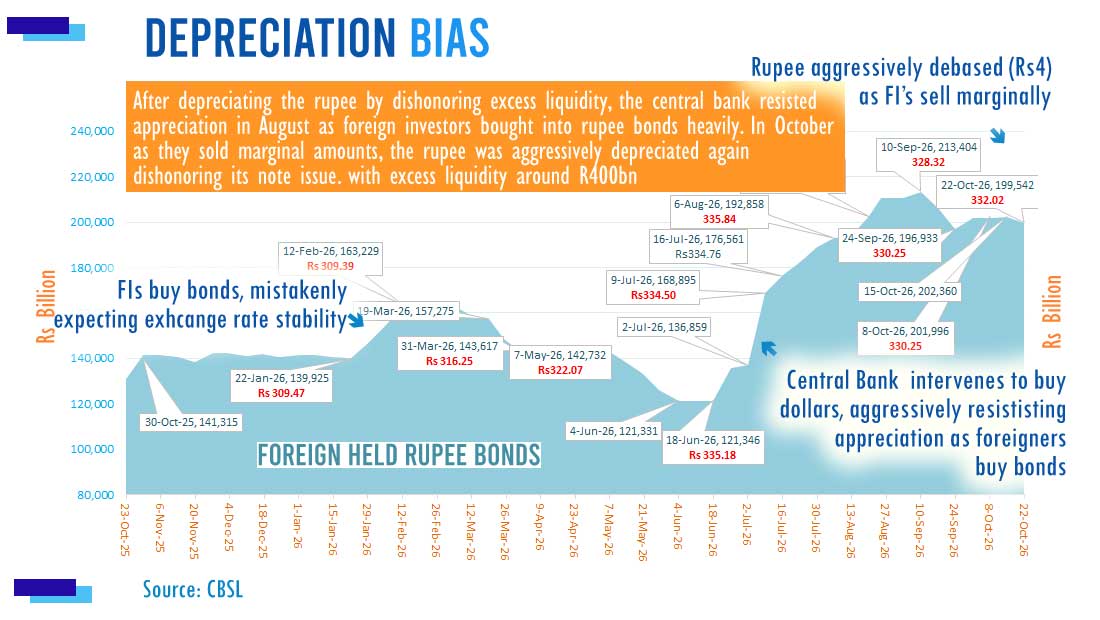
MONETABRIEF – Sri Lanka's rupee has been prevented from appreciation as foreign investors bought rupee bonds, over two months, official data show, indicating aggressive use of exchange rate policy in pursuit of the central bank's monetary depreciation bias.
In July foreign investors bought around 136 million dollars at the exchange rate of around 335 to the US dollar.
Since the week to June 18, foreign investors have bought around 182 million US dollars of rupee bonds.
The calculations are based on exchange rates at reported dates, not transacted dates, which are not publicly available.
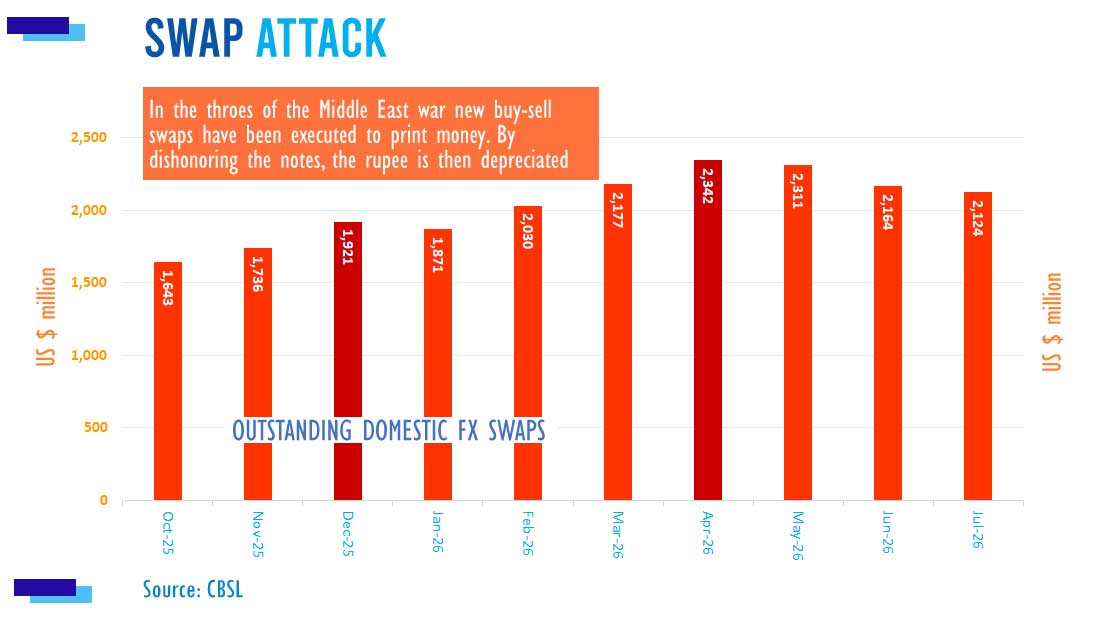
However, data showed that the rupee depreciated heavily when foreign investors sold, as the central bank denied convertibility to importers and dishonored its notes when oil import demand increased in March amplifying an 'external' shock.
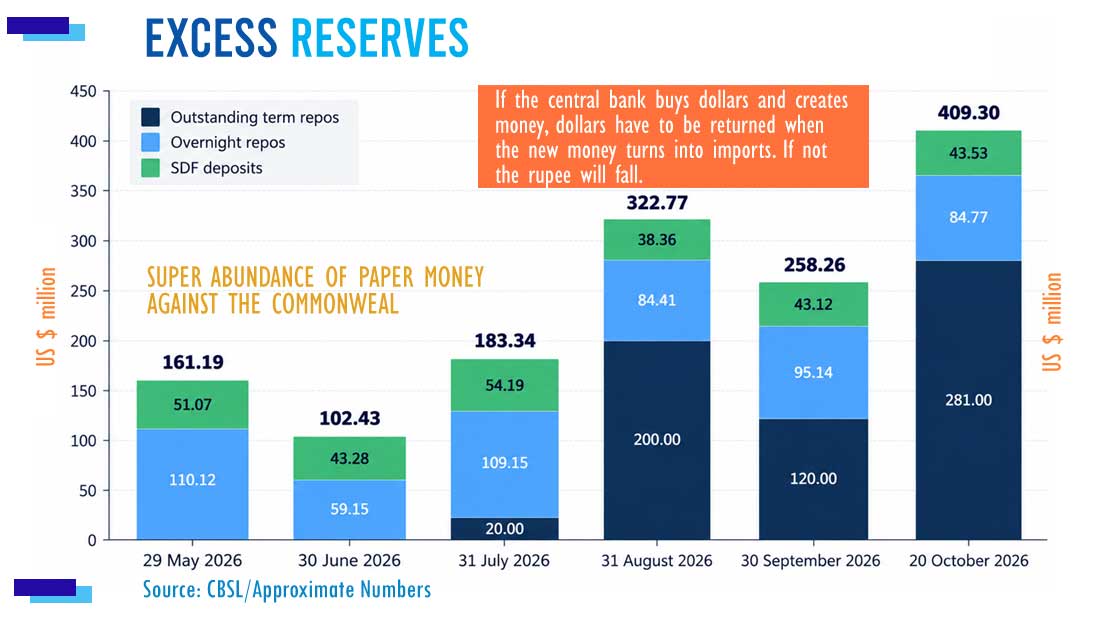
The central bank also bought around 600 million in (current account) dollars in January and February, and created money blocking appreciation through pegging (monetized a balance of payments surplus) from a 'positive' supply shock as a credit collapse from Cyclone Ditwah reduced imports.
The subsequent dishonoring of the notes created in January and February under the IMF-backed flexible exchange rate, amplified the 'external' shock in several ways.
The flexible exchange rate triggered capital flight by foreign investors, and also forced panicked importers to cover early, showing how flexible or arbitrary exchange rate policy harms the rule of law and amplifies shocks.
The falling rupee also forced the government to raise energy prices more than necessary at the expense of public unhappiness, showing how the depreciation- biased exchange rate policy undermined democratic rule and responsible fiscal policy.
If the central bank does not defend the currency and honor its notes, allowing liquidity to tighten and reduce credit for other imports, balancing the external demand to domestic falls solely on market pricing of oil and market pricing also does not also prevent depreciation.
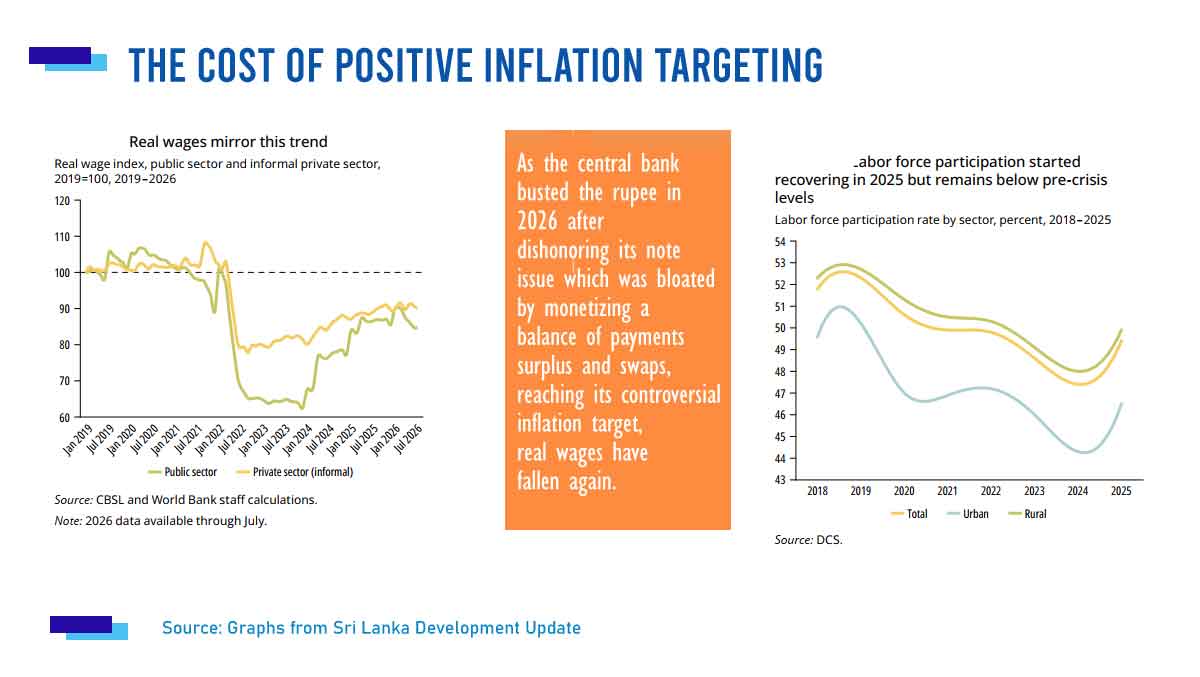
Under 'central bank independence' the central bank has absolute powers to increase the cost of living by inflating domestic prices by printing money and deploying exchange rate policy against stability as happened in both 2026 and 2025.
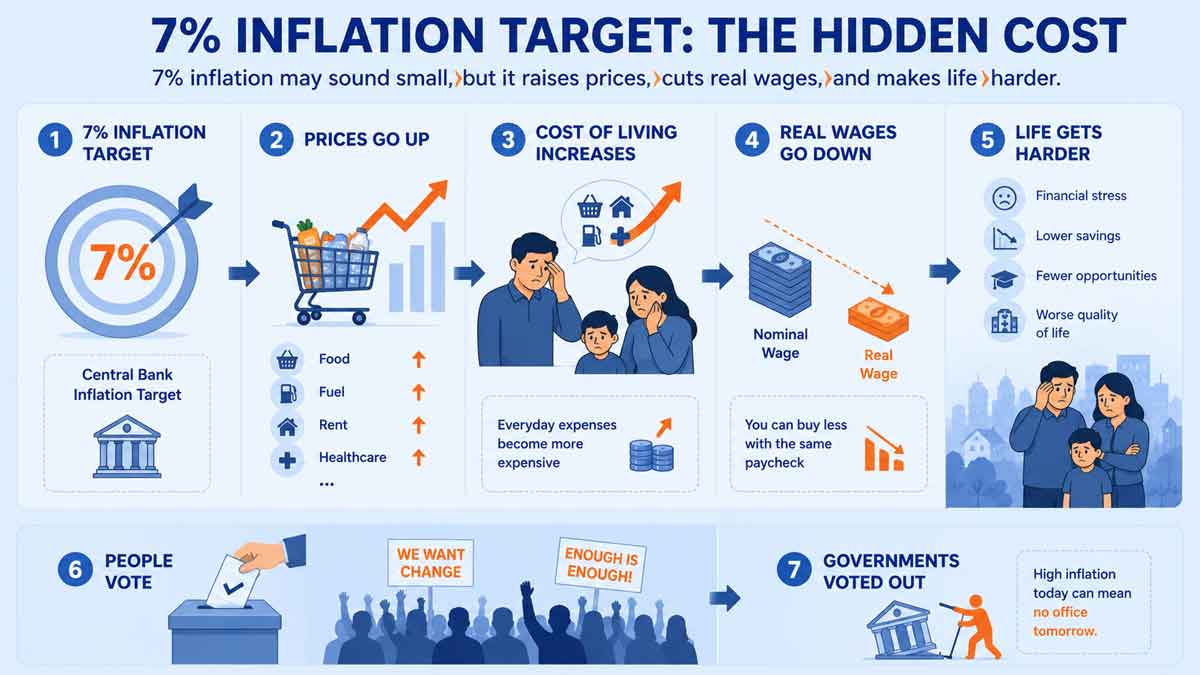
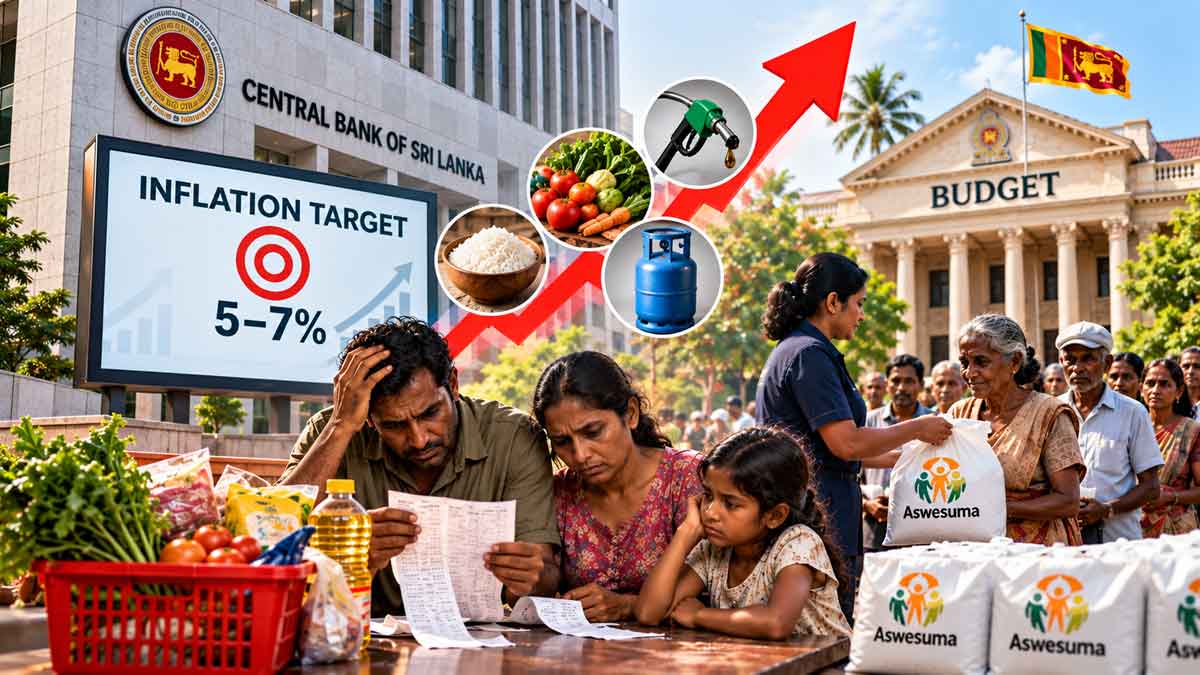
Sri Lanka's parliament has made a grave error in giving 'independence' to a central bank which has a clear inflation bias (5-7 percent inflation target) and a depreciation bias that has made a previously 'hard' currency 'soft', critics say.
Without destroying the exchange rate, the central bank cannot easily push up domestic cost of living and harm the public, as excess money triggers more imports to fill the demand.
Sri Lanka's inflation (and interest rates) was broadly in line with the rest of the world until 1978, after which the rupee depreciated rapidly in the wake of the International Monetary Fund's Second Amendment to its articles which left the country without a credible anchor for money.
Successful East Asian export powerhouses rejected the inflationist doctrine (competitive exchange rates), while Latin America started to default.
In the 1980s, Sri Lanka tried to target money supply without a floating exchange rate while trying to collect reserves (pegging) leading to discredited economic reforms and social unrest.
In 2026 and since the end of a civil war Sri Lanka's monetary instability and external default has come from trying to target inflation without a floating exchange rate and central bank monopoly which has prevented the Treasury from buying dollars to settle debt.(Colombo/July27/2026)

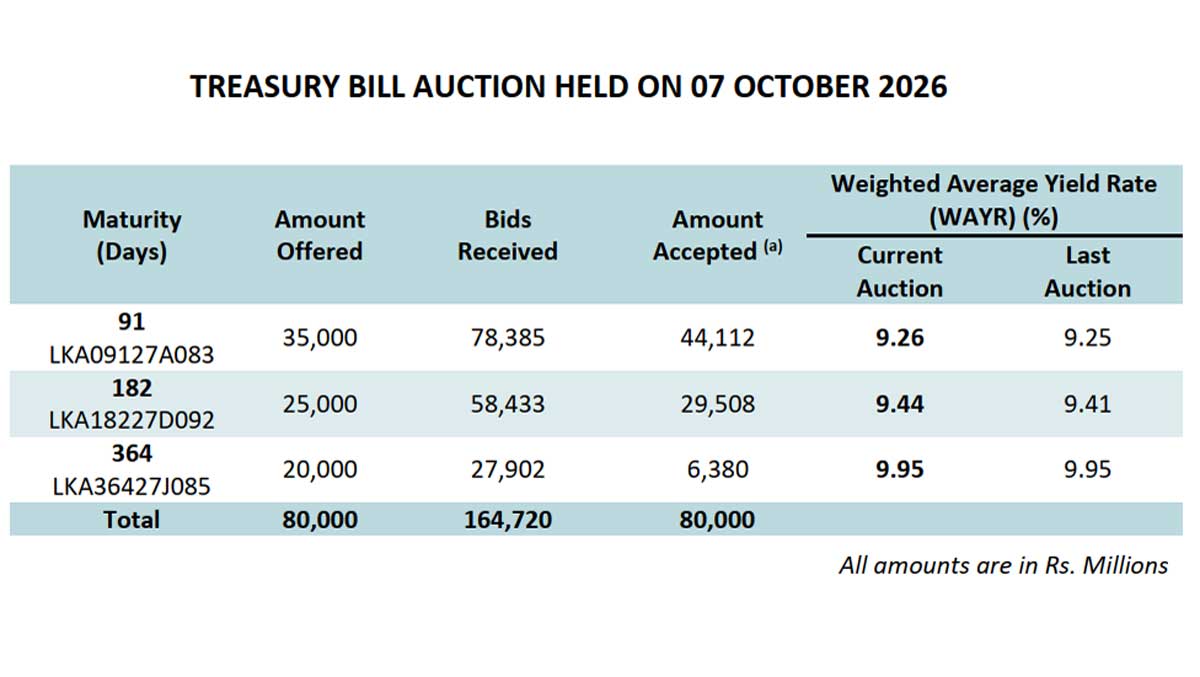
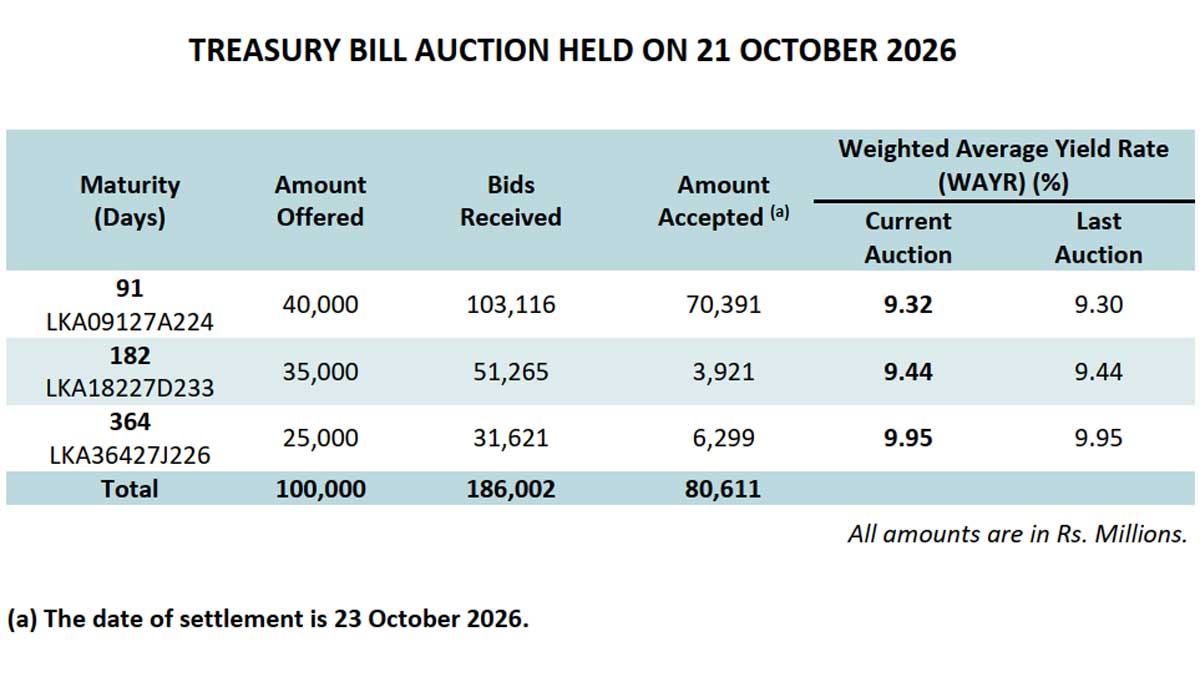
| 3 month bill | 9.26% | 1bp ▲ |
| 12-m bill | 9.95% | 2bp - |
| Gold (Ounce) | $4187 | - ▼ |












Comments
Be the first person to comment and join the debate