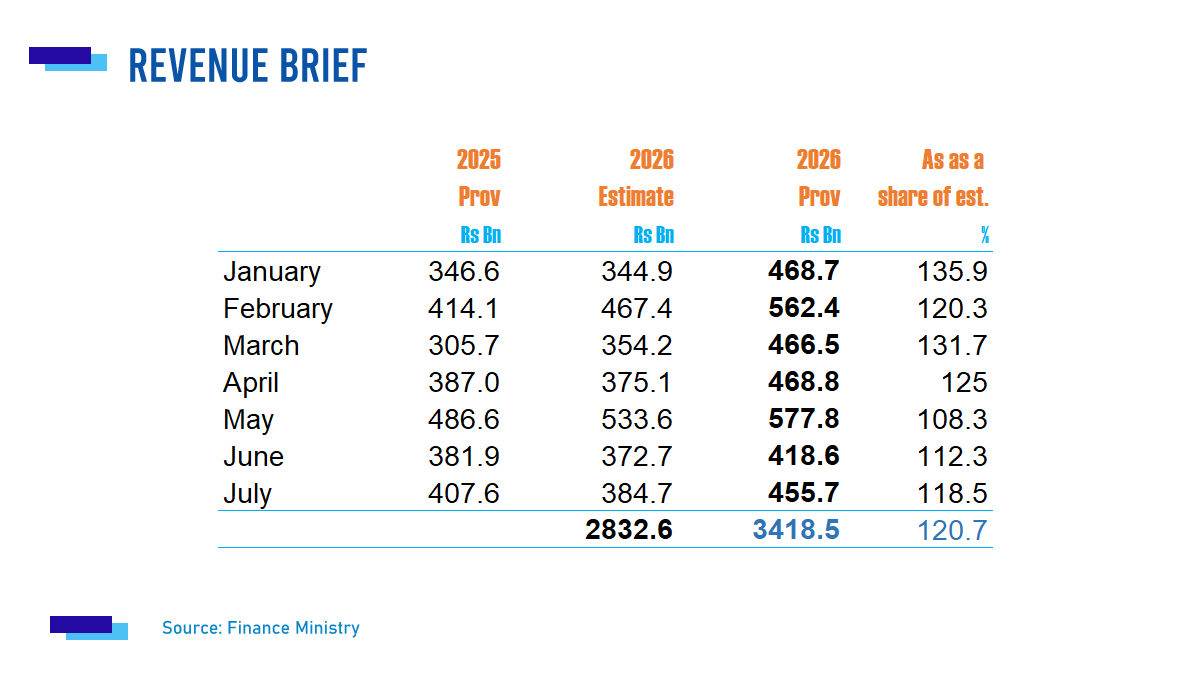
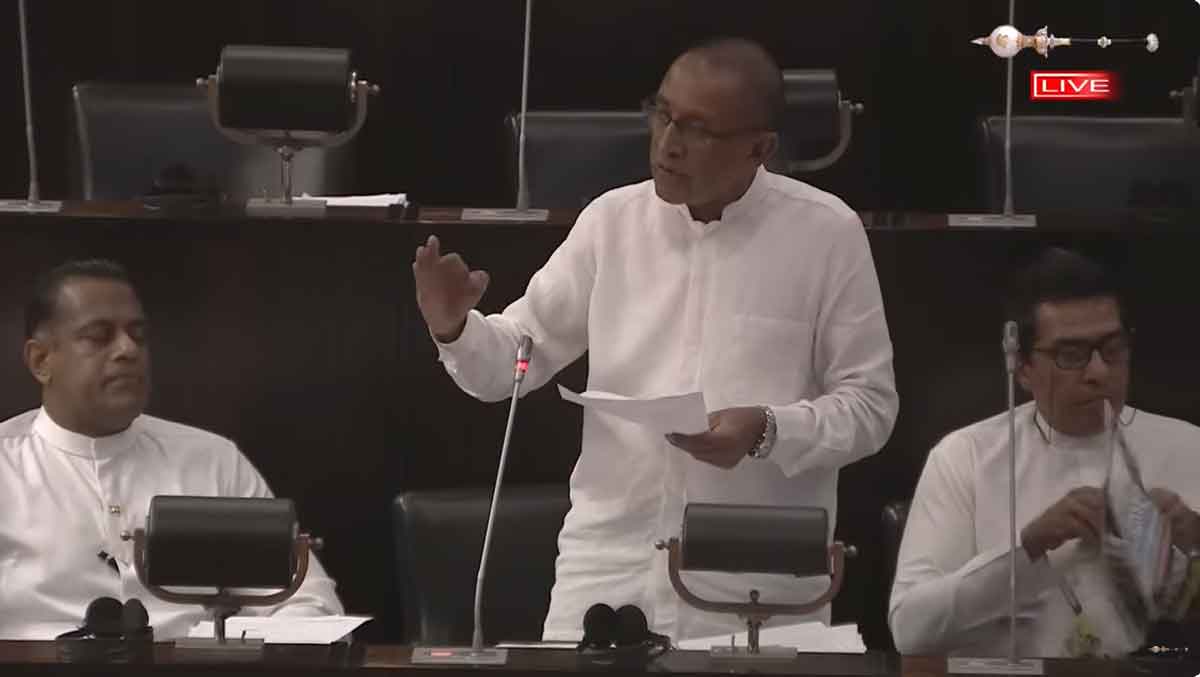
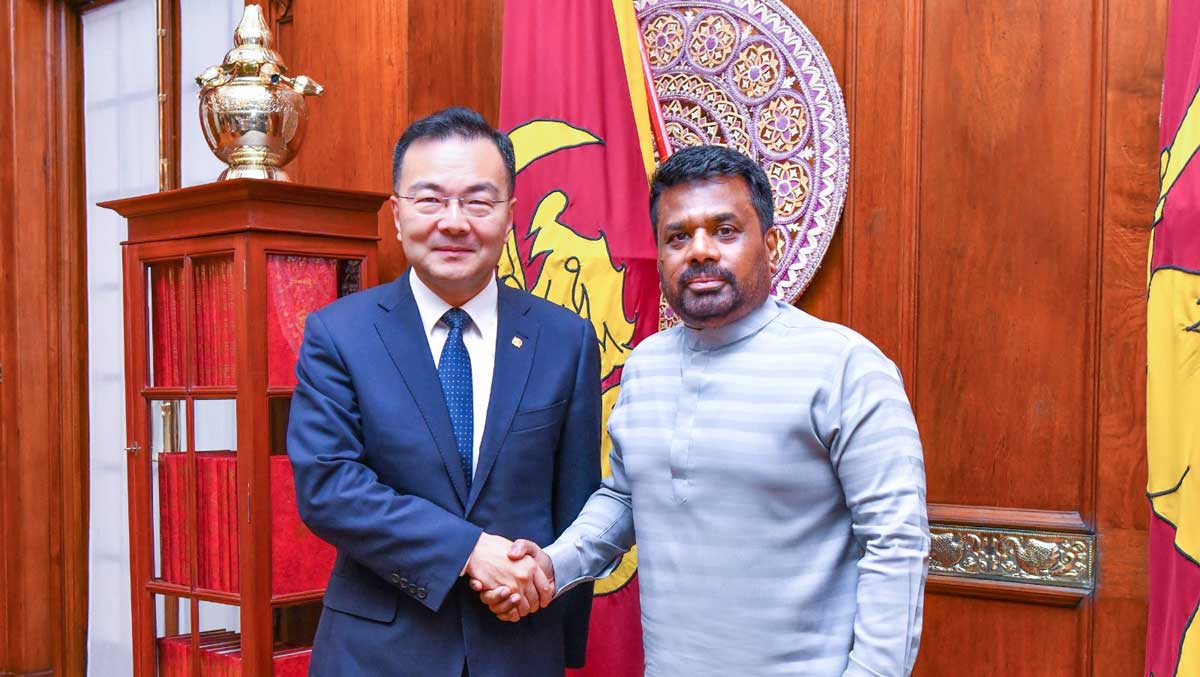
MONETABRIEF – Sri Lanka's government revenues are likely to exceed target by around 15 percent based on current trends, though expenses are starting to catch up after depreciation Deputy Minister Anil Jayantha Fernando said.
"So far we are ahead of estimates," Minister Jayantha told MonetaBrief. "So it looks like that we would be able to achieve a target of 115% of the estimated revenue.
"If you just take the seven months, the revenue from all major three departments, estimates have been exceeded."
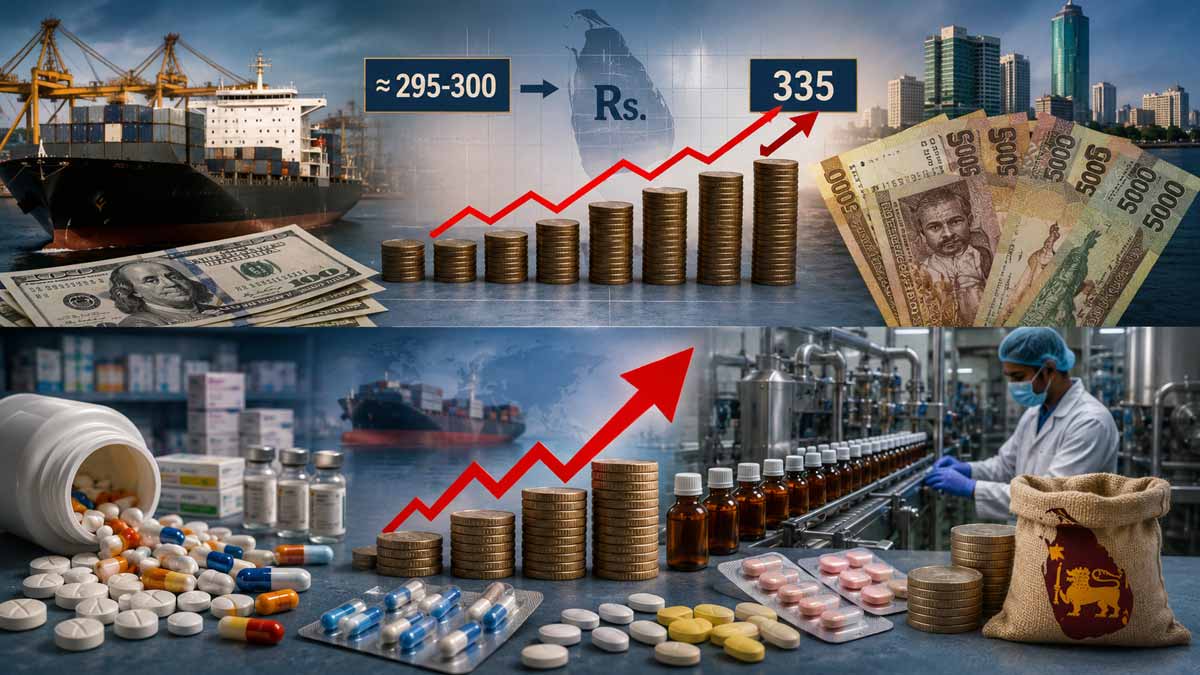
After the depreciation expenses were catching up, in like with what is known as the Cantillon effect.
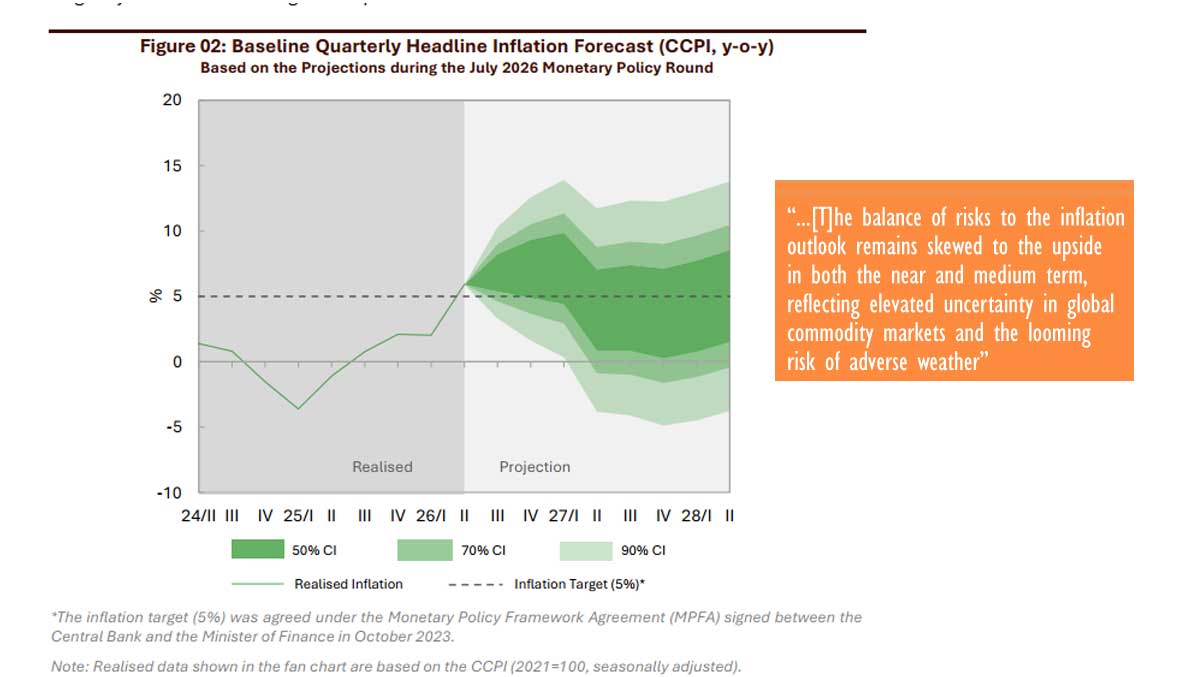
While inflation and depreciation can initially lead to a spike in revenues, allowing macro-economists to spread a narrative that inflation can help budgets, ultimately expenses will catch up.
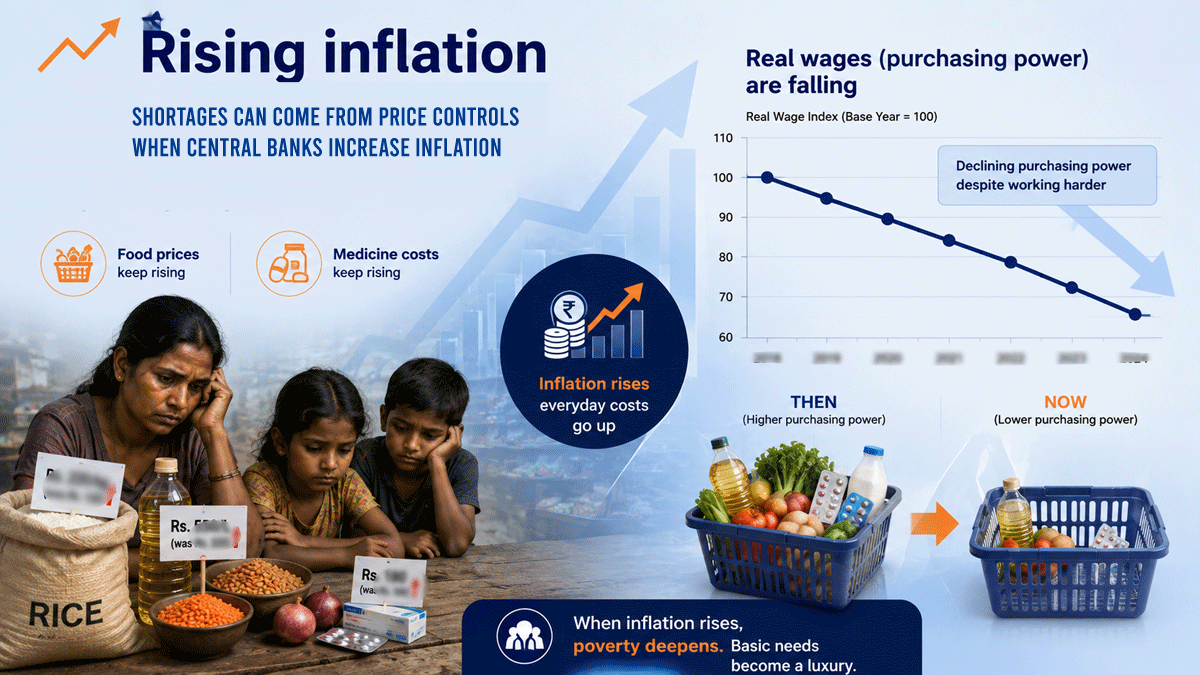
Delays in salaries adjusting to depreciation will lead to governments being voted out of power, and in the depreciation is steep, or there are shortages of goods from forex shortages from open market operations or price controls, or both, they will come out to the streets.
Inflation is catching up in capex in particular.
But the extra revenue has given some flexibility and the government is disciplined is spending.
"So even the expenditure also, there may be little savings also in the recurrent expenses due to reduction in wastage and other leakages as well," Minister Fernando said.
As a result, the government was confident of meeting the deficit target or even exceeding.
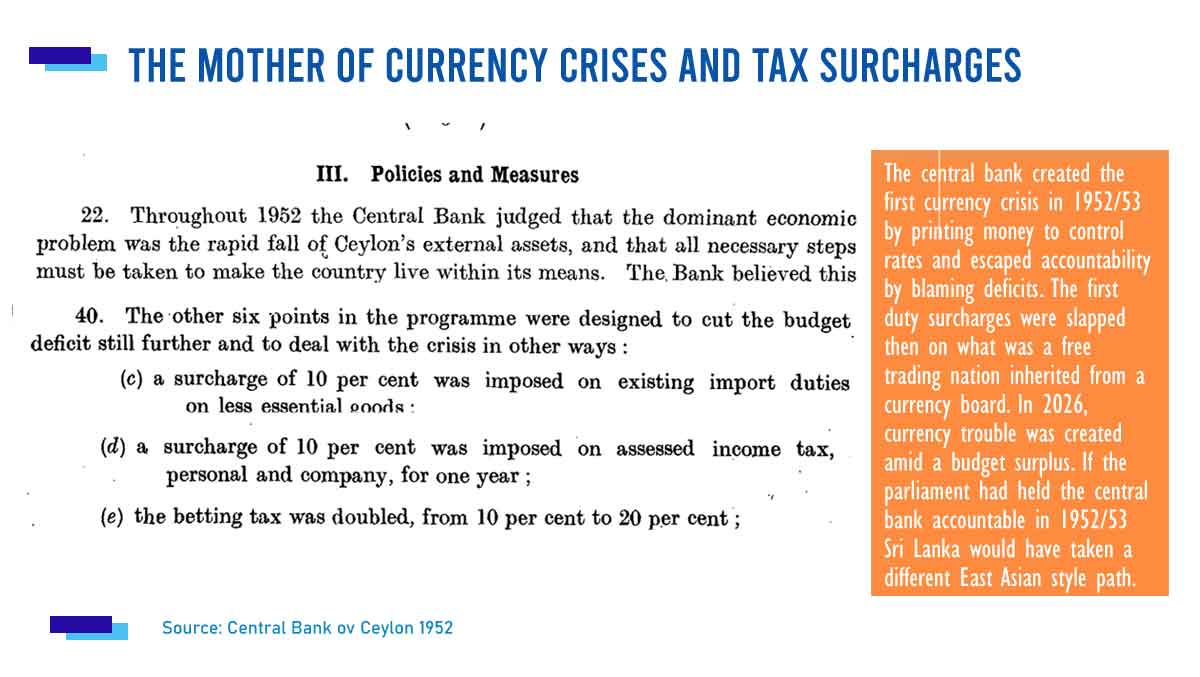
Sri Lanka's budgets went out of control as parliament lost control of the central bank in the 1980s after the IMF's Second Amendment to its articles, triggering steep depreciation and inflation.
Until 1978, Sri Lanka's central bank could only create permanent inflation to roughly to the same levels as the United State and as a result inflation was the same.
However, it could still print money and create forex shortages, leading to price controls and food shortages especially in the 1970s as the Bretton Woods was shattered by full employment policies in the US.
In the 1980s the most aggressive economic reforms made in the country were nullified by depreciation and high inflation, even as US learned how to control floating exchange rates, leading to back-to-back IMF programs, strikes, social unrest and civil war.
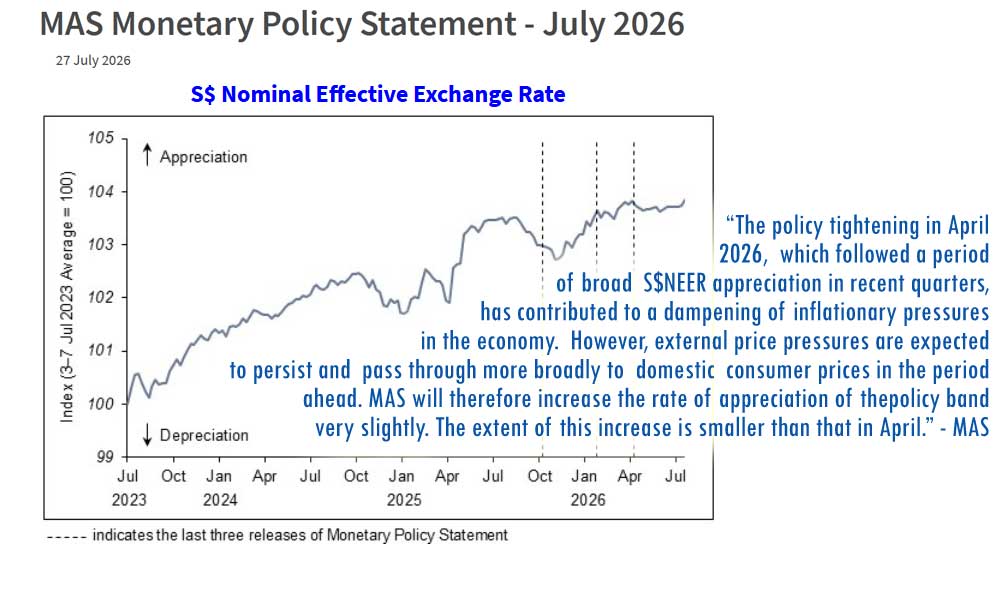
At the time the central bank was trying to target money supply without a floating clean exchange rate. Sri Lanka's current troubles come from trying to target inflation without a clean float.
In the 1980s the time Sri Lanka did not have commercial debt and avoided default, but Latin America and some East Asian countries went into serial default.
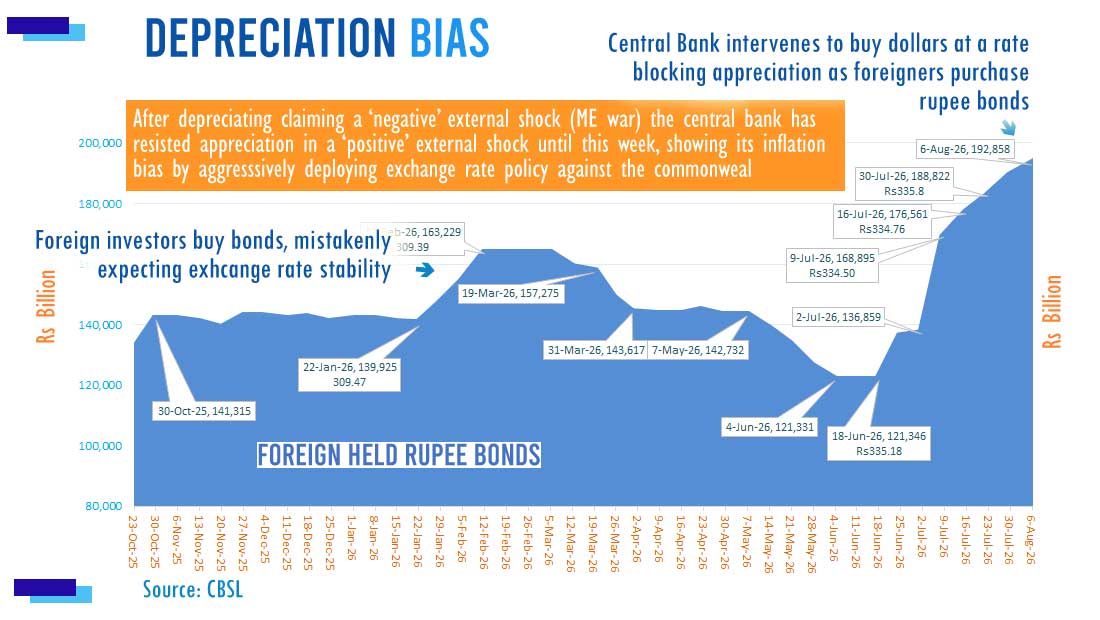
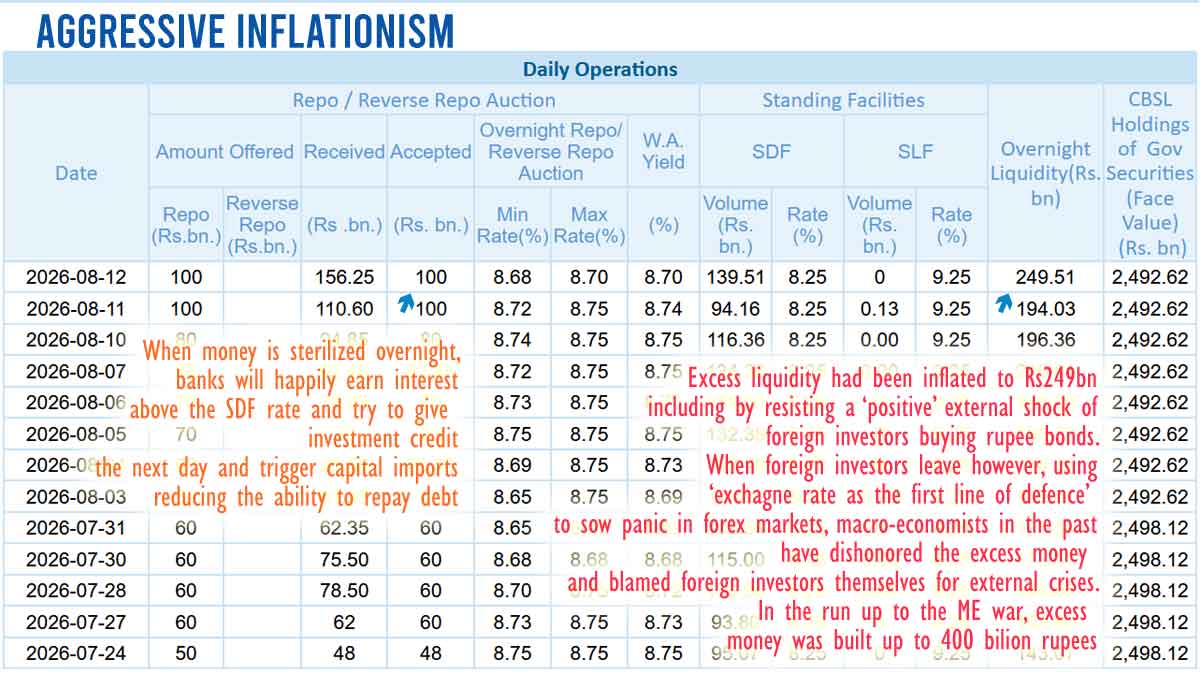
However, from 2015 under closing potential output gaps (printing money to keep high inflation targets hoping that there will be growth) Sri Lanka ran int to serial currency crises, and there was heavy borrowing to repay debt as forex shortages emerged.
In Sri Lanka politicians generally have to bail out the country by spending political capital, raise taxes and getting voted out as inflation squeezes disposable income in the stabilization crisis and bad loans rises, after macro-economists inflate money supply, cuts rates and trigger external crises.
The current government has also spent political capital in raising taxes, when the rupee collapsed in 2026 amid a budget surplus. (Colombo/Aug15/2025)









Comments
Be the first person to comment and join the debate