
Share your email and we'll share the latest news
Exclusive economic intelligence, political and business coverage
Monday, November 2 2026
Monday, November 2 2026
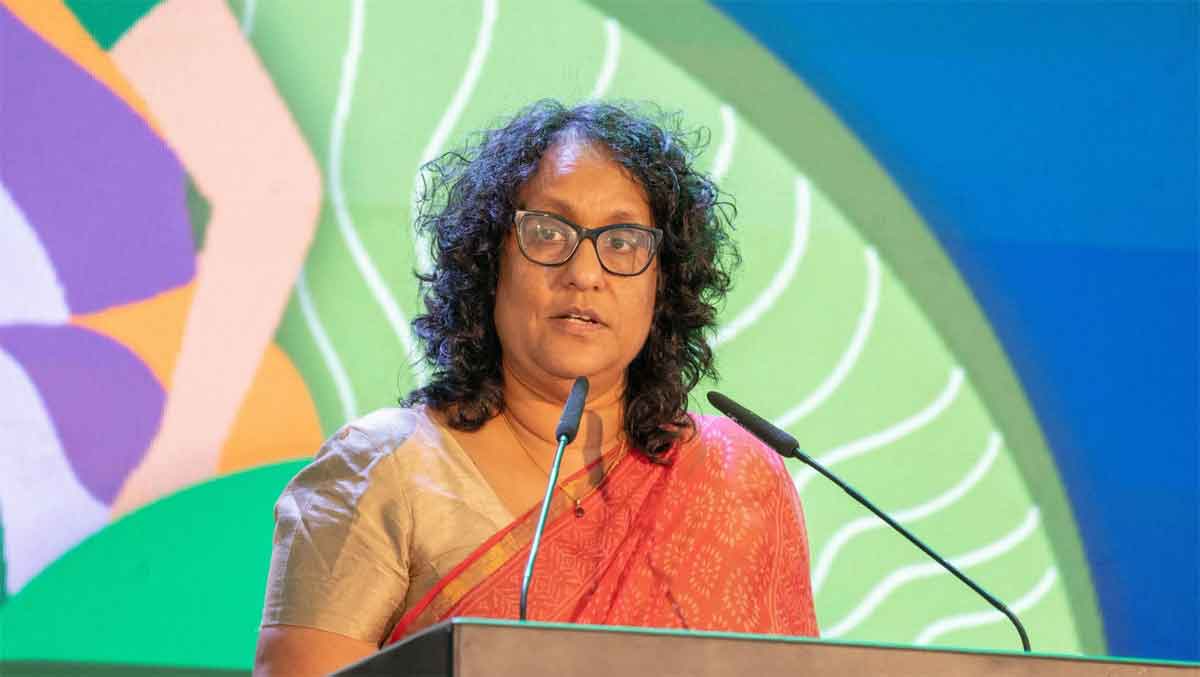
MONETABRIEF – Sri Lanka plans to diversify less productive paddy land into other crops as part of efforts to make better use of land, boost farmer incomes and lower malnutrition, Prime Minister Harini Amarasuriya said.
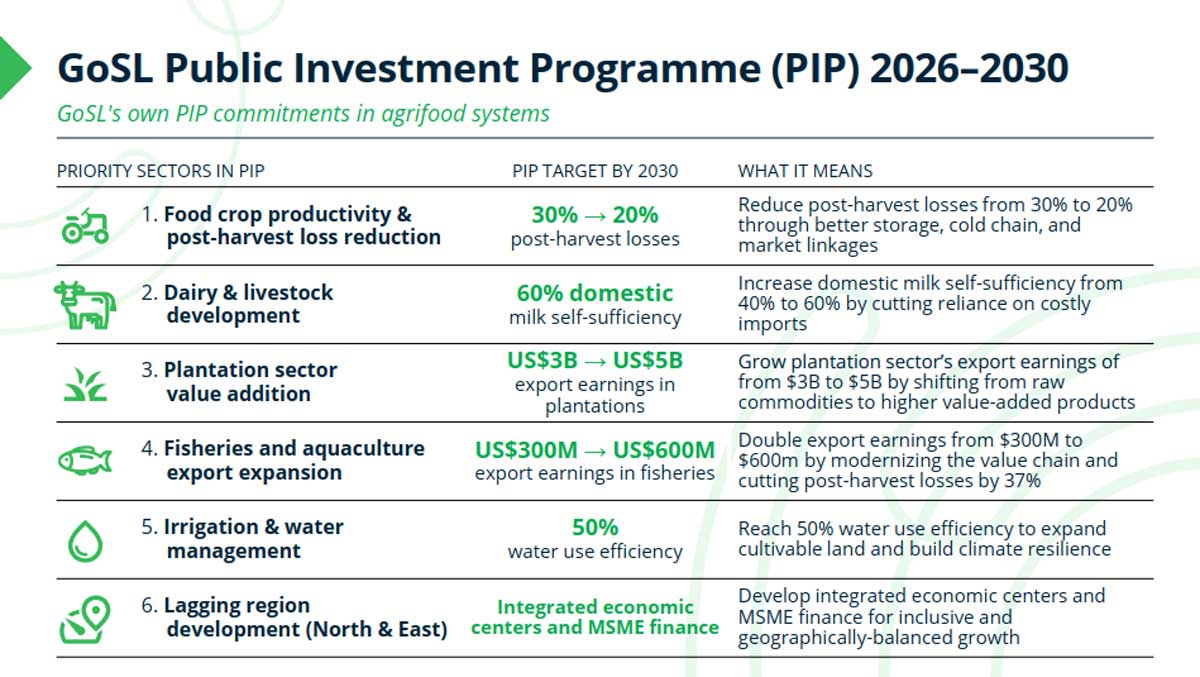
Sri Lanka also has high post-harvest losses on fruits and vegetables of around around 30 percent
"By 2030, we plan to cut fruit and vegetable post-harvest losses by 10 percentage points, double export revenue from fruit, vegetable, forage and floriculture and diversify 30 percent of less productive paddy lands into suitable food crops," Prime Minister Amarasuriya said.
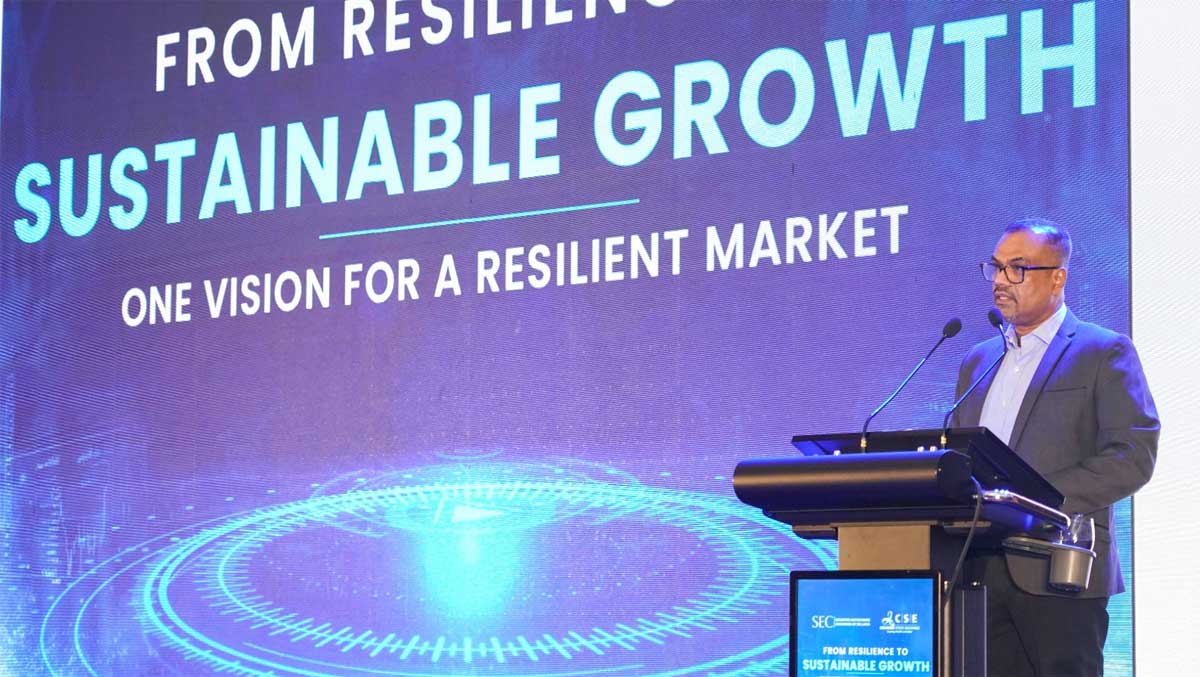
She was speaking at a ceremony to launch an 800 million dollar project to upgrade Sri Lanka's agriculture sector and boosts incomes of 900,000 farmers with the use of technology and farming practices.
Sri Lanka has legal restrictions on the use of paddy land imposed after independence which has constrained farmers, especially the younger generation from moving to alternative cash crops especially when water availability is down.
There are also constraints on the use of other lands like coconut.
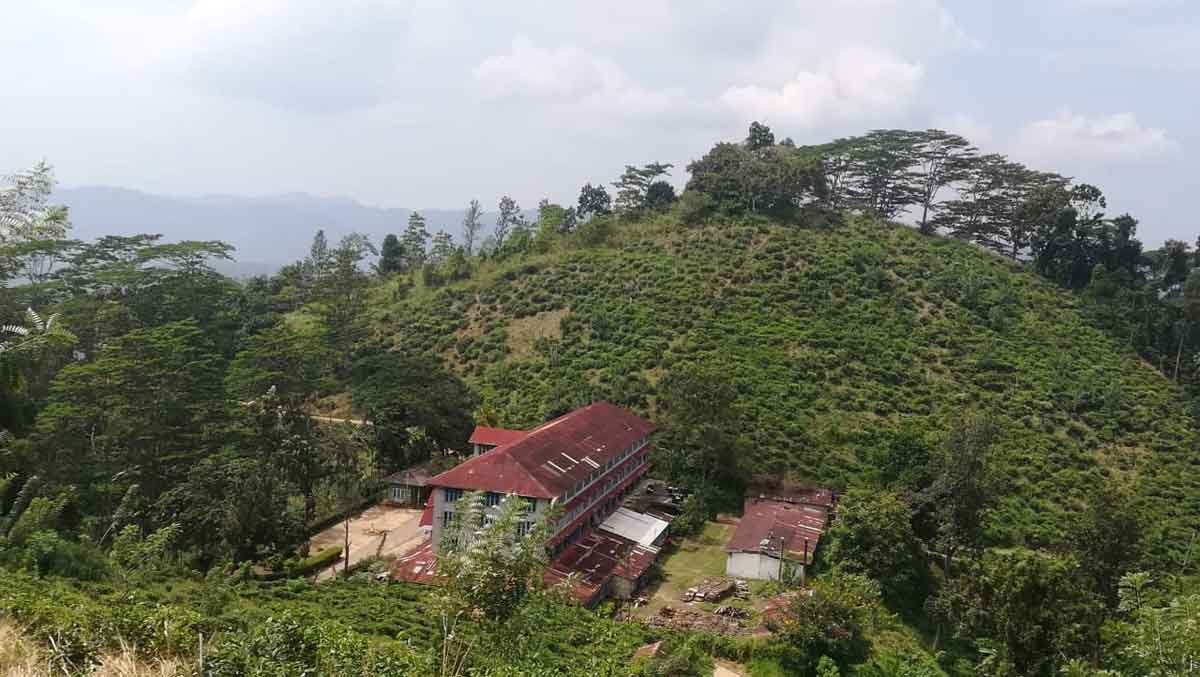
Sri Lanka has generally high yields on paddy farms in the East and North Central province where rainfall and cloud cover is low.
From ancient times rice is grown with the use of irrigated. In the mainly rain fed wet zone yields are generally low.
With the next generation leaving farming especially in the Western province, paddy lands are lying fallow, observers say.
Going beyond changing crops East Asian nations, have been putting former agricultural land into industrial and commercial use and growing at rates of around 8 percent a year.
Vietnam's large industrial parks are on former rice and rubber land.
Tens of thousands acres of paddy land were converted to industrial and commercial use especially in Vietnam's north as the country expanded industrial exports.
In the 2020 – 2030 land use masterplan alone 48,000 hectares of paddy land is expected to converted to industrial and commercial use. In Vietnam regional authorities have powers to re-zone land use. There is stricter approval process for high yield two-crop rice fields.
The backbone of the industrial zones that began around Ho Chi Minh city in the South was built on former rubber land dating back from the French colonial period.
Vietnam Rubber Group, now a listed company in the HCMC stock exchange with a market capitalization of over 4.5 billion US dollars has 14 industrial parks within its land and has more under development. (Colombo/Nov02/2026)

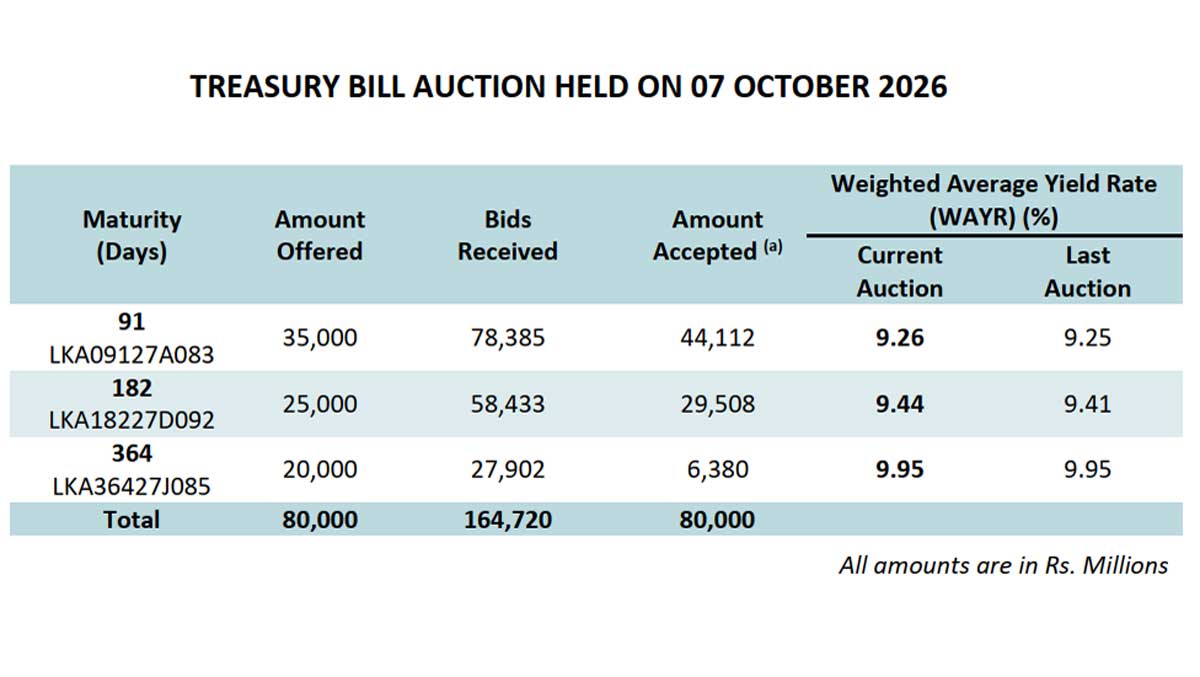
| 3 month bill | 9.26% | 1bp ▲ |
| 12-m bill | 9.95% | 2bp - |
| Gold (Ounce) | $4015 | - ▼ |









Comments
Be the first person to comment and join the debate