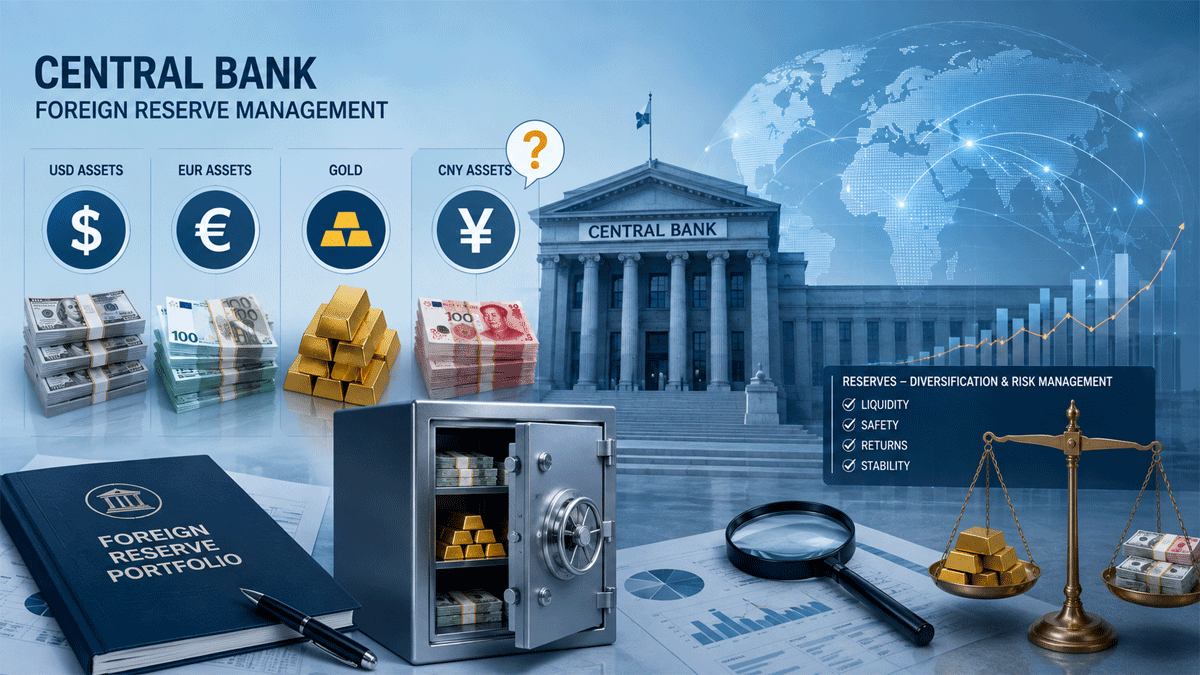
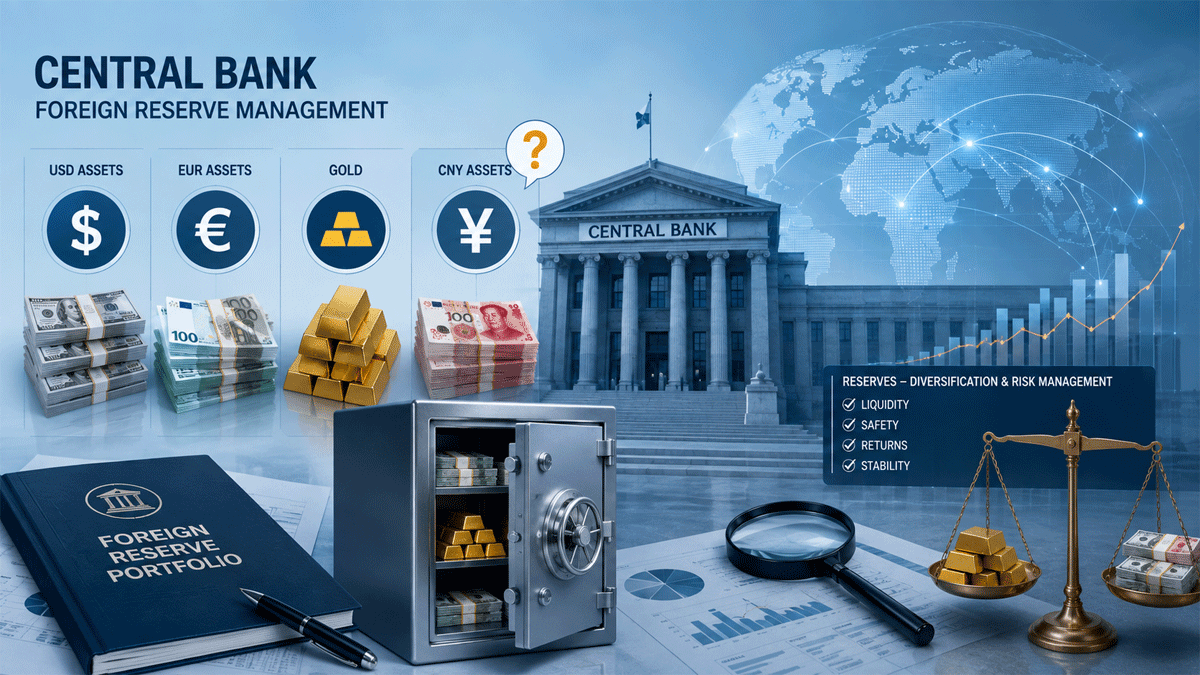
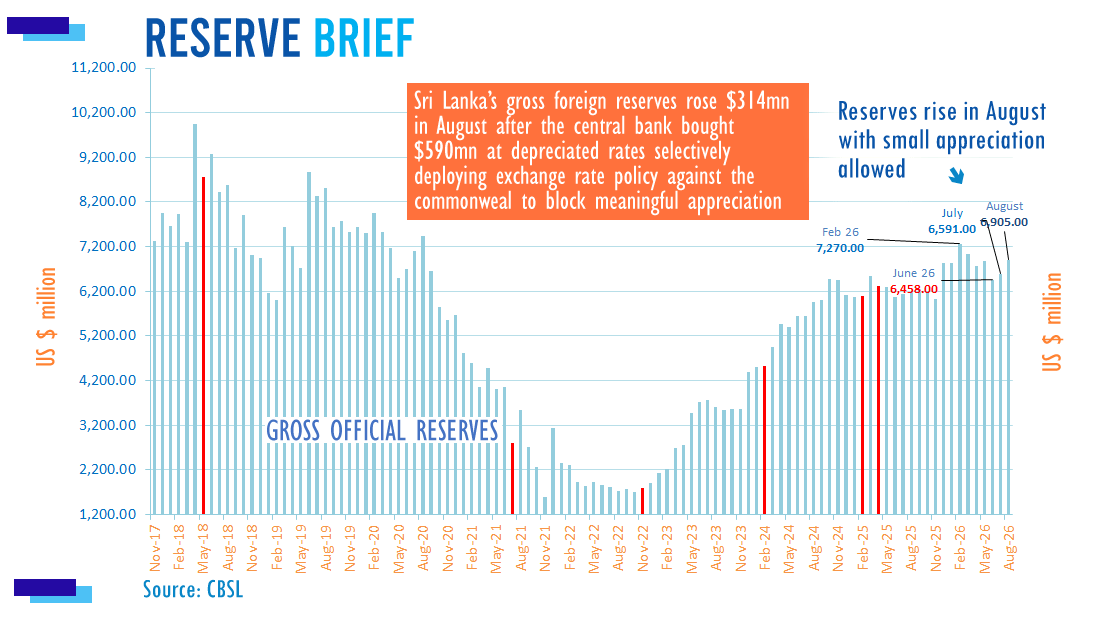
MONETABRIEF – Geographical and currency diversification must be balanced with the need for liquidity and newer emerging risks, Sri Lanka Central Bank Governor Nandalal Weerasinghe said.
The US dollar was the dominant currency in reserve management.
"The dollar continues to occupy a dominant position in international trade, finance and global reserves," Governor Weerasinghe told a regional forum of central bankers on reserve management in Colombo Thursday.
"Depth and liquidity of the U.S. dollar finance markets remain unmatched. At the same time, resource managers are understandably examining risks associated with extreme concentration in any single currency or jurisdiction.
"Therefore, diversification has a role to play. But diversification should not become an objective to it in itself. Resources may be required during a crisis. Liquidity must remain paramount."
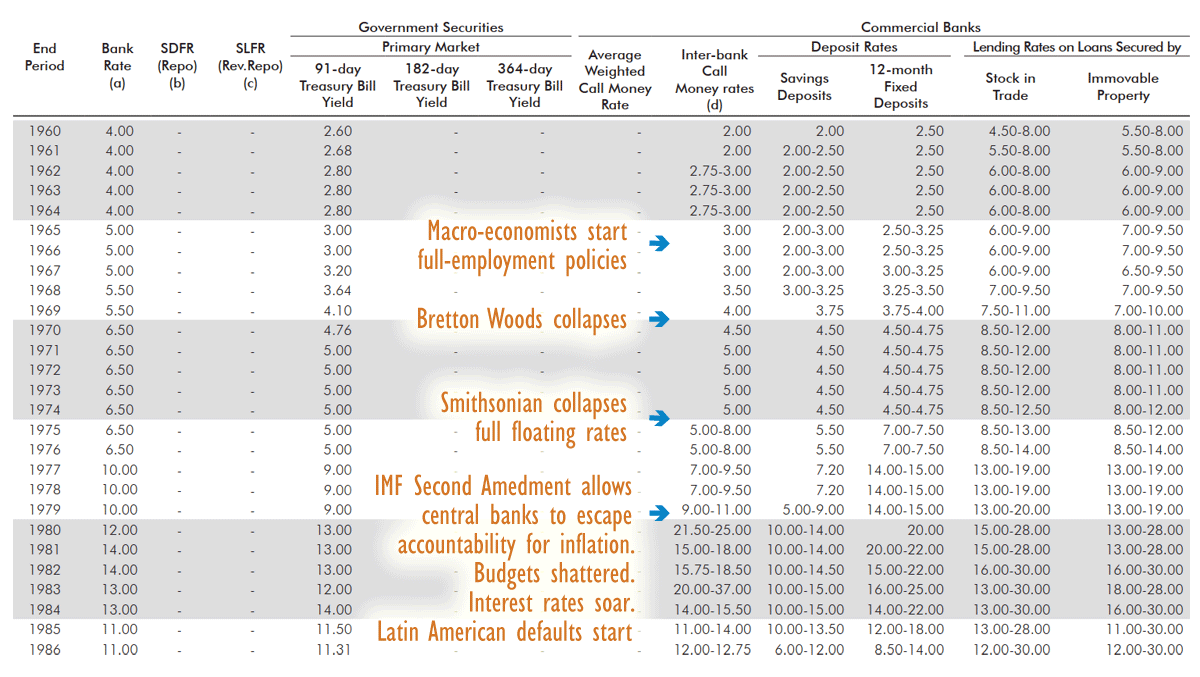
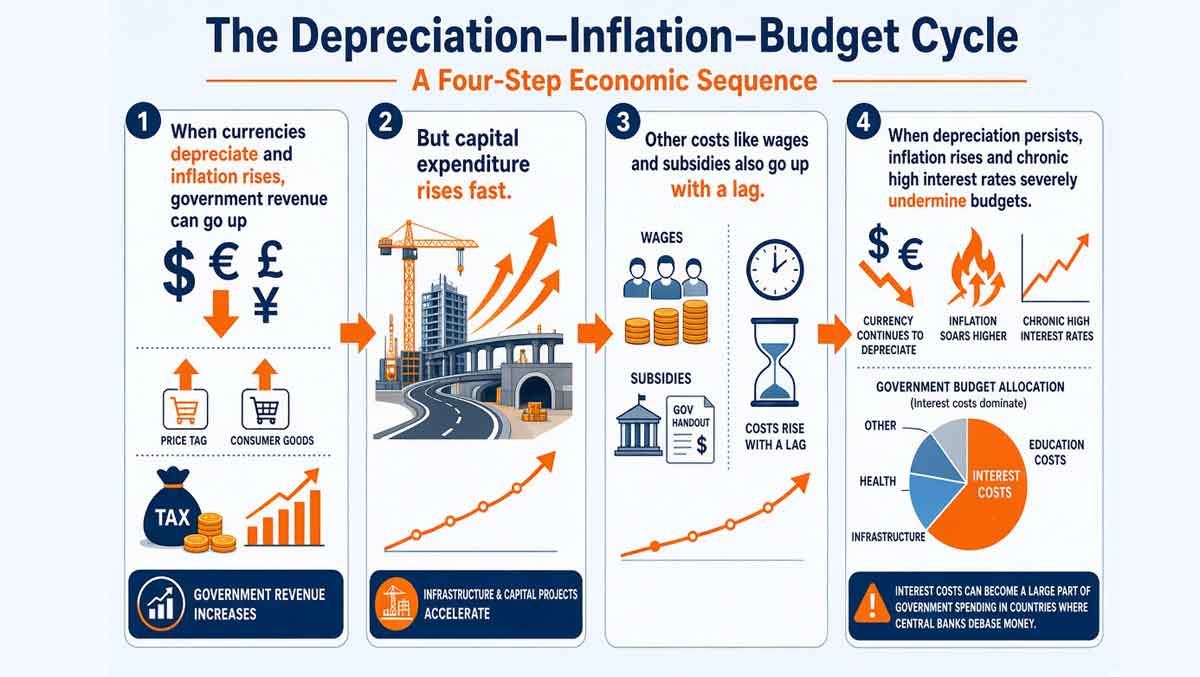
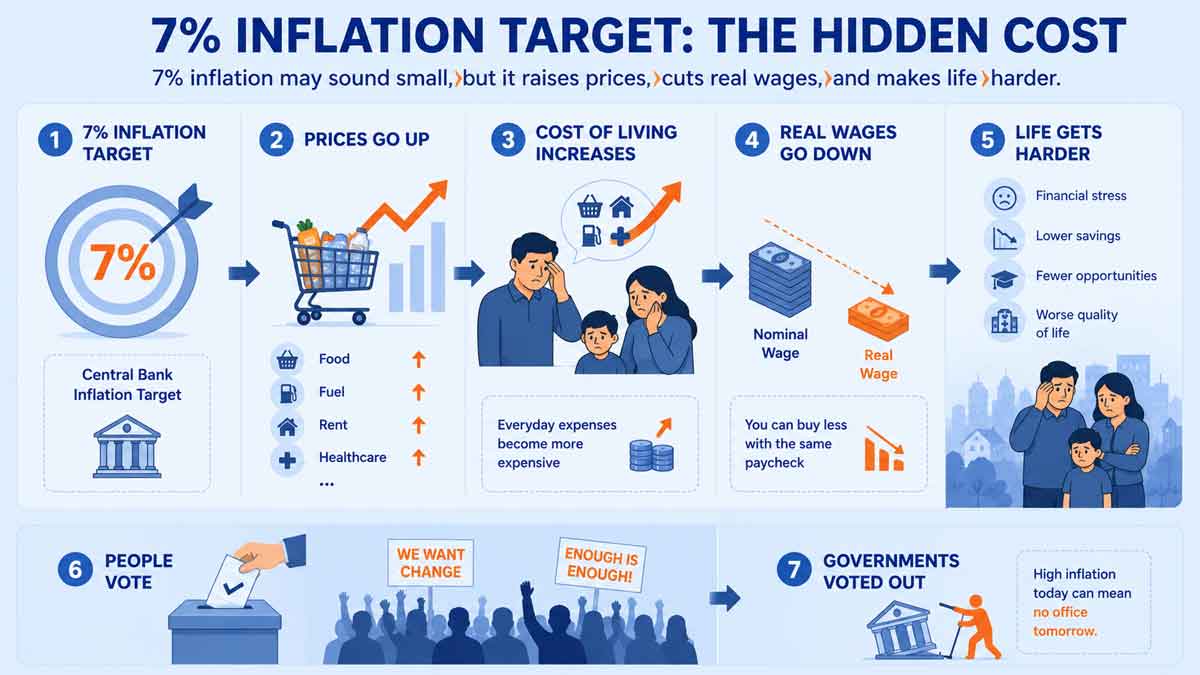
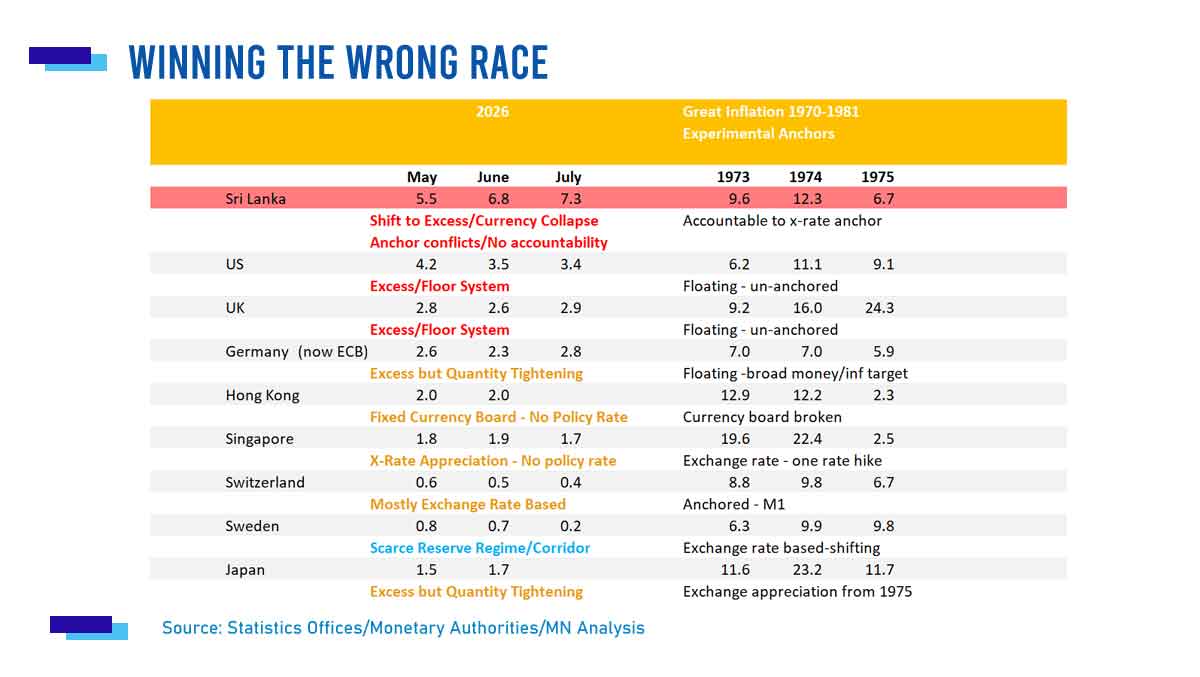
In the US, budgets are shot after nearly 18 years of stimulus advocated by macro-economists and inflation is high due to operating abundant reserve regime or floor system, analysts say
Whatever macro-economists in English speaking countries believe, investment decisions outside of central banks in particular, are ultimately made by finance managers and countries can default.
President Trump elected for the second time amid voter unhappiness amid inflation, is making ad hoc executive decisions, a phenomenon that classical economists call 'regime uncertainty.'
Meanwhile Governor Weerasinghe Foreign reserves requirements could no longer be calculated in terms of months of imports.
"Imports remain relevant, but they are only one part of the picture," Governor Weerasinghe said.
"We must also consider short-term external liabilities, debt service requirements,
Capital for volatility and potential contingent liabilities.
"The question is not merely how much we hold, but whether our buffers are appropriate for risks that we could face or we can face in the future."
Traditionally central bank reserve management has been guided by Safety, equity and return.
While the objectives remained fundamental, reserve managers also had to consider geopolitical fragmentation, strategic competition, trade tensions, sanctions, financial fragmentation, volatile commodity prices changing interest rate cycles, and rapid technological transformation.
"For Central Banks, foreign resources are far more than financial assets or the balance sheets," Governor Weerasinghe said.
"They are countries', nations', line of defence against external shocks."
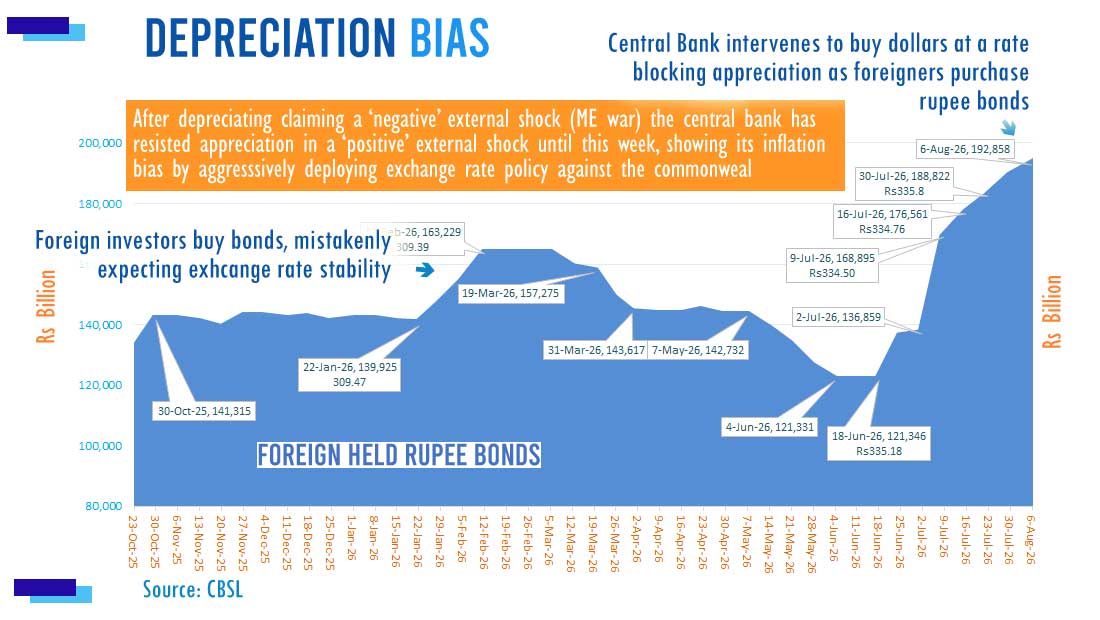
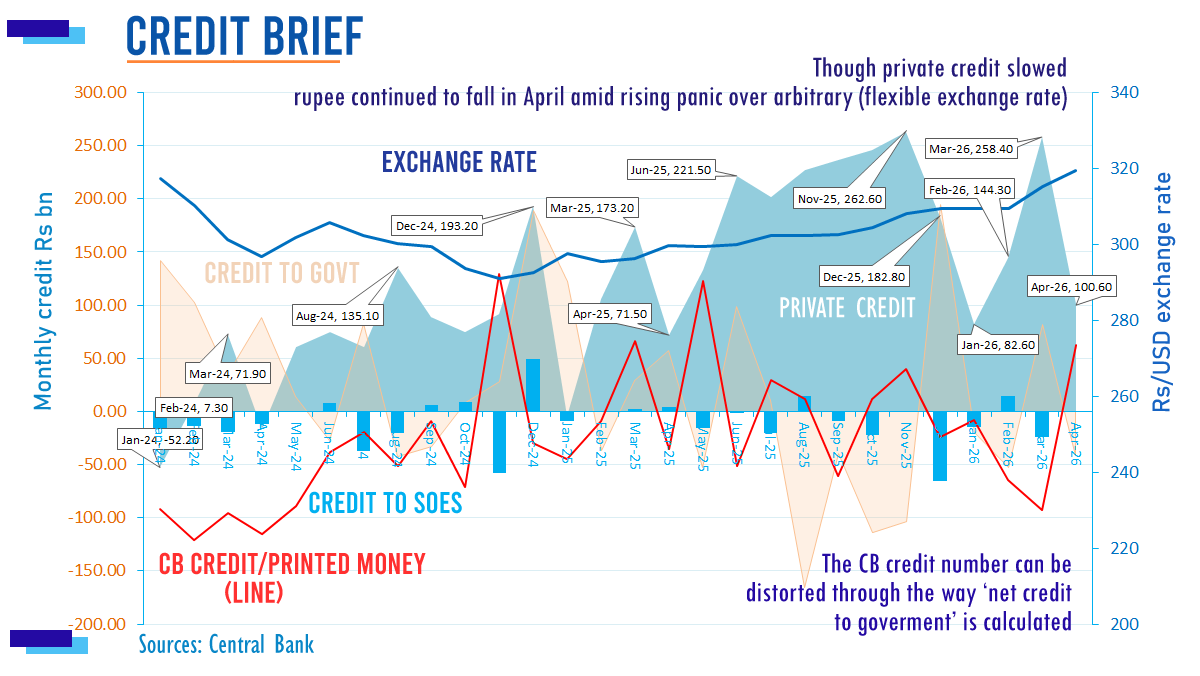
However analysts say, under IMF's exchange rate as the first line of defence, currencies are depreciated, panicking market participants, killing confidence, amplifying external shocks and turning voters against democratically elected governments.
Central banks with policy rates, even if they use reserves, print money to prevent rates going up, nullifying the beneficial effects of reserve sales and triggering fresh credit and demand.
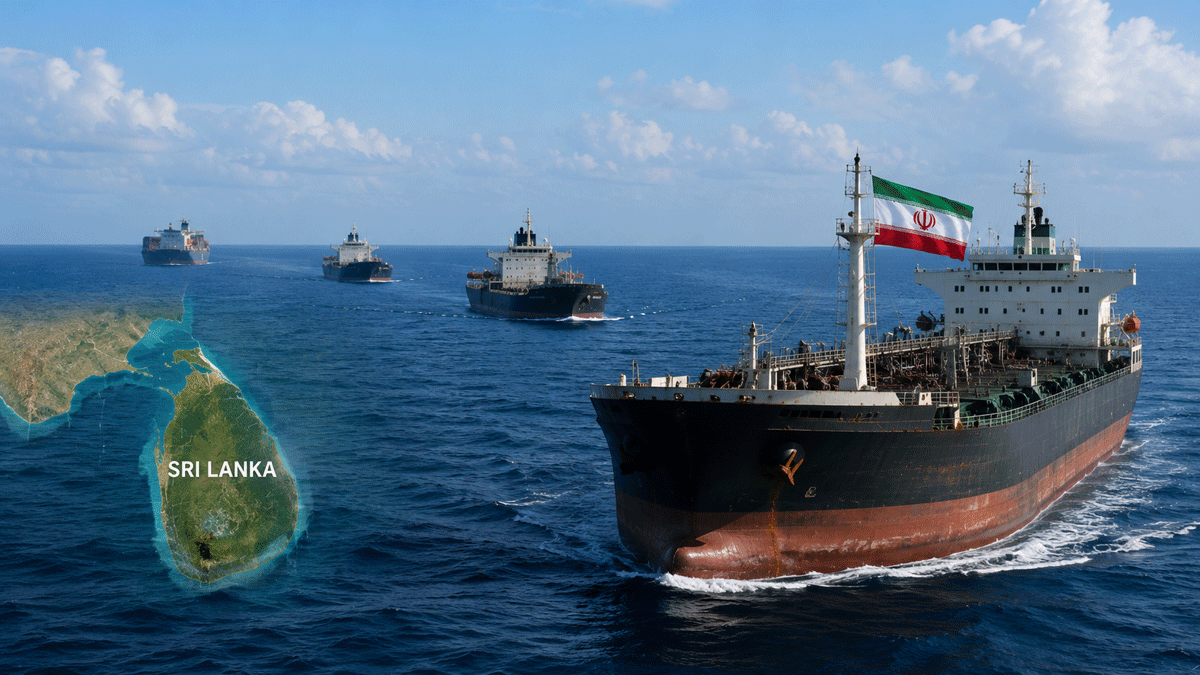
In South Asia in the 2026 Middle East war, the Maldives, Nepal and Bhutan maintained monetary stability and Pakistan appreciated and earned a credit upgrade. (Colombo/Sept10/2026)










Comments
Be the first person to comment and join the debate