MONETABRIEF – Registrations of small cars and motorcycles in Sri Lanka, purchased by the least affluent buyers, have fallen in June 2026, data show, after a currency collapse from money and exchange policy conflicts of the central bank, which also triggered trade restrictions.
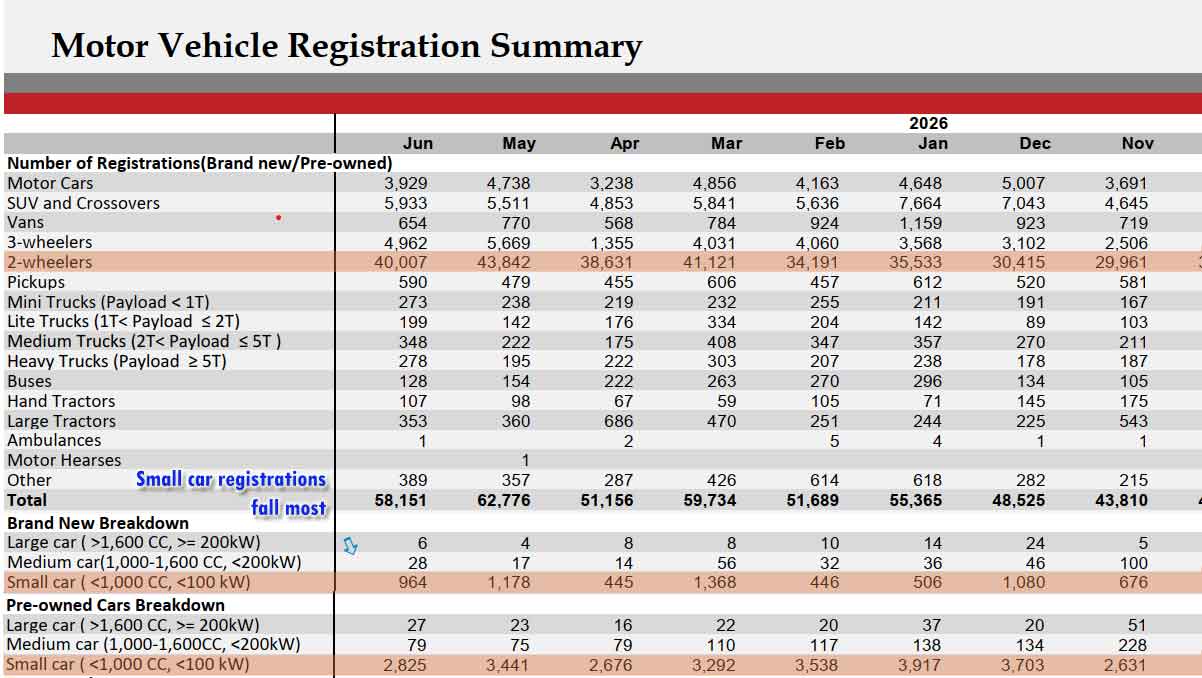
In June total vehicle registrations fell to 58,151, down from a spike of 62,776 in May, Sri Lanka vehicle registry data analyzed by J B Securities, a Colombo-based brokerage shows.
In May, an import tax surcharge of 50 percent was slapped on imported vehicles after a collapse of the rupee from 309 to 340 levels.
Registrations usually spike in May after traditional New Year holidays in April. Compared to a more 'normal' month in March when 59,734 vehicles were registered, June numbers were down.
Motor car registrations fell to 3,929 in June from 4,738 in May and 4,856
The central bank collapsed the rupee in early 2026, destroying wage gains made over the past year by the working class and also slashing the purchasing power of their lifetime savings and Employees Provident Fund balances.
In June, registrations of brand-new small cars (below 1000cc and below 100Kw) fell to 964 from 1,178 in May and 1,398 in March.
Pre-owned (re-conditioned) small cars fell to 2,825 in June from 3,441 in May and 3,292 in March.
Two wheelers fell to 40,007 from 43,842 in May and 41,121 in March.
SUVs and crossovers which are purchased by the more affluent, rose to 5,933 in June from 5,511 in May and 5,841 in March.
Three wheelers fell to 4,962, up from 5,669 in May but was up from 4,031 in March.
Sales of BAW E-7, among the cheapest electric vehicles, fell to 108 in June from a spike to 553 in May, but was down from 213 in March.
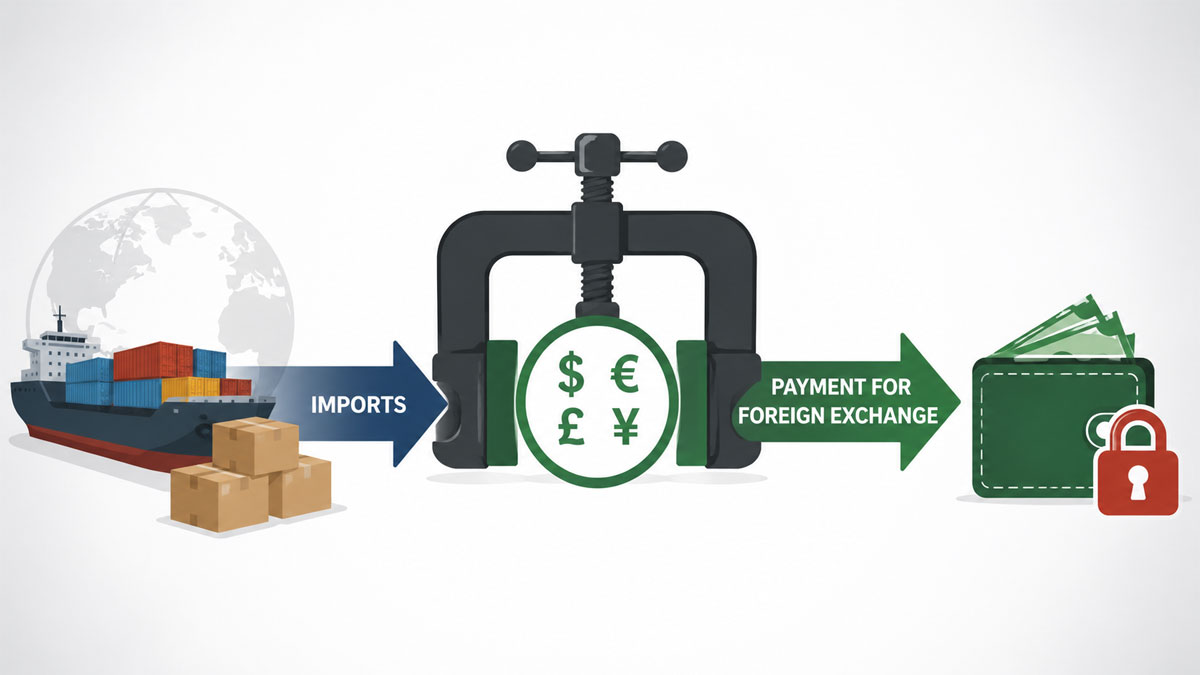
Sri Lanka started to face increasing trade restrictions about 18 months after the creation of the central bank as it printed money to suppress rates and triggered forex shortages.
Import duties were raised as a surcharge from the currency board period and was then normalized. Income taxes were also raised from the level in the currency period when there was monetary stability.
However, in 2026 the central bank created balance of payments problems with a budget surplus and could not escape accountability giving the same reason as in 1953.

In 2026, the central bank said it was an 'external shock'.
In 1953 the parliament did not allow the central bank depreciate the currency. According to the then monetary law it had less ability to harm the least affluent people. The power to harm people aggressively came after the IMF's Second Amendment to its articles in 1978. (Colombo/July26/2026)







Comments
Be the first person to comment and join the debate