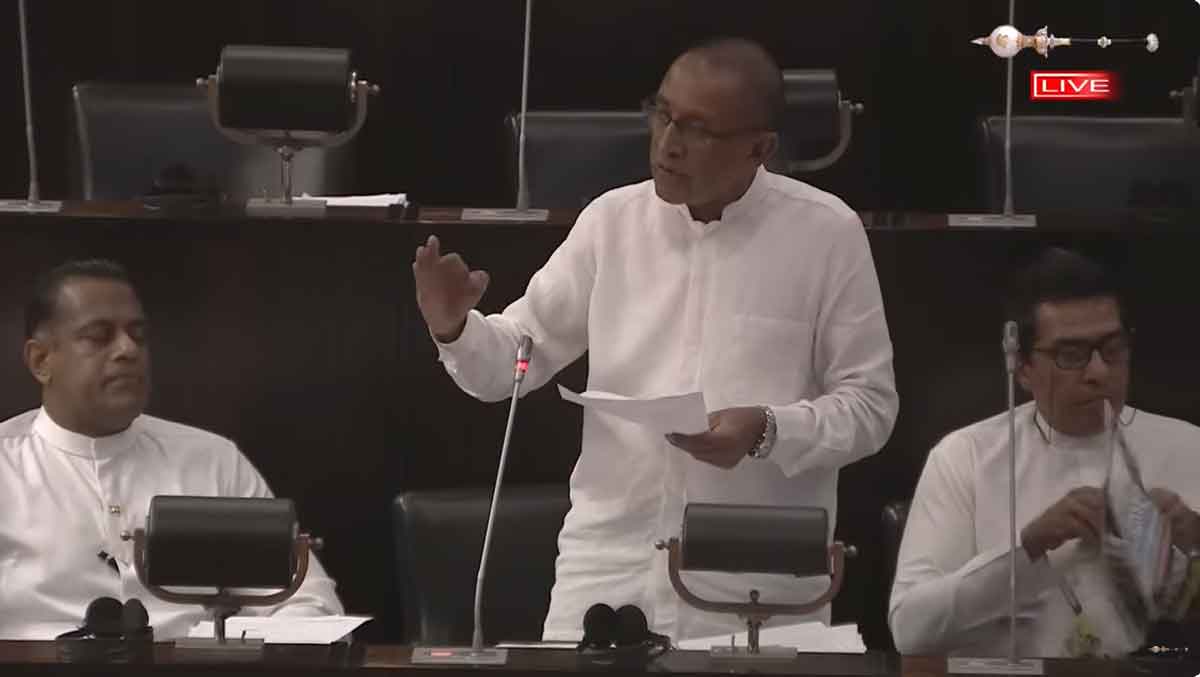
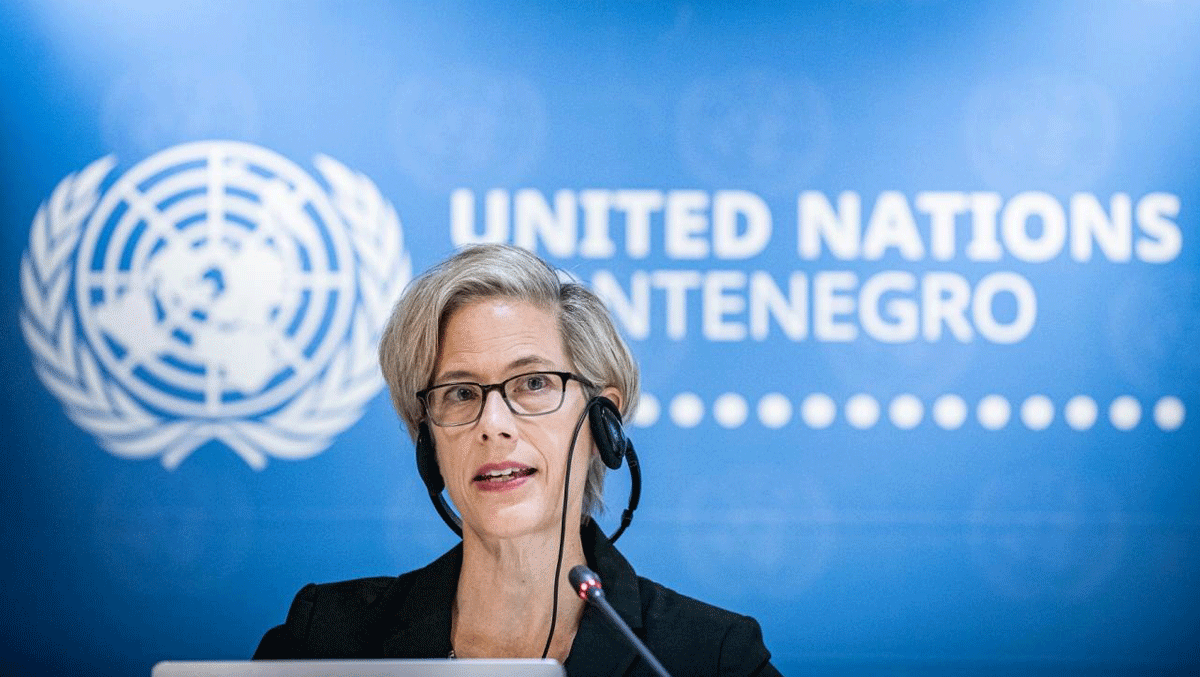
MONETABRIEF – Sri Lanka inflation has taken away the benefit given to middle class taxpayers by the last increase in the income tax threshold, Deputy Finance Minister Anil Jayantha said.
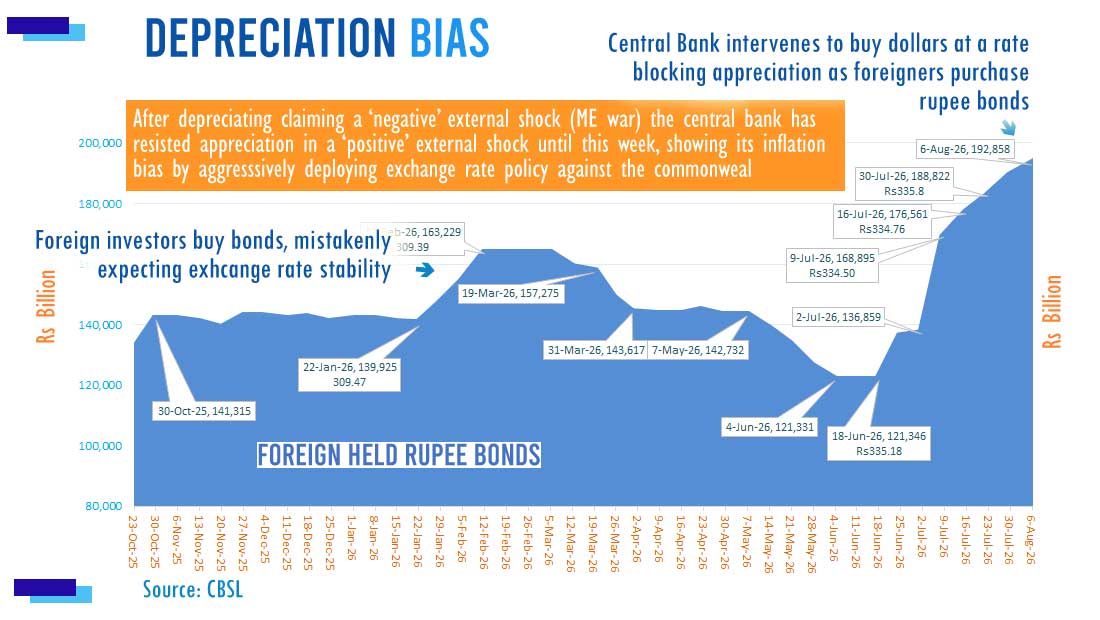
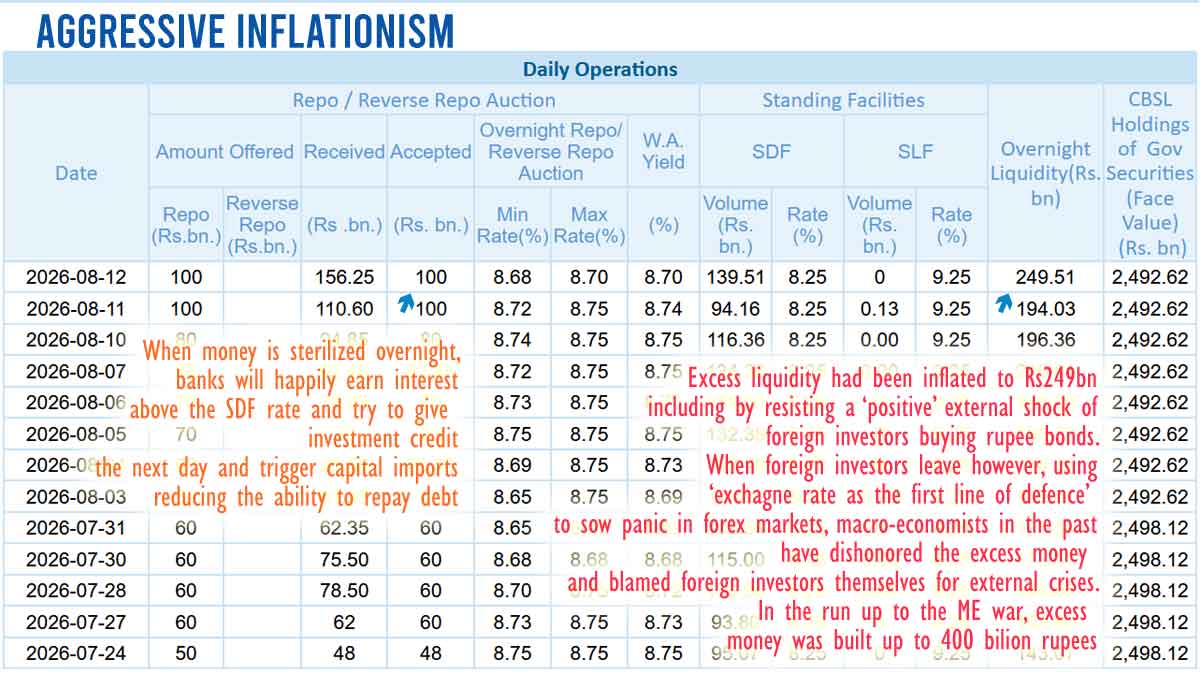
Sri Lanka's central bank built up excess liquidity in money markets it had no intention of honoring, by monetizing bank dollar balances via buy – sell swaps to mis-targeted rates, and also monetizing the balance of payments during the Ditwah credit collapse (a positive domestic shock to the rupee).
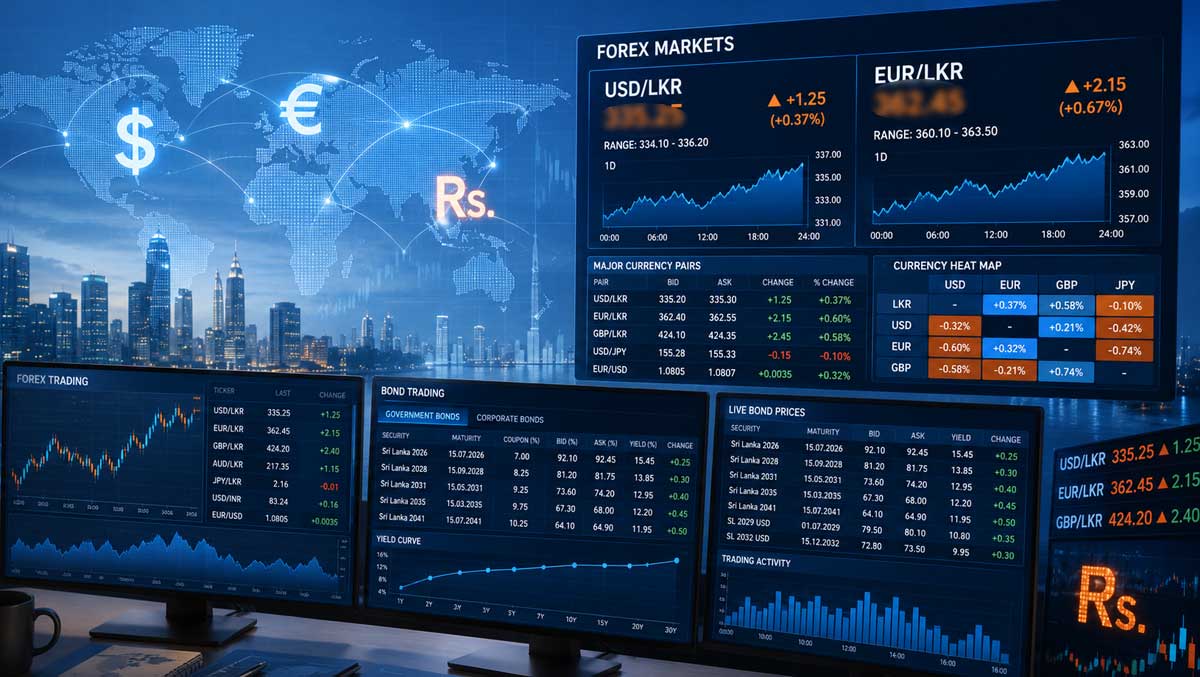
When import prices went up after the war, authorities first used moral suasion to kill the spot market for foreign exchange and then dishonored its own note-issue using 'exchange rate as the first line of defence' dogma which critics call 'interest rate as the last line of defence'.
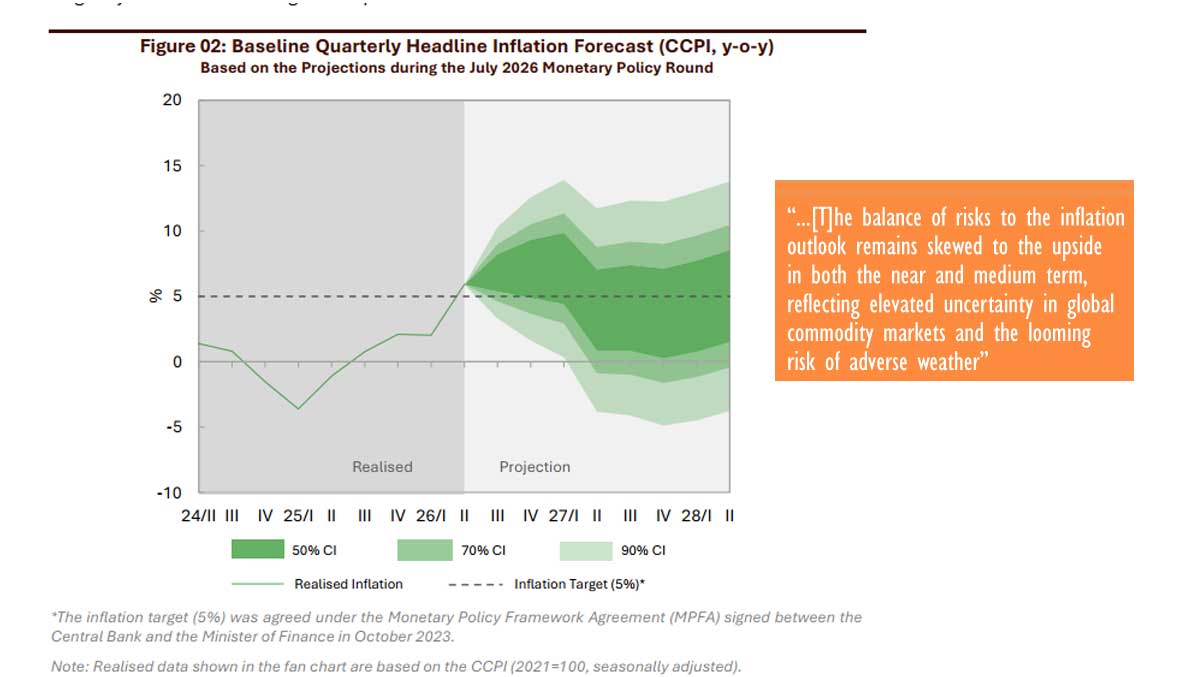
Inflation hit 7.3 percent in July, higher than the 7 percent ceiling rate of the central bank's controversial 5 percent inflation target and also more than 6.5 percent in the IMF program.
Reducing Capital Decumulation Tax
The current administration raised the income threshold for the lowest income earners from 100,000 to 150,000 a month in its first in 2026.
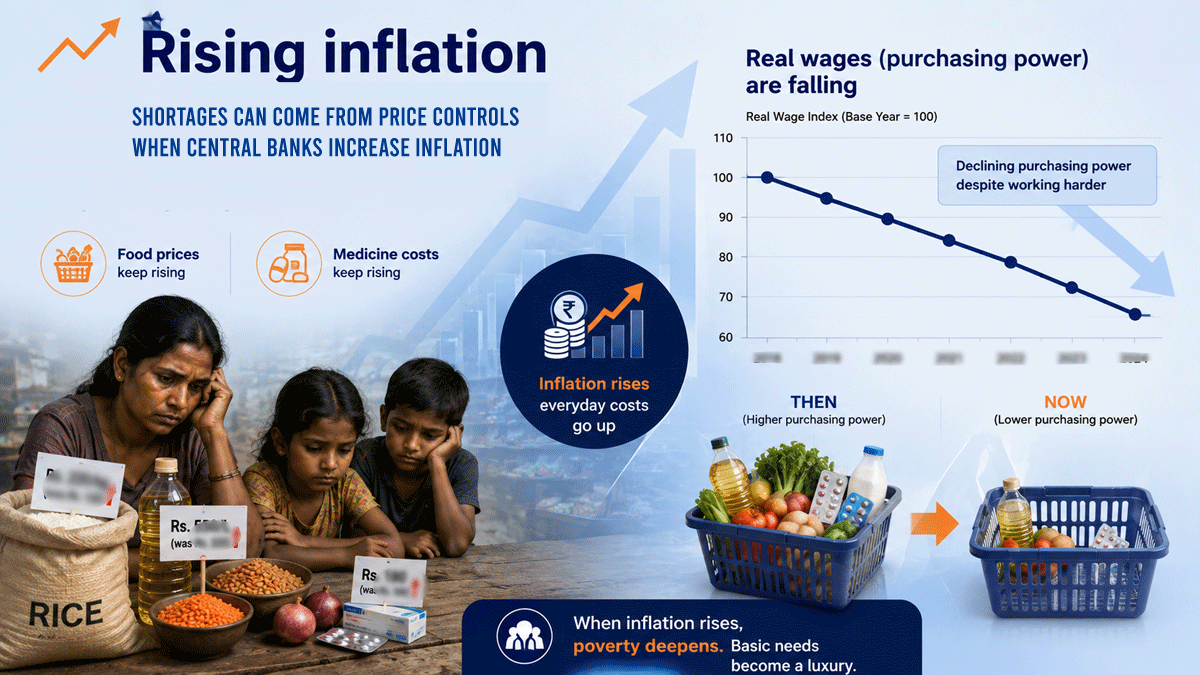
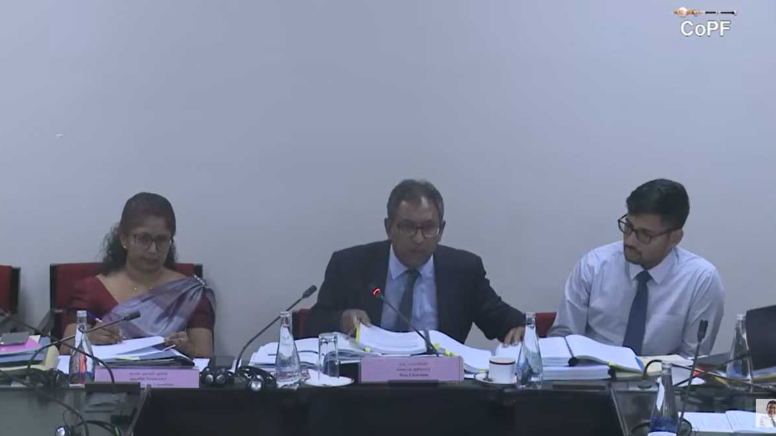
"Whatever the concession given to these tax bracket changes and the threshold increase, also this has been just taken out by the inflation," Deputy Finance Minister Anil Jayantha Fernando told MonetaBrief.
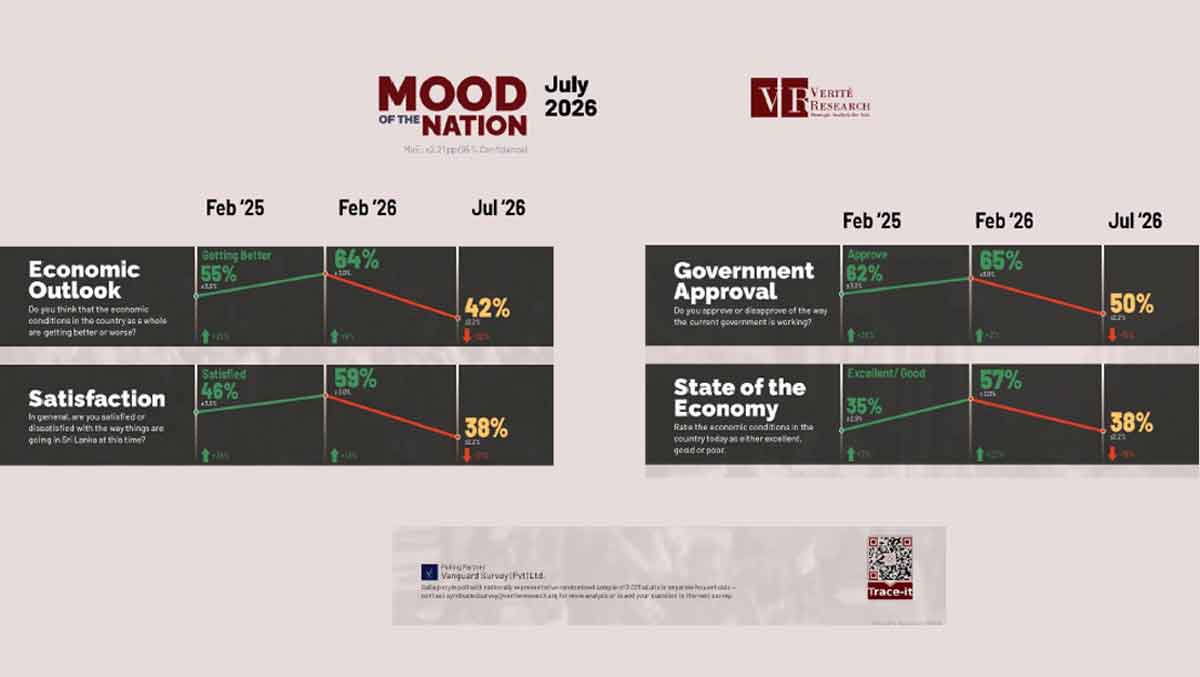
"So, therefore, especially the middle class is facing this particular issue because their purchasing power is gradually reducing."
The rising inflation also hit higher income brackets, and destroys real capital available for investment and growth by amplifying the effect of capital decumulation taxes, but it is the lower income people that feel the effect of inflation from depreciation most as traded goods, including prices of exported produce rise.
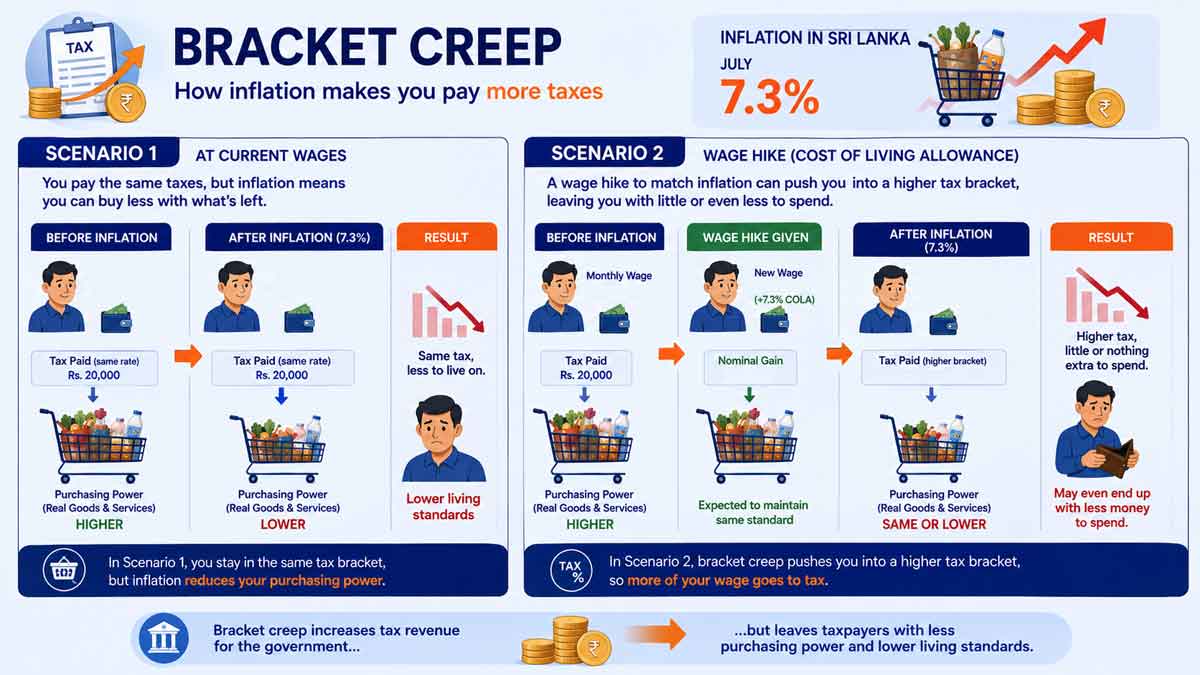
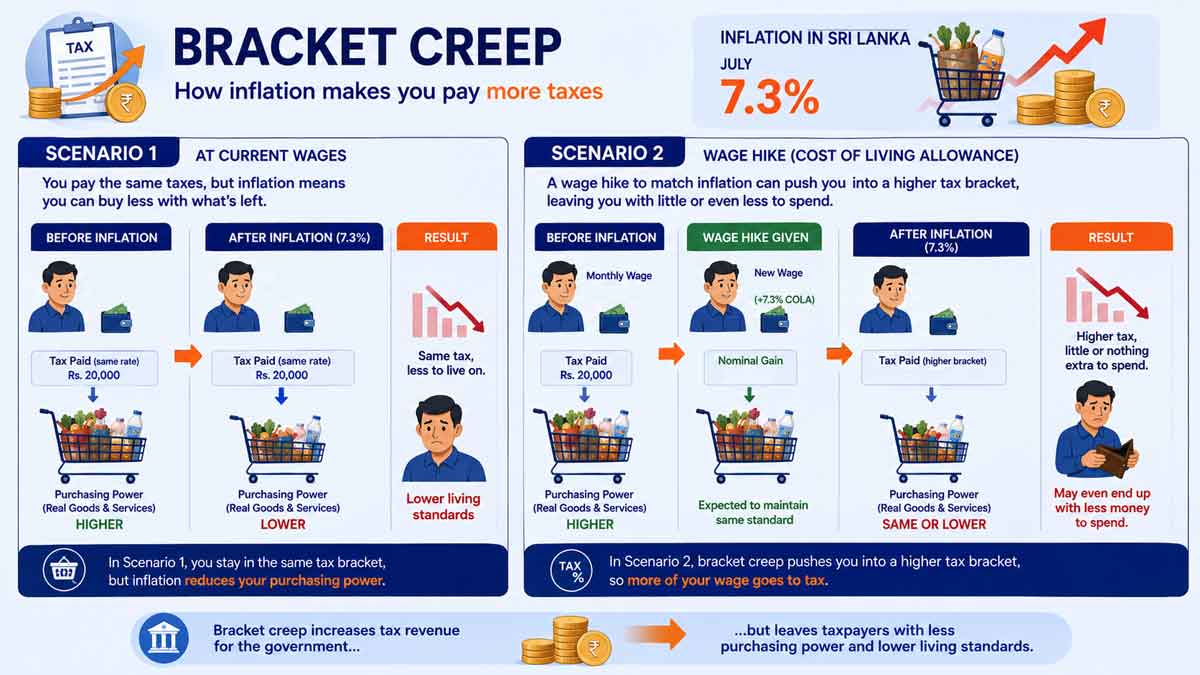
Bracket Creep
The expanding revenues from inflation is called 'bracket creep' a term that became popular in the 1970s 'Great Inflation' period after macro-economists busted the Bretton Woods by printing money for 'full employment' policies from mid 1960s.
When the working class go on strike demanding higher wages, macro-economists then claimed that there was such a thing as 'wage-spiral' inflation, amid a revival of 17th century Mercantlimist involving the fallacious 'cost-push' inflation.
IMF programs including that of Britain, the home of Cambridge economics, and the largest at the time, contained provisions to freeze wages.
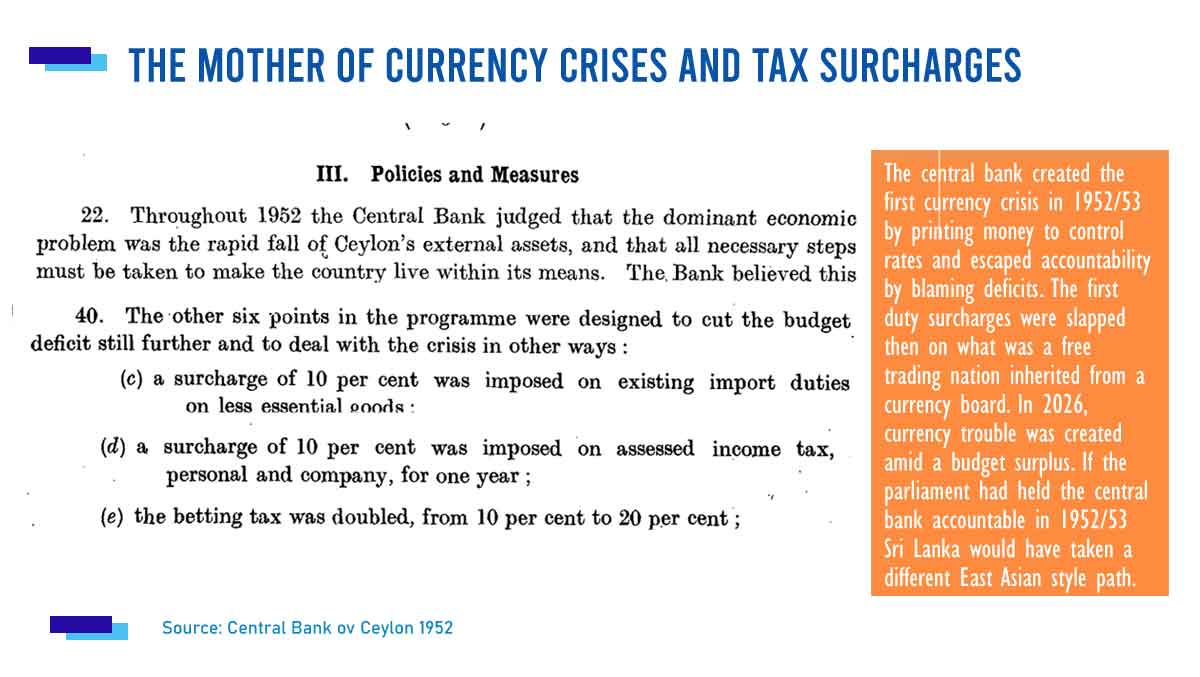
Sri Lanka's central bank created the first external crisis from February 1952, barely two years after its creation by mis-targeting rates with inflationary open market operations, forcing a once free-trading nation to impose import duty surcharges and later income tax hikes as money printing continued the next year.
It was in 1952 that the central bank started blaming budget deficits for external trouble after taking a conscious decision to push private credit.
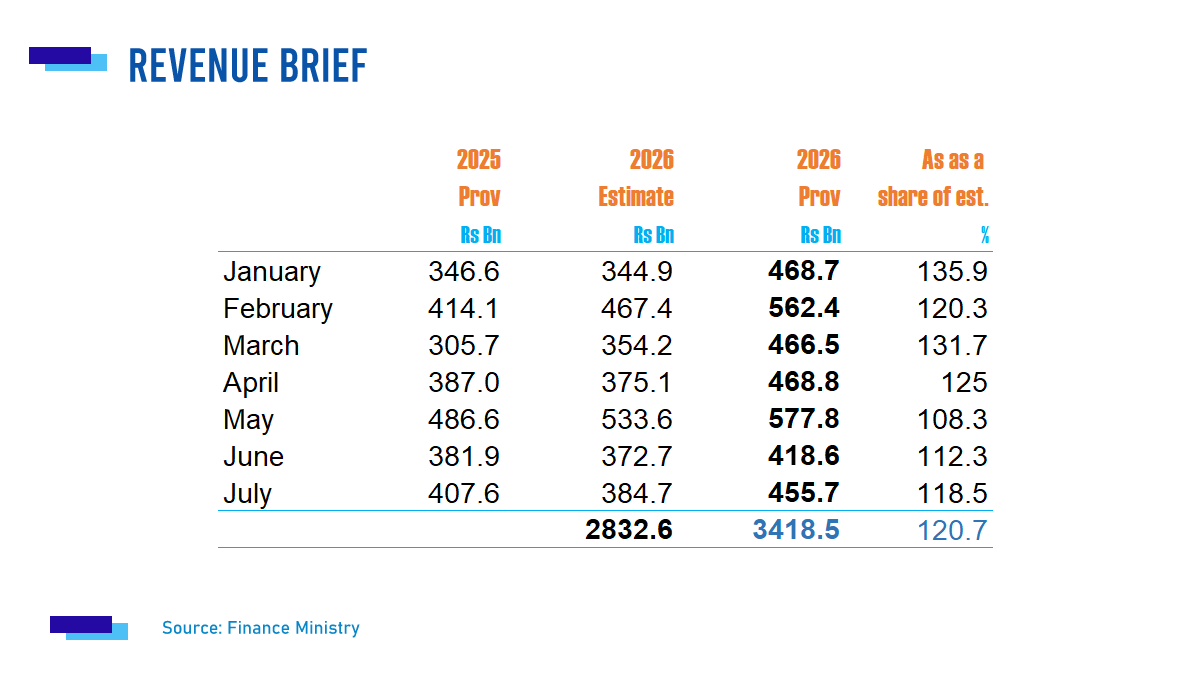
However, the current government was running a budget surplus when the rupee collapsed in 2026 and the seven decade excuse to escape accountability, which some classical economists now laughingly call IMF (It Must be Fiscal) has been shattered to small pieces.
Meanwhile Minister Jayantha said the government was looking at the issue, as there had been requests but prudent fiscal policy had to be maintained.
"We have to carefully tackle this without eroding our tax base," Minister Fernando said.
"Because now we are in a move of just increasing the tax administration and expanding the tax base."
Though the government is looking at the issue no decision has been made, he said.
Money Illusion
Macro-economists claim that inflation boosts government revenues in part due to bracket creep, but expenses catch up with a lag under the so-called Cantillon effects where central banks create winners and losers in society.
The effect on inflation from monetary policy works in two ways on taxes.
Wage earners have to reduce their living standards to pay the same amount of taxes as macro-economists push up inflation with positive inflation targets.
If their employers gives a salary hike or cost of living adjustment, the unfortunate workers will be pushed to higher income tax brackets. It is worse for people close to thresholds.
Value added tax revenues will also go up, further squeezing people's disposable incomes, but budgets may look good in the short term.
Sri Lanka's budgets became unmanageable in the 1980s as the rupee collapsed in the wake of the International Monetary Fund's Second Amendment to its Articles and the extreme Mercantilist ideology of 'competitive exchange rates' to boost exports and the expense of social and political stability and out migration and domestic financial capital.
Latin America, as well as some Eastern European nations which had foreign debt, went into debt crises and defaulted from the 1980s.
Currency debasement and the inflation that follows makes budgets moving targets as cost of items like capital expenditure rises, wage and subsidy cost also go up with a lag in line with what is called the Cantillon effect.
Within the gap between debasement and rise in wages, there will be strikes, voter unhappiness and political unrest as well as reform reversals such trade and exchange restrictions, as the central bank triggers fresh forex shortages.
Foreign debt service costs also go up immediately and eventually the real value of taxes paid later goes down (Tanzi effect) as does any domestic reserves like the cash buffer.
Inflation indexing of tax brackets, will remove one of the ways that macro-economists use to mislead politicians and parliaments that inflation is good for budgets.
(Colombo/Aug17/2026)









Comments
Be the first person to comment and join the debate