MONETABRIEF – Pharmaceutical distribution and manufacturing have been hit by higher costs from a currency collapse in the first quarter, though prices for government purchases have been increased, a Sri Lanka consumer goods group has said.
In Sri Lanka drugs are hit by price controls, depriving the public of many Western brands.
"The Middle East conflict's impact was felt most acutely in the Life Sciences cluster, transmitted primarily through LKR depreciation," Sri Lanka's Hemas group told shareholders in the quarterly report.
"Because pharmaceutical pricing is tightly regulated by the National Medicines Regulatory Authority (NMRA), the Group had to absorb the resulting cost increases fully on its own until NMRA approved higher prices."
"However, importantly, the NMRA's pricing formula for pharmaceuticals now includes a mechanism to account for exchange rate movements beyond a 5 percent threshold from the time the price is set annually, though price revisions may still lag due to the approval process.
"As expected price increments feed through into the financials, we expect margins to recover gradually over the upcoming quarters."
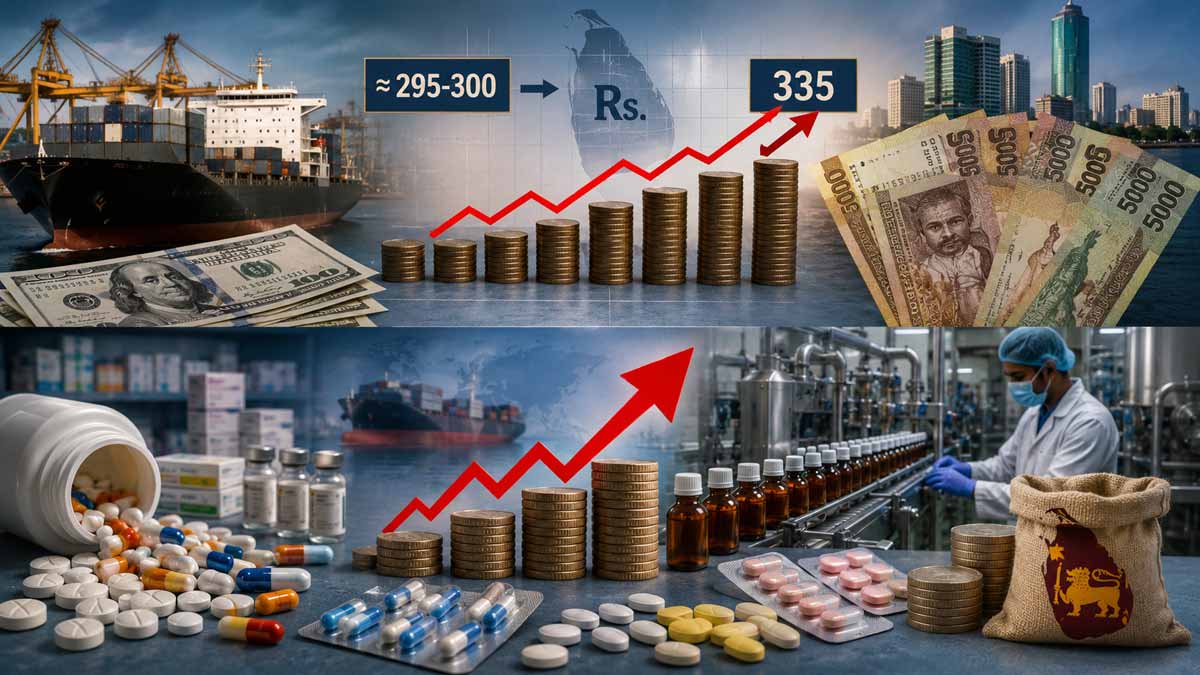
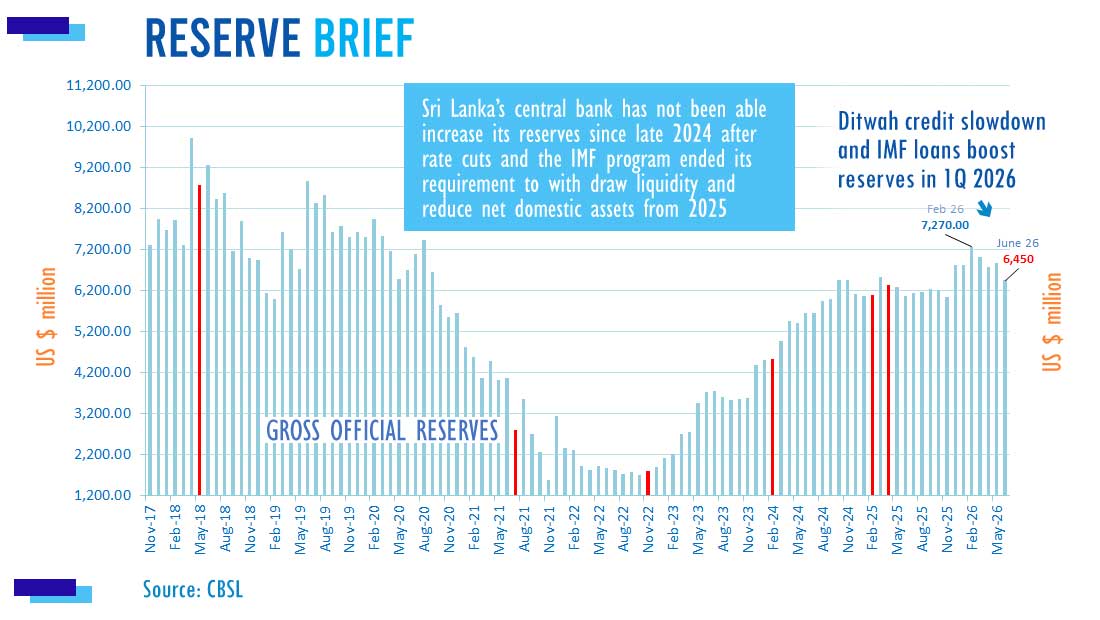
Sri Lanka's rupee collapsed from around 295 to 309 by February 2026 as the central bank printed money through buy-sell swaps and overpurchased dollar, pushing up excess liquidity.
When the war hit and oil costs went up the central bank denied convertibility (dishonored its notes) triggered panic in forex markets, and the spot market was also killed.
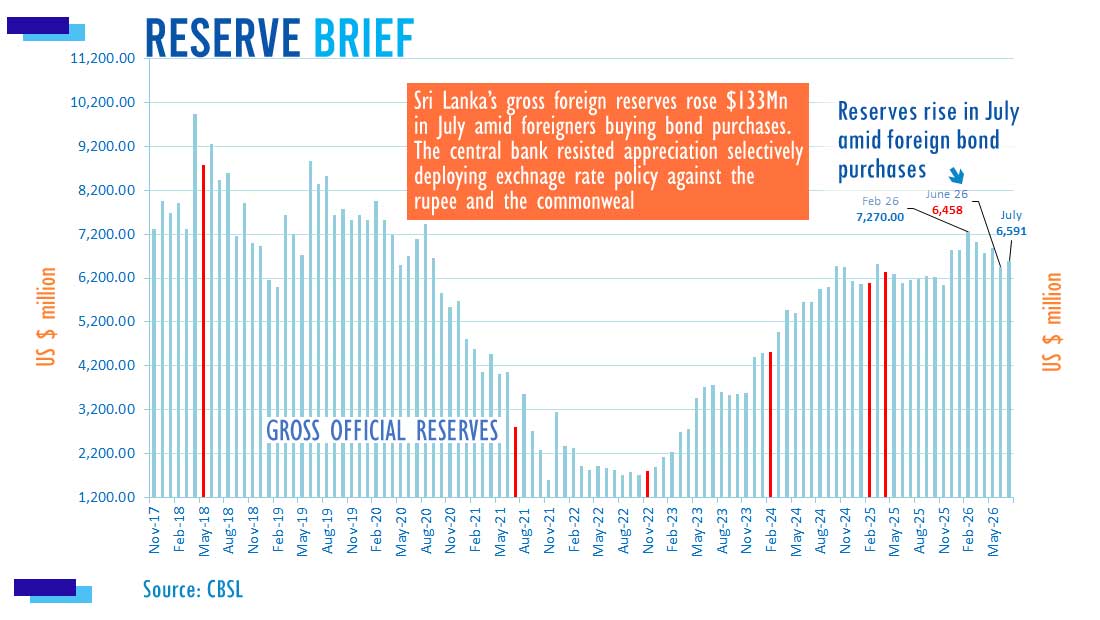
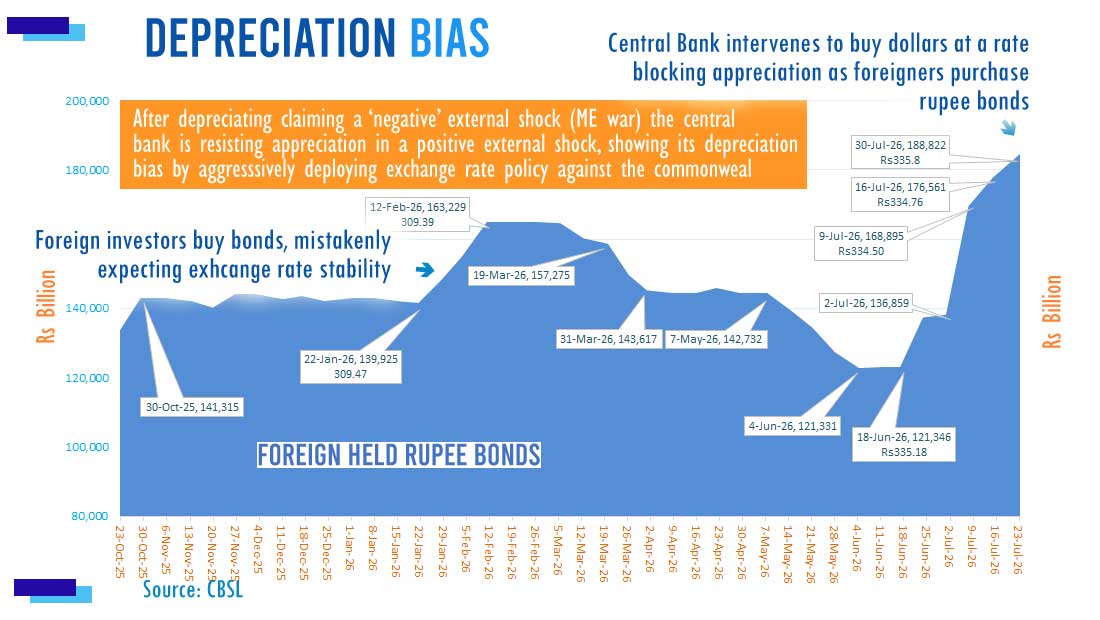
The rupee collapsed to around 335 to the US dollar as notes were dishonored and appreciation was resisted as import demand eased and foreign investors bought into rupee bonds.
In 2015-2019 when the central bank was printing money for mid-corridor targeting and to close a 'potential output gap' busting the rupee from 130 to 184 to the US dollar, and the National Medical Regulatory Authority was set up, analysts warned that the central bank's inflationism had to be constrained by law to protect sick people.
Sri Lanka later saw deaths and damaged eyes from bad generics amid regulation.
Hemas said drugs made by its subsidiary Morison saw 50 percent volume growth.
"However, performance was challenged by the impact from LKR depreciation, rise in material prices, increase in fuel and electricity which were not compensated as price increases were not granted in Q1,"
"Part of this impact will get mitigated in the next few quarters with the price increase that has now been granted for government buyback supplies."
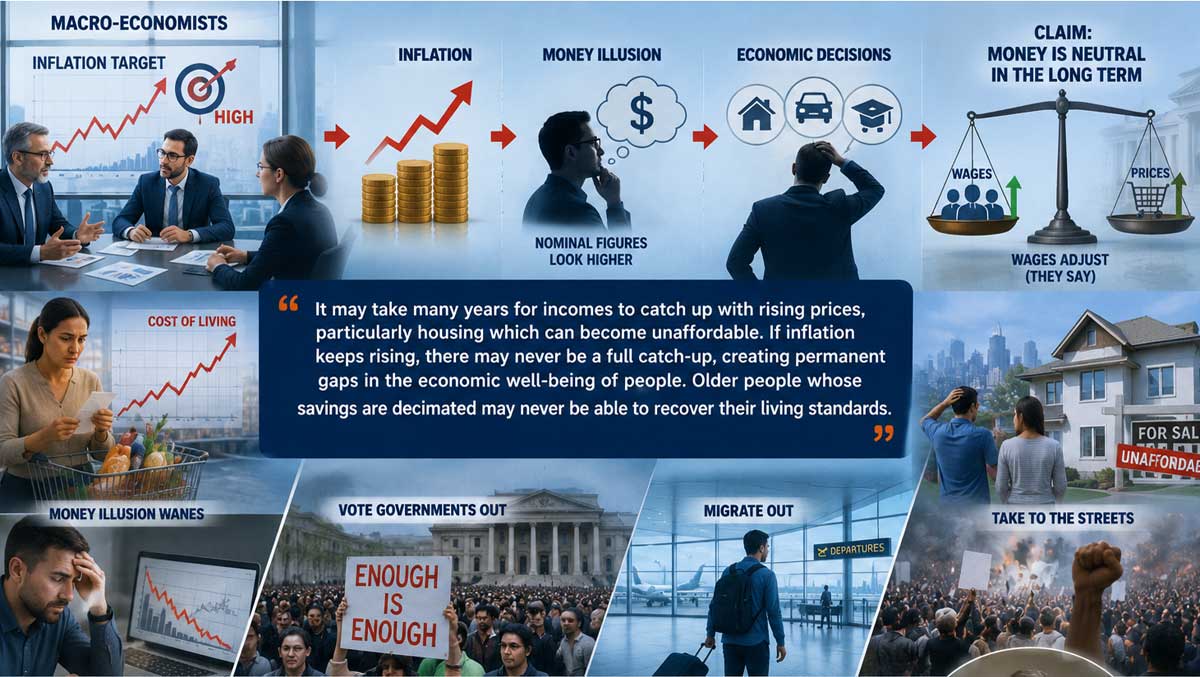
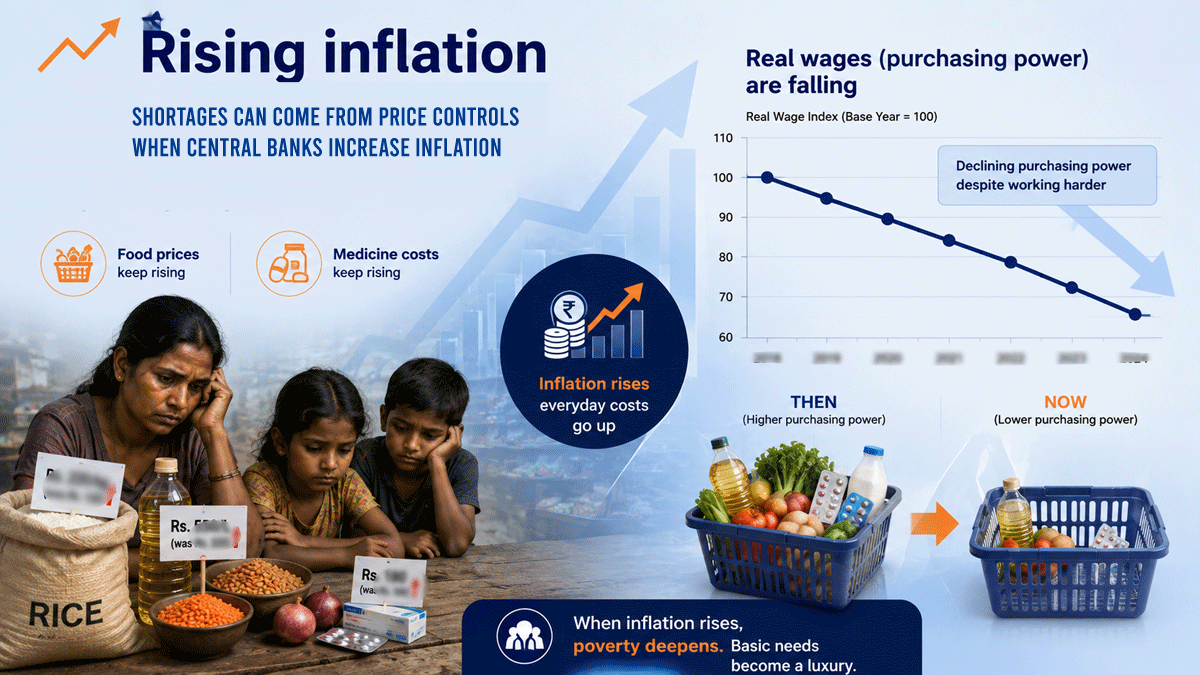
Sri Lanka's inflation topped the central bank's 5 percent target and also its 7 percent ceiling in line with currency collapses seen from 2015 under flexible inflation targeting.
There is pressure for the central bank to curb its inflation bias through calls to reduce its inflation target.
However the agency can still use exchange rate policy to push up the cost of living and medicine prices as seen in 2026.
Sri Lanka defaulted on its foreign debt without a war in 2022 after rate cuts and excess liquidity build up through a true single policy rate (a cap was put on T-bill yields) and an abundant reserve regime. (Colombo/Aug13/2026)









Comments
Be the first person to comment and join the debate