MONETABRIEF – Top Sri Lanka economist W A Wijewardene has responded to Ravi Rathnasabathy's essay on reducing inflation target as a means to prevent monetary instability and the harm caused by high inflation target to the commonweal.
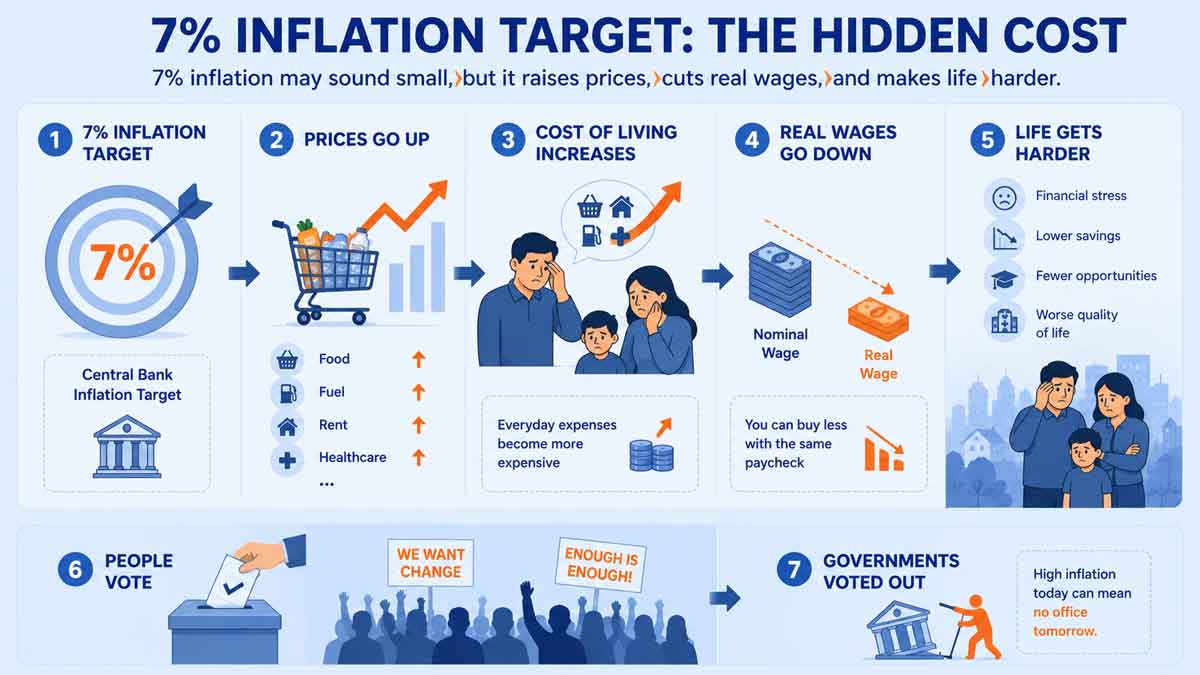
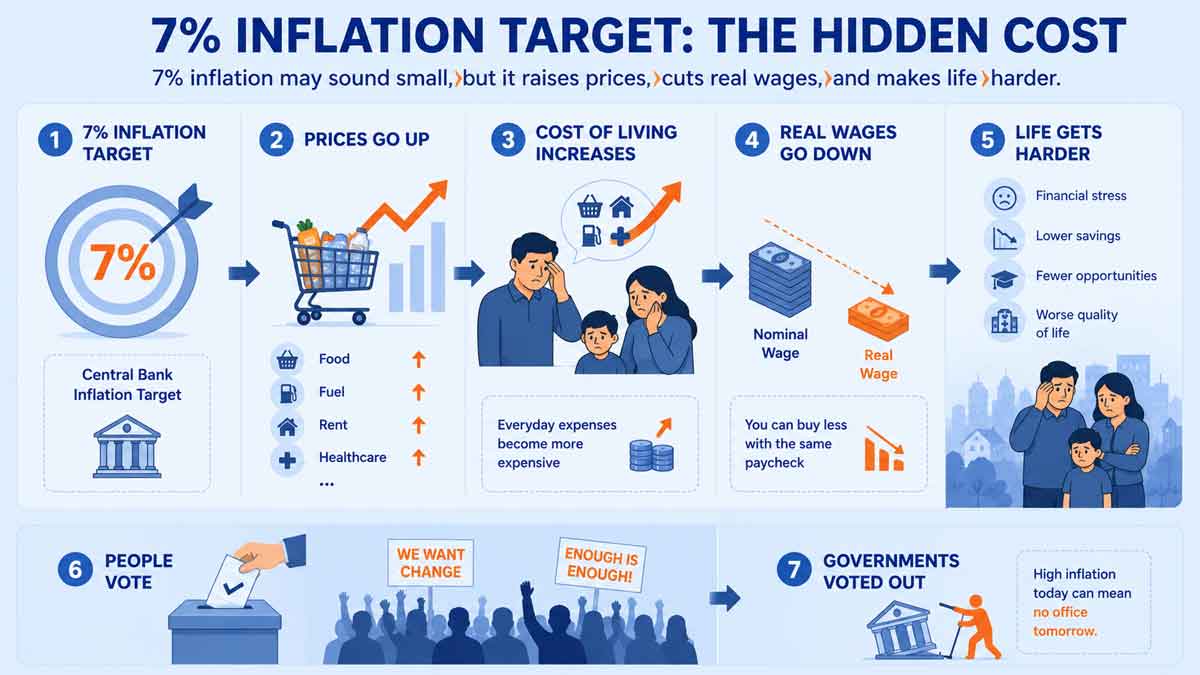
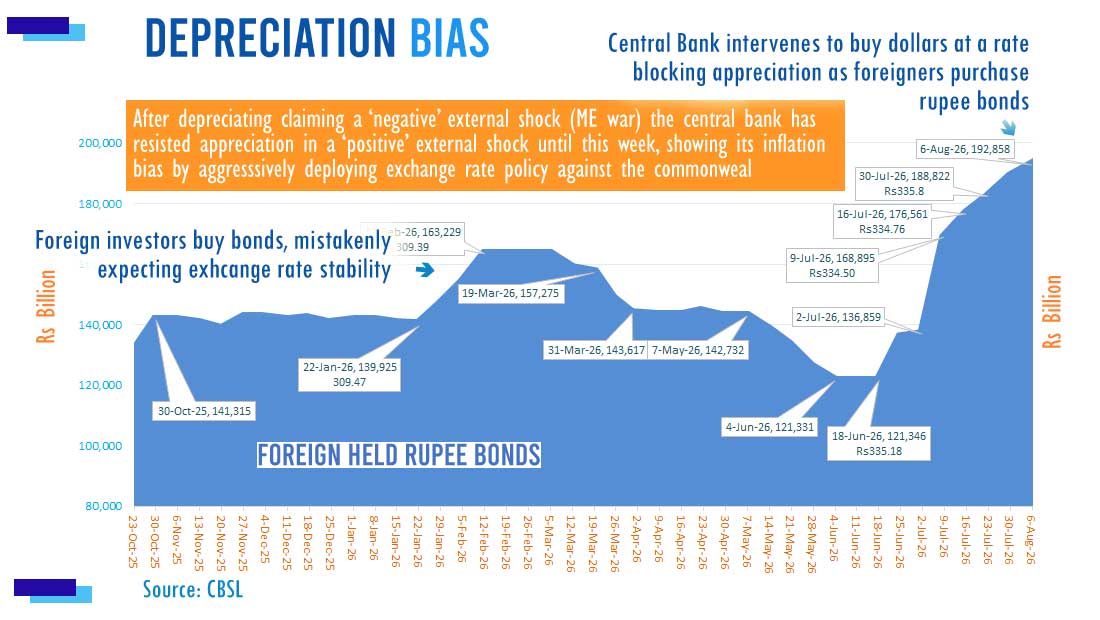
Central bankers are publicly calling to keep the high 5-7 percent inflation target showing the country's problems do not come from politicians but from the inflation bias of the agency which is supposed to safeguard the value of money.
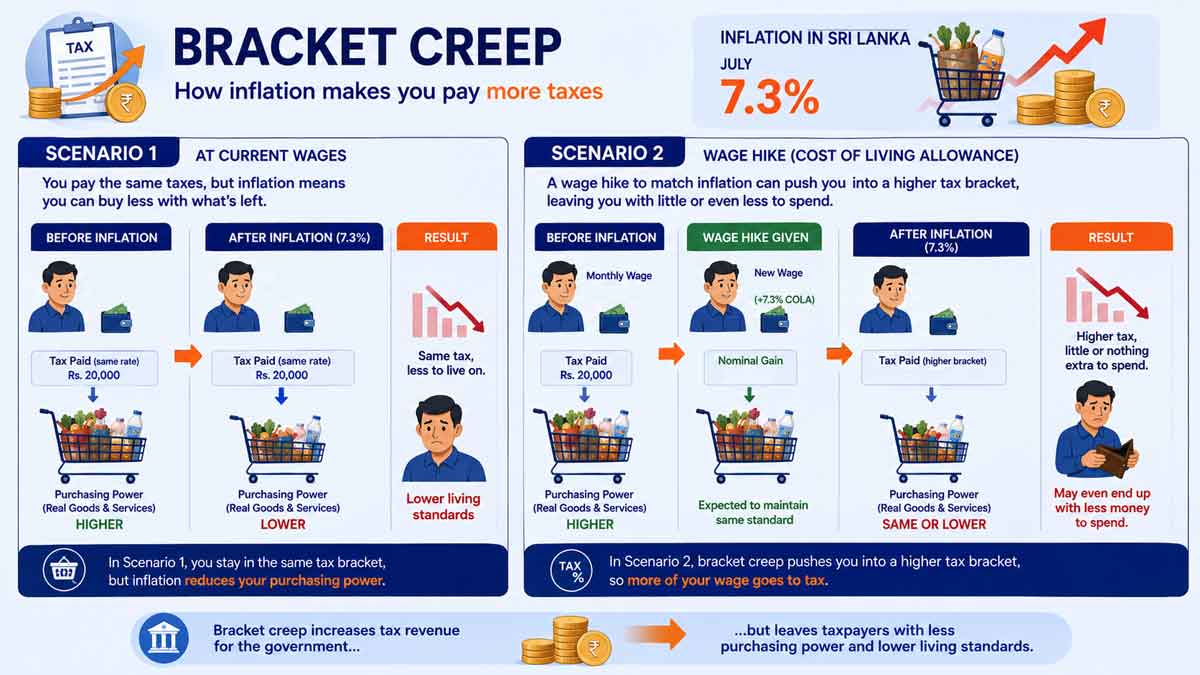
Rathnasabathy pointed out that when the central bank prints money, it benefits banks and early borrowers while the rest of society, especially pensioner and the poor pays through higher prices.
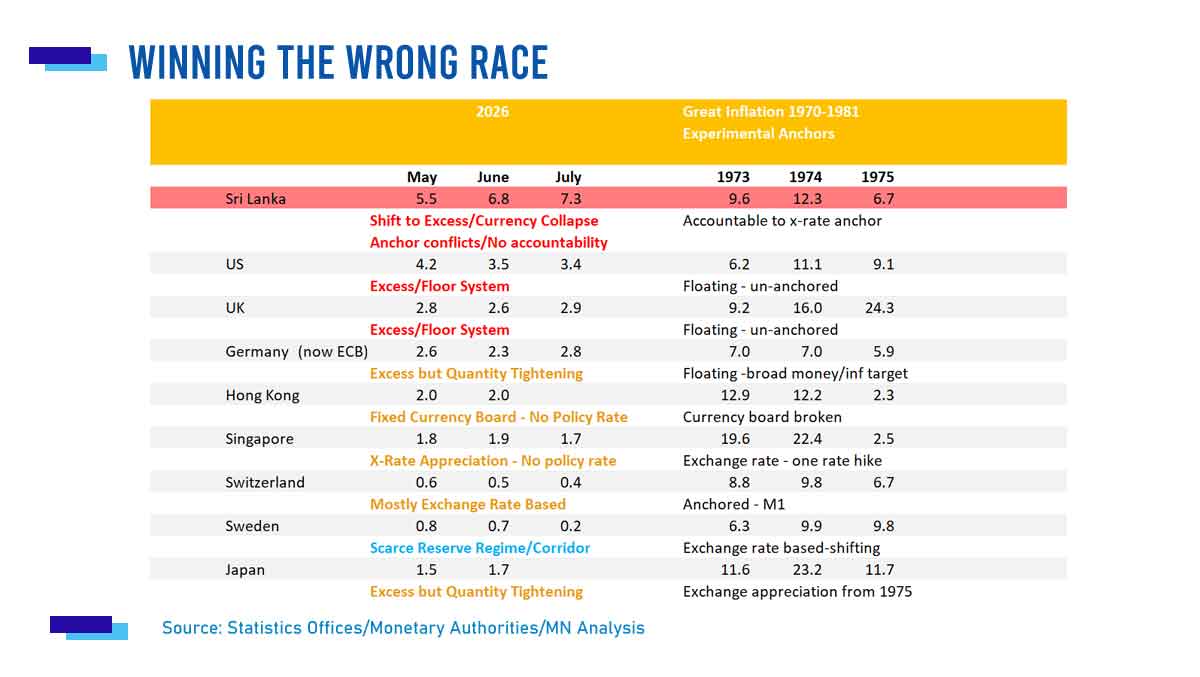
Wijewardene pointed out that when the central bank misses its target (inflation is now around 8 percent after a currency collapse in 2026), policy has to be reversed suddenly, creating more problems.
He also suggested writing and addendum to respond to central bank officials' public calls seeking to inflate the system.
Wijewardene's response is reproduced below:
W.A. Wijewardene on Inflation’s Winners and Losers
The central issue is not whether Sri Lanka should pursue low inflation in the abstract, but whether the present inflation target protects ordinary households from a persistent erosion of real income. Ravi Ratnasabapathy’s argument is strongest when read through that distributional lens: inflation is not neutral in practice, and both loose and tight monetary conditions can redistribute income in ways that favour the financial sector over wage earners, depositors, borrowers, and small businesses.
Context and the Current Debate
Ravi Ratnasabapathy has raised a timely issue in Sri Lanka’s macroeconomic management. The Central Bank of Sri Lanka is reviewing its current inflation target of 5%, with a tolerance band of two percentage points on either side. Ratnasabapathy, echoing a growing group of independent economists, argues that the target should be revised downward to 2%, with one-percentage-point tolerance band, so that Sri Lanka moves closer to global best practice and strengthens long-term monetary stability.
Official economists at the Central Bank have predictably pushed back. Dr. P. K. G. Harischandra, a former Director of Economic Research and now Assistant Governor, argued in the Daily FT that the present review does not justify reducing the inflation target from 5% to 2% Although he presented the argument as his personal view rather than the official position of the Central Bank, it may indicate how senior management views the issue. The core defence is a conventional growth-stabilisation argument: a sharp reduction in the target would require aggressive interest-rate increases, which would raise real interest rates and hurt GDP growth, private investment, employment, and the government’s fiscal position.
Expanding the Thesis: The Cantillon Effect in Reverse (Tight Monetary Conditions)
While RR’s paper heavily focuses on the distortions of monetary expansion and loose policy, the Cantillon Effect operates with equal potency during periods of monetary tightening too. When inflation breaches the target and the central bank is forced to hike interest rates, the structural asymmetry of the banking sector becomes glaringly obvious.
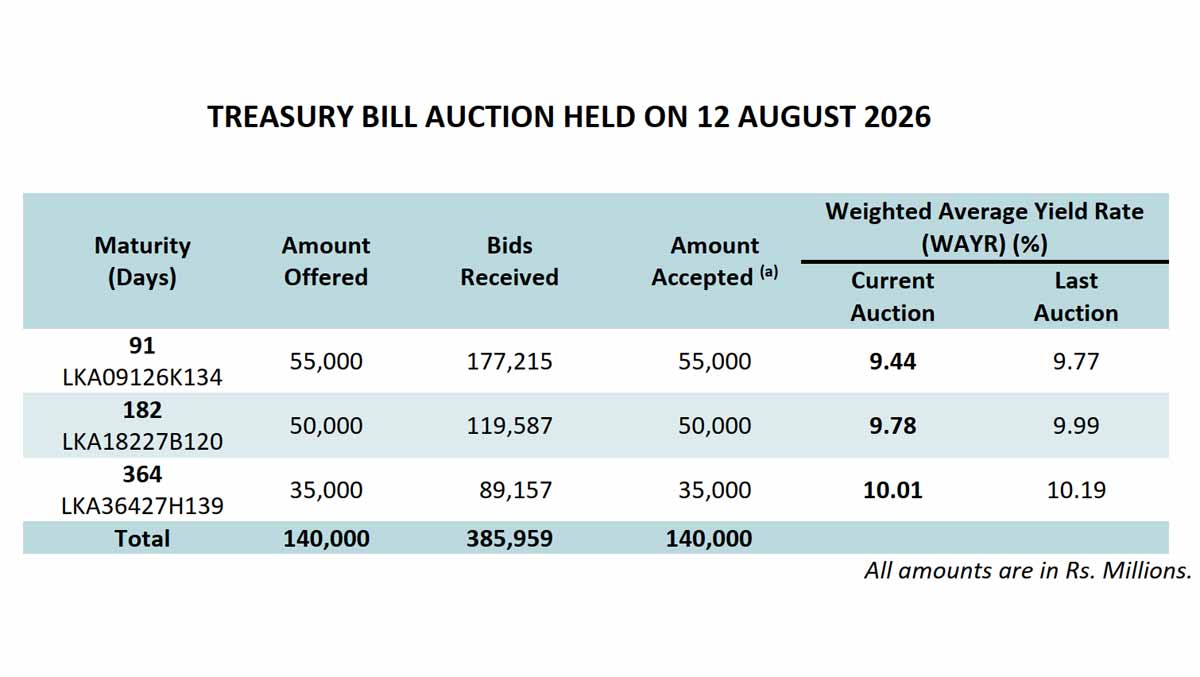
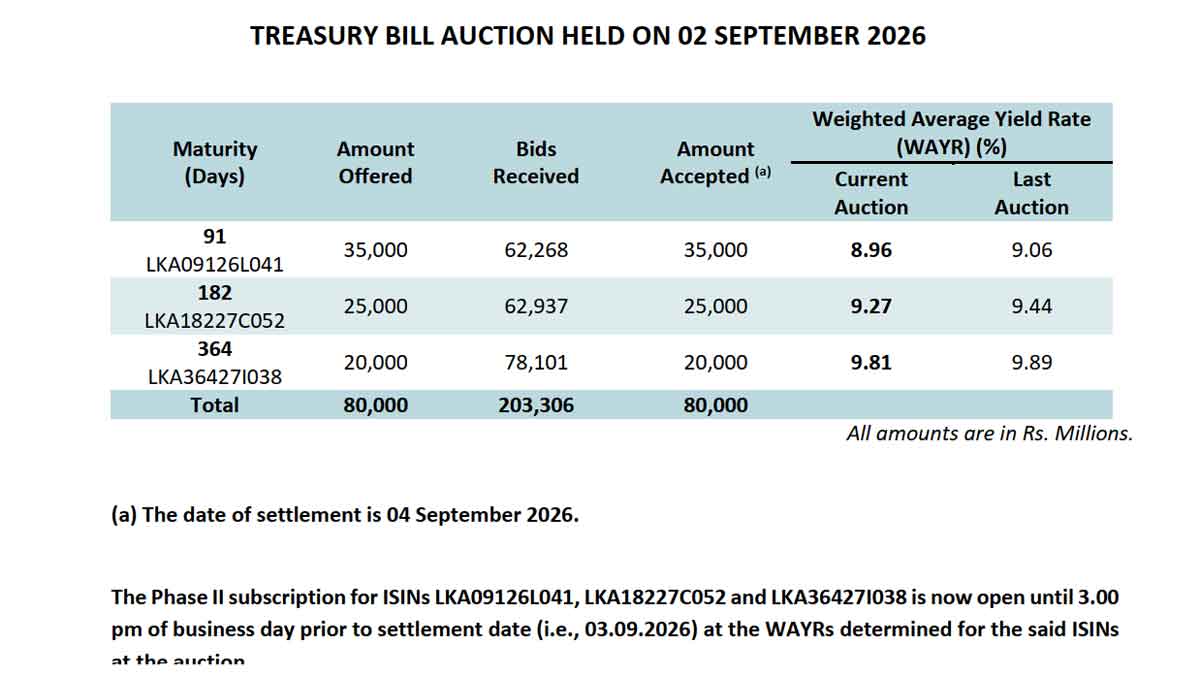
During a tightening cycle, commercial banks immediately adjust their lending rates upward to protect their margins. Conversely, deposit rates exhibit significant upward stickiness. This lag creates a highly profitable spread for the banks, meaning they continue to accumulate wealth even during an economic slowdown. The true burden of disinflation is thus unevenly redistributed:
Depositors are penalized by accepting real interest rates that fail to keep pace with the spike in cost of living.
Borrowers are squeezed by punitive lending rates that far outstrip general inflation, crippling small businesses and households.
Consequently, the Central Bank’s historical insistence on a high inflation target has trapped the economy in a policy corner. Having anchored the framework to a high rate, immediately forcing it down now triggers a painful, lopsided redistribution of income where the banking sector wins and the productive economy loses. This underscores RR’s point: a high target should never have been established in the first instance.
Conclusion and Call for an Addendum
RR’s thesis successfully exposes the structural flaws of positive inflation targeting in a small open economy. However, at the time of his writing, the official economists at the Central Bank had not yet articulated their formal defense of the 5% target.
To ensure the paper remains robust and comprehensive against current policy debates, an addendum to the original paper is strongly recommended. This addendum should formally incorporate and critique the view of the official economists regarding real interest rates and growth, while expanding the Cantillon framework to show that whether the central bank is printing money or aggressively tightening it, an unanchored inflation framework will always result in an arbitrary, unfair redistribution of societal wealth.




















Comments
Be the first person to comment and join the debate