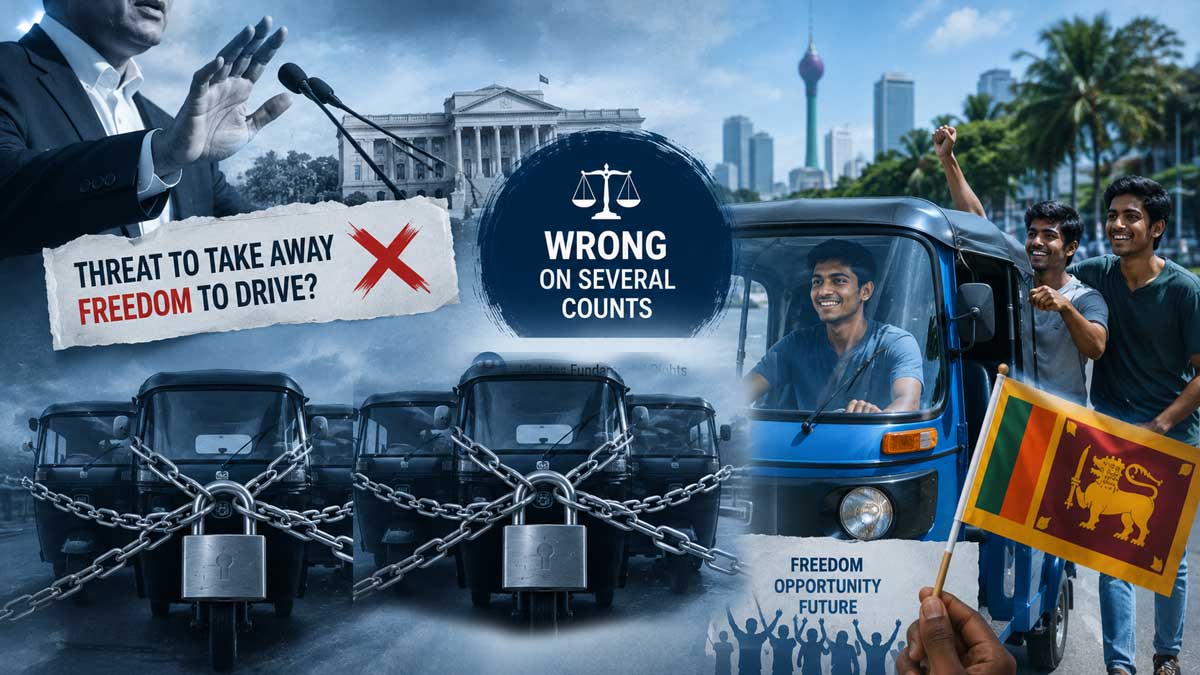
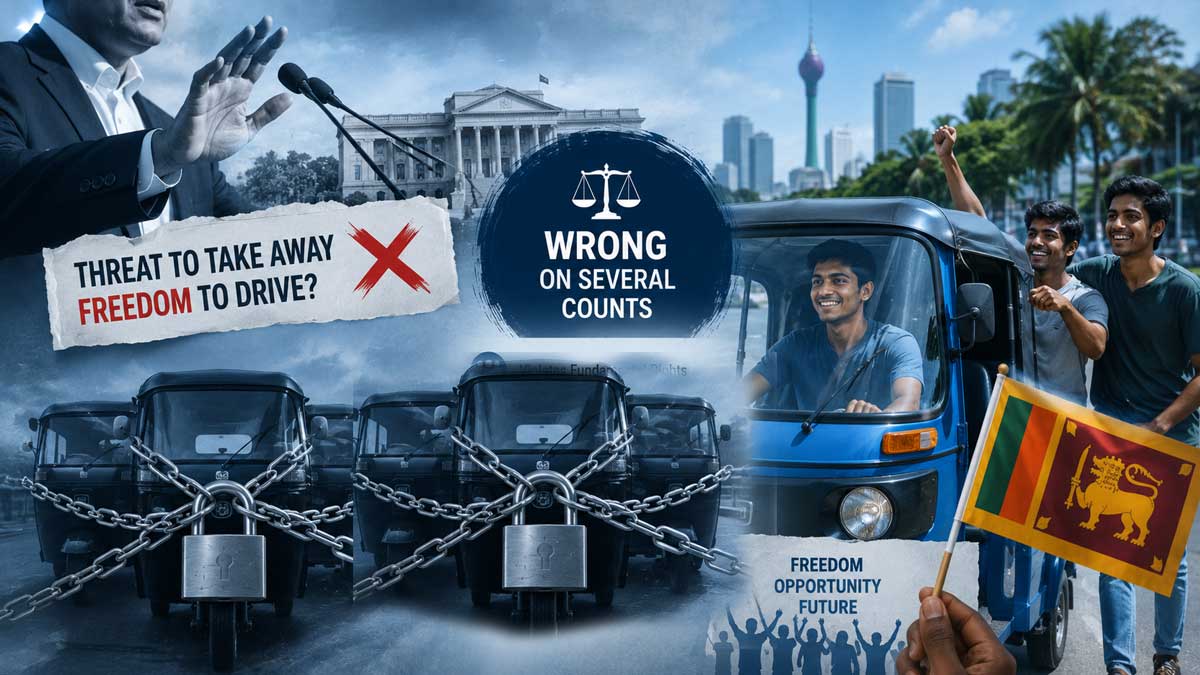
MONETABRIEF – A Sri Lanka Deputy Minister's threat to take away the freedom of young people to own and drive three wheelers is wrong on several counts, Advocata Institute, a Colombo-based think tank has said.
"The first reason is that an age limit violates economic freedom, as three-wheeler driving provides a flexible form of self-employment suited to individual circumstances," the think tank said
"[I]if the government wishes to steer youth toward skilled occupations, the solution is not to restrict choice, but to make alternatives more attractive.
"This requires strengthening vocational education, expanding apprenticeships, and creating clearer pathways to higher-productivity employment."
While a large number of young people are turning to drug peddling and other activities in the absence of formal employment three wheelers have provided gainful employment while filling gaps in transport, especially in rural areas, analysts say.
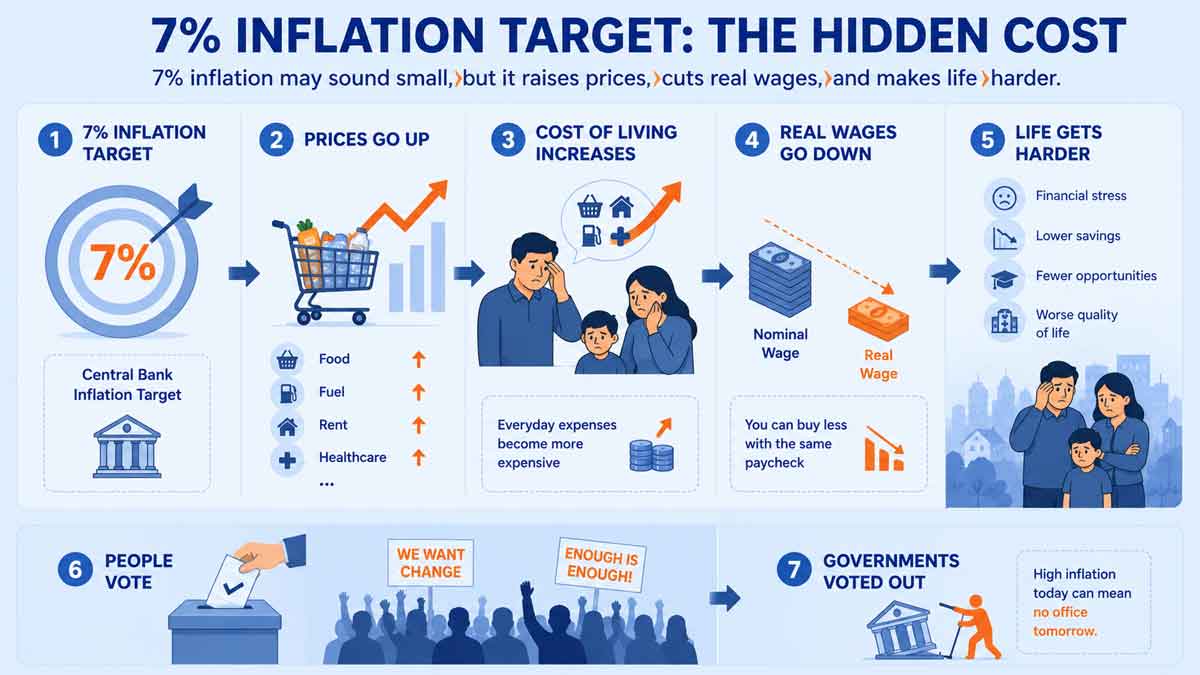
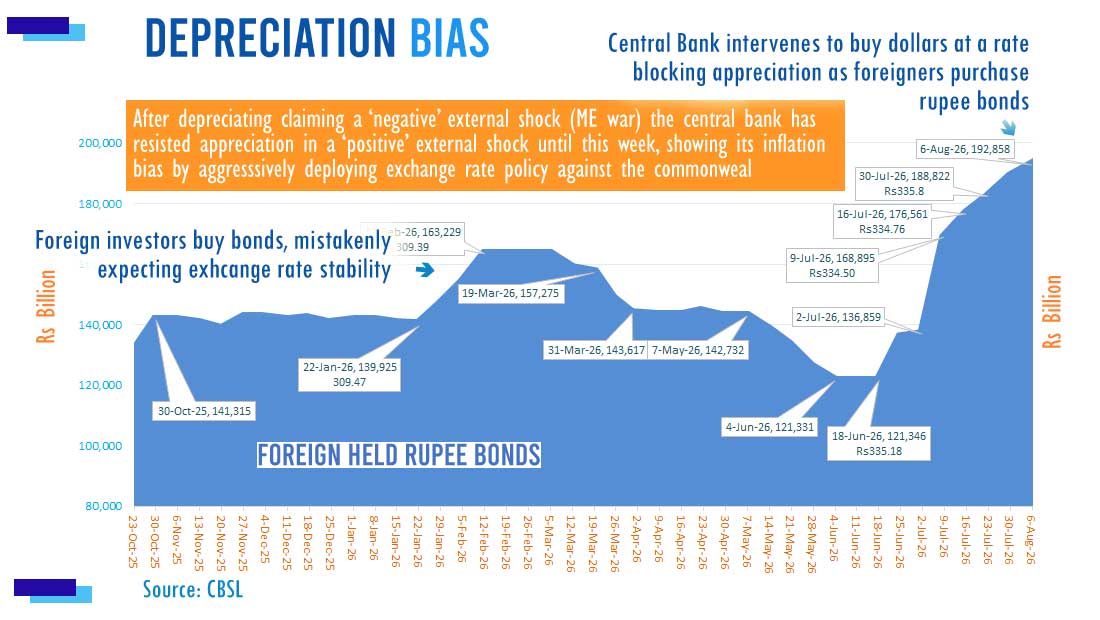
Many young people are also leaving the country to work in the Middle East and other areas due to lack of jobs that pay a living wages, particularly as the central bank has a high inflation target and depreciates the currency triggering crises.
Meanwhile, Advocata Institute said another reason is the lack of proper public transport.
"The second reason concerns commuter mobility, particularly where public transport is unreliable or fails to provide adequate first- and last-mile connectivity," the think tank said.
"According to the National Transport Commission's National Transport Statistics 2025, three-wheelers accounted for 20.9 per cent of passenger transport in 2024, representing the second-largest transport mode in the country.
"Restricting new entrants into the occupation without addressing these underlying transport gaps risks severely reducing public mobility.
"The third reason relates to household livelihoods, as a three-wheeler functions as a productive economic asset that provides essential income for families across Sri Lanka."
Before the economic crisis, as competition pushed prices of three wheelers down, there were calls by older drivers to ban young people from entering the industry. Fortunately the threat was not carried out.
The full statement is reproduced below:
Four Reasons Not to Impose Age Limit on Three-Wheeler Driving:
Advocata Institute
Following a statement by Deputy Minister of Vocational Education Nalin Hewage that the government is considering raising the minimum age for three-wheeler drivers to 40, the Advocata Institute has outlined four key reasons against such a restriction, relating to economic freedom, mobility, livelihoods, and dependent sectors.
The first reason is that an age limit violates economic freedom, as three-wheeler driving provides a flexible form of self-employment suited to individual circumstances. Advocata emphasized that if the government wishes to steer youth toward skilled occupations, the solution is not to restrict choice, but to make alternatives more attractive. This requires strengthening vocational education, expanding apprenticeships, and creating clearer pathways to higher-productivity employment.
The second reason concerns commuter mobility, particularly where public transport is unreliable or fails to provide adequate first- and last-mile connectivity. According to the National Transport Commission's National Transport Statistics 2025, three-wheelers accounted for 20.9 per cent of passenger transport in 2024, representing the second-largest transport mode in the country. Restricting new entrants into the occupation without addressing these underlying transport gaps risks severely reducing public mobility.
The third reason relates to household livelihoods, as a three-wheeler functions as a productive economic asset that provides essential income for families across Sri Lanka. Ministry of Transport data recorded 1,184,352 registered motor tricycles in 2022. Imposing an age ceiling would strip primary livelihoods from young operators who rely on three-wheelers for income, directly harming the families dependent on them.
The fourth reason involves the broader economic ecosystem that has developed around the three-wheeler sector. This interconnected network includes leasing and finance firms, insurance providers, spare parts vendors, repair and maintenance shops, and delivery services. Limiting the number of three-wheelers on the road would negatively impact these dependent industries.
Addressing safety arguments raised by proponents of an age limit, who contend that mature drivers are more responsible, Advocata highlighted that available data from the Ministry of Transport does not track driver age. This means there is no evidence linking younger drivers to a disproportionate share of accidents. In fact, official records show that total accidents involving three-wheelers declined between 2019 and 2022.
The Advocata Institute concluded that there is no empirical evidence that raising the minimum age for three-wheeler drivers would improve national employment outcomes, stressing that policies affecting the economy and livelihoods must be carefully considered and grounded in evidence.


















Comments
Be the first person to comment and join the debate