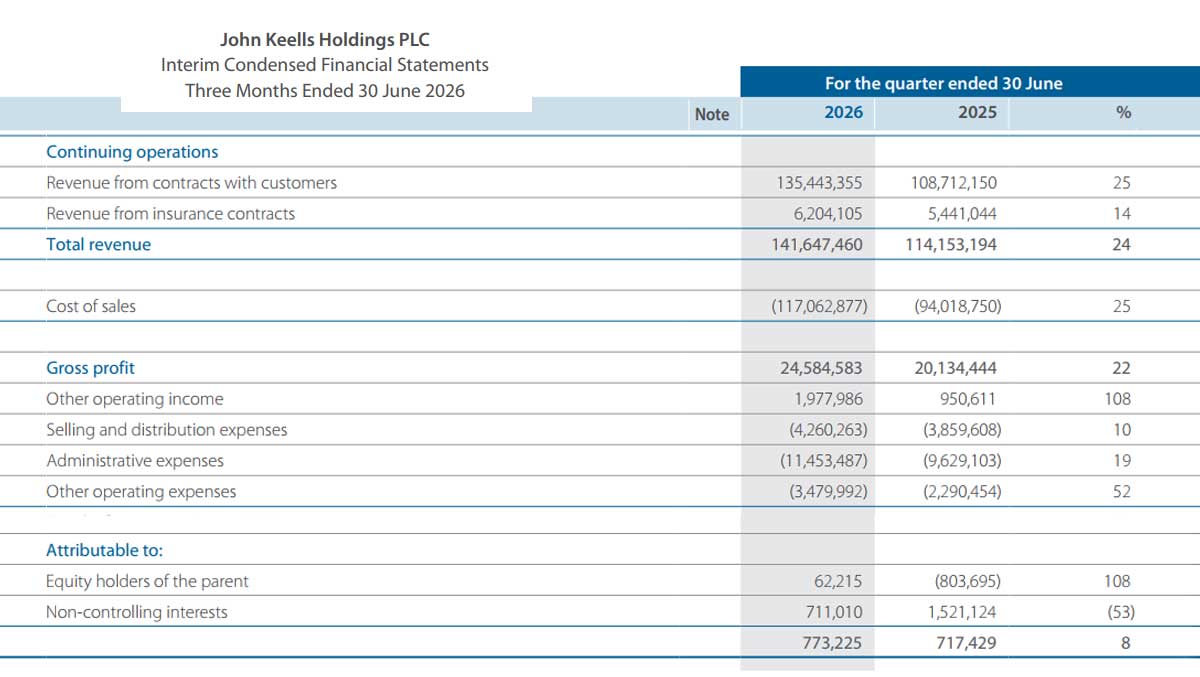
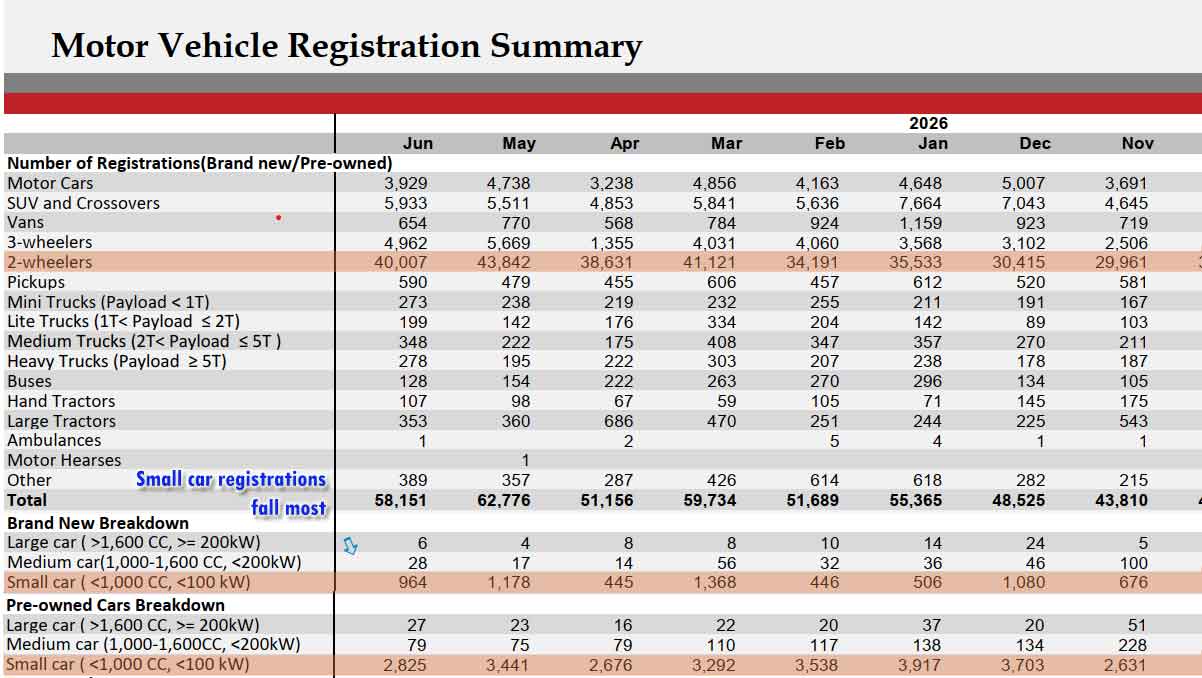
MONETABRIEF – BYD sales in the 2026 June quarter amounted to over 2,400 units, compared to around 2,300 last year but profit margins were down amid a shift to mid-priced models, John Keells CG Auto, the agent for the Chinese car maker in Sri Lanka, said.
There was 'pent-up' demand last year as an import ban imposed in 2020 as the central bank cut rates and printed money under a flexible inflation targeting framework to boost 'potential output' was lifted in February 2025.
The pent-up demand moderated in 2026.
"This was particularly evident within the mid to higher-end vehicle segments where pent-up demand was particularly strong," John Keells Holdings Chairman Krishan Balendra told shareholders in the quarterly review.
"JKCG continues to witness strong demand and orders for its vehicle portfolio, although we have seen a gradual shift towards the mid-priced segment.
While volumes grew from 2,300 to 2,400 units the growth was "supported by the selective introduction of new models catering to a broader range of customer segments and affordability levels, with the competitively priced BYD ATTO 1 and ATTO 2 accounting for a significant proportion of vehicle sales," he said.
Earnings before interest, depreciation, tax and amortization, of JKCG Auto fell to 3,335 billion rupees from 4,876 billion.
In Sri Lanka, after central bank policy errors, which analysts say are
inevitable under its statistical operating frameworks which reject
economic theory (primarily the classical price-specie-flow mechanism),
trade and exchange controls are imposed on the people.
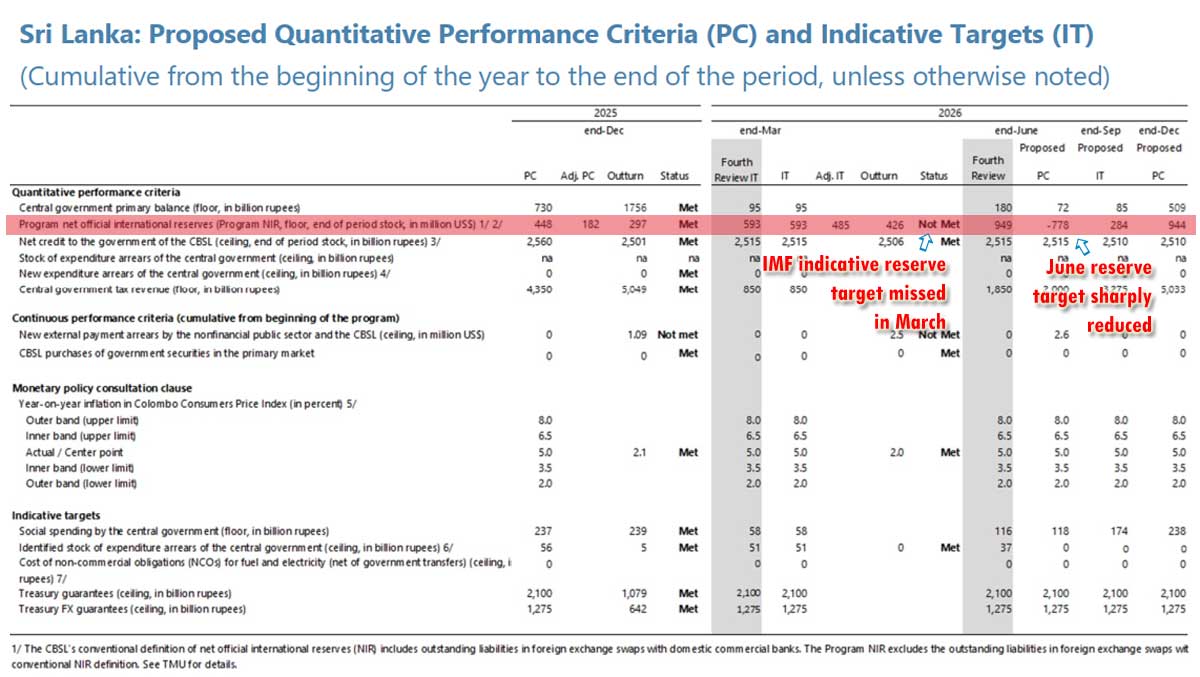
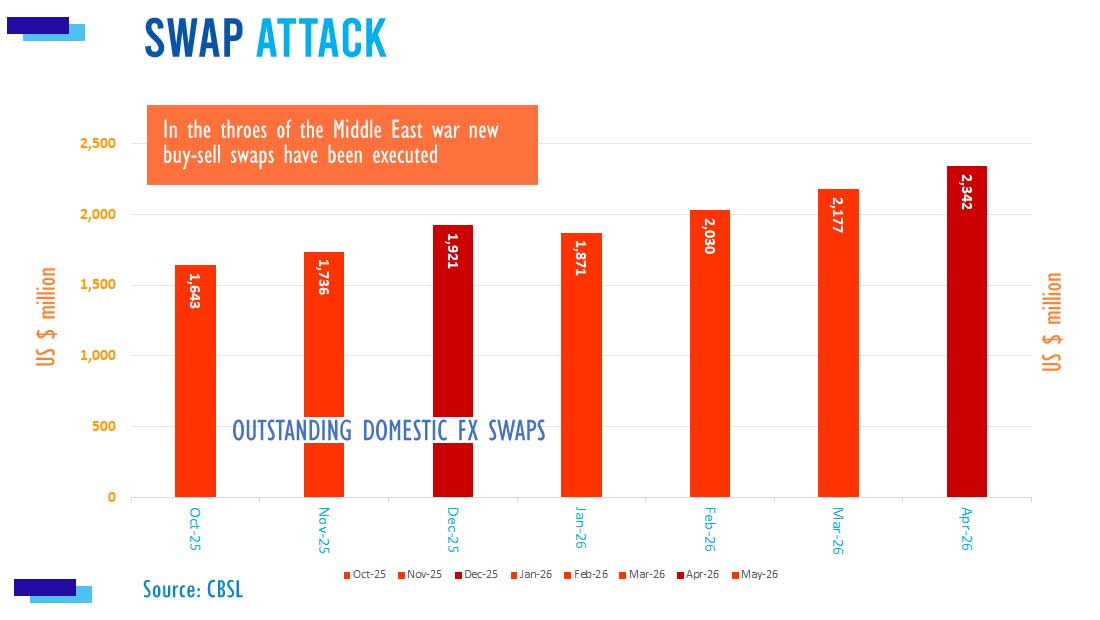
After suppressing rates as the economy recovered in 2025 and continueing to print money through fx swaps into 2026 the central bank dishonored its notes under the 'flexible exchange rate', as oil import costs rose, leading to a collapsed of the rupee.
The dishonoring also led a speculative frenzy as panicked importers front loaded payments and exporters delayed, as had happened earlier.
Sri Lanka then slashed economic freedoms of the people and both exchange and import controls were tightened.
Exchange controls are the most overt sign that the central bank is not accountable for its policy errors, which are covered up by economic controls on the people.
Rates are corrected, but usually after the rupee collapses, leaving decimated wages and Employees Provident Fund balances and an unhappy electorate.
Rates were eventually raised, but in the current bout of policy errors exporter conversion times were tightened and import tax surcharges were placed on cars.
"The Government imposed a 3-month temporary surcharge on duty on all motor vehicles, implemented on 15 May 2026, remains in effect with no further policy direction at this moment," JKCG said.
JKCG said it still had a 2,200 orderbook. (Colombo/July29/2026)
















Comments
Be the first person to comment and join the debate