MONETABRIEF – Sri Lanka Parliament's Committee on Public Finance has questioned the central bank's inflationary reserve building process and its inability to contain liquidity to safeguard reserves, after the latest currency collapse which was triggered amid a budget surplus.
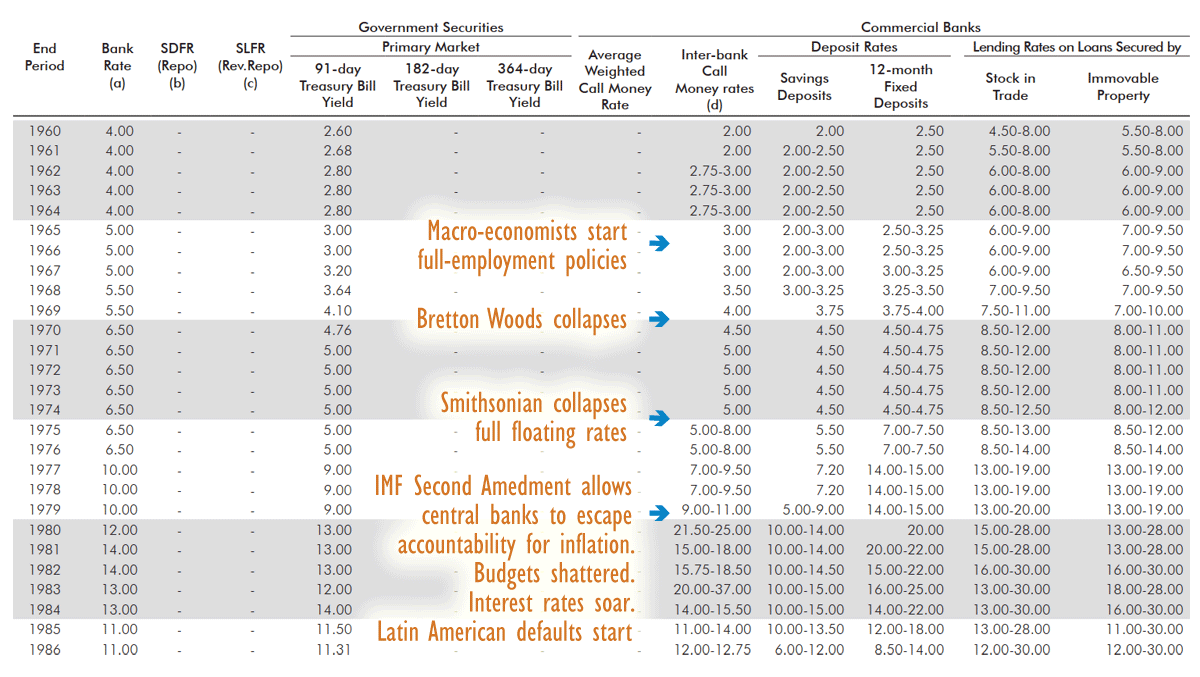
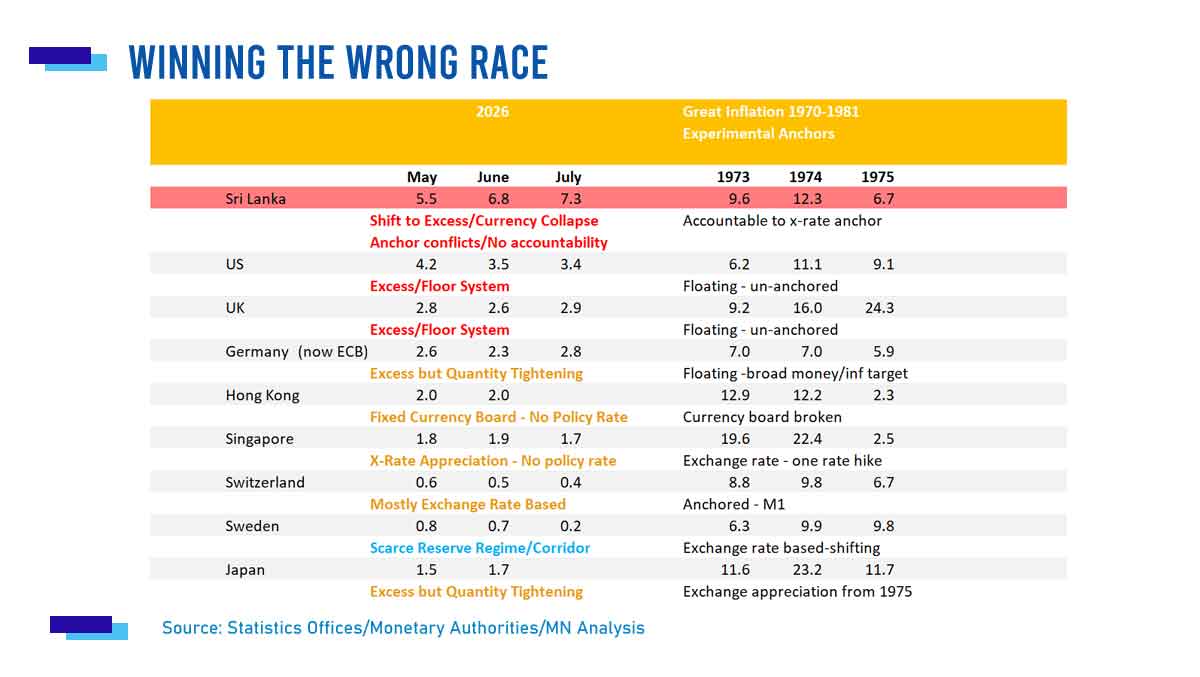
Central banks with an inflation and depreciation bias have many inflationary tools to destroy currencies, create social and labour unrest, discredit democratically elected governments, and eventually bring people to the streets with a large enough depreciation.
The arcane operations of how central banks destroy money using doctrines developed by Anglophone inflationists and also the International Monetary Fund - after the Housing bubble - and escape accountability are not widely known unlike in the 19th century.
Monetizing the BoP
Not many people know that a central bank prints money when a soft-pegged central bank collects dollars from the public (monetizes the balance of payment) to build reserves.
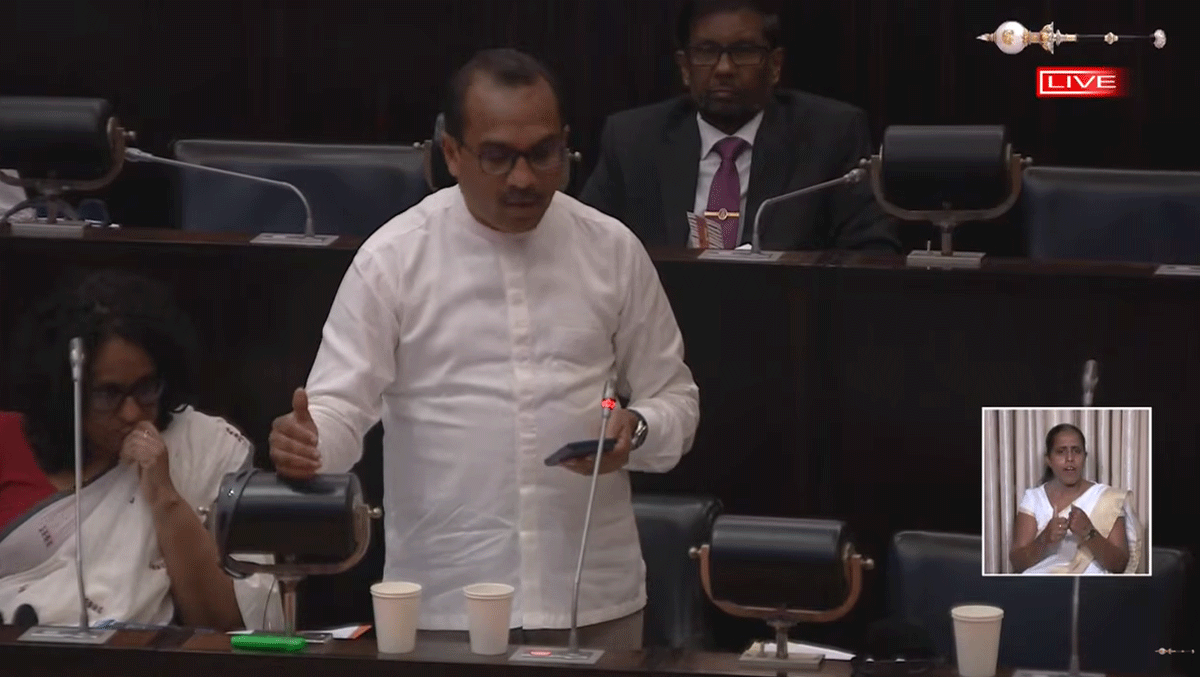
COPF member Ravi Karunanayake asked central bank to make it clear to the people that the agency prints money when it buys dollars.
L Sritharan, from the Central Bank's Macroprudential Surveillance Department said one way was from profits made on foreign reserves. The other method involving injecting new money.
"As well as from the domestic market, by giving the rupees, we are just buying," he said. "But when we are buying from the domestic market, we have to consider the exchange rate as well.
"When there's a pressure in the exchange rate, we can go for a sort of buying. And when there's a sort of favorable condition time, we are just buying and building up the reserve. That is a mechanism followed by the central bank."
Deflationary Policy to Safeguard Reserves
Unless the new money is extinguished (sterilized) or returned to the people (peg is defended) to maintain monetary stability, the currency comes under pressure setting off a chain reaction and panic like April and May 2026, which can even lead to a second default.
To collect reserves without monetary depreciation liquidity has to be permanently extinguished (sterilized) at a compatible interest rate structure to reduce domestic credit and import demand.
The deflationary policy of extinguishing liquidity puts the rupee under upward pressure, allowing the central bank to collect more reserves or allow the exchange rate to appreciate or both in a virtuous cycle.
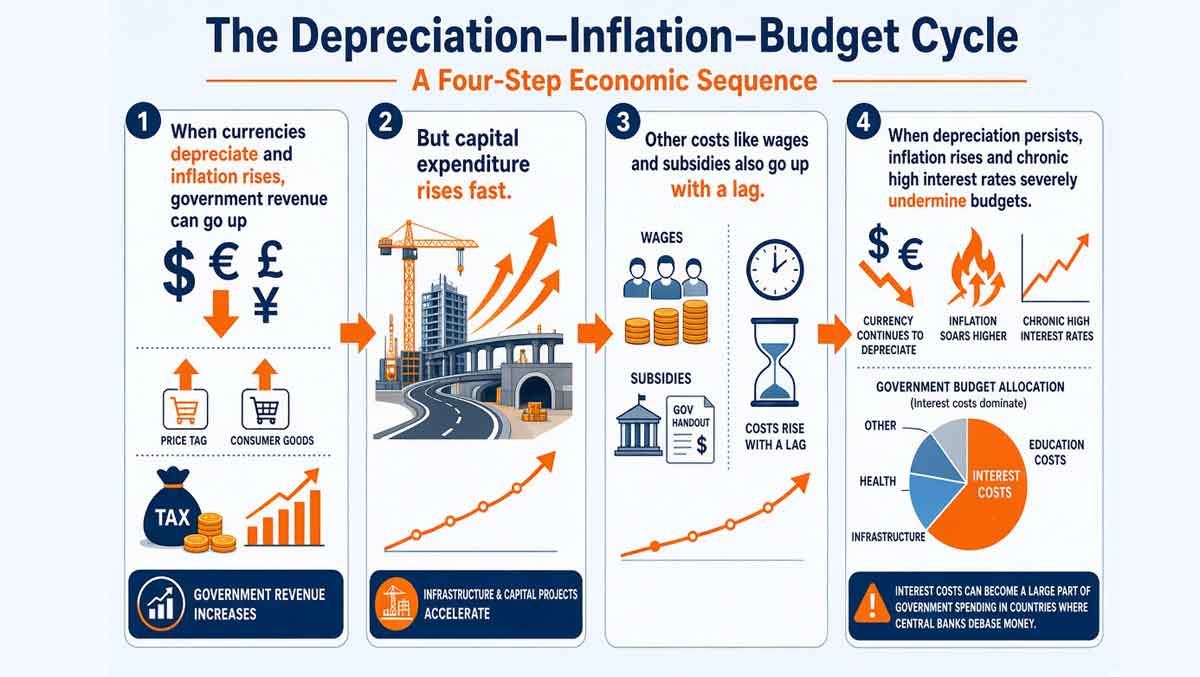
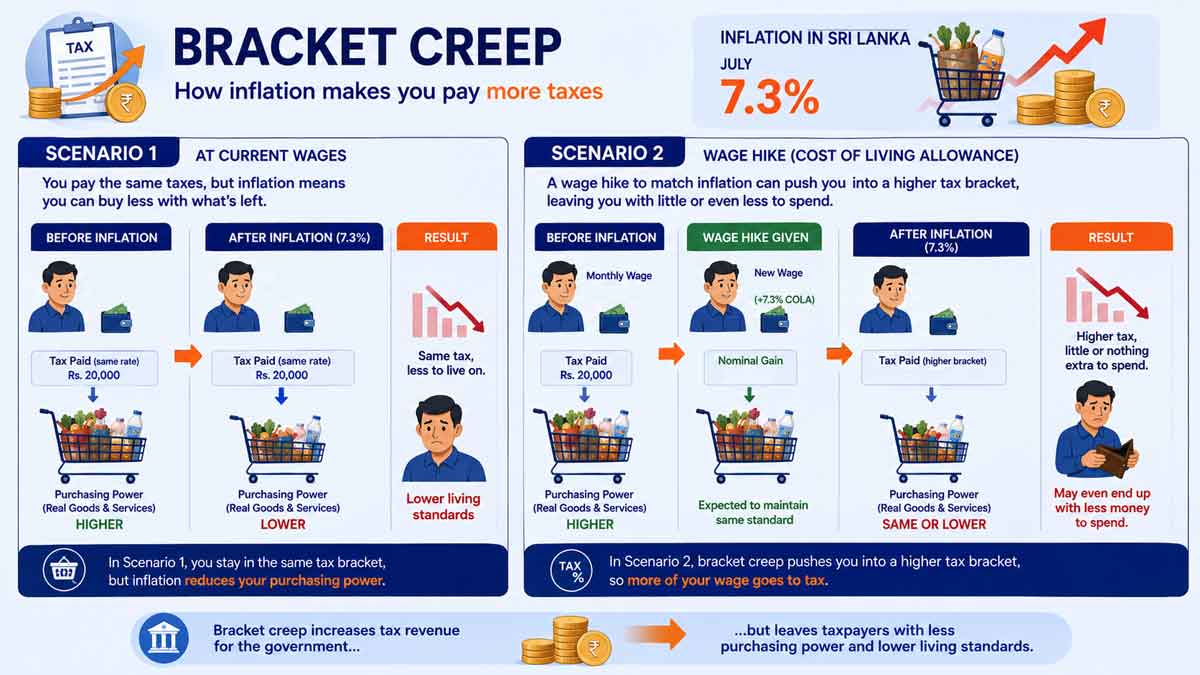
However, any attempt to collect reserves above deflationary policy, such as in 2025 and 2026, leads to depreciation. Depreciation pushes up inflation, destroys wages, savings and pension of the people and driving people to work in currency board like regimes in the Middle East.
To collect more reserves rates to reduce domestic credit and imports or the central bank's bond stock has to be sold down to banks which will get CB held securities for their deposits instead of giving new import generating credit.
Temporary Mopping Up Questioned
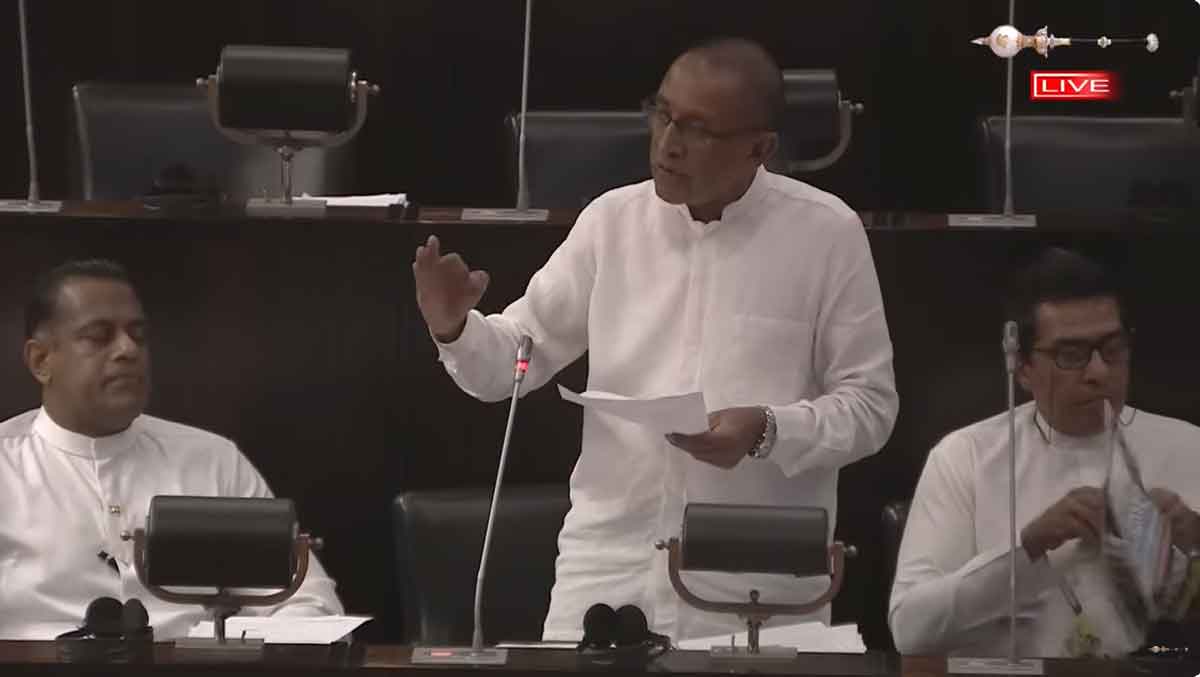
COPF Chief Harsha de Silva asked how the money created from dollar purchases are being extinguished.
"If you are putting money, the central bank puts money into the market, the gentleman who was speaking to us said to buy dollars, what that means is the rupee liquidity increases," de Silva said.
"When the rupee liquidity increases, then you have a fear of inflation. When you have that fear of inflation, if you have bonds and bills in your portfolio, you can sell those and sterilize them."
The central bankers said they can mop it up.
However de Silva said the central bank had no ability to permanently kill the liquidity, which can only be done with outright sales of central bank held securities.
"But you don't have bonds and bills to give," de Silva pointed out. "So because you have already converted all the bills to bonds, right, so you are doing some repos and taking the money out in the short term."
Instead of having a domestic security permanently in the balance sheet in place of deposits, ending the requirement to give domestic loans, the commercial banks continue to look for ways to give credit as repo transactions mature the next day or in a few days or weeks if they are term.
The last currency collapse and the spike inflation seen now, happened despite overnight repos, showing the futility of the practice, except as a tool to fatten the profits of banks until they give credit and generate imports.
Dishonoring Notes
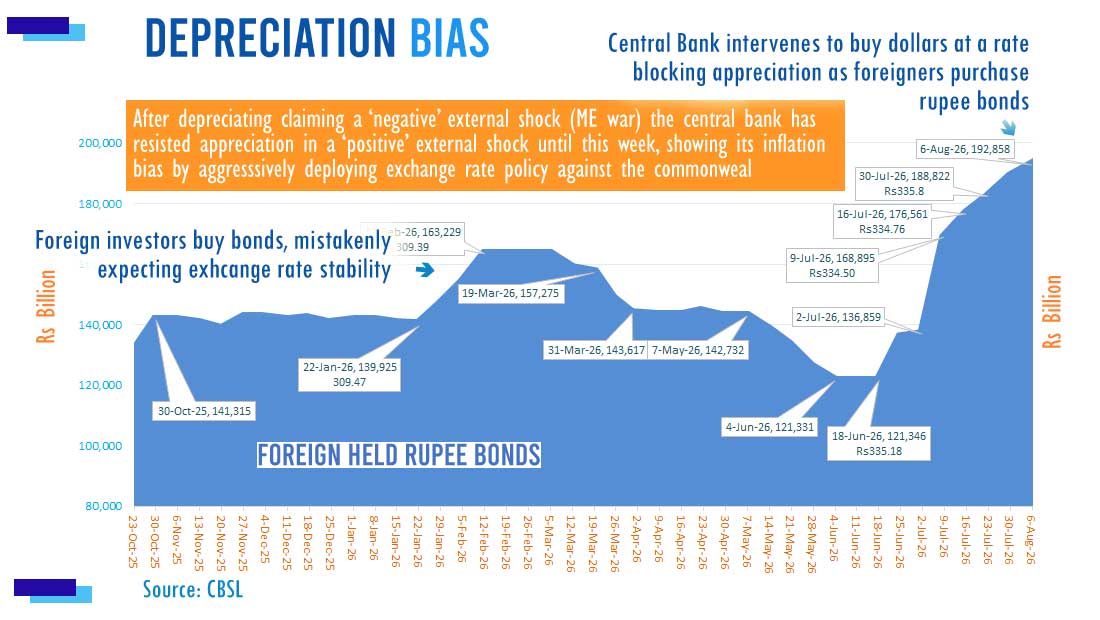
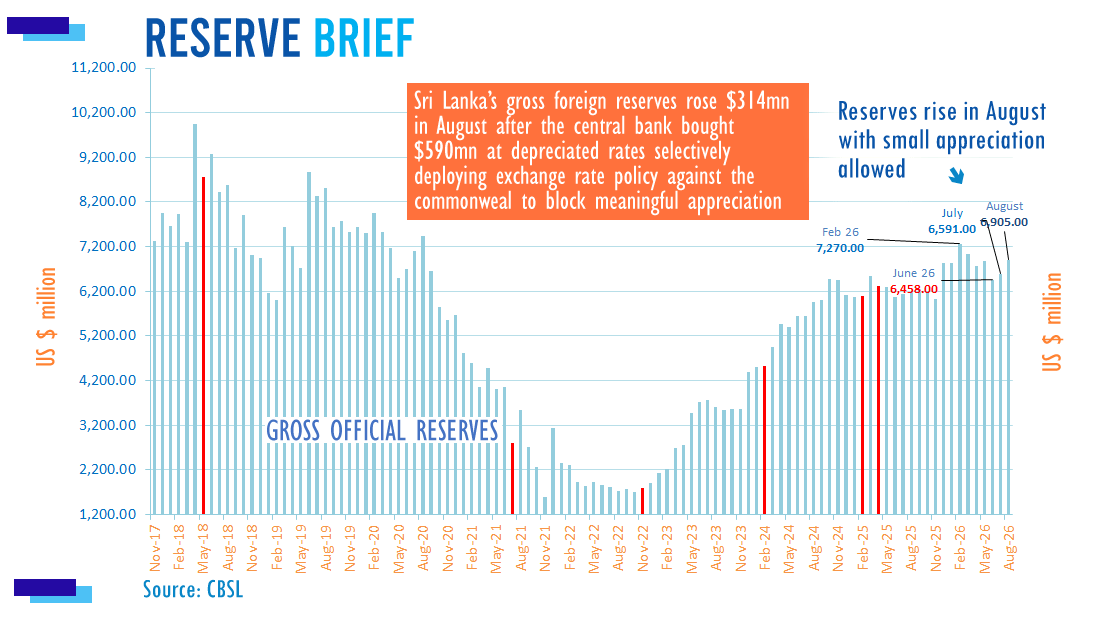
Shortly before the Middle East war hit (a negative external shock), the central bank had bought over 600 million dollars as the Ditwah cyclone killed domestic credit (a positive domestic shock) but due to its depreciation bias, the agency stopped the currency from appreciation.
Recent appreciation pressure from a "positive shock" in the form of foreign rupee bond purchases has also been resisted.
By the July 28, excess liquidity in money markets had shot up to 185 billion rupees.
When liquidity from dollar purchases are allowed to remain, the new money turns into credit and imports.
If the central bank then dishonors the notes given in exchange to the people for their valuable dollars, and refuses to return them for imports, and dodge accountability under cover of IMF-backed 'exchange rate as the first line of defence' doctrine, the currency collapses.
People then own the paper which are worth less, driving them to poverty and to migrate to work in currency board regimes in the Middle East to make ends meet.
Modern central bankers create inflation in the belief that 'price pressure' will drive growth but it only results in balance of payments crises in small trading nations, and social unrest as workers are cheated out of wages with higher energy and food prices, though businesses may make profits.
Businesses also see costs catching up later. As a result, critics point out that forked tongued macro-economists who argue against sound money and promote inflation as a tool for growth (money is non-neutral) will say that money is neutral also in the same breath.
Missing Reserve Targets
Since flexible inflation targeting is a fundamentally flawed framework based on statistics that rejects basic classical economic theory (price specie flow mechanism) rates are corrected and monetary stability restored only after the central bank triggers balance of payments trouble.
IMF Reserve targets are also missed.
In March 2026, the central bank missed the IMF indicative reserve target which was reduced by 1.7 billion dollars from the original level two reviews ago.
In May 2026 rates were corrected, but only after the currency collapsed, an oft repeated phenomenon where the country is left with higher rates, higher inflation and a debased currency.
After cutting rates on a statistical formula that disregarded economic theory and not selling down its portfolio, and finding itself unable to collect sufficient reserves, the central bank then resorted to buy-sell swaps to show the public and investors higher levels of reserves.
But buy-sell swaps monetizing dollars balances and prints more money.
Data showed that the central bank had injected money through swaps amid the height of the Middle East crisis like Thailand did swaps with the hedge funds in the East Asian crisis.
"That's the very aspect that we are questioning from you, because there is 2.4 billion that you have bought in domestic swaps, and that is inflationary and that is being questioned at the moment," Karunanayake told the central bankers.
"So we are asking you, how are you building your organic growth of the reserves on a long-term basis?"
The build-up of liquidity (inflation of reserve money) from inflationary swaps, which allow banks to give domestic credit without collecting deposits, further boosts imports and makes it more difficult to collect reserves with outright purchases.
The central bankers said they were from the Macro-prudential unit and the reserve building strategy was known to the economic research department.
When the 2025 IMF program came out with no falling ceiling on net credit to the government by outright sales of securities to complement the reserve target, there were warnings that the central bank would not be able to meet reserve targets.
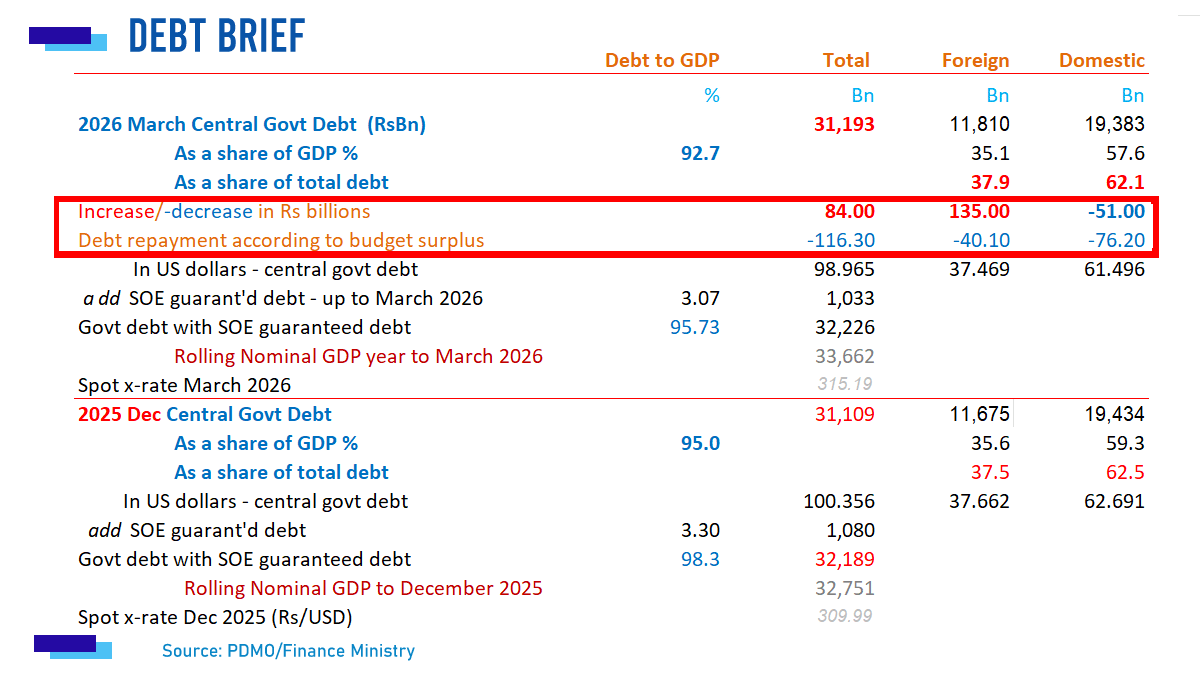
The most recent currency collapse came amid a budget surplus. The central bank for more than 70 years had blamed budget deficits for monetary instability and not their inflationary operations to mis-target rates. (Colombo/July30/2026)
Comments
Be the first person to comment and join the
debate
















Comments
Be the first person to comment and join the debate